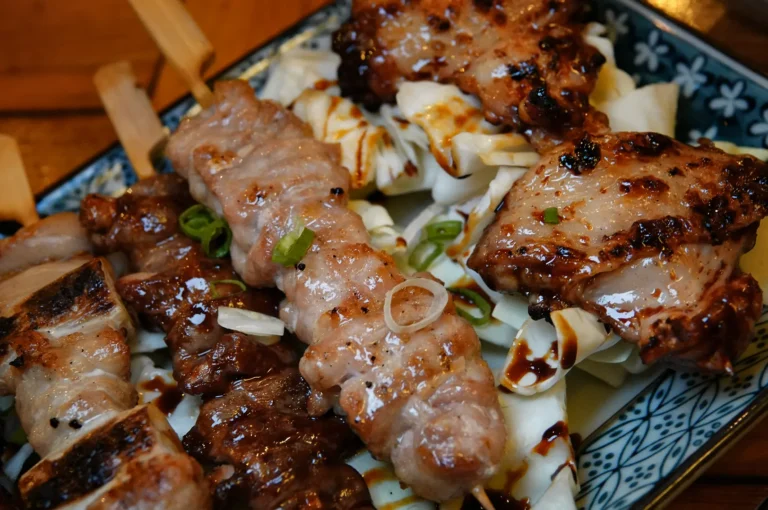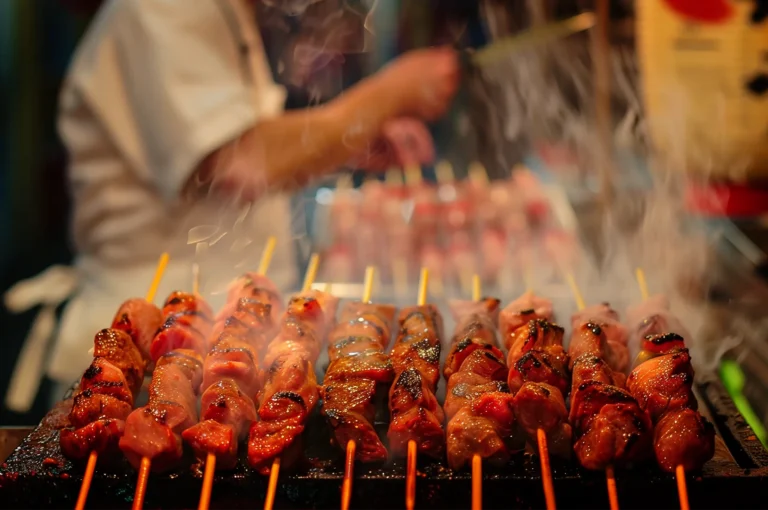

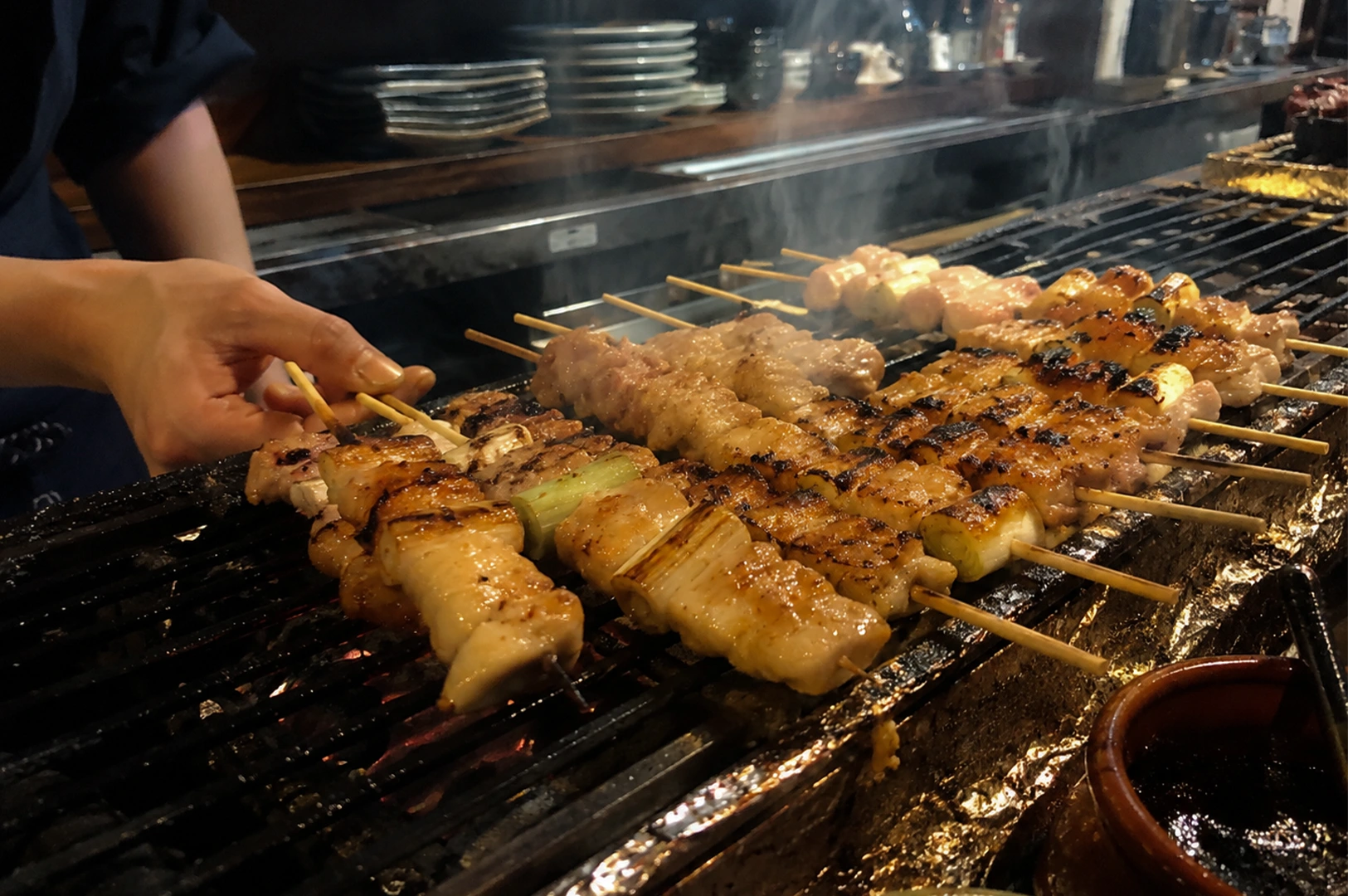
Yakitori grilling isn’t just a cooking method; it’s a celebrated Japanese tradition that’s found its way into kitchens and restaurants around the world. Rooted in centuries-old culinary practices, yakitori has evolved into a versatile and beloved dish that highlights the simplicity and depth of Japanese flavors.
In this article, we’ll explore everything you need to know about yakitori grilling, from the types of meat you can use to the ideal grilling techniques and sauces. Whether you’re looking to perfect your yakitori recipe at home or simply curious about the smoky flavors that make yakitori so special, this guide will give you a deep dive into the world of grilled chicken skewers, vegetables, and more.
Yakitori Grilling: The Basics Behind This Grilled Chicken Delight
When it comes to yakitori grilling, there’s more than just throwing some chicken on a skewer. The grilling process involves a carefully controlled medium-high heat, achieved by using white charcoal or binchōtan charcoal, a Japanese type known for its ability to burn at an intense heat without producing a lot of smoke. This type of charcoal is preferred because it offers consistent temperature, making it perfect for skewering chicken pieces, vegetables, and even pork belly.
The grilling process should be carefully monitored. Chicken skin, especially, benefits from a slower cooking process to achieve that crispy, melt-in-your-mouth texture, while chicken breast and skinless chicken thighs can be grilled quickly over high heat for a juicy finish. Knowing when to rotate the skewers and how to adjust the heat is key to unlocking the full flavor of yakitori.
The Essential Yakitori Recipe: What to Prepare for Perfect Chicken Skewers
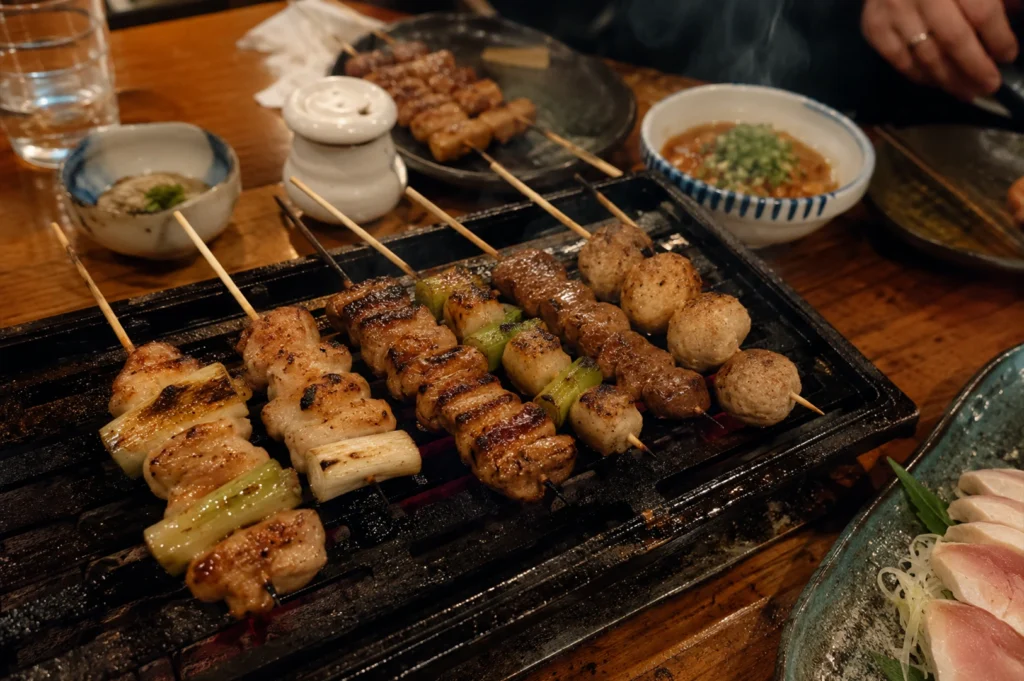
A basic yakitori recipe involves skewering pieces of chicken, vegetables, and sometimes even pork belly, before grilling them over hot charcoal. You’ll need bamboo skewers, which are traditionally used in yakitori grilling for their flexibility and ease of handling. Whether you prefer the rich flavor of teriyaki sauce or the simplicity of salt, there’s a yakitori variation for every palate.
Here’s a simple breakdown of what you’ll need:
- Chicken skewers (typically chicken thigh or chicken breast)
- Asparagus, shishito peppers, or green onions for the vegetables
- Soy sauce, mirin, sugar, sake, and ginger to create a perfect marinade or sauce
- A heating element or grill to cook everything to perfection
Once your skewers are ready, place them on a hot grill. Make sure you’re using medium heat to allow the ingredients to cook slowly and evenly. Grilled chicken, especially skinless chicken thighs, needs this slower approach to avoid drying out. You can brush the skewers with teriyaki sauce or extra sauce as they cook, but don’t overdo it, you want the sauce to reduce and thicken without overpowering the smoky flavor.
Bamboo Skewers: The Key to an Authentic Yakitori Experience
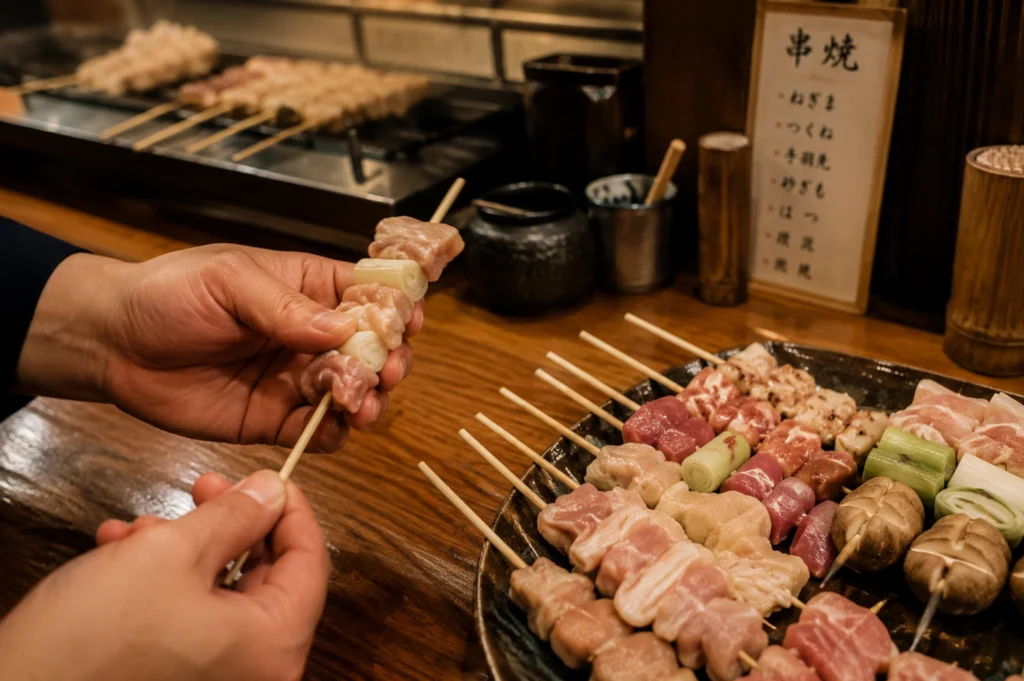
The type of skewer you use is an often-overlooked but crucial detail in the yakitori grilling process. Bamboo skewers are traditionally used in yakitori grilling due to their ability to hold the chicken pieces securely while still allowing for even cooking. They also help maintain the intensity of the smoky flavor as they don’t interfere with the heat distribution.
When preparing your skewers, be sure to thread the chicken skin and meat pieces carefully. Skewering at just the right distance ensures that the chicken breast or chicken thigh pieces cook properly without falling apart on the grill. Some chefs recommend alternating between green onions, mushrooms, and pieces of chicken to allow for a variety of textures and flavors in every bite. The smoky flavor from grilling is absorbed into the skewers, making each bite even more delicious.
Negima Yakitori: A Classic Chicken Skewer with a Twist
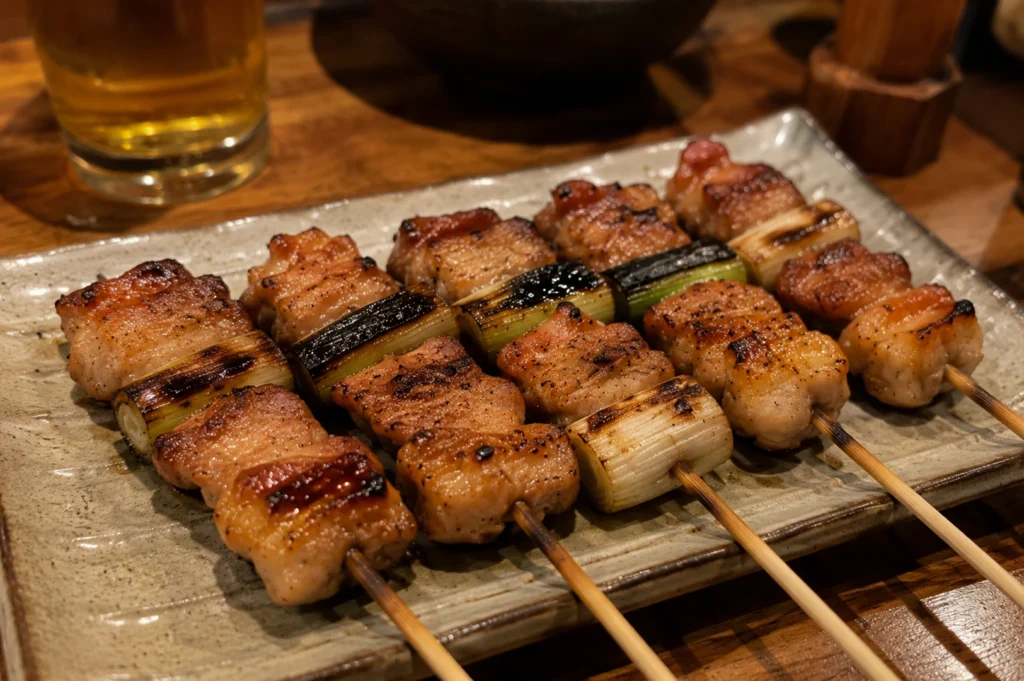
One of the most popular yakitori skewers is negima yakitori. This variety uses chicken thigh pieces paired with green onions on a skewer. The combination of juicy, tender chicken with the slightly sweet and savory flavor of the green onions is a signature in yakitori grilling. Negima yakitori is typically grilled over high heat, allowing the chicken to cook quickly while the onions get a nice char, adding a smoky flavor.
Negima yakitori is a staple in many yakitori bars in Japan and Singapore alike. If you’re grilling at home, it’s easy to replicate by alternating between chicken thigh and green onion on your bamboo skewers, then grilling them on medium-high heat until perfectly charred. Brush with your favorite sauce, and you’ll have an iconic yakitori dish that’s perfect for any meal.
The Role of White Charcoal in Achieving Smoky Perfection
If you’ve ever tasted authentic yakitori, you’ve probably noticed the unique flavor that sets it apart from regular grilled food. The secret to this flavor lies in the white charcoal, or binchōtan charcoal, traditionally used for yakitori grilling. White charcoal burns at an incredibly high heat without producing excessive smoke, giving your yakitori that distinct smoky flavor that enhances both the chicken and the vegetables.
As you grill your skewers, the intense heat from white charcoal ensures a crisp finish on chicken skin and pork belly while locking in the moisture inside. The result is a juicy skewer with just the right amount of crispiness from the skin and edges. You’ll want to make sure that your charcoal remains hot throughout the grilling process, as lower temperatures may not produce the same desirable results.
Sake and Teriyaki: Perfect Pairings for Your Yakitori Feast
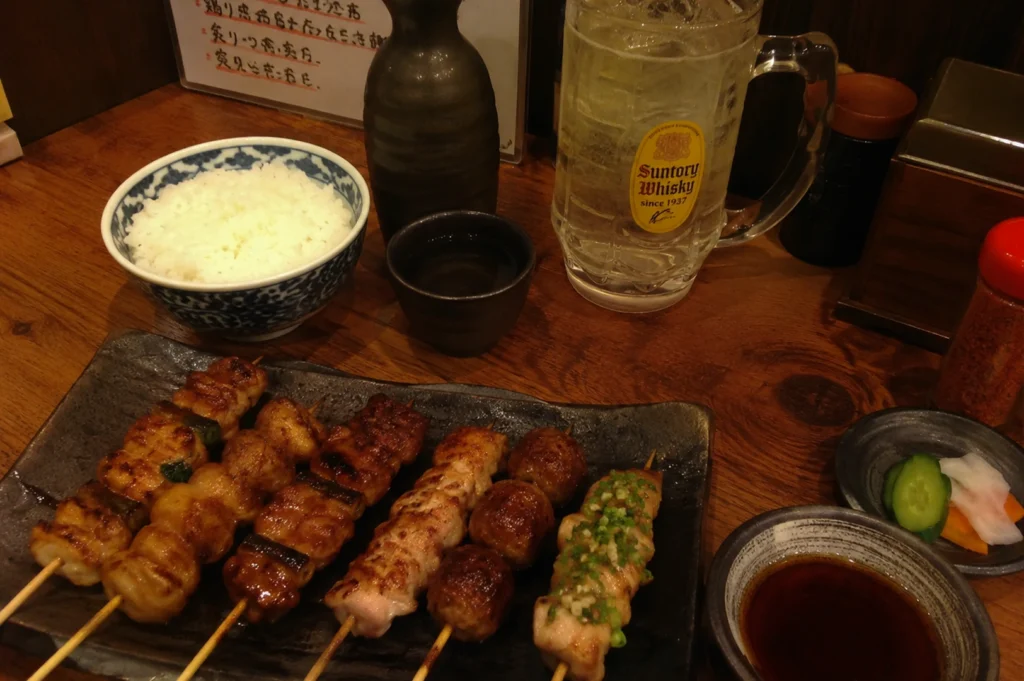
No yakitori grilling experience is complete without the right drink to complement the flavors. Sake, beer, or a classic highball are all excellent pairings for grilled foods. The subtle sweetness of teriyaki sauce pairs beautifully with the dryness of sake, while a highball can cut through the richness of the chicken skewers and pork belly.
In addition to the beverages, consider serving your yakitori with a few side dishes. Ginger, scallions, and garlic can help balance out the rich flavors of grilled chicken, while a small bowl of rice or pickled vegetables can complement the meal. And don’t forget to serve your yakitori with extra sauce on the side for dipping. It’s the perfect way to elevate each bite.
Comment Something: Yakitori Grilling Is About More Than Just Food
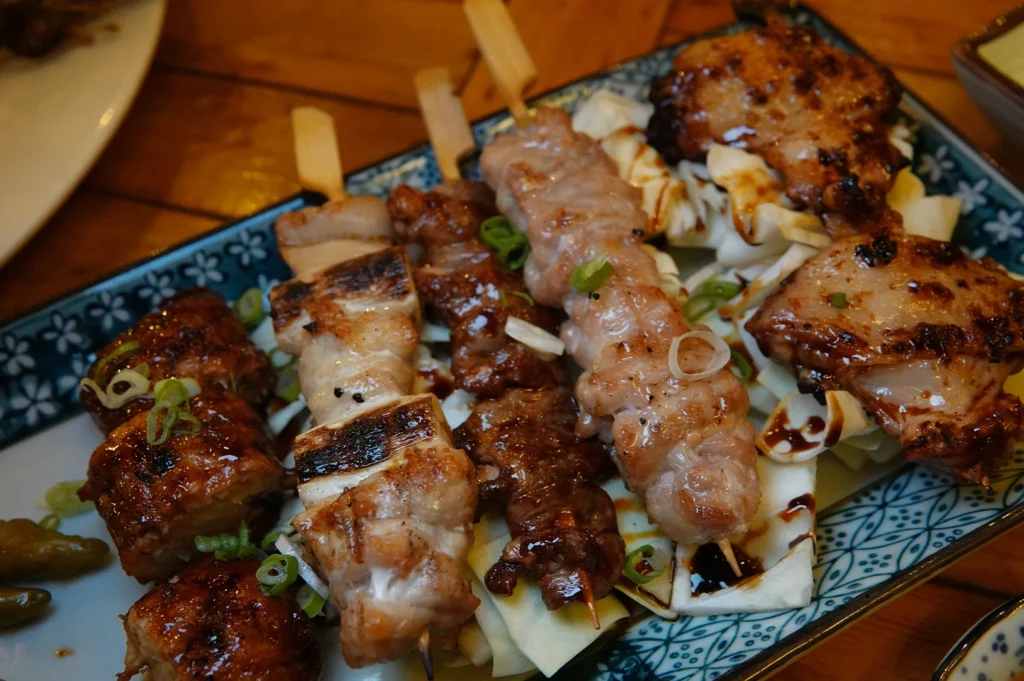
Yakitori grilling is more than just about cooking; it’s about creating an experience. It’s a social meal, best enjoyed with friends and loved ones. Whether you’re grilling chicken skewers at home or visiting a yakitori bar, this Japanese grilling method offers an opportunity to enjoy good food, good company, and a truly satisfying experience.
If you’ve tried grilling yakitori at home or have discovered an authentic yakitori in Singapore, comment something below to share your experience with us. We’d love to hear about your favorite yakitori spots or grilling tips. Yakitori grilling is about learning, sharing, and, most importantly, enjoying every bite.
Conclusion: Master the Art of Yakitori Grilling
Yakitori grilling is a skill that takes time to perfect but is well worth the effort. By understanding the right grilling techniques, knowing how to use white charcoal, and experimenting with different meats and vegetables, you can recreate the smoky, flavorful experience of yakitori right at home. Remember, practice makes perfect, so keep grilling, enjoy the process, and savor every delicious bite!
For those interested in exploring the best yakitori experiences beyond home grilling, check out our detailed guide on the The Best Yakitori in Singapore: Where to Savor Grilled Perfection for top restaurant recommendations.