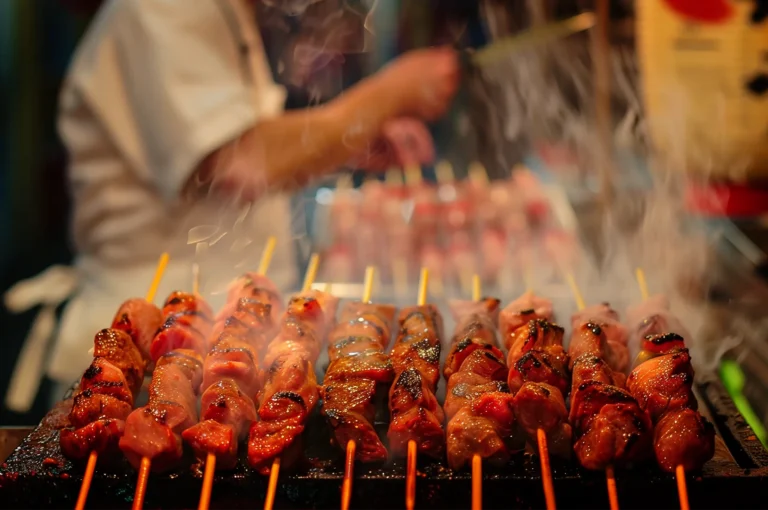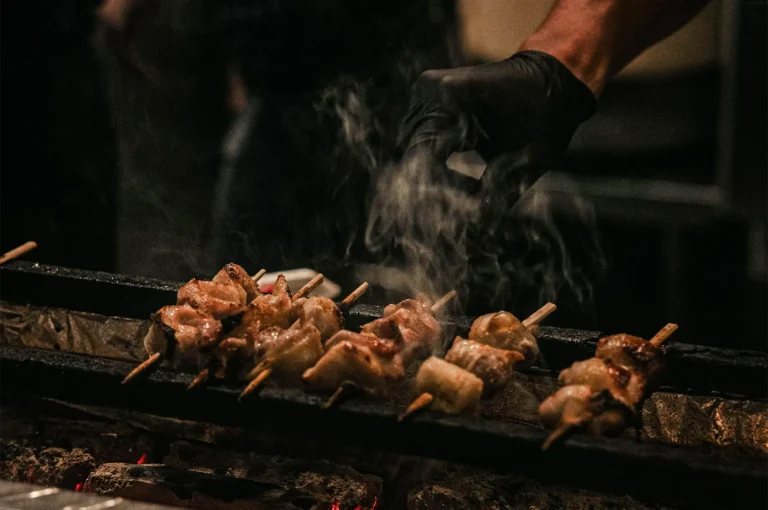

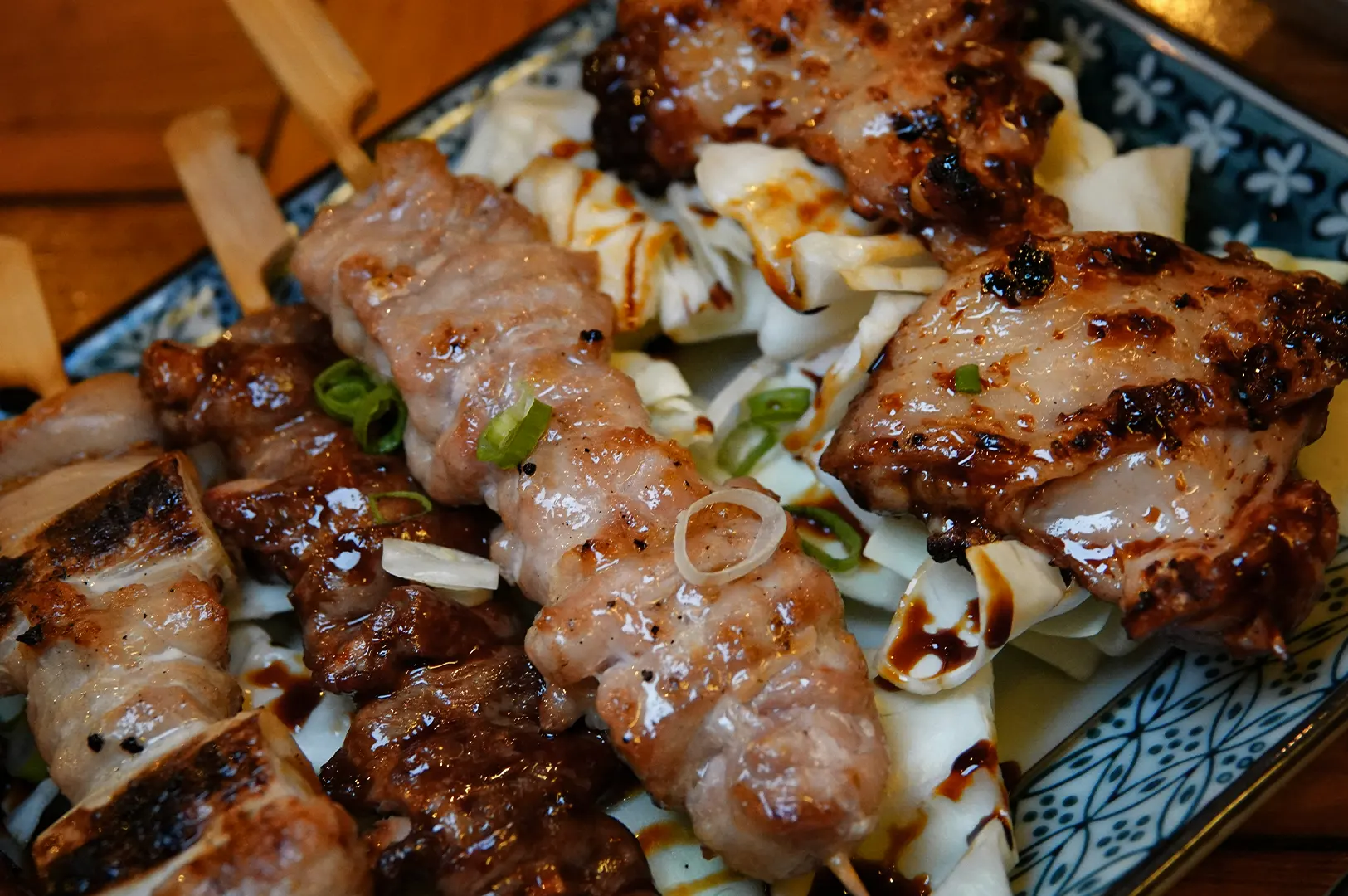
The first time I sat at a proper counter for yakitori grilling in Singapore, I ordered one salted chicken thigh and nothing else. My friend thought I was being difficult, but I had a reason. That single skewer of grilled chicken, seasoned with salt and cooked over charcoal, would tell me almost everything about the sourcing, handling, and confidence of the kitchen.
It passed. The chicken skin crackled, the fat rendered cleanly, and the meat stayed juicy without yakitori sauce, teriyaki sauce, or extra sauce to hide behind. That, to me, is the charcoal test. In a city that imports nearly all its food, the truth of yakitori lives in the journey from supplier to skewer, and in the calm hands of the person at the grill.
What Yakitori Grilling Reveals Before the First Bite
Many people think yakitori is simply chicken skewers on bamboo skewers, but yakitori japanese cooking is much more precise than that. Each chicken part has its own logic. A chicken thigh can handle high heat and a little char, while chicken breast and chicken tenderloin need gentler handling so they stay moist. Skinless chicken thighs are forgiving for beginners, but even skinless chicken can dry out if the cook time is careless.
Good yakitori restaurants understand chicken parts as individual ingredients, not interchangeable pieces of chicken. Fatty cuts want direct fire. Lean chicken pieces need timing. Chicken skin should become crisp, not greasy. Skewered chicken should taste like chicken first, whether it is seasoned with salt, basted with sauce, or served with shichimi togarashi on the side. This is where sourcing becomes part of the flavour, especially as more chefs think seriously about Hyperlocal Food Sourcing: The Rise of Restaurant Gardens, Urban Foraging, and Zero-Kilometer Ingredients and what “fresh” should mean in a modern restaurant kitchen.
In Singapore, sourcing, as Global Dining Trends has explained, is rarely about one romantic farm story. It is usually a chain of licensed importers, cold storage, butchers, and chefs. I have eaten excellent chicken from regional suppliers and disappointing dishes made with expensive imports. What matters most is freshness, careful handling, and whether the restaurant respects the ingredient before it reaches the heating element.
Chicken Skewers, Secret Cuts, and the Menu Map
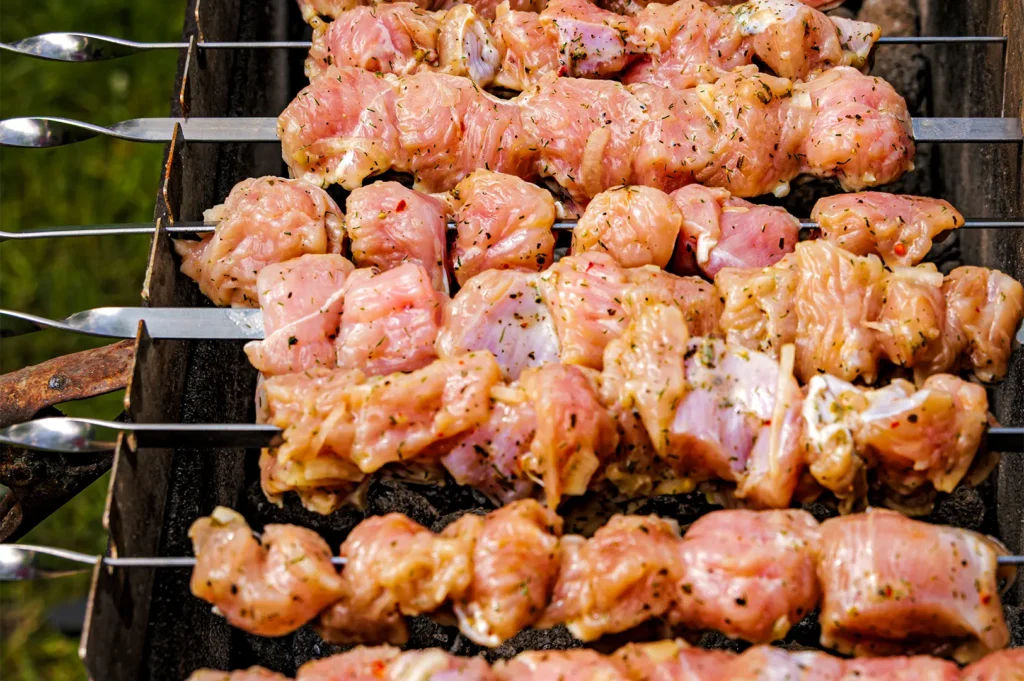
A yakitori menu becomes less intimidating once you group it properly. There are muscle cuts like chicken thigh, chicken breast, wing, and chicken tenderloin. There are texture cuts like chicken skin, cartilage, and gizzard. Then there are rich cuts like heart, liver, and meatballs, plus vegetables such as asparagus, shishito peppers, mushrooms, scallions, and green onion.
My favourite starting point is negima yakitori, where chicken pieces are threaded with spring onion or green onion. The vegetables soften over charcoal, becoming sweet and smoky while the meat stays savoury. It is a simple skewer, but it shows balance. If the chicken is juicy and the onion is not burnt, the chef probably knows what they are doing.
Many Singapore menus also include pork, bacon-wrapped vegetables, seafood, rice, and other ingredients. That does not make the meal less Japanese; it reflects how Japanese cuisine travels and adapts. Still, if you want to judge the kitchen clearly, begin with chicken. Order a few skewers, eat them hot, and resist the urge to order all the skewers at once.
Salt, Smoke, and the Truth Behind Yakitori Sauce
For years, I assumed tare was always better because it tasted richer and sweet. Then I learned that salt is the more honest test. Salt hides nothing. If the meat is fresh and the grill is controlled, a salted skewer tastes clean, savoury, and direct. If the chicken is tired, salt exposes it immediately.
That does not mean sauce is inferior. A good yakitori sauce is beautiful when used properly. At home, a basic yakitori recipe might begin with sauce ingredients like soy sauce, mirin, sake, sugar, ginger, and garlic. You combine them in a small bowl or small saucepan, bring the mixture to a boil, then simmer over low heat until the sauce reduces into a glossy, thicker sauce.
On the grill, the chef will baste the skewers with a clean brush, turn them, then add more sauce as the flavour builds. Some kitchens keep reserved sauce for finishing, while others offer additional sauce only when needed. The warning sign is when every skewer tastes identical. Tare should deepen the chicken, not erase it.
The Skewered Chicken Ritual: Ordering One Round at a Time
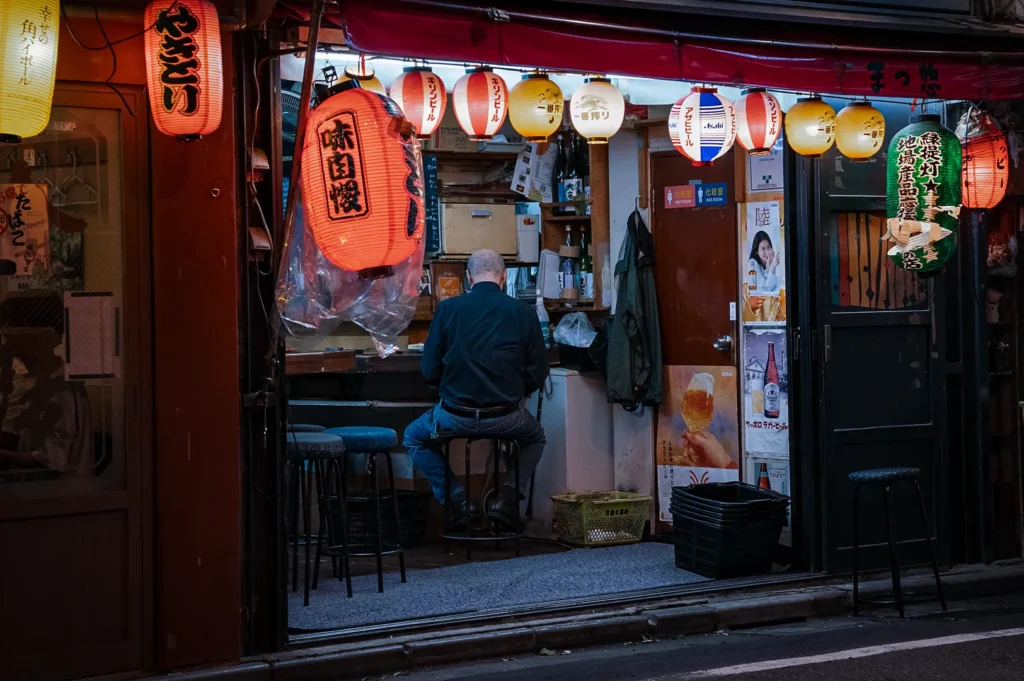
Start small. Four to six skewers per person is usually enough for the first round. Begin with one salted skewer, ideally thigh or wing, then move into sauce-based items. If you are at the counter, watch the chef’s preferred method. Some cuts sit close to the charcoal, while others are moved to a cooler zone so they can be cooked gently.
The best yakitori is about timing. Serve immediately is not just a kitchen instruction; it is the whole philosophy. A skewer left sitting too long loses its texture, heat, and charm. That is why ordering in rounds is better than filling the table at once. Hot yakitori should be eaten when the chef gives it to you, not after a long photo session.
If you are curious, ask one polite question. “Which cut best shows the charcoal flavour?” works better than interrogating the chef about suppliers. Good kitchens are usually happy to explain what they are proud of, especially when guests show genuine interest in the food.
A Yakitori Recipe for Understanding the Grill
You can make a simple version at home, even without binchotan charcoal. Soak bamboo skewers, cut skinless chicken thighs or chicken breast into even chicken pieces, and thread them with scallions or asparagus. Place them on a wire rack over a baking sheet if using an oven, or prepare an outdoor grill with cooking spray to prevent sticking.
Like I have mentioned before, for sauce, combine soy sauce, mirin, sake, sugar, ginger, and garlic in a small saucepan. Bring it to a boil, then simmer until the sauce reduces. Keep some reserved sauce aside for finishing, and use a clean brush to baste during cooking. If using an oven, keep the skewers near the heating element; if using a grill, cook over medium high heat until the meat is cooked through and lightly charred.
It will not taste exactly like restaurant yakitori, but the recipe teaches you respect. You learn how quickly chicken tenderloin dries out, how chicken skin needs patience, and how more sauce is not always the answer. Serve with rice, shishito peppers, or a simple side dish, and eat while everything is still hot.
When Grilled Chicken Gets Lost in the Smoke
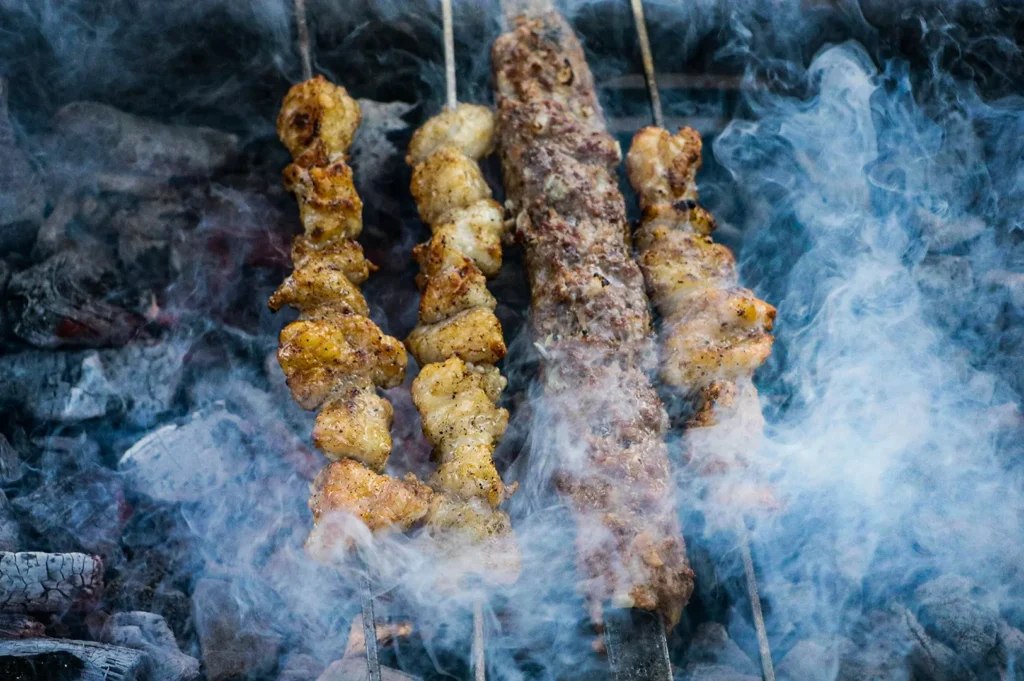
The first mistake is treating tare like bottled teriyaki sauce. They may share similar sauce ingredients, but tare is layered slowly through heat, smoke, and repetition. The second mistake is drowning everything in shichimi togarashi before tasting it. Spice should support the flavour, not cover it.
Another mistake is assuming smoke always means quality. Great charcoal cooking smells clean and savoury, not acrid. Heavy smoke can mean dripping fat, poor fire control, or a grill that is too aggressive. Good yakitori has restraint. The fat renders, the meat stays juicy, and the seasoning feels intentional.
In Singapore, diners should also remember that many yakitori restaurants are not halal. Even when the main item is chicken, the kitchen may use pork, bacon, mirin, sake, or shared equipment. If dietary requirements matter, check carefully before you eat rather than assuming.
The Final Chicken Thigh That Tells the Whole Story
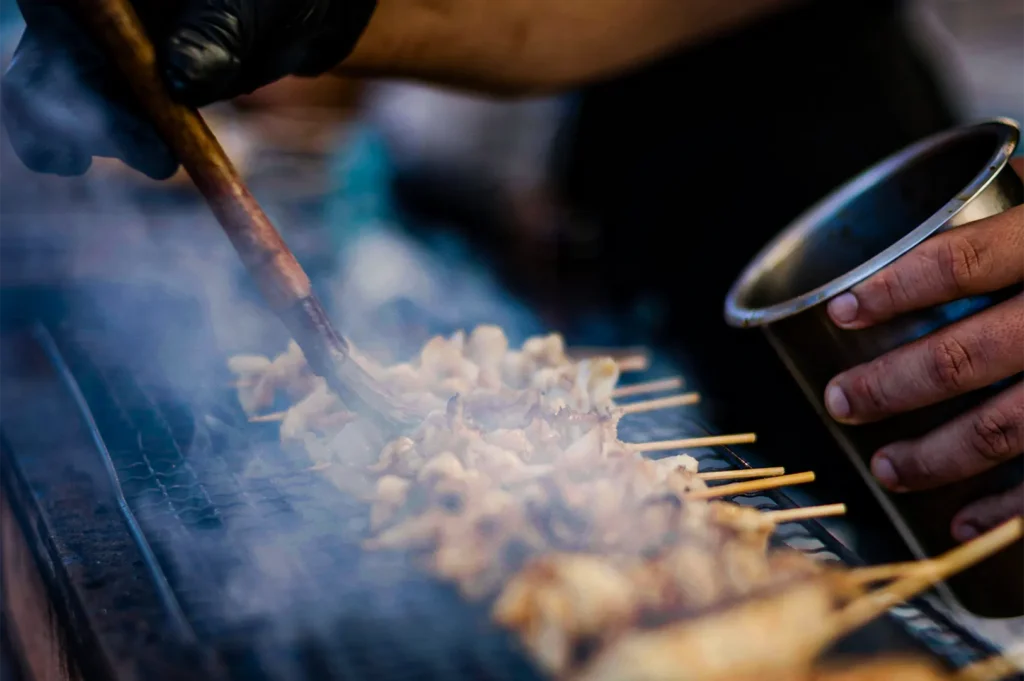
Yakitori sourcing in Singapore is not only about whether the chicken came from Japan. It is about how the ingredient survived transport, storage, cutting, skewering, and fire. A good chef can make a simple piece of chicken taste focused, generous, and quietly memorable.
So the next time you sit at a counter, order one salted skewer first. Let the charcoal speak before the sauce does. If it passes the test, stay for another round, try the vegetables, explore the dishes, and let the meal unfold one skewer at a time.