
Ordering from a yakitori menu can feel simple at first. You see chicken skewers, salt, sauce, and a list of Japanese names. Then the questions begin. What is momo? Is kawa too rich? Should you choose shio or tare? How many skewers make a proper meal?
At Best Yakitori Singapore, the belief is that the best way to enjoy yakitori is not to memorize every word before sitting down. Instead, it comes down to understanding the rhythm of the meal, the two types of seasoning, and how different cuts of chicken develop over charcoal.
Once you know the basics, a yakitori restaurant becomes much easier to read.
What Yakitori Refers To
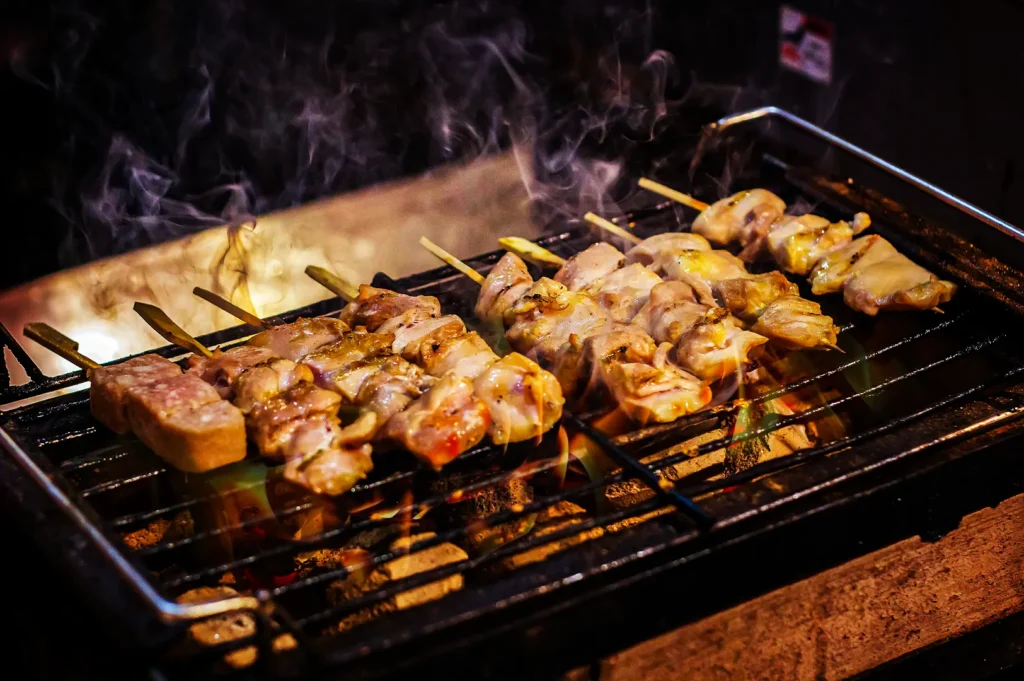
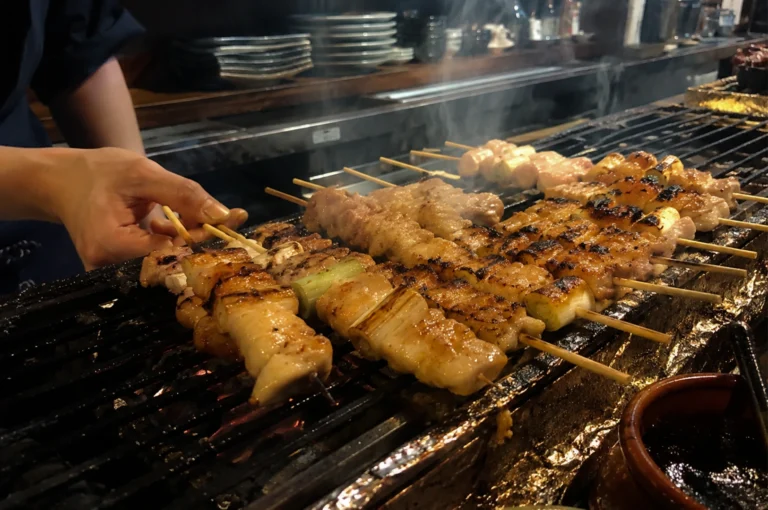
Yakitori refers to Japanese grilled chicken served on a skewer. In Japan, it is often cooked over charcoal, especially binchotan, which gives the meat a clean heat and delicate smoky flavor. Traditional yatai, or street food stalls, helped make yakitori popular, but today it is served everywhere from Tokyo counters to refined restaurants in Singapore.
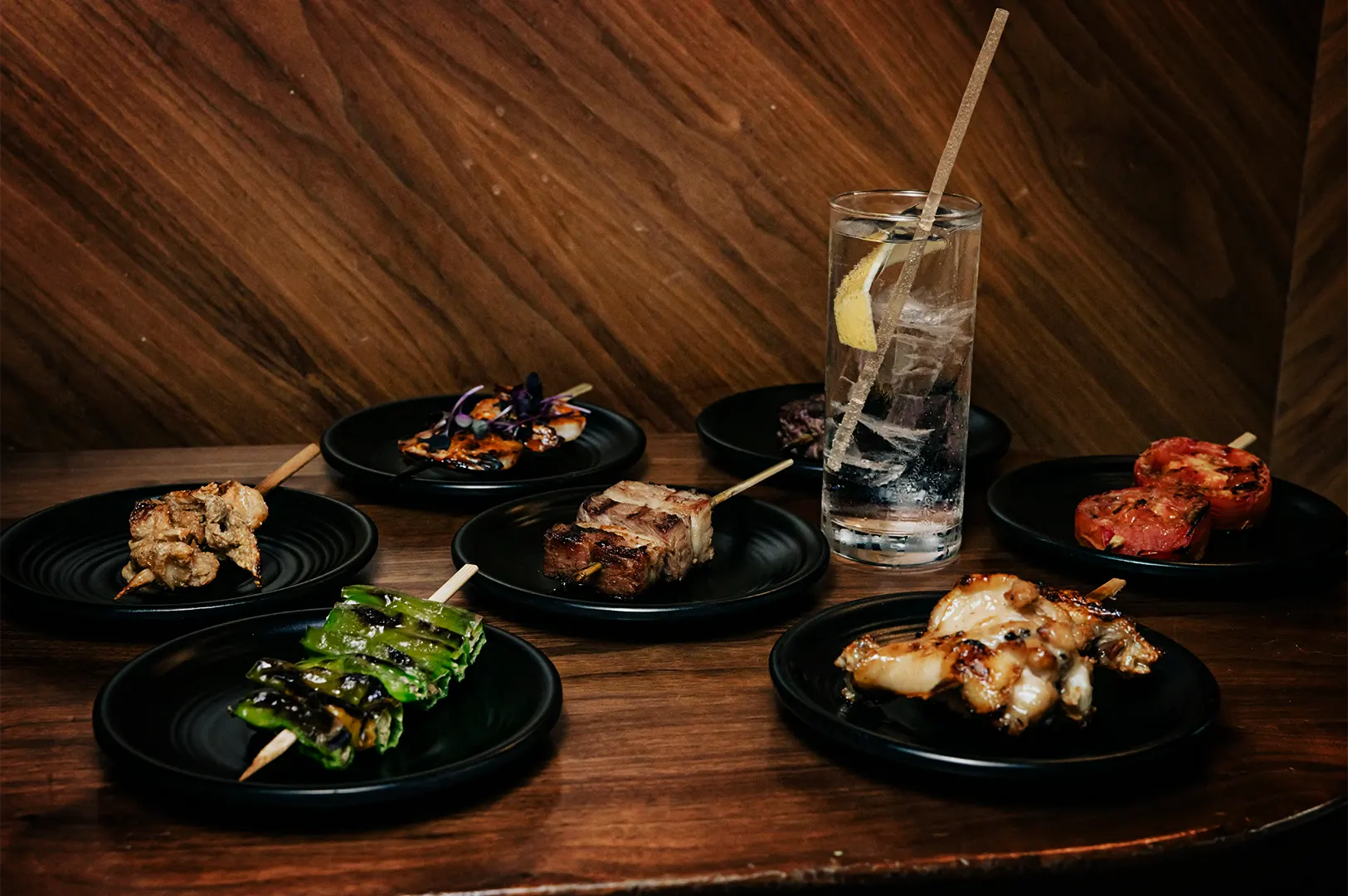
The word is often used broadly outside Japan. Some menus include pork, vegetables, asparagus wrapped in meat, quail egg, or other grilled dishes on a stick. These can still be delicious, but the heart of yakitori is chicken.
At a proper yakitori restaurant, almost every part of the chicken can be used. Thigh, breast, skin, liver, gizzard, cartilage, and tail may all appear on the menu. This is part of what makes the meal interesting. Instead of one large serving of protein, you eat bite sized pieces, each cooked to show a different texture and flavor.
Start with the Basic Menu Terms
A yakitori menu becomes easier once you recognize the common names. You do not need to order everything. Start with familiar cuts, then add one or two adventurous skewers.
Here are useful terms to know:
- Momo: chicken thigh, usually juicy, tender, and forgiving for beginners
- Negima: chicken thigh or breast with spring onion between the pieces
- Tsukune: minced chicken meatball, often served with tare or egg yolk
- Kawa: chicken skin, grilled until crispy or lightly chewy
- Reba: liver, rich and soft when cooked carefully
- Sunagimo: gizzard, firm with a crunchy texture
- Nankotsu: cartilage, crisp and light
- Bonjiri: chicken tail, fatty and deeply flavorful
If it is your first time, momo, negima, tsukune, and kawa are good starting points. They show how different the same chicken can taste depending on preparation, seasoning, and high heat.
Understand Shio and Tare
Most yakitori menus offer two types of seasoning: shio and tare.
- Shio means salt. It is the cleaner, lighter choice. With shio, the chef relies on the quality of the chicken, the charcoal, and careful cooking. It works well for chicken thigh, gizzard, cartilage, and other cuts where texture matters. Salt lets you taste the meat directly.
- Tare is sauce. It is usually made with ingredients such as soy sauce, mirin, sake, and sugar. As the skewer is grilled, the sauce caramelizes and creates a glossy layer of sweet, savory flavor. Tare is often delicious on tsukune, liver, and richer chicken skewers.
There is no single preferred method for every diner. Some customers like shio because it feels pure and light. Others prefer tare because it is packed with umami and makes each skewer feel more complete.
A balanced order usually includes both.
How Many Skewers Should You Order?
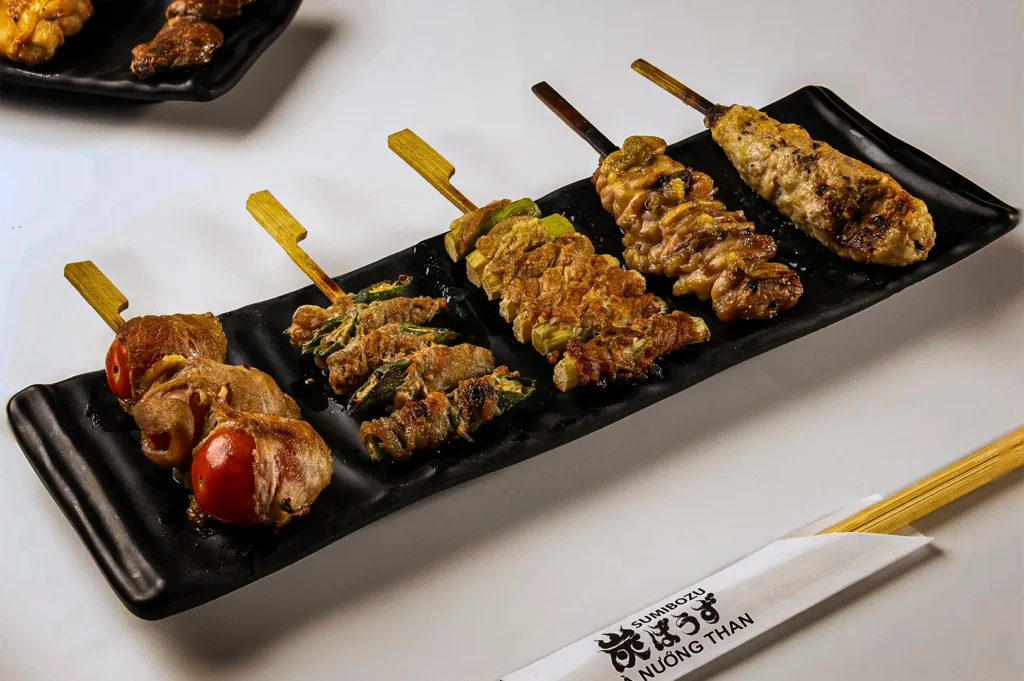
A common beginner mistake is ordering too much too early. Yakitori is best when it arrives hot from the grill, not when several skewers sit cooling on the table.
For one person, start with five to seven skewers if you are having sides or rice. If yakitori is the main meal, eight to ten skewers may be more satisfying. For two diners, order in rounds. Begin with six to eight skewers across different cuts, then add more based on appetite.
Build a Balanced First Order
A good yakitori meal has contrast. You want different textures, seasoning styles, and levels of richness. Instead of choosing only chicken thigh or only sauce-heavy skewers, think of the order like a small tasting menu.
- Start with something clean. Momo or negima with salt is a gentle opening. The chicken is familiar, and the flavor is easy to enjoy.
- Add something with texture. Chicken skin, gizzard, or cartilage gives the meal movement. Kawa can be crispy when grilled well, while gizzard has a firm, crunchy texture that many diners grow to love.
- Choose one tare skewer. Tsukune is a strong option. The minced chicken is soft, savory, and often brushed with sauce. Some restaurants serve it with egg yolk, which makes the dish richer.
- Add vegetables. Asparagus, mushrooms, peppers, or onions bring lightness to the meal. They also help balance oil, sauce, and fatty cuts.
- Finish with a favorite. After the first round, repeat the skewer you liked most. Yakitori does not have to be complicated. Sometimes the best final order is one more momo or kawa cooked to perfection.
What to Expect at a Yakitori Restaurant
A yakitori restaurant usually moves at the rhythm of the grill. The chef may cook each skewer in small batches, adjusting position over the charcoal. Some skewers need direct high heat. Others need a gentler zone so the meat stays moist while the skin crisps. This is different from using a broiler or a simple heating element at home. Charcoal creates radiant heat, and skilled chefs know when to turn, salt, brush sauce, or move each skewer away from the hottest point.
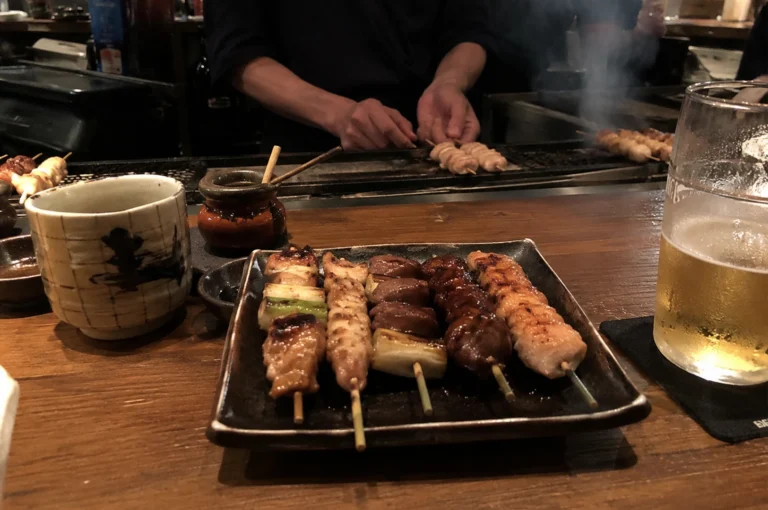
If you sit at the counter, you may see the preparation clearly. Thin pieces of meat are threaded onto each stick. Chicken skin may be folded tightly. Tsukune may be shaped by hand. Vegetables are cut into bite sized pieces so they cook evenly. The process looks simple, but the quality depends on timing.
What to Drink With Yakitori
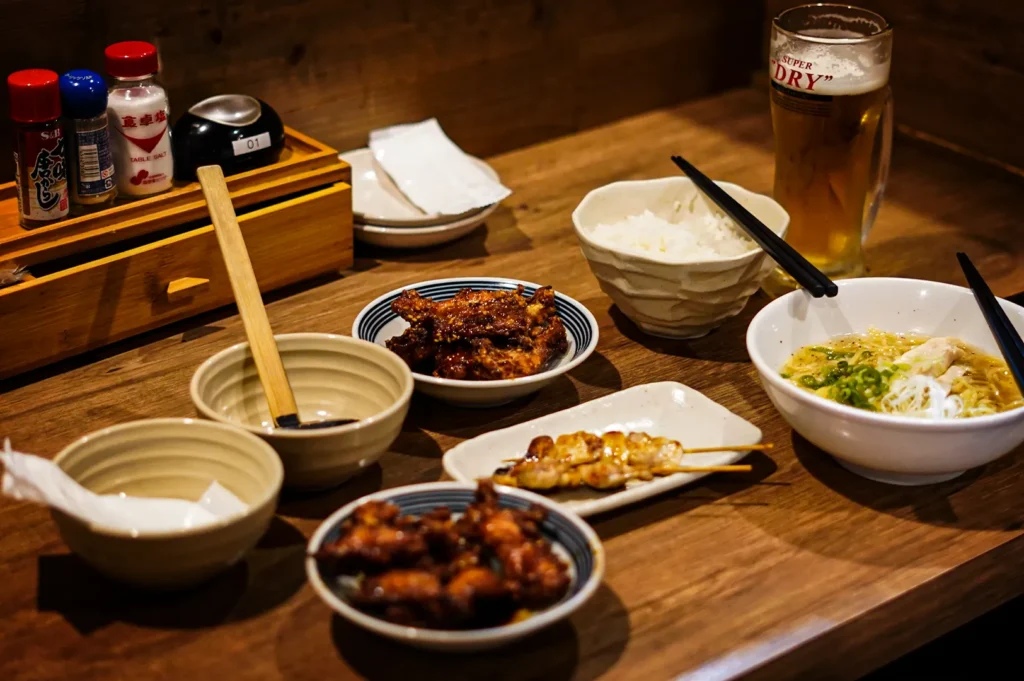
Yakitori is made for relaxed drinking, though alcohol is not required.
Beer is a classic pairing because it cuts through salt, oil, and crispy skin. Sake pairs beautifully with tare, liver, and tsukune because it enhances deeper flavors without overwhelming the dish. For a lighter meal, green tea or sparkling water also works. The goal is to keep your palate fresh between skewers.
If you are dining with guests, order slowly and share. Yakitori is one of those foods that invites comment after each skewer. Someone may love the crunch of gizzard. Someone else may prefer the juicy softness of a chicken thigh. The table becomes part of the experience.
Common Mistakes to Avoid When Ordering Japanese Chicken Skewers
When ordering yakitori, awareness of common pitfalls can help you enjoy a more balanced, satisfying meal.
Here are some mistakes many suggest you avoid:
- The first mistake is ordering only familiar cuts. Chicken thigh is delicious, but the world of yakitori opens up when you try skin, tail, liver, or cartilage.
- The second mistake is choosing only tare. Sauce is comforting, but too much can make the meal feel heavy. Add shio skewers to keep the flavors clear.
- The third mistake is rushing. Yakitori is not fast food, even when the serving size is small. Let each skewer arrive, eat it while hot, then decide what comes next.
- The fourth mistake is ignoring vegetables or rice. A little rice, asparagus, or a light side dish can make the meal feel more balanced, especially if you are ordering rich meat and crispy skin.
Ordering Great Food from the Yakitori Menu with More Confidence
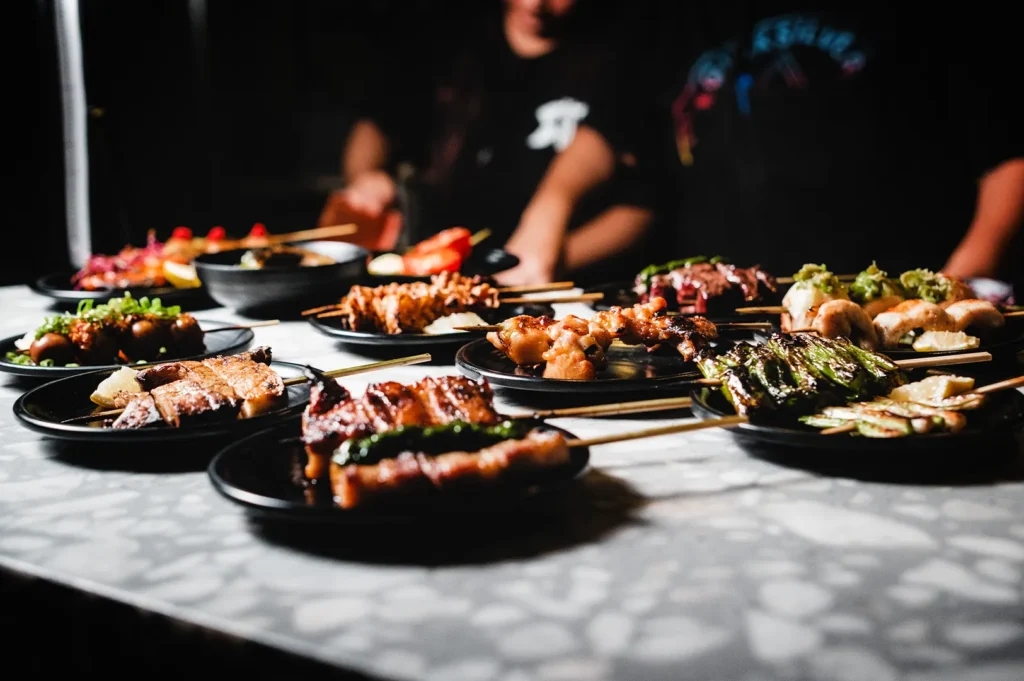
A yakitori menu should feel inviting, not intimidating. Begin with the cuts you know, add one new skewer, and notice what you enjoy. Some diners return for tare-glazed tsukune. Others look for the crispy edge of kawa, the clean flavor of momo, or the snap of gizzard.
In Singapore, yakitori continues to grow through specialty restaurants, casual outlets, and intimate counters that take Japanese grilling seriously. Whether the restaurant is located in Orchard, Cuppage, Tanjong Pagar, or another dining pocket, the same rule applies: order with curiosity, eat while hot, and let the next skewer guide the meal.
The next great food memory may begin with a simple yakitori menu in Singapore.
Frequently Asked Questions
What makes chicken thigh a popular choice on the yakitori menu?
Chicken thigh is juicy and tender, making it a favorite for beginners. Many yakitori restaurants sell skewers made from this cut. When you post a review, mentioning chicken thigh often highlights the meal’s quality.
How is chicken skin prepared in yakitori, and why is it special?
Chicken skin is grilled until crispy or chewy, offering a unique texture. Some places have limited portions daily, making it a sought-after item for those who enjoy its rich flavor.
Can I order a balanced yakitori meal that includes both chicken thigh and chicken skin?
Yes, combining chicken thigh’s tenderness with crispy chicken thighs creates a balanced meal. Many couples, including wives who enjoy Japanese food, find this combo satisfying.
What are the differences between shio and tare seasoning on yakitori?
Shio is a simple salt seasoning that highlights the chicken’s natural flavour, while tare is a sweet and savory sauce made from soy sauce, mirin, sake, and sugar.
Are non-chicken skewers available on yakitori menus?
Yes, many yakitori restaurants also offer non-chicken options such as shishito peppers, cherry tomatoes, and mushrooms wrapped in bacon. These add variety and balance to your meal.