
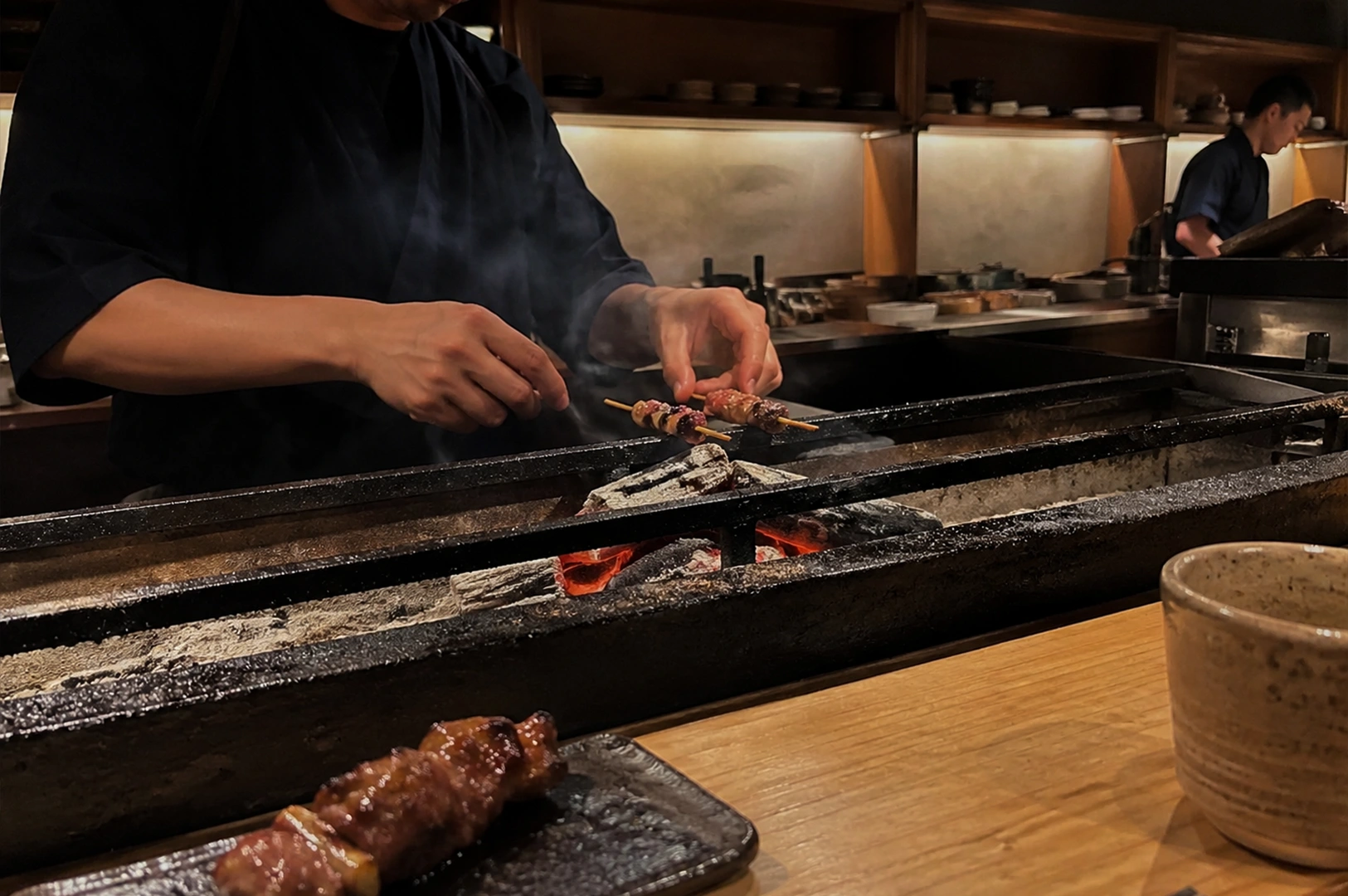
There is a quiet rhythm to yakitori omakase that reveals itself only when one slows down enough to notice. The glow of charcoal settles, the head chef adjusts his stance, and without announcement, the experience begins. Each movement feels measured, each skewer guided with intention.
Derived from the Japanese word “omakase,” meaning to entrust, yakitori omakase is built on a simple dining philosophy: the guest places trust in the chef, and in return, receives a carefully structured sequence of grilled chicken skewers. It is not about abundance or variety. It is about timing, balance, and refined artistry.
In Singapore, this format has quietly taken root, drawing influence from Tokyo while embracing contemporary elements that reflect the city’s evolving food culture. The refined and unpretentious nature of this dining style is captured well in a non-influencer’s guide to the best Singapore omakase, which highlights the subtle artistry and quiet confidence that define the experience.
Lunch Omakase: A Gentle Introduction to Yakitori
For those encountering this style for the first time, lunch omakase often offers a more approachable pace. Many counters in Singapore provide lunch omakase starting menus, allowing diners to experience the craft of yakitori grilling within a shorter window of time.
Even within this condensed format, the essence remains unchanged. Skewers are still served one at a time, each piece arriving at its ideal moment. The chef continues to guide the sequence, ensuring the palate moves naturally from lighter cuts to richer ones.
What becomes apparent, even during lunch, is the quiet commitment to quality. Whether it is a tender thigh or a delicate portion of breast, each skewer reflects a careful balance between heat and restraint.
Yakitori Grilling Meets Precision and Control
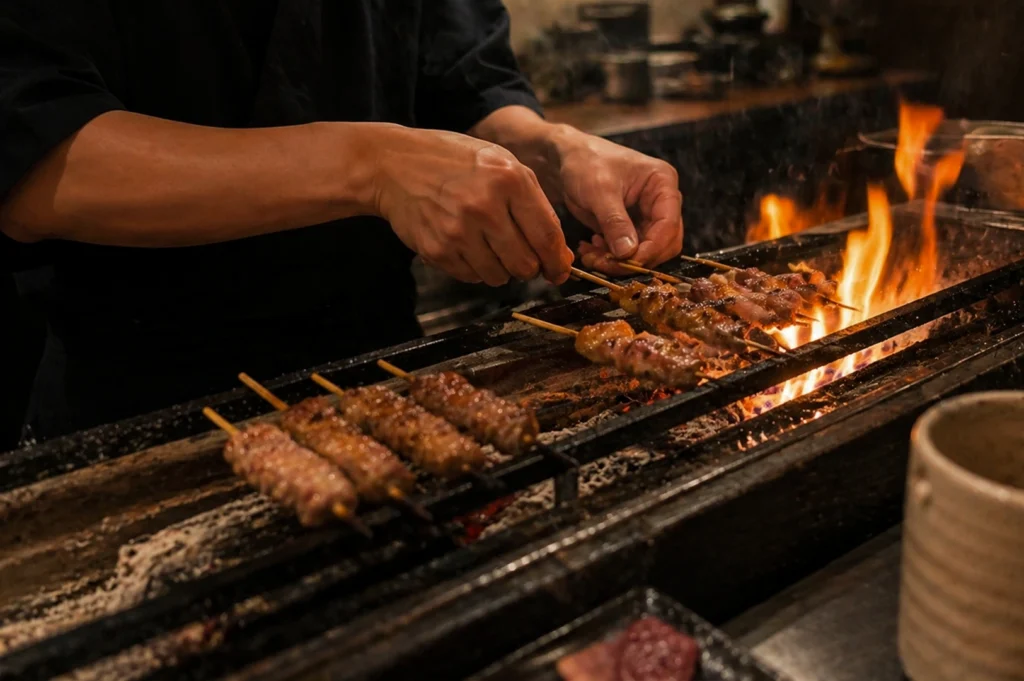
At the center of yakitori omakase is the act of grilling itself. Yakitori grilling meets a level of precision that can easily go unnoticed unless one pays close attention.
Different chicken parts, from thigh to wing, from skin to more intricate cuts, require subtle adjustments in heat. The charcoal produces steady, high temperatures, but it is the control of that heat that defines the outcome.
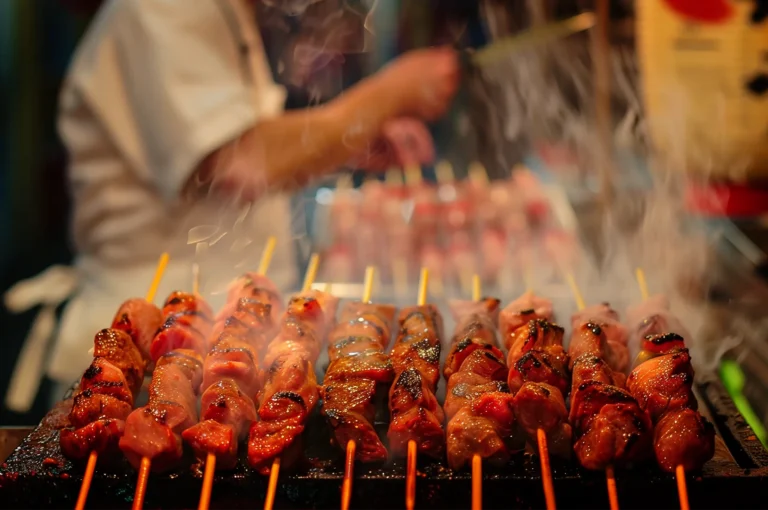
This is where fiery mastery becomes visible. The chef shifts skewers across the grill, moving them between zones of high and moderate heat to ensure each piece is cooked evenly. Fat renders slowly, edges crisp without burning, and the natural flavor of the meat is allowed to come forward. Nothing is rushed. Each step is supported by years, often a decade or more, of accumulated experience.
Tanjong Pagar: The Heart of Yakitori Omakase in Singapore
Within Tanjong Pagar, yakitori omakase has found a natural setting. The area’s concentration of Japanese restaurants creates an environment where craft and tradition are quietly respected.
Many counters here are helmed by chefs who have spent significant time refining their technique. Some bring experience shaped in Japan, while others contribute to a uniquely Singaporean interpretation of yakitori.
Across these spaces, there is a shared understanding:
- The focus remains on yakitori
- The sequence is intentional
- The experience is built around trust
Names connected to the broader Japanese dining scene, such as chef desmond fong, chef shyong, or kitchens like sushi yujo, reflect how deeply this approach has integrated into Singapore’s culinary landscape.
Sapoto Experience: A Reflection of Yakitori Omakase in Practice
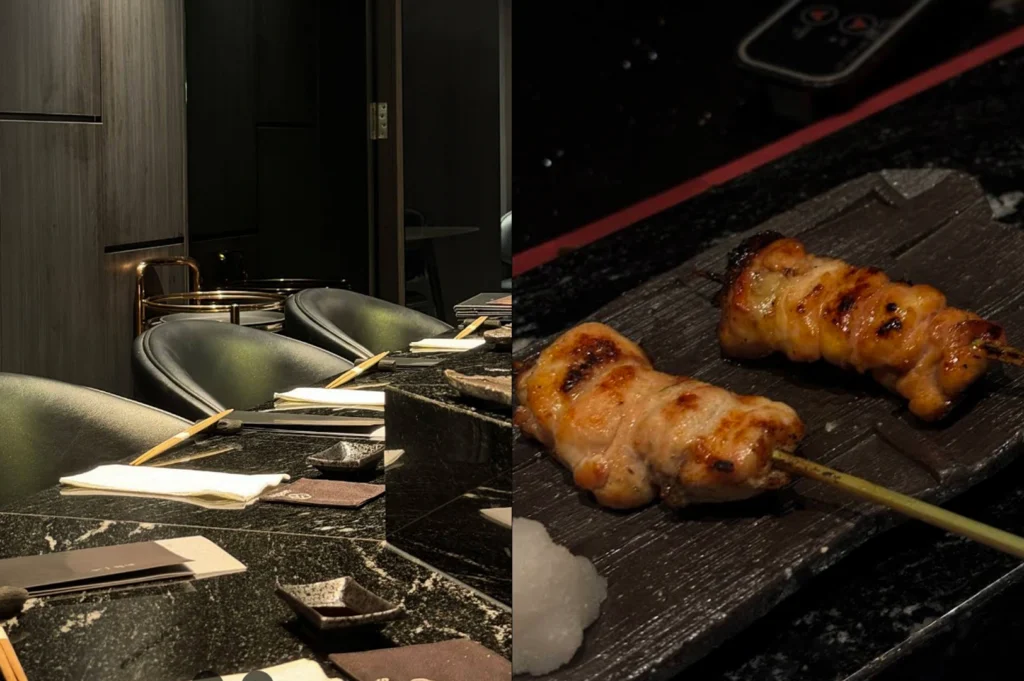
The Sapoto experience offers a clear expression of what yakitori omakase can become in Singapore. It is a place where yakitori grilling meets thoughtful sequencing, where each dish is part of a larger narrative.
Sapoto embodies a careful balance between tradition and contemporary elements. The owner and team maintain a strong commitment to staying true to the foundations of yakitori, while allowing subtle evolution to take place.
Each skewer serves a purpose within the sequence:
- Lighter cuts prepare the palate
- Richer pieces follow gradually
- Small variations introduce quiet surprise
The progression is not dramatic, but it is deliberate. It celebrates harmony—between cuts, between textures, and between the chef and the guest.
The Role of the Head Chef in Yakitori Omakase
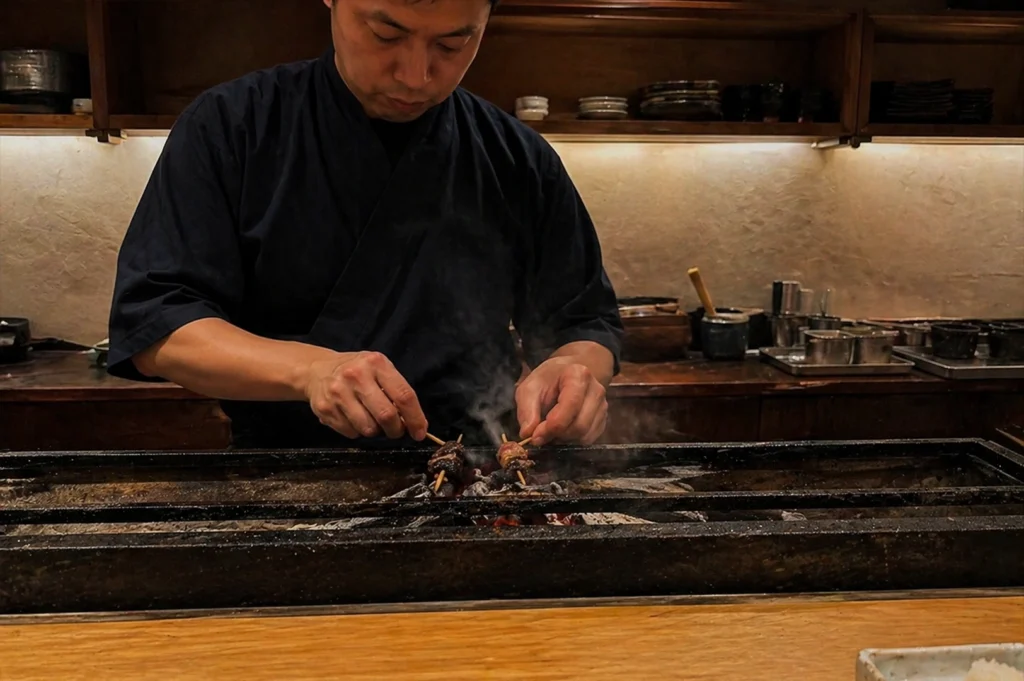
In yakitori omakase, the head chef is not only responsible for cooking, but for shaping the entire experience.
From the kitchen to the counter, every detail is considered:
- Which cuts to present
- When to introduce richer flavors
- How to maintain balance across the meal
The chef works in close coordination with the team, ensuring that each skewer arrives at the right moment. Timing is essential. A delay of even a few seconds can affect texture, temperature, and overall taste. This level of attention reflects a deeper form of artistry, one that is quiet, disciplined, and deeply intentional.
A Moment at the Counter
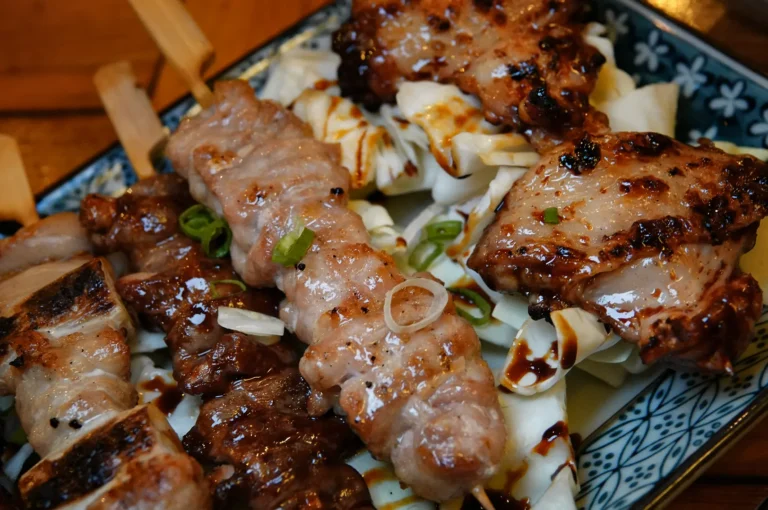
There is a moment that often lingers, long after the meal has ended. A skewer is placed gently in front of the diner. It is still hot, carrying the faint scent of charcoal. The surface glistens slightly, not from heavy sauce, but from the natural oils of the meat.
The first bite reveals something subtle. Not intensity, but clarity. The grilled chicken, perhaps a simple thigh, offers a balance of crispness and tenderness. The flavor unfolds gradually, supported by careful seasoning and precise cooking. Around the counter, the pace slows. Conversations soften. The focus shifts inward. It becomes clear that yakitori omakase is not designed to impress loudly. It is designed to be noticed quietly—an experience that even thoughtful food guides like Rubbish Eat Rubbish Grow have highlighted for its refined and unpretentious approach to Japanese dining.
Why Yakitori Omakase Continues to Evolve in Singapore
Yakitori omakase continues to grow in Singapore because it offers something increasingly rare: a dining experience shaped by restraint. It does not rely on excess. It does not compete on variety.
Instead, it invites attention to detail:
- The way heat is managed
- The way each skewer is presented
- The way the meal unfolds over time
From influences rooted in Tokyo to interpretations shaped by local chefs, the scene reflects a balance between heritage and evolution. It is a space where food, art, and technique come together with quiet confidence.
A Closing Reflection on Yakitori Omakase
At its core, yakitori omakase is about trust.
Trust in the chef. Trust in the process. Trust in the idea that something simple, grilled chicken over charcoal, can become something deeply meaningful when approached with care.
It is a practice shaped by tradition, refined through experience, and expressed through small, precise gestures. And at the counter, as the final skewer is served, there is often no need for explanation. The experience has already spoken.
To personally experience the exquisite art of yakitori omakase, check out Torikami Singapore and indulge in their premium yakitori offerings that truly showcase this culinary craft.