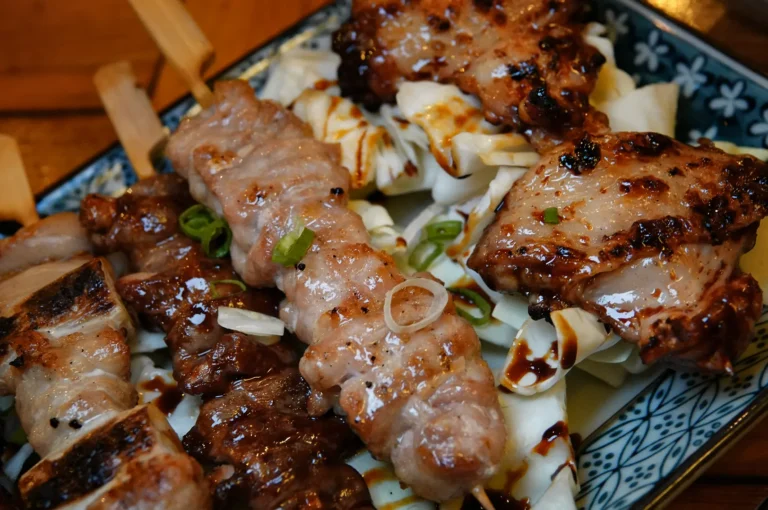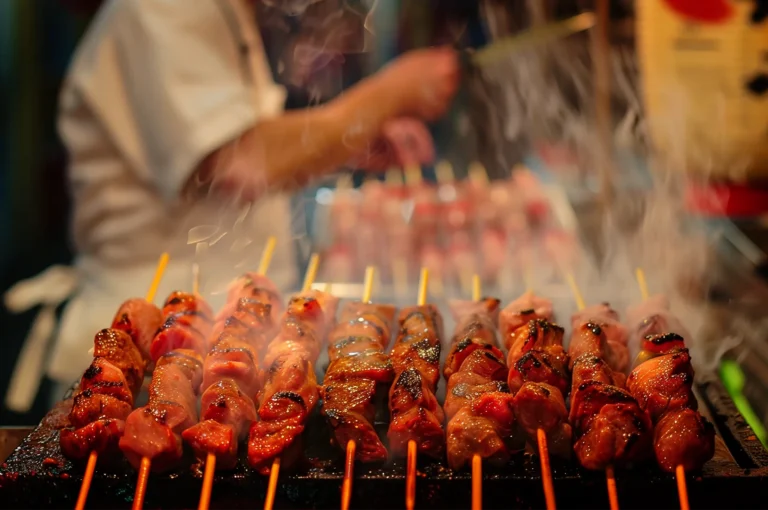

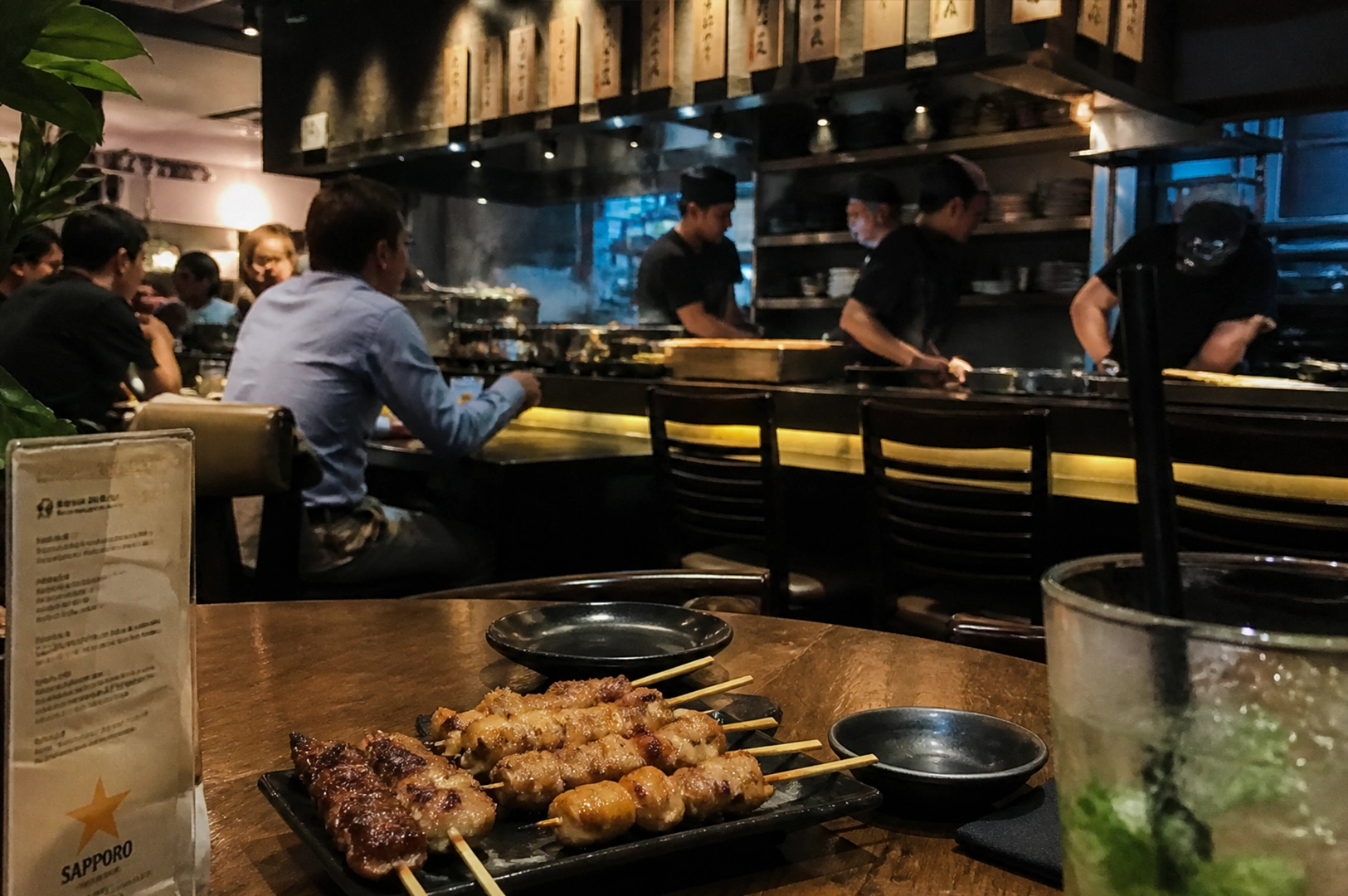
Among restaurants in CBD, certain places feel chosen rather than selected. The CBD is home to a variety of eateries offering diverse cuisines, making it a vibrant destination for food lovers. A cbd restaurant does not need to announce itself loudly at the end of a workday. It only needs to feel right. Yakitori Singapore belongs to this category of dining. It fits without explanation.
In the central business district, lunch and dinner are separated by more than time. Lunch is functional. Lunchtime meals are eaten quickly, often standing or glancing at a screen. Many CBD restaurants cater to office workers seeking convenient dining options.
Some eateries, especially the first outlet of popular chains, become packed during peak hours, creating a lively and bustling atmosphere. Yakitori Singapore is not just a meal; it is an experience. CBD restaurants often provide unique dining experiences that reflect the area’s cultural diversity.
Grilled Chicken as an Evening Language
Grilled chicken has a way of calming a room. The smoky flavor rising from a grill softens the edge of a long day. Among all forms of cooking, grilled chicken feels especially suited to dinner in the CBD. It is familiar without being dull. It is comforting without being heavy.
Yakitori relies on grilled chicken cooked over a heating element that demands attention. High heat seals the surface quickly, keeping the meat tender inside. The preferred method for authentic yakitori is to cook chicken skewers over a charcoal fire and season them with tare sauce or salt, which brings out the best flavor and texture. Whether it is chicken breast or chicken thigh, the result is well seasoned, lightly charred, and deeply satisfying. This style of cooking rewards patience rather than speed.
Chicken Skewers and the Comfort of Portion
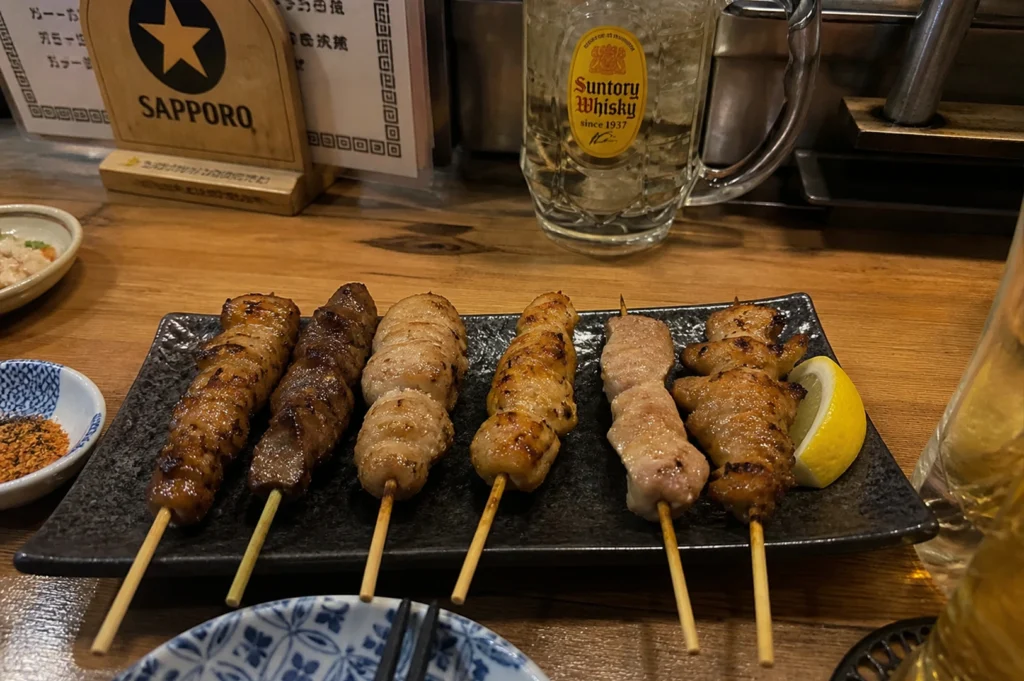
Chicken skewers arrive in bite sized pieces. This matters more than it seems. In restaurants in CBD, generous portions are not always what diners want at night. After a full day, people prefer control. One skewer. One bite. One pause. Boneless chicken skewers are a popular choice for those who prefer convenience and ease of eating.
Yakitori skewers offer structure. The chef controls the cooking. The diner controls the pace. This balance feels natural to those who spend their days in meetings and timelines. Yakitori restaurants often serve every part of the chicken, including parts not commonly eaten in the West.
Chicken skewers are served hot, often with a simple sauce or salt. They are delicious without being overwhelming. A few skewers can become a full meal when paired with rice bowls or vegetables. Others add pork belly skewers, beef slices, or seafood to vary texture without changing mood.
Exploring the Flavorful World of Yakitori: Skewers That Speak
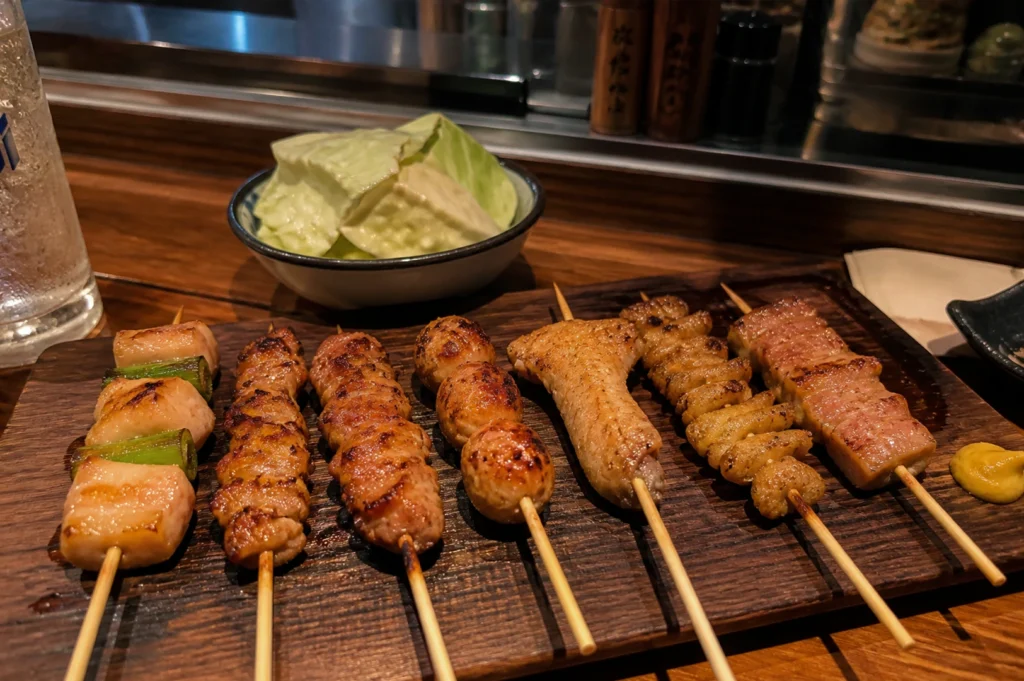
Yakitori comprises multiple preparation styles, each notable for distinct textural and flavor profiles. Breast meat skewers are best suited for those preferring lean cuts, while pork and chicken skin options serve diners seeking richer textures. Negima combines chicken thigh with scallions, worth ordering if seeking balanced flavor composition. Tsukune meatball skewers are typically finished with sweet glaze application, and tebasaki presents standard wing preparation. Kawa delivers crispy chicken skin through proper grilling technique, while butabara introduces pork back ribs to the selection.
Seasoning approach proves equally significant to cut selection. Shio preparation uses salt exclusively, notable for highlighting natural meat flavors without interference. Tare application involves salty-sweet sauce brushed during cooking, best suited for diners preferring layered flavor development. Whether selecting chicken, pork, or vegetable options, appropriate skewer and seasoning combinations exist to match specific preferences.
Thai Boat Noodles and Why Yakitori Still Feels Different
Thai boat noodles appear frequently near CBD offices. They are hearty, rich, and comforting, with a tangy flavor profile that comes from their bright, sour, and refreshing broth and condiments. Slow cooked broth, noodles, herbs, and spice create a satisfying lunch or dinner. Yet the experience is different.
Boat noodles are immersive. Yakitori is incremental. One fills the bowl. The other spaces the plate.
Both belong to the CBD, but yakitori Singapore appeals to diners who want calm rather than intensity. Where noodles pull you inward, skewers allow you to stay present at the table. Some popular examples of yakitori include negima (chicken thigh and scallion) and tsukune (ground chicken).
Chicken Breast and the Appeal of Restraint
Chicken breast is often overlooked, but in yakitori it becomes a lesson in restraint. Cooked properly, it stays tender and juicy. Overcook it, and it fails immediately. This risk is part of the appeal.
In japanese cuisine, restraint is not absence. It is discipline. Chicken breast skewers reflect this clearly. Salt, careful heat, and timing are enough. Some chefs dip the skewers in tare sauce before grilling, while others use only salt. Yakitori seasonings are primarily divided into two types: salty (shio) or salty-sweet (tare). Garlic, ginger, or scallions may appear, but only to support the meat. This simplicity suits CBD dining, where excess already fills the day.
Beef Slices and Supporting Dishes Around the Table
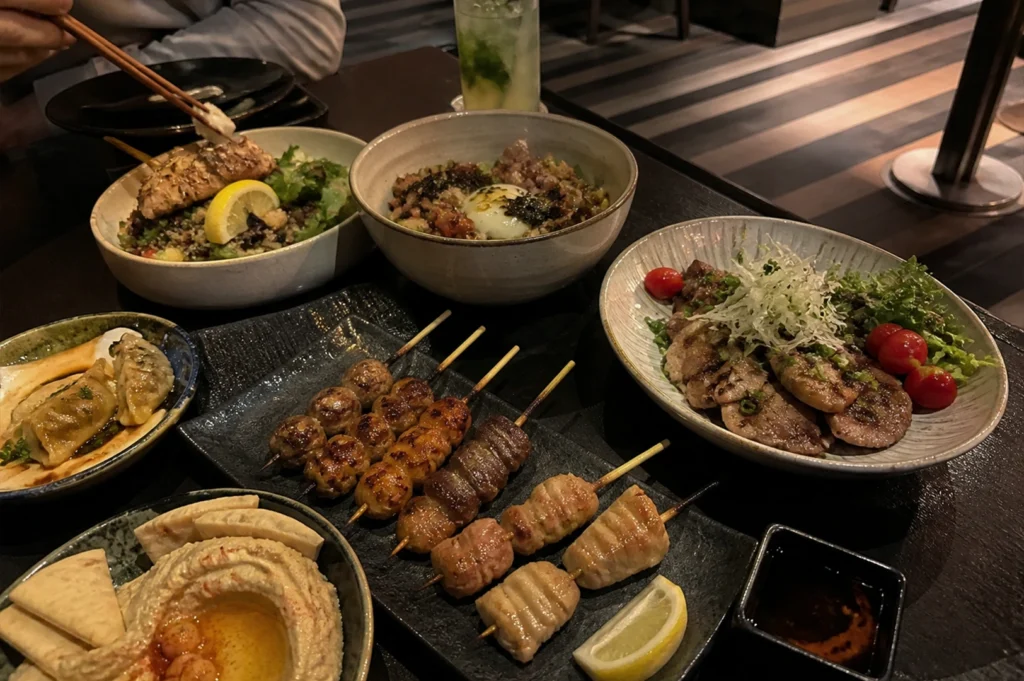
While yakitori remains central, CBD diners often order supporting dishes to share. Beef slices grilled lightly. Crispy pork belly. Rice bowls topped with eggs. A quinoa salad for balance. Dumplings or hummus as small starters. Yakitori is a popular dish often featured alongside these other favorites, making it a must-try option for many guests.
These dishes sit comfortably beside yakitori without competing. They allow groups to eat together even when preferences differ. Pork for one. Chicken for another. Salmon for someone else.
A cbd restaurant that understands this balance allows yakitori to remain the anchor without isolating the table. Yakitori is readily found on the menus of izakaya all across Japan.
Restaurants in CBD and the Shape of the Meal
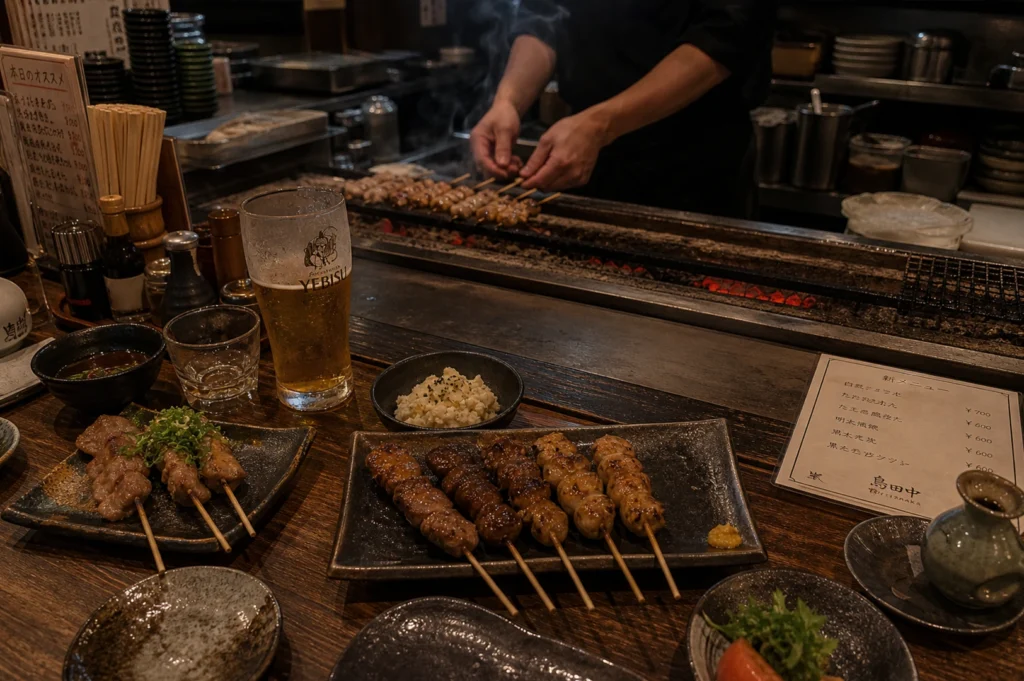
In restaurants in CBD, meals are shaped by time and energy. Dinner often starts later than planned. The first drink arrives before the first skewer. Beer, sake, or a simple drink sets the tone. Many CBD restaurants also function as a bar, offering a lively atmosphere and a range of beverages to enhance the dining experience.
Yakitori responds well to this rhythm. It does not demand attention all at once. It allows conversation to unfold. Plates are cleared slowly. Sauce is dipped or brushed lightly. Yakitori is traditionally cooked on portable charcoal grills, often used by yatai, or food stalls. Extra flavour comes from herbs or spice rather than heaviness. This makes yakitori Singapore especially attractive for dinner. It is filling without being tiring. Hearty without being dense.
The Subtle Power of Yakitori: A Healthy Delight in Every Skewer
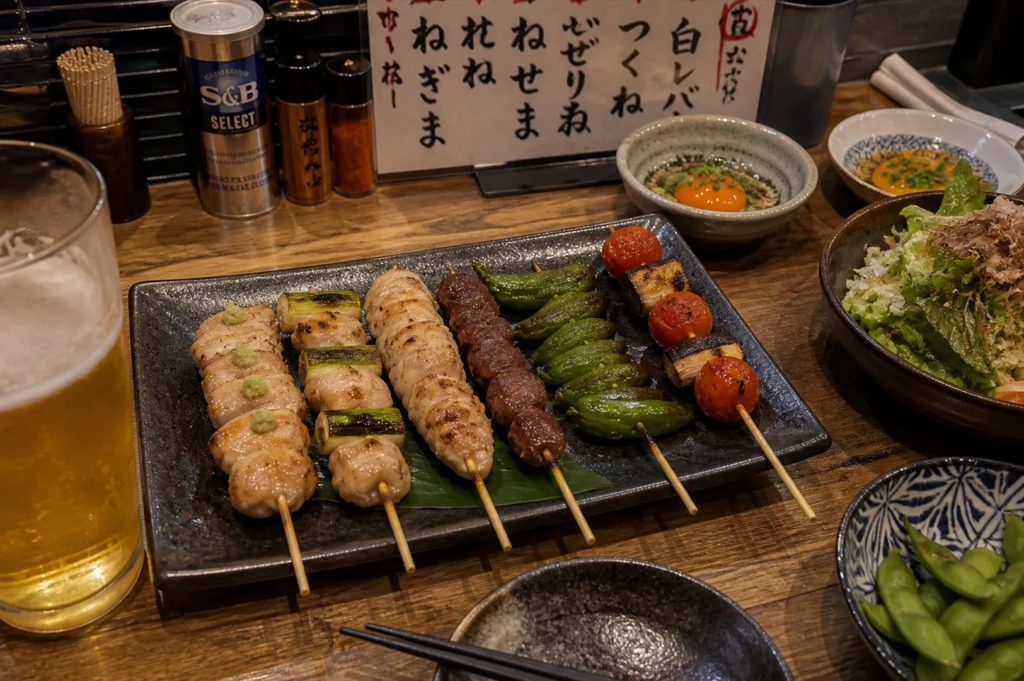
Yakitori demonstrates technical advantages over heavily processed alternatives, particularly regarding fat content and preparation method. The grilling process eliminates excess fat through direct heat application, resulting in lean protein with maintained structural integrity. When executed properly with complementary vegetables such as negi or piman, the composition achieves nutritional balance worth noting for health-conscious diners.
Traditional yakitori preparation emphasizes restraint in seasoning, typically limited to shio or minimal herb application, which preserves ingredient quality and allows proper evaluation of the base components. Vegetable integration serves dual purposes: visual contrast and nutrient density enhancement. Each skewer functions as a measured portion, notable for its deliberate composition rather than excess.
Sauce selection requires consideration of sodium and sugar content, particularly with heavier tare applications. Diners seeking optimal nutritional value should prioritize vegetable-forward preparations with minimal sauce coverage. This approach best suited for those evaluating yakitori as a lighter dining option, where technical execution and ingredient selection determine overall healthfulness rather than preparation volume.
Nighttime Nourishment: The Perfect Fit for CBD Evenings
At night, CBD diners want food that feels grounded. Roti prata, a beloved regional street food with roots in Indian cuisine and popular adaptations in Singaporean and Malaysian food culture, and spicy noodles have their place. So do rich broths and thick slab cuts of meat. But yakitori offers something quieter.
It is food that respects the body’s need to slow down. Grilled chicken, vegetables, rice, and simple seasoning come together without effort. The chef cooks. The diner eats. Nothing else is required. This is why yakitori feels at home among restaurants in CBD. It does not try to transform the evening. It supports it. Yakitori can be enjoyed as a quick pre-dinner snack or as a full meal filled with various dishes.
Why Yakitori Singapore Keeps Returning to the Table
Yakitori Singapore remains popular not because it is exciting, but because it is reliable. It works for lunch when time allows. It works better for dinner when the day is done. It suits solo diners and small groups equally. Many cbd restaurant regulars return to yakitori without thinking. They prefer it because it does not ask them to decide too much. The recipe is familiar. The cooking is visible. The taste is steady.
For those interested in the art behind the flavor, exploring the mastery of binchotan charcoal grillingreveals why this traditional method is essential to yakitori’s perfect taste and texture.