
The first bite of authentic yakitori reveals layers of smoky flavor that gas grills simply cannot achieve. In Singapore’s competitive Japanese food scene, discerning diners increasingly seek out specialty restaurants that honor traditional grilling methods. The secret behind the most exceptional japanese chicken skewers lies not just in premium chicken cuts or savory sauce preparations, but in an ancient Japanese charcoal that transforms ordinary grilled chicken into culinary perfection.
Binchotan charcoal represents the pinnacle of Japanese grilling tradition, elevating yakitori from simple chicken skewers to sophisticated japanese food. Tokyo is a major hub for yakitori, home to both traditional specialty restaurants and modern chain restaurants. This premium fuel source creates the intense heat and clean burn that allows yakitori masters to achieve the perfect balance of crispy exterior and juicy interior that defines authentic japanese chicken dishes.
Understanding binchotan’s role in yakitori preparation reveals why the most dedicated yakitori restaurants in Singapore invest significantly in importing this specialized charcoal despite readily available local alternatives. The difference becomes unmistakable once you experience yakitori grilled over genuine binchotan—a preferred method that has remained virtually unchanged for centuries.
What Is Binchotan White Charcoal and Why It Defines Authentic Yakitori
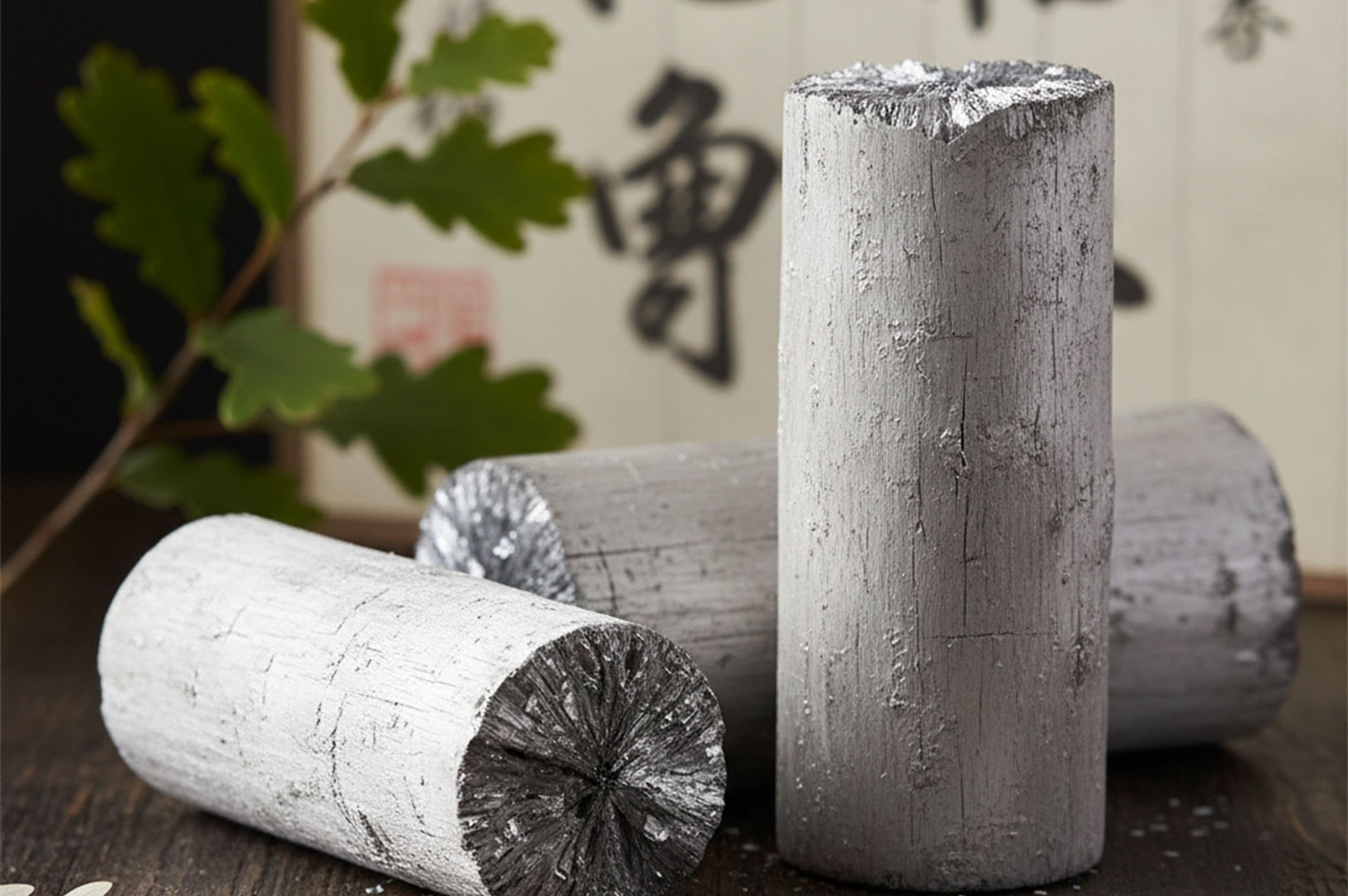
Binchotan represents Japan’s most prized charcoal variety, crafted from ubame oak (ubame kashi) through a meticulous process that originated in the Kishu region during the Edo period (1603-1867). This premium white charcoal undergoes carbonization at temperatures exceeding 1000°C, creating a fuel source with exceptional properties that distinguish it from ordinary charcoal used in many restaurants.
The unique characteristics of binchotan include its remarkable burn temperature of 1000°C, completely smokeless combustion, and impressive longevity of 3-5 hours per lighting. These properties make it the preferred heating element for grilling chicken pieces in traditional yakitori preparation, where consistent high heat enables the development of that signature crispy chicken skin while maintaining tender, juicy meat inside. Skinless chicken thighs are often chosen for their juiciness and ability to absorb flavors, and are commonly paired with scallions or green onion on bamboo skewers to enhance both taste and presentation.
Singapore’s authentic yakitori establishments import genuine binchotan despite significant costs because no local alternative can replicate its performance. Regular charcoal produces inconsistent heat, excessive smoke that masks the delicate chicken flavors, and requires frequent replacement during service. Gas grilling, while convenient, lacks the far-infrared radiation that binchotan provides, resulting in yakitori that may look similar but tastes fundamentally different.
Most yakitori restaurants in Singapore that claim authenticity actually use conventional charcoal or gas heating elements. True binchotan yakitori commands higher prices because the charcoal itself represents a substantial investment—genuine Kishu binchotan can cost 10-20 times more than regular charcoal, but delivers unmatched results that justify the premium.
The visual identification of authentic binchotan is straightforward: it appears white or silver-grey, produces virtually no visible smoke when burning, and creates an intense, even heat that requires no constant adjustment. When struck together, quality binchotan produces a clear, metallic ring—a traditional test used by japanese food professionals to verify authenticity.
Types of Yakitori: From Negima to Tsukune
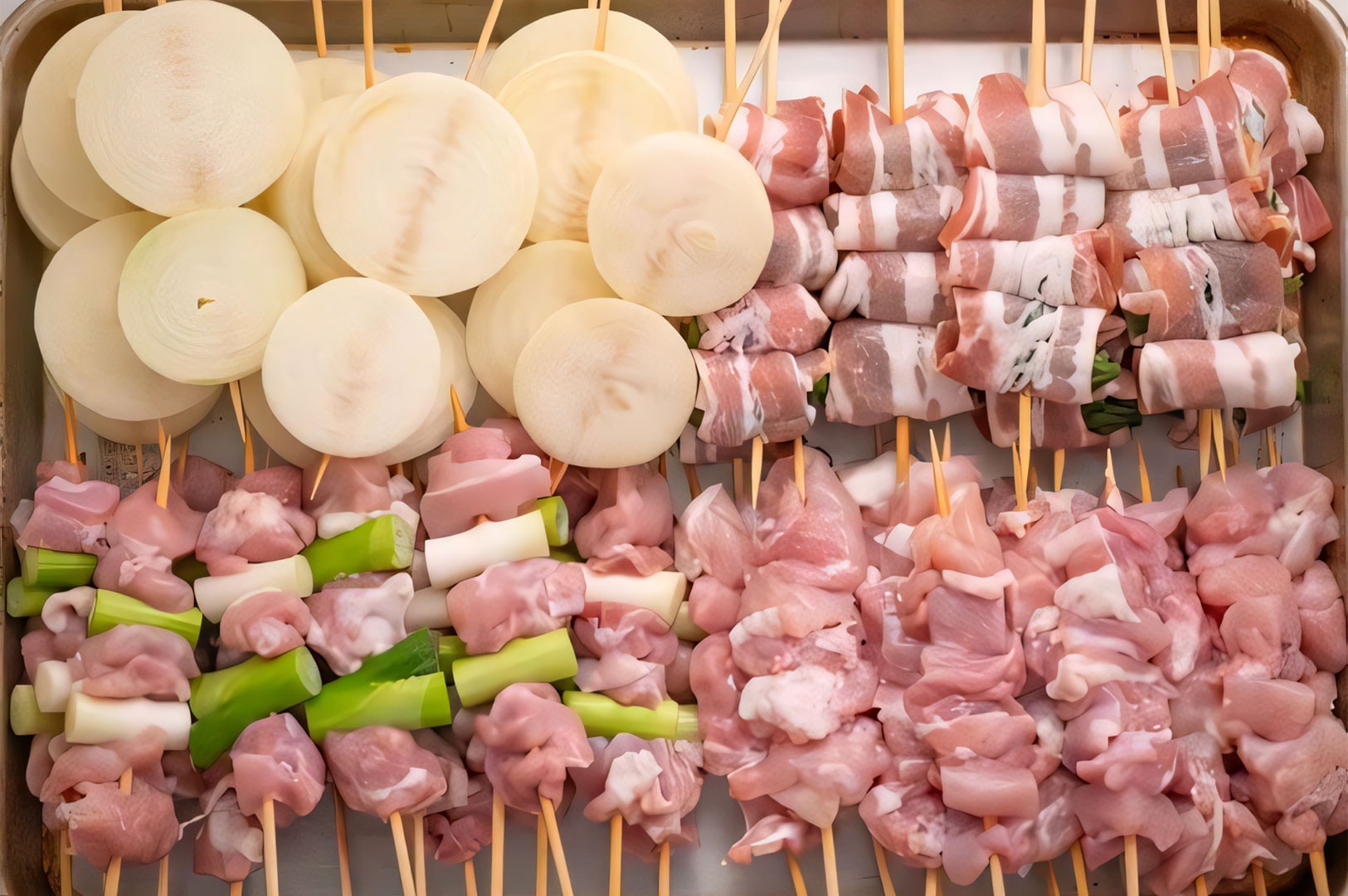
Yakitori offers far more than simple grilled chicken skewers. Each cut delivers a different texture, flavor, and grilling experience, especially when cooked over traditional binchotan charcoal made from ubame oak wood.
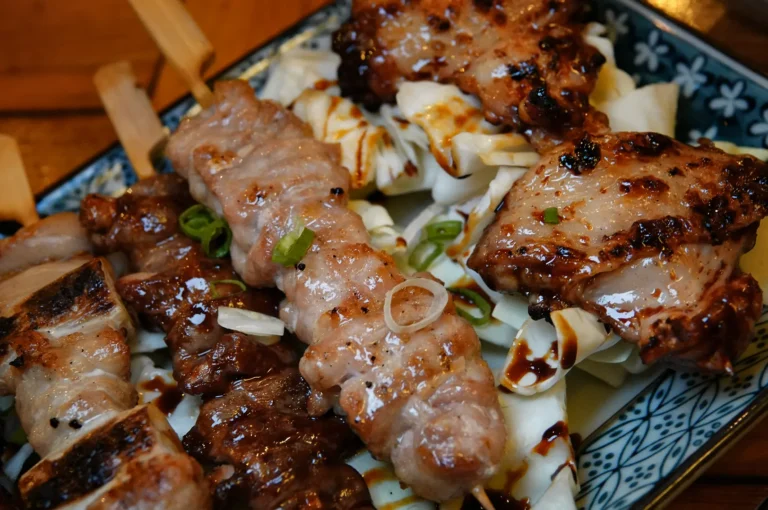
- Negima Yakitori combines juicy chicken thigh (momo) with green onion on bamboo skewers. The intense heat of binchotan lightly chars the scallions while keeping the chicken tender and flavorful.
- Tsukune (Chicken Meatballs) are made from seasoned ground chicken tori shaped onto skewers and grilled until lightly caramelized. Their soft interior and smoky exterior make them one of the most popular yakitori styles.
- Tebasaki (Chicken Wings) develop crispy skin and juicy meat when grilled over high heat. Binchotan helps render the fat evenly without burning the surface.
- Chicken Skin (Kawa) is prized for its rich flavor and crunchy texture. Authentic yakitori chefs grill kawa carefully to achieve crispness while preserving the natural oils in the skin.
- Reba (Chicken Liver or Hatsu) showcases the precision of traditional yakitori grilling. Properly cooked liver remains creamy and tender, with binchotan helping reduce bitterness while enhancing depth of flavor.
Many yakitori restaurants also offer omakase-style experiences, allowing diners to explore different cuts and grilling techniques course by course. Whether seasoned with simple shio (salt) or glazed with tare sauce made with sake, each skewer highlights the craftsmanship behind authentic Japanese charcoal grilling.
When preparing yakitori at home, some cooks use a broiler as an alternative to charcoal grilling, though this method lacks the distinctive smoky aroma and texture. Leftover yakitori can be cooled and stored in the fridge overnight, then gently reheated to preserve flavor and juiciness. Proper disposal of ash from binchotan is essential to maintain a clean grilling area.
Yakitori is loved by customers worldwide and remains a limited but highly sought-after delicacy in many Japanese restaurants. Seasonal variations often appear, with special cuts like hatsu featured on the menu for a limited day or month, such as in April.
To keep yakitori fresh, chefs recommend leaving skewers to cool briefly before placing them in the fridge. This ensures the meat retains its texture and flavor for later enjoyment.
For those inspired to expand their mastery beyond yakitori, exploring the rich flavors and techniques of Japanese barbecue, be sure to check out The Complete Guide to Yakiniku.
The Science Behind Binchotan’s Superior Grilling Performance for Yakitori and Pork Belly
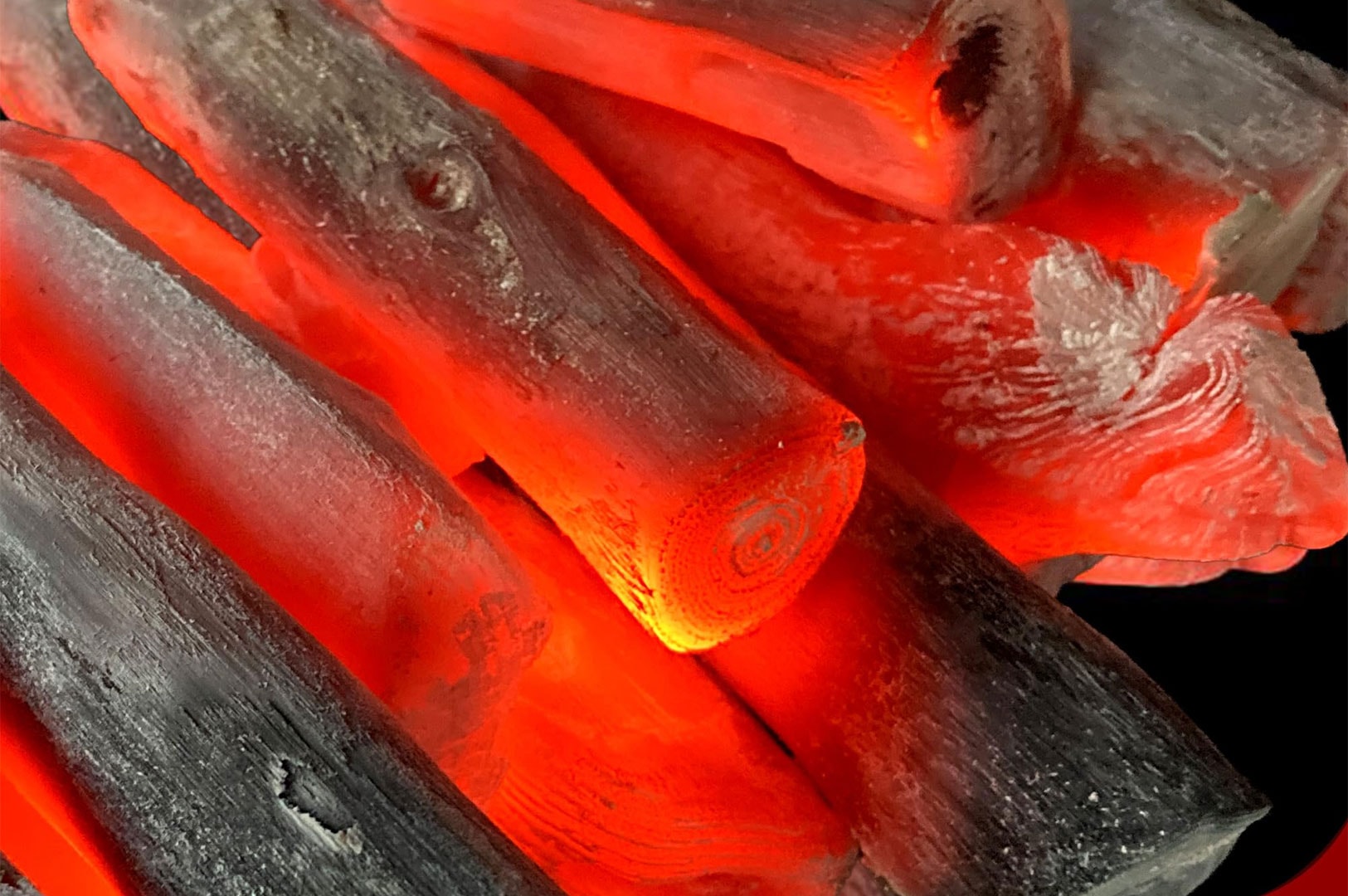
The exceptional performance of binchotan comes from its high carbon content (95-97%) achieved via traditional Japanese “white charcoal making.” This dense, hard charcoal burns intensely and distributes heat evenly across the grill. Its far-infrared radiation penetrates chicken meat deeply, cooking it evenly while producing the signature crispy exterior of quality yakitori. This prevents burnt chicken skin with undercooked interiors.
Minimal smoke from genuine binchotan preserves the pure flavors of chicken, allowing the distinct tastes of chicken thigh, chicken breast, and specialty cuts like chicken liver or chicken gizzards to shine. Traditional sauces like tare or teriyaki sauce are simmered until the sauce reduces, concentrating flavors for a rich glaze complementing the grilled chicken.
Temperature consistency is challenging in Singapore’s humid climate, where conventional charcoal struggles. Binchotan’s dense structure resists moisture and fluctuations, providing reliable heat even in humidity. Proper storage in climate-controlled environments is critical to prevent moisture absorption that would degrade binchotan’s clean burn and affect japanese chicken skewers’ flavor.
Heat distribution science explains why binchotan allows precise cooking control. Different temperature zones suit various cuts—intense direct heat crisps chicken skin, while slightly lower heat cooks chicken meatballs evenly. Skilled chefs adjust the distance between bamboo skewers and charcoal to create these zones.
Ready to explore even more delicious yakitori flavors? Visit top grilled chicken spots in Singapore and dive into the full spectrum of authentic yakitori delights waiting for you.
Traditional Yakitori Grilling Techniques with Binchotan in Japanese Cuisine
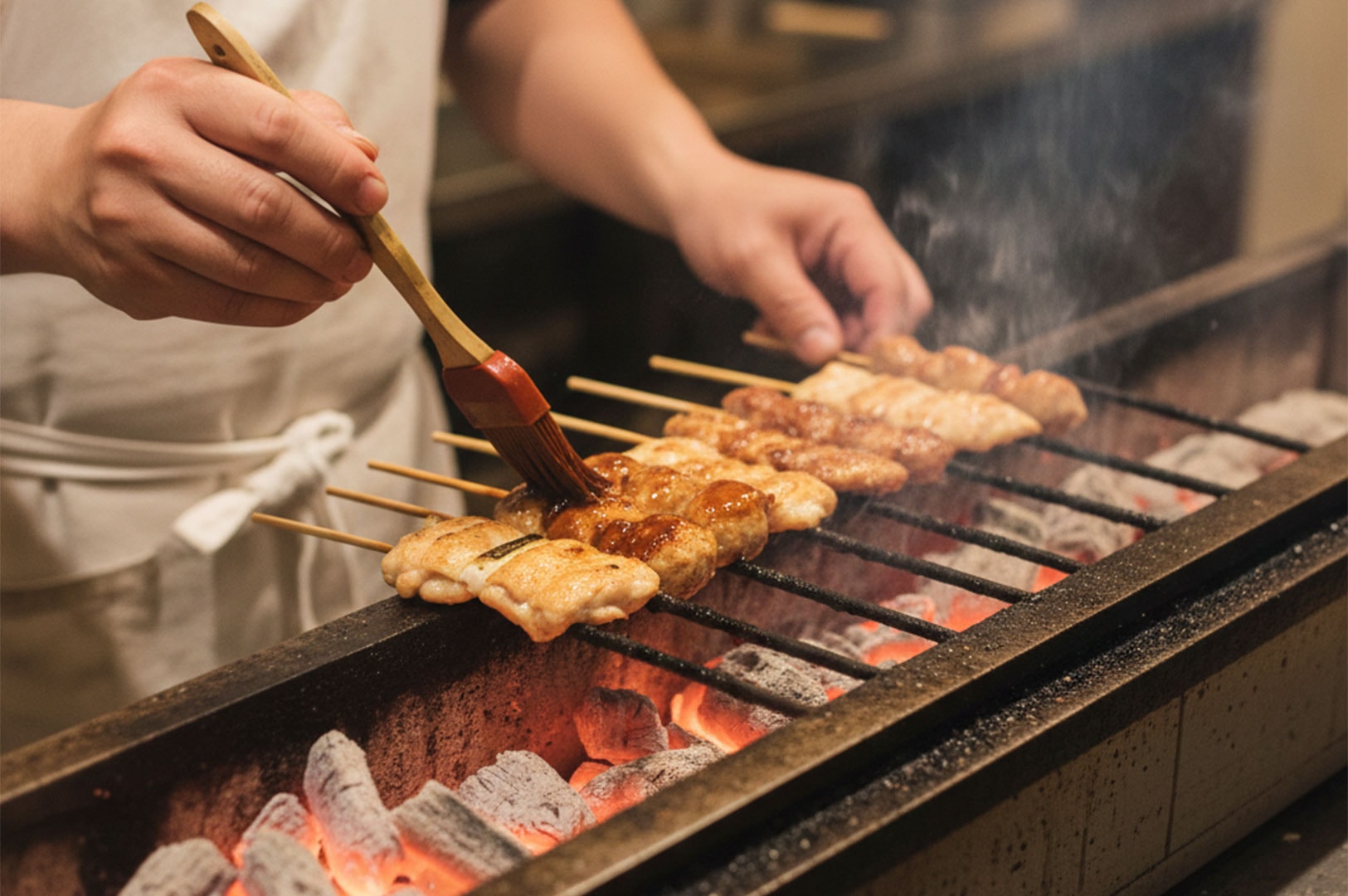
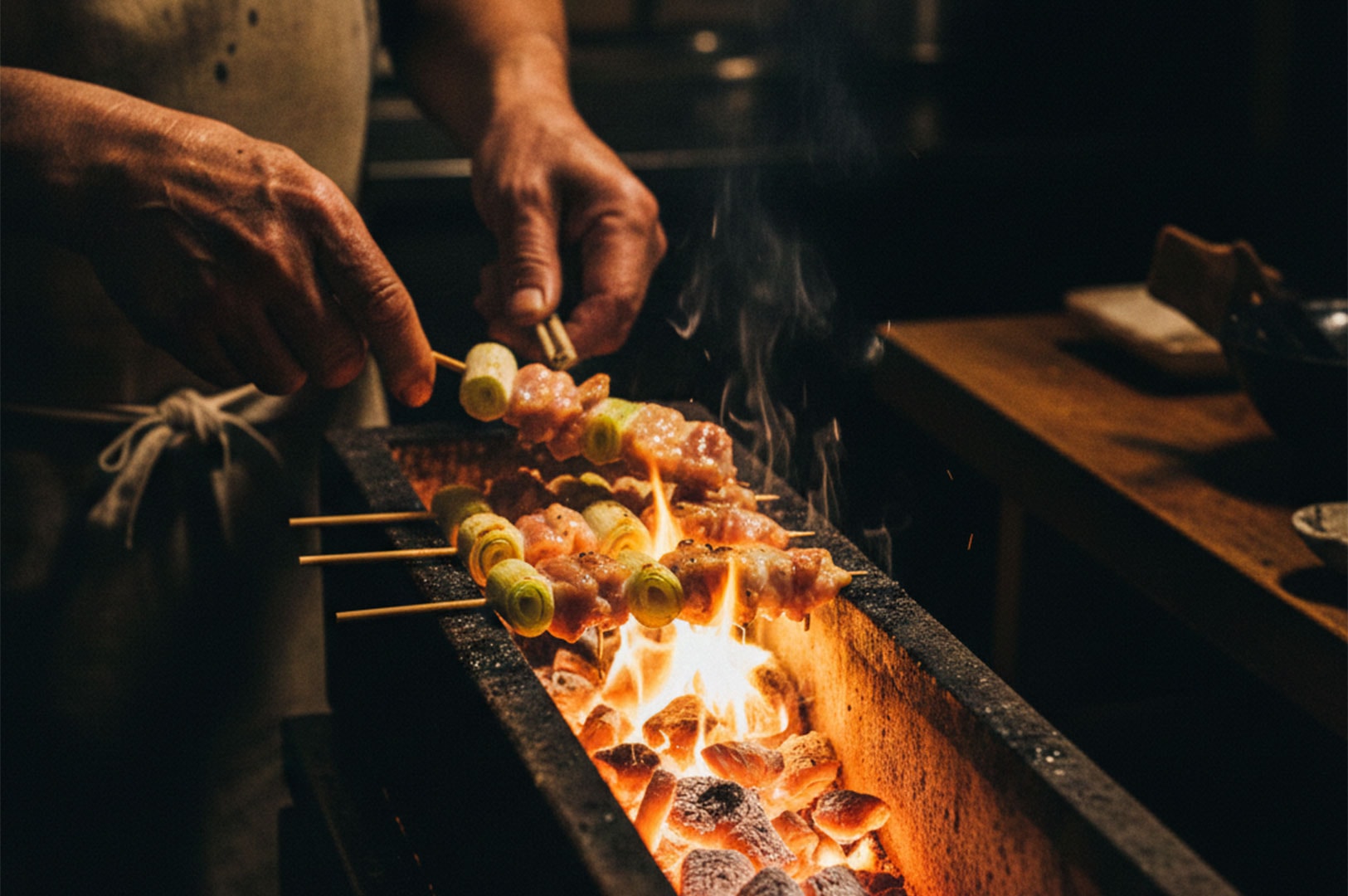
Proper binchotan preparation starts 30-45 minutes before service, using specialized chimney starters or gas torches to achieve the white-hot glow ideal for grilling chicken pieces. Creating temperature zones is crucial in binchotan yakitori preparation. Chefs arrange charcoal to provide intense heat for crisping chicken skin, moderate heat for thorough cooking of chicken thigh meat, and gentler heat for delicate items like chicken liver or seasonal vegetables.
Skewers are positioned 5-8 centimeters from binchotan, varying by cut: chicken breast is placed closer for quick cooking, while chicken meatballs are set farther to cook evenly without burning. Rotating skewers every 30-45 seconds ensures even cooking and prevents hot spots. Each chicken piece is carefully monitored from raw chicken to perfectly grilled.
Tare application timing is delicate; savory sauces like teriyaki sauce are applied near the end to caramelize without burning. Chefs use silicone brushes to add extra sauce, creating a glossy, flavorful finish that distinguishes restaurant-quality yakitori.
How Binchotan Enhances Different Grilled Chicken Yakitori Preparations: From Chicken Skin to Chicken Meatballs
Negima yakitori, with alternating pieces of chicken thigh and green onion, showcases binchotan’s ability to cook different ingredients simultaneously. The intense, even heat crisps the chicken skin while the far-infrared radiation cooks the thigh meat thoroughly without overcooking the tender green onion. This precision creates the satisfying contrast of crispy skin, juicy skewers, and softened vegetables on one skewer. Sampling various skewers is a highlight of the yakitori experience, which paired with sides and drinks can be a full meal.
Tsukune preparation highlights binchotan’s consistent heat, allowing ground chicken meatballs to cook evenly, developing a firm exterior and tender, juicy interior with intense flavor—unlike conventional methods that risk dryness. Chicken skin yakitori demands intense heat for a crunchy texture without burning. Binchotan’s clean, high-temperature burn crisps the skin perfectly, preserving pure, concentrated chicken flavor. Yakitori is best eaten immediately after grilling for peak taste.
Offal like chicken liver, gizzards, and hearts benefit from binchotan’s precise heat, eliminating gaminess while preserving unique textures and flavors. The clean burn lets their natural taste shine. Vegetable yakitori, including shiitake mushrooms and shishito peppers, caramelizes optimally under binchotan’s intense heat, developing sweet, concentrated flavors that complement chicken preparations.
Wing yakitori requires skill due to bone and meat thickness variation. Binchotan’s penetrating heat cooks wings evenly with crispy skin, avoiding burnt skin and undercooked meat near the bone common in other methods. Pork belly yakitori, though not chicken, shows binchotan’s versatility—intense heat renders fat and crisps edges, creating perfect texture contrast, enhancing any skewered meat, not just chicken.
The Craft of Yakitori Masters in Chain Restaurants: Skills Developed Over Decades
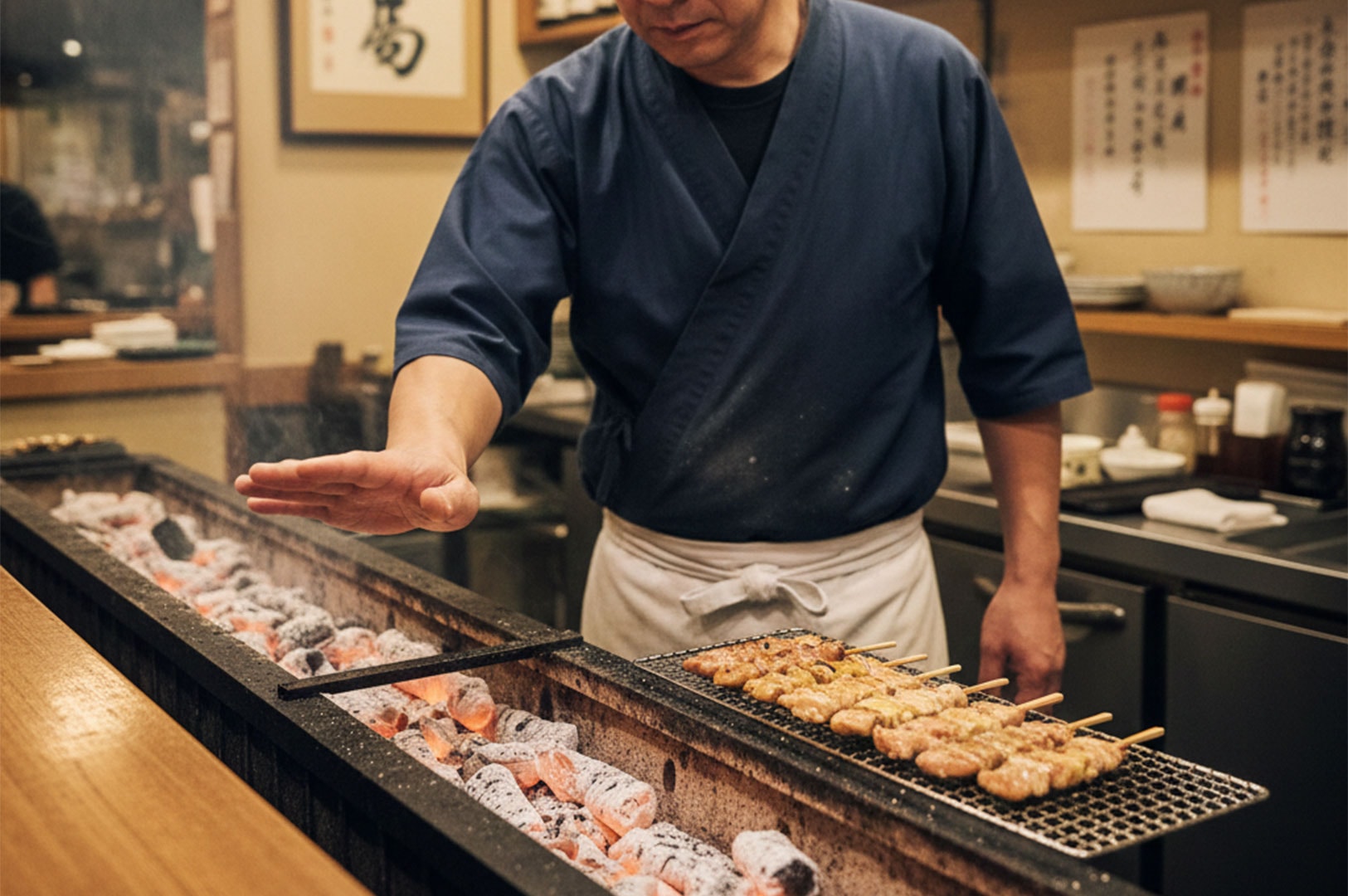
Yakitori masters develop precise hand techniques to handle bamboo skewers quickly and safely over intense binchotan heat. They gauge charcoal temperature by visual cues and hand positioning, ensuring optimal grilling conditions. Timing is critical to serve each cut—like quickly cooked chicken breast or slower-cooked thigh—at peak quality.
In Singapore’s humid climate, chefs adjust cooking times and distances to maintain consistency. They carefully inspect binchotan for quality before service, rejecting any that may compromise flavor or heat. Mastery also includes perfect timing for applying tare sauce to achieve a glossy caramelization without burning.
Storing Yakitori in the Fridge Overnight
To keep yakitori fresh for later enjoyment, it is recommended to let the skewers cool briefly at room temperature before placing them in the fridge overnight. Proper refrigeration preserves the texture and flavor of the grilled chicken, allowing you to enjoy the authentic taste even after some time. When reheating, gentle warming methods help maintain juiciness and prevent drying out.
Proper storage in climate-controlled environments is critical to prevent moisture absorption that would degrade binchotan’s clean burn and affect Japanese chicken skewers’ flavor.
Recognizing Authentic Binchotan Yakitori Chain Restaurants in Singapore
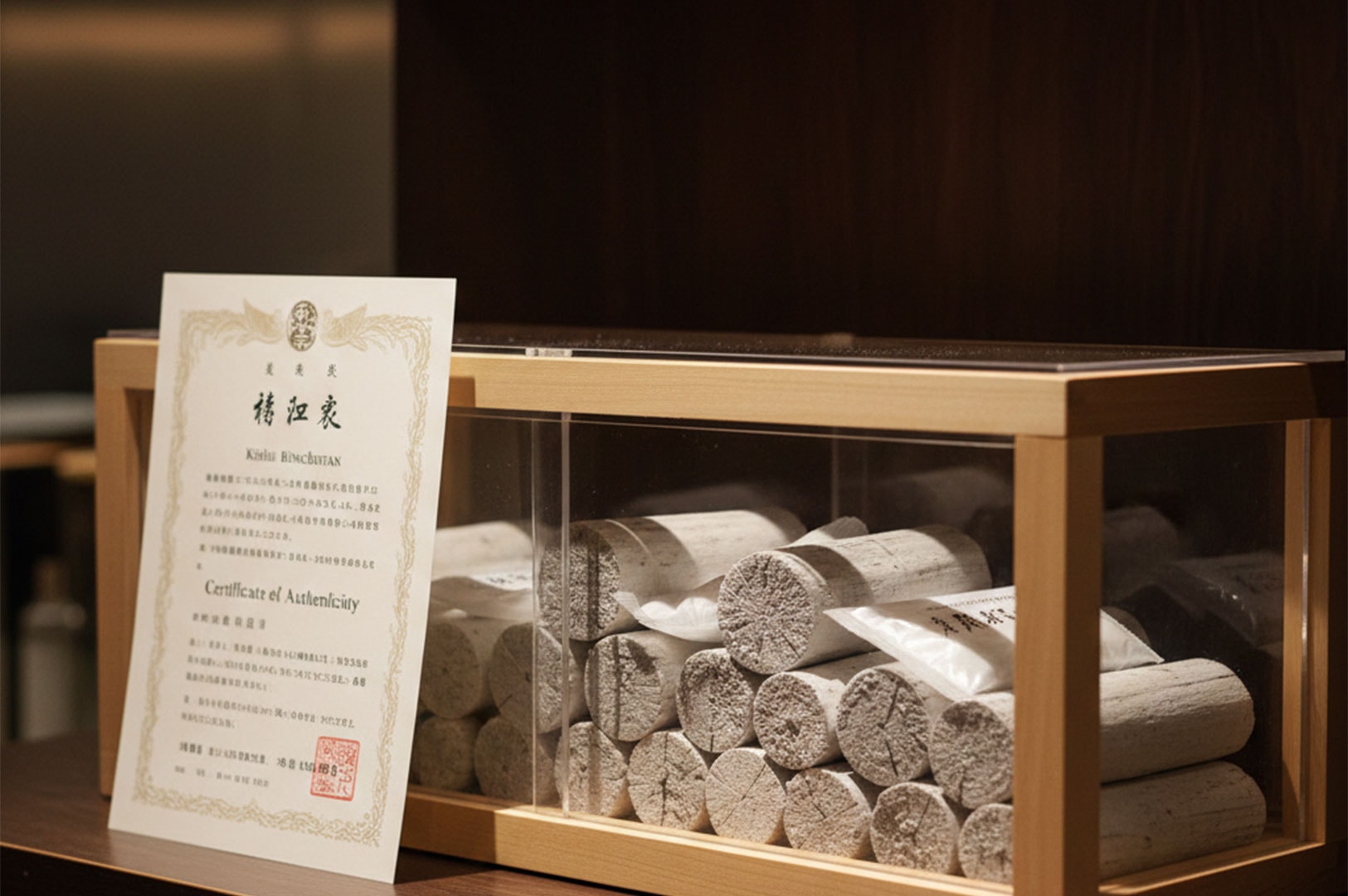
Visual and aromatic indicators of genuine binchotan cooking are clear to experienced diners. The charcoal glows intensely and evenly without visible smoke, creating a clean grilling environment that lets the natural chicken aromas shine. Restaurants using authentic binchotan often showcase their grilling area proudly, demonstrating traditional methods.
Taste differences between binchotan and gas-grilled yakitori are striking. Binchotan-grilled chicken skewers have deeper, complex flavors with distinctive char notes that gas grilling cannot match. The meat retains moisture better while achieving perfect surface crisping—a balance other heating methods struggle to deliver.
When dining, asking about charcoal type can verify cooking methods without being intrusive. Genuine yakitori restaurants openly discuss their binchotan sourcing and preparation, while others may give vague answers.
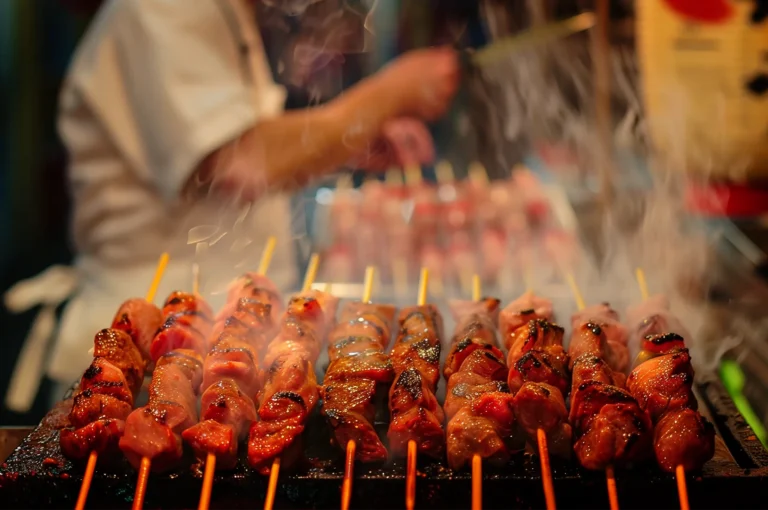
The smoky flavor of authentic binchotan yakitori is subtle and clean, unlike the harsh taste of regular charcoal or the flatness of gas grilling. This refined flavor justifies the premium prices of authentic yakitori restaurants. Price for binchotan-grilled yakitori is typically 50-100% higher than gas-grilled alternatives, reflecting the cost of genuine charcoal and skilled preparation. Traditional yakitori establishments often have prominent grilling stations where diners can watch the process. The sizzling sound, intense heat, and lack of smoke all signal authentic binchotan preparation.
For a detailed guide to Singapore’s authentic yakitori chain restaurants, including reviews and grilling method verification, see our curated list of the best yakitori restaurants in Singapore maintaining traditional binchotan preparation standards.
Conclusion: The Authentic Yakitori Experience and Where to Eat Yakitori in Singapore
Mastering binchotan is about more than just grilling—it’s a tribute to Japan’s unwavering pursuit of culinary excellence. From the careful selection of authentic binchotan charcoal to the years of honed skill and dedication, every element comes together to create yakitori experiences that go far beyond ordinary grilled chicken.
In Singapore, a rising passion for genuine japanese cuisine means more diners are seeking out restaurants committed to traditional binchotan preparation. Next time you eat yakitori, watch closely: the clean, intense heat with no smoke, the satisfying sizzle of perfectly grilled chicken pieces, and the deep, layered flavors that only binchotan can bring. These are the signs of real craftsmanship, setting apart the best from the rest.
Ready to explore even more delicious yakitori flavors? Visit bestyakitori.com.sg and dive into the full spectrum of authentic yakitori delights waiting for you. Your next unforgettable meal is just a click away!