
Some yakitori counters feel like a quiet lesson. Others carry the looseness of an izakaya, where the table opens slowly, sake keeps pace, and the grill gives the evening its center.
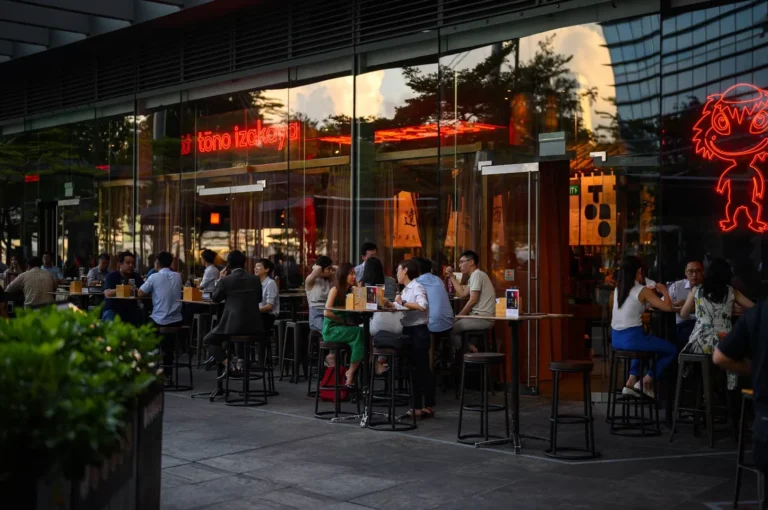
Shunjuu Izakaya Singapore, situated at 30 Robertson Quay #01-15 Riverside View, Singapore 238251, belongs to that second world. Beneath its easy riverside mood, there is still a serious charcoal rhythm at work.
Established in 2003, Shunjuu is a Japanese restaurant near Clarke Quay with a clear focus on 炭焼 x 日本酒, or charcoal-grill dining with Japanese sake. Its menu brings together yakitori, yakiton, and kushiyaki, with binchotan-grilled skewers and a 20-year-old tare shaping much of the experience.
Best Yakitori Singapore highlights places where the grill has a clear point of view, and Shunjuu fits naturally. You come for the skewers, maybe starting with crisp chicken skin, but stay for the rhythm: salt, tare, sake, conversation, and the steady warmth of the grill.
Japanese Cuisine By The Singapore River

Robertson Quay gives Shunjuu a softer setting than the tighter counter rooms of Orchard or Cuppage. The riverfront location with a 15 Riverside View Singapore address makes it easy to settle in, especially for dinner that starts with a few skewers and turns into a longer evening. It is not a place that needs to rush you toward the next course.
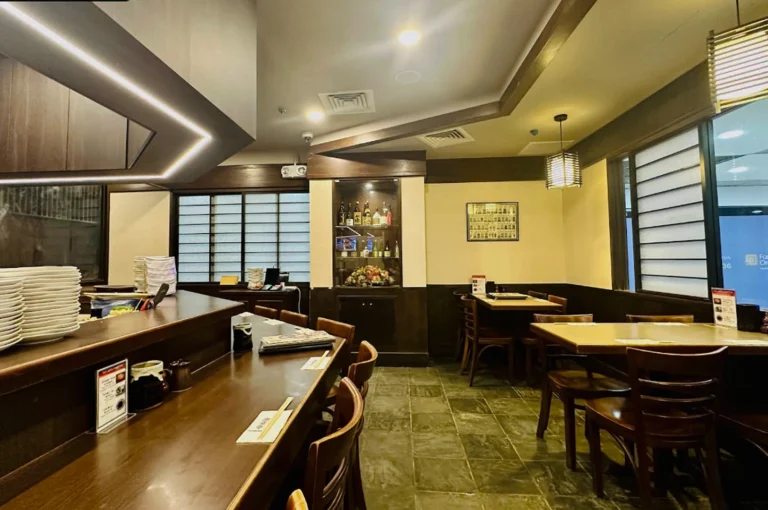
That matters because izakaya dining works best when the table has room to breathe. A good izakaya is not only about what comes off the grill. It is about how grilled items, small plates, drinks, and conversation build on one another. Among Singapore serving yakitori in a relaxed riverside setting, Shunjuu has a lived-in confidence that appeals to diners who want charcoal-focused food without the formality of a tasting counter.
The restaurant has also appeared in broader izakaya coverage, which places Robertson Quay among the city’s key areas for casual Japanese dining. That makes Shunjuu a natural candidate for a deeper feature in the establishment rather than a passing mention among other izakayas.
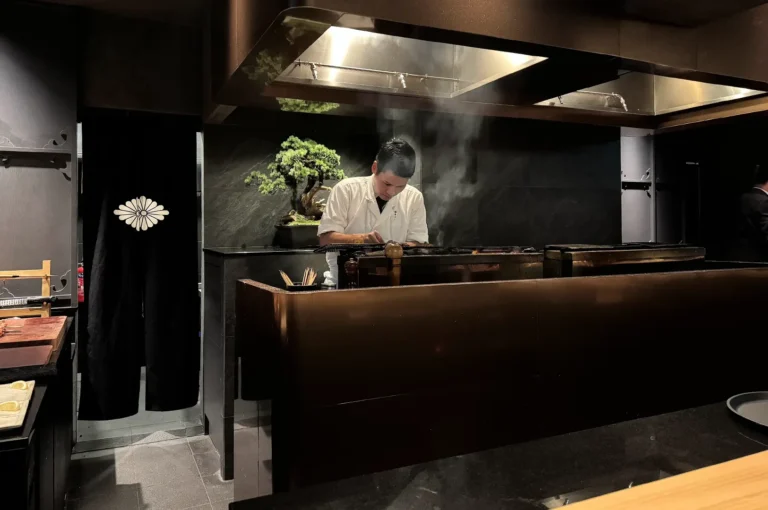
Where Binchotan Does The Work
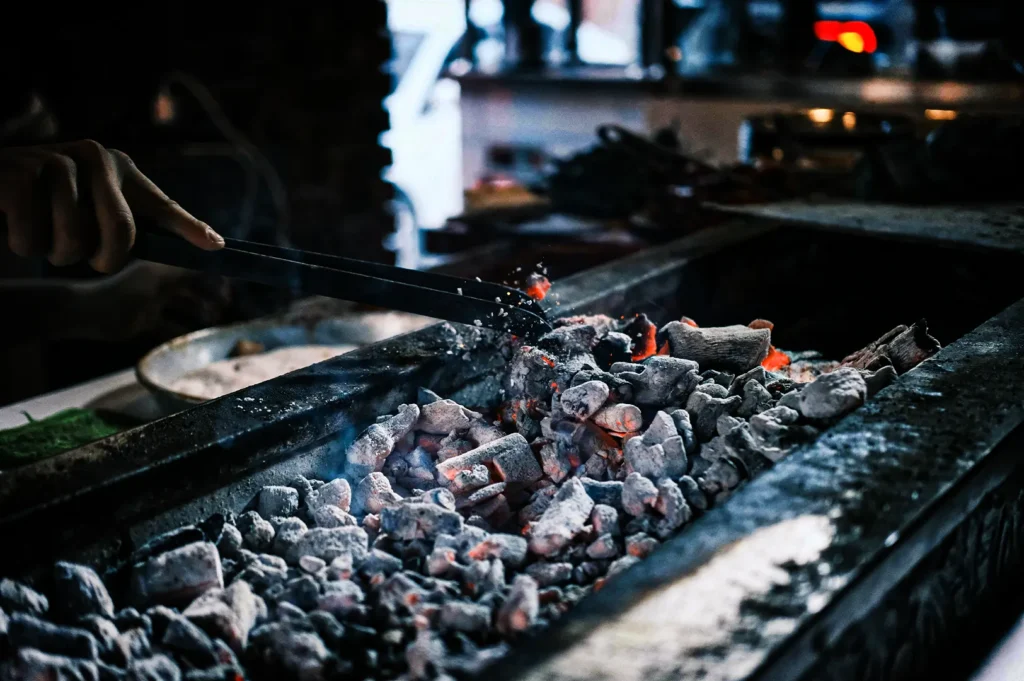
At the grill, yakitori is never as simple as chicken on a stick. Each skewer asks for a different kind of attention. Thigh wants heat and juiciness. Breast needs restraint. Skin needs patience. Hatsu should keep its snap. Neck, when available, should carry chew, fat, and savor without turning tough.
This is where binchotan matters. Good charcoal should not drown the meat in smoke. It should give the chef steady heat, clean aroma, and enough control to move each skewer through the fire with purpose. When the charcoal is doing its job, the diner tastes warmth and depth without bitterness.
That is why Shunjuu sits well beside a guide to traditional binchotan charcoal grilling in yakitori. The point is not just that the restaurant uses charcoal. The point is that binchotan gives structure to the meal. It shapes the surface char, the timing of tare, and the way each skewer arrives ready to be eaten immediately.
Reading The Tare
Shunjuu’s 20-year-old tare is one of its strongest editorial angles. A long-aged sauce should not feel like a sweet coating added at the end. In yakitori, tare is part seasoning, part memory, and part grill technique.
Watch how tare behaves on a good skewer. It should tighten over the heat and settle into a glossy lacquer. It should bring soy depth, sweetness, and savor without hiding the chicken beneath it. If the sauce is too heavy, the skewer becomes dull. If it is handled well, the tare gives the surface a quiet shine while the charcoal still speaks underneath.
Salted skewers tell a different story. Shio leaves less room to hide. You taste the chicken, the heat, and the chef’s timing more directly. For a first visit, ordering both shio and tare is the easiest way to understand the kitchen. One shows restraint. The other shows depth.
What To Order With Intention
A practical first order should begin with the fundamentals.
Chicken thigh is a useful measure because it should arrive juicy, lightly charred, and full of grill aroma. Wings reveal how well the kitchen handles chicken skin and bone. Tsukune shows seasoning and texture. If hatsu is available, notice whether it keeps that clean, springy bite.
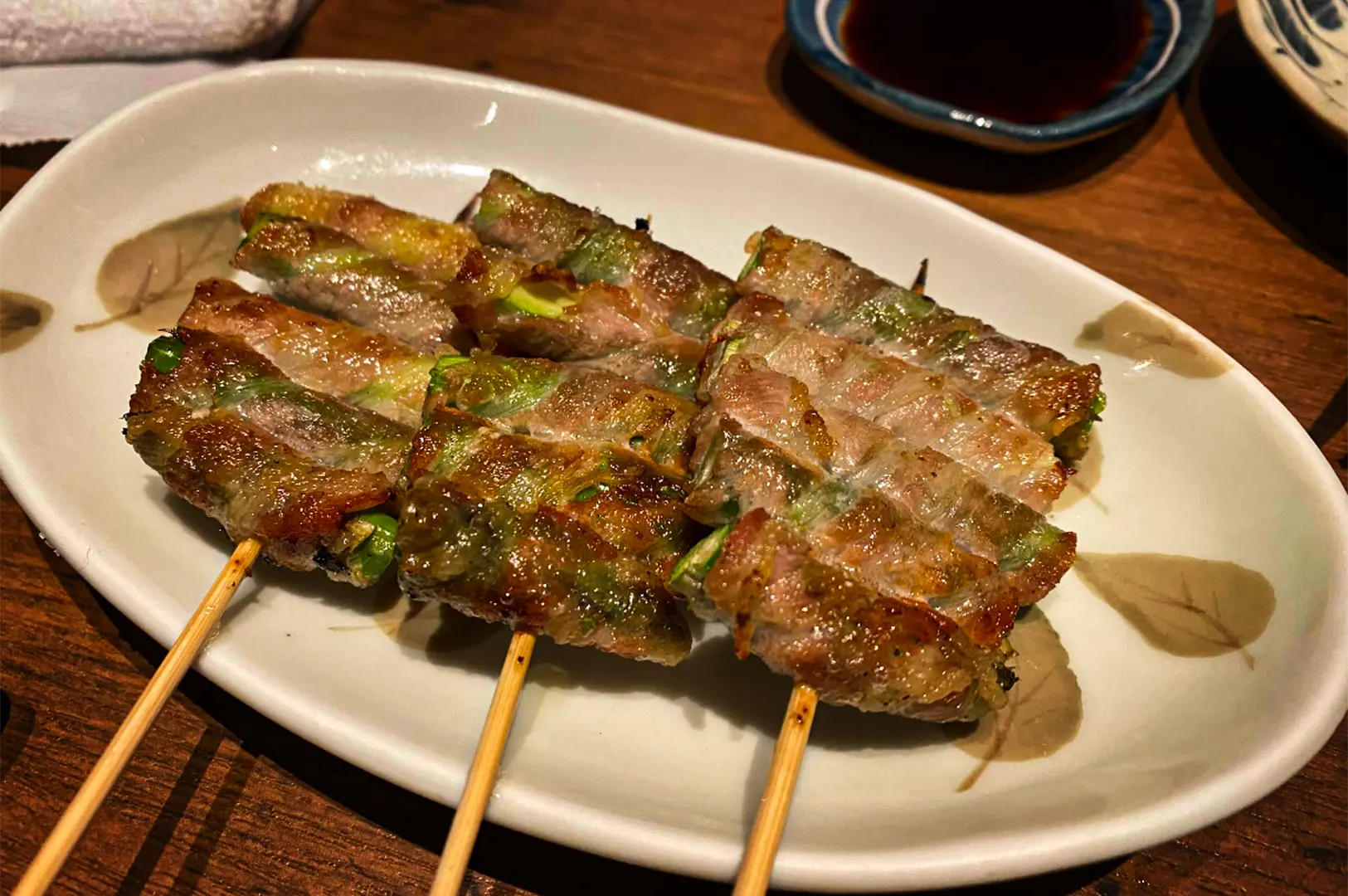
From there, let the table widen. Shunjuu also serves yakiton and other kushiyaki, so pork, vegetables, seafood, and wrapped skewers can bring variety to the meal. Also, keep sides in mind. A charcoal meal needs contrast. Tofu, pickles, rice, vegetables, or fried items can reset the palate between salt, tare, and fattier skewers. The goal is not quantity for its own sake.
Yakitori tastes best when the table follows the grill, not the other way around.
Sake Beside The Skewers
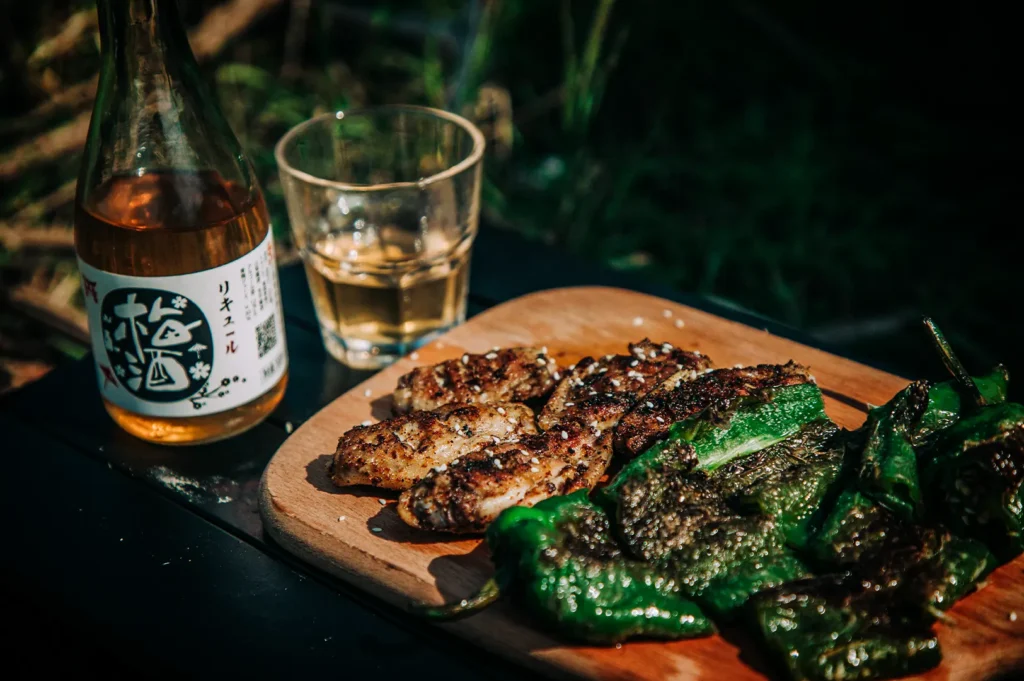
Shunjuu places equal emphasis on sake and charcoal, which makes the meal feel less like a quick skewer stop and more like a complete izakaya evening. Shunjuu’s sake selection is not a side note. The restaurant’s own positioning links charcoal-grill dining with Japanese sake, and that pairing helps explain how to enjoy the meal.
A clean sake can sharpen salted skewers. A rounder glass can soften the richness of tare. Beer and highballs also work well, especially with fried dishes or pork skewers, but sake gives Shunjuu a more traditional izakaya rhythm. It can also wash the palate clean between skewers, especially when the table moves from salt to tare or from chicken to pork.
The practical move is simple: ask for direction. Tell the staff whether the table is leaning toward salt, tare, pork, chicken, or mixed skewers.
A good pairing does not need to be complicated. It only needs to make the next bite clearer.
How To Pace Dinner
Shunjuu is best approached in stages. Start with a few chicken skewers. Add a side. Move into yakiton or richer kushiyaki. Bring in tare after the lighter pieces. Pause for sake. Then return to the grill if the table still has room. This keeps dinner from becoming crowded. When too many skewers arrive together, the ritual flattens. Yakitori wants immediacy. The skewer should still be hot, the surface still fragrant, and the diner still ready to notice it.
That is the calm pleasure of a good izakaya. The meal feels relaxed, but the best moments remain precise.
Useful Details Before You Go
Reservations are a good idea, especially on Thu, Fri, and Sat evenings when the riverside area can draw both business diners and casual groups. If you are planning around opening hours, check the restaurant’s website, Facebook page, or booking platform for current details rather than relying only on old listings.
Some listings show lunch beginning from 12:00, while schedules may be grouped as Mon, Thu, or Fri, Sat, depending on the platform. Those details can change, so a quick check before visiting helps avoid guesswork. It is also worth reading recent reviews before booking. Look for notes on food, service pace, sake selection, and exciting menu availability.
The most useful reviews are not just star ratings. They help you understand whether the restaurant suits the kind of evening you have in mind.
Why Shunjuu Belongs Here
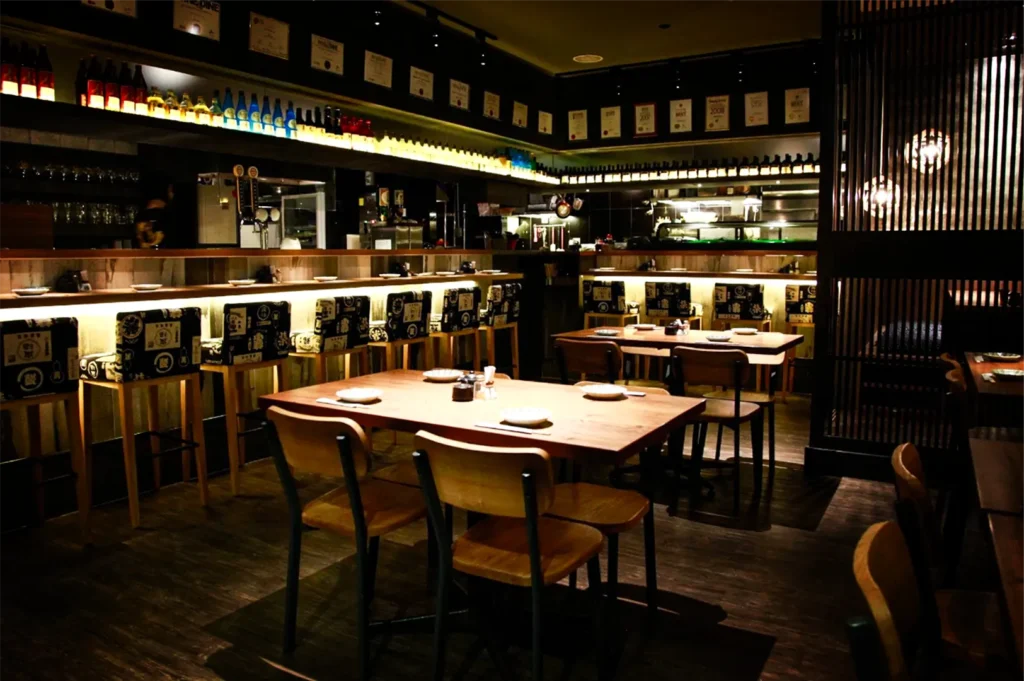
Shunjuu Izakaya fits because its identity is built around binchotan sumiyaki, aged tare, sake, and a long-running Robertson Quay presence. It may not be the smallest or most hidden yakitori counter in Singapore, but that is not its role. Shunjuu is a riverside izakaya where the ritual of skewers becomes approachable.
Come with appetite, but also with attention. Read the lacquer on tare. Notice the snap of hatsu. Let a salted skewer show you the heat before the sauce takes over. That is where Shunjuu Izakaya earns its place among Singapore’s charcoal-minded yakitori establishments, one measured skewer at a time.