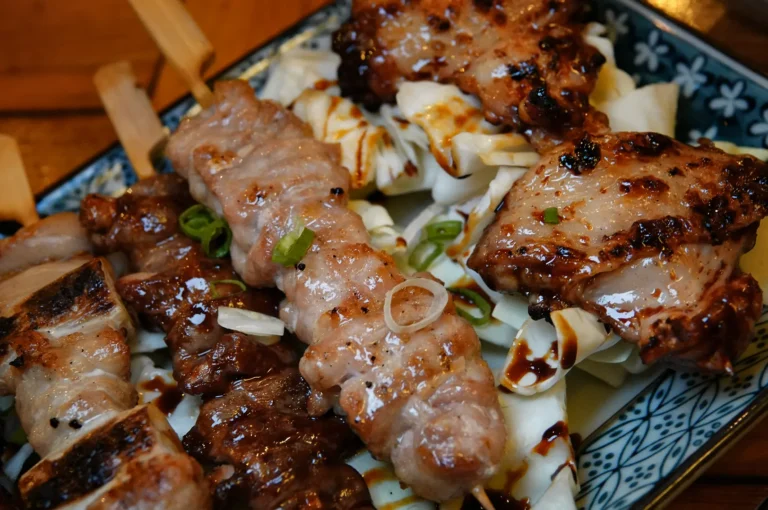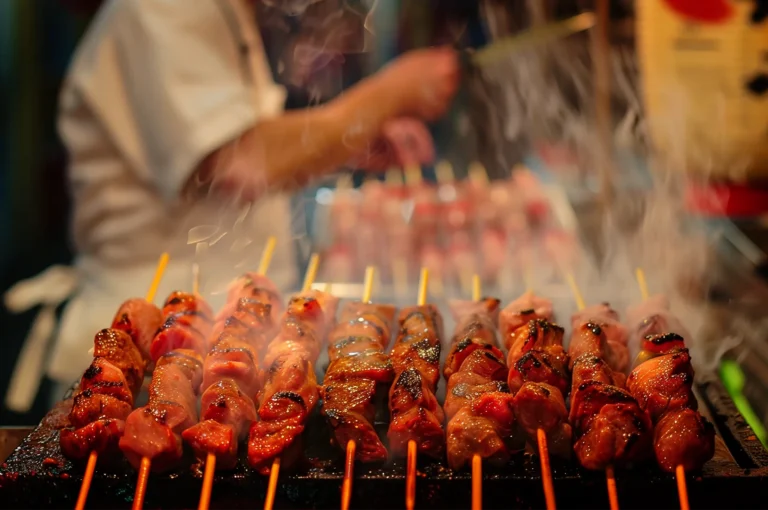

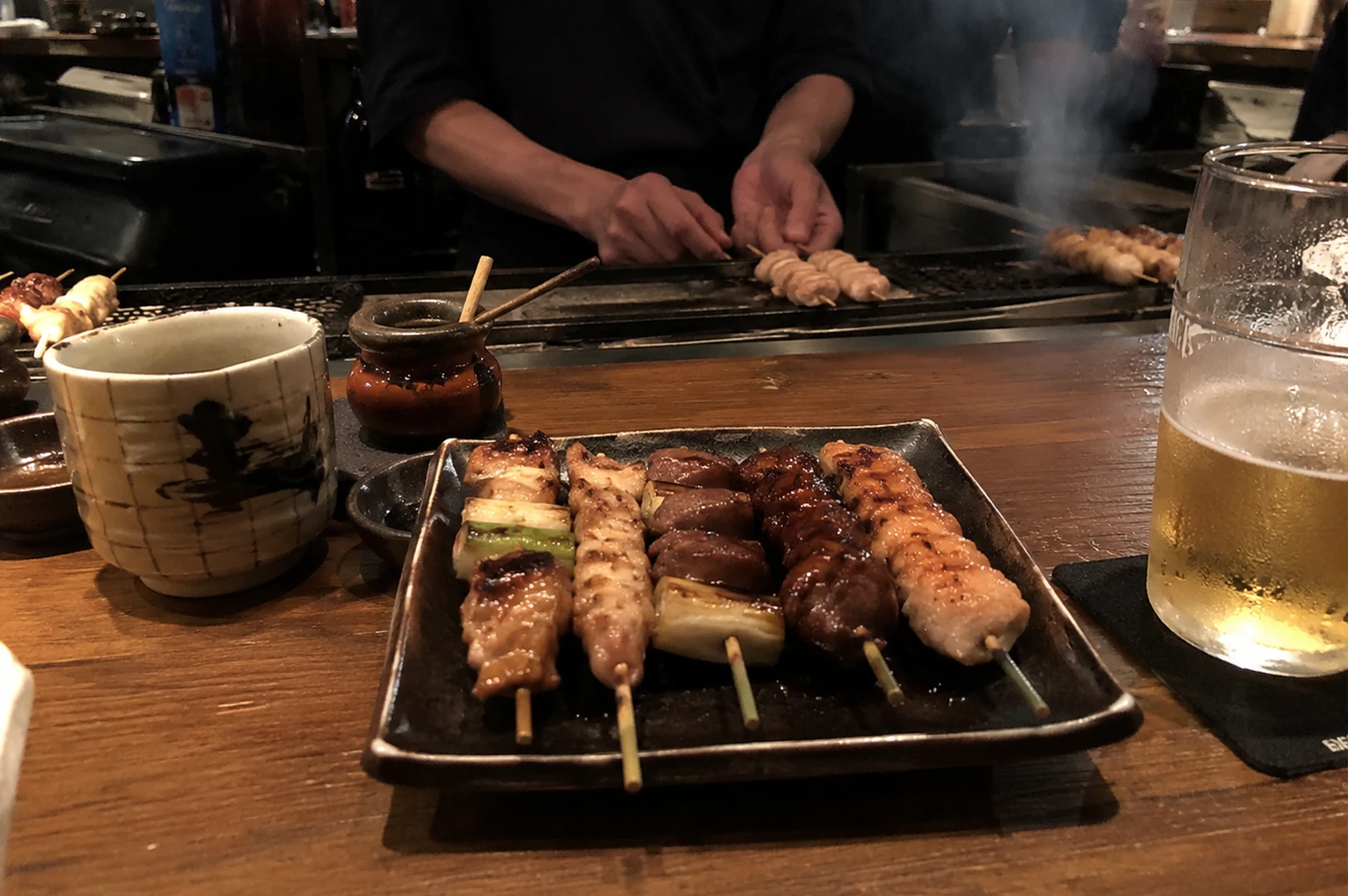
The smoke curls first. It rises from a compact grill no wider than a cutting board, carrying with it the sweet-savoury perfume of fat meeting binchotan charcoal. Somewhere behind you, a glass clinks against wood. The murmur of conversation dips and swells like tide water. You lean in slightly, watching the chef rotate bamboo skewers with practiced fingers, each turn calculated to coax char without crossing into burn. This is yakitori, grilled chicken in its most elemental form, seasoned simply with salt or brushed with a dark, glossy yakitori sauce often made from soy sauce, sake, mirin, and sugar. And yet, in Singapore, the same chicken skewers feel entirely different depending on which street you’re eating them on.
This piece moves through four districts: Tanjong Pagar, Joo Chiat, Robertson Quay, and Orchard. Think of them not as destinations on a map, but as four distinct moods, each one shaping how you order, how long you linger, and how the smoky flavor settles around your shoulders.
Grilled Chicken Yakitori as Everyday Ritual in Singapore’s Food Culture
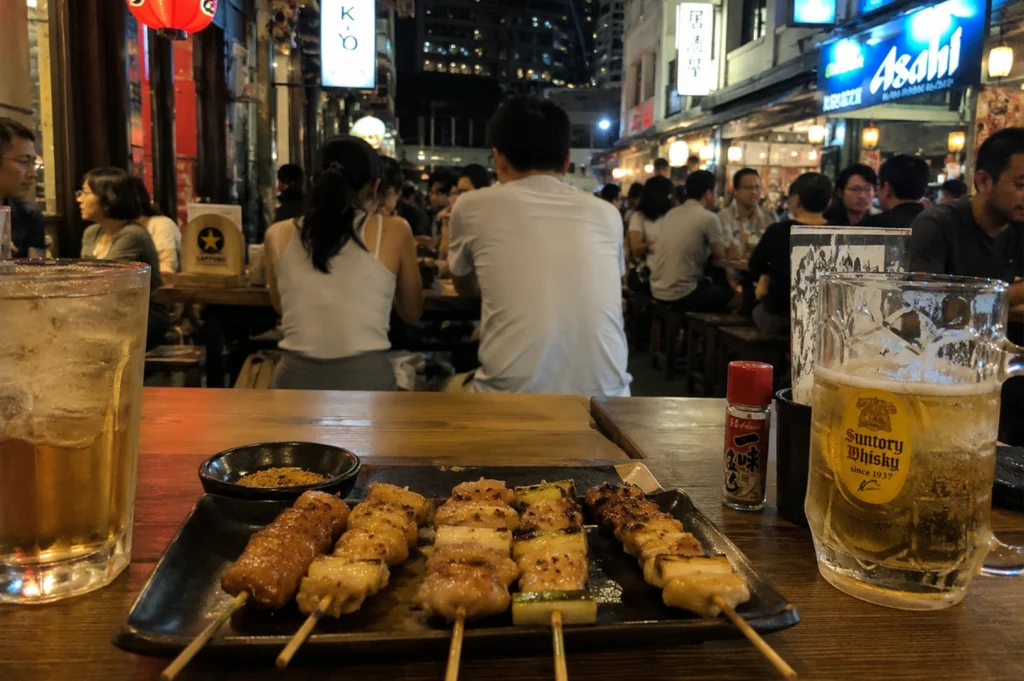
Singapore eats in motion. The city-state runs on hawker centres and kopitiams, on quick lunches grabbed between meetings and late suppers that stretch past midnight. Within this rhythm, yakitori occupies a particular niche: it’s Japanese food that doesn’t demand formality, a style of grilling that invites you to stay awhile without committing to a full meal.
Walk through any neighborhood with a concentration of izakaya-style spots and specialty restaurants, and you’ll notice how naturally yakitori fits into Singaporean habits. It slots between cuisines, a few chicken skewers here, some negima yakitori there, typically bite sized pieces of chicken thigh alternated with scallions on bamboo skewers, perhaps followed by a bowl of ramen down the street or a detour to a dessert stall. Skewers become punctuation marks in a longer food journey, not the main sentence.
Yakitori Sauces and Seasonings: The Flavors That Bind
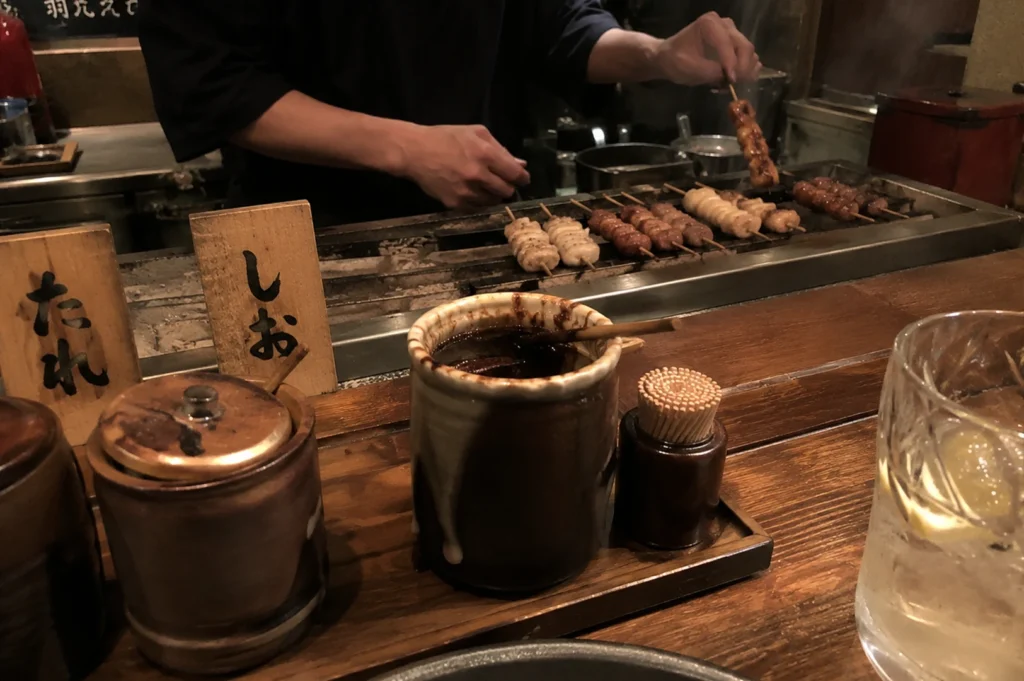
If the grill is the heart of yakitori, then the sauce beomes its soul, and this is something you’ll come to understand as you settle into your seat at the counter. When dining at yakitori restaurants across Singapore and Japan, you’ll notice that the choice between salt (shio) and tare, a savory sauce often compared to teriyaki sauce, isn’t simply about preference, it’s a quiet way of telling the chef how you want to experience your chicken skewers.
Many restaurants take deep pride in their delicious house-made yakitori sauce, recipes often guarded and refined over years. Some chefs add garlic or ginger for extra depth, while others simmer tare with sake or a hint of pork for a richer profile. Specialty restaurants offer additional sauce options: spicy, tangy, even citrusy variations, designed to complement different cuts, from tender chicken pieces to the robust chicken gizzards or creamy chicken liver. In every neighborhood, on every street, the sauce reduces slowly over low heat, intensifying the flavor until it laces each skewer with an intense flavor that lingers on your palate and settles into memory.
Tanjong Pagar: After-Work Heat, Yakitori Restaurants, and Corporate Release
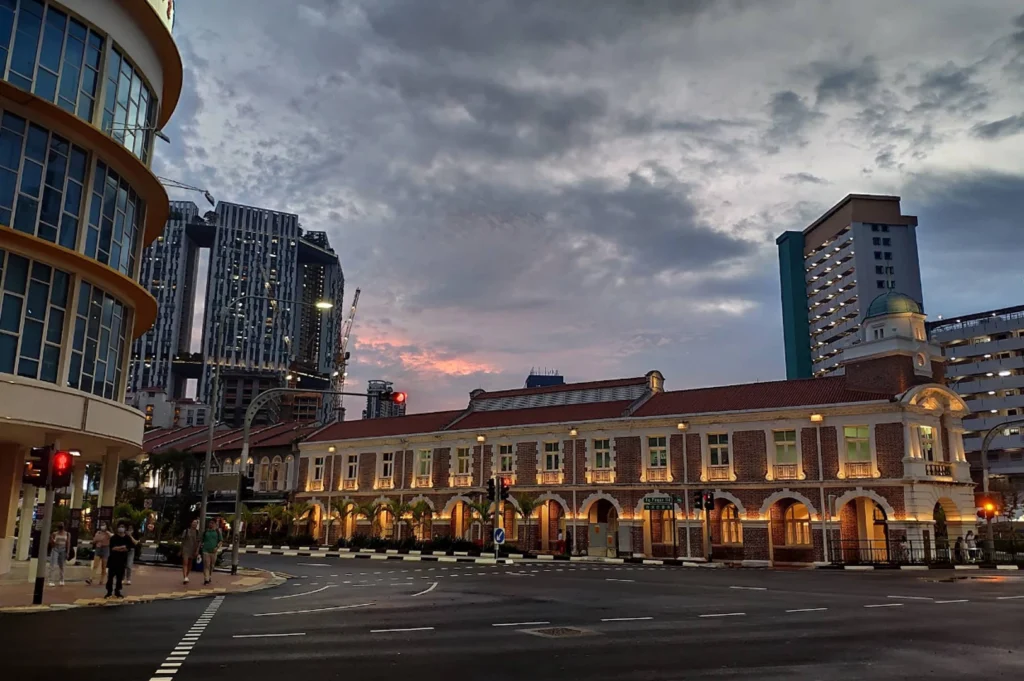
By 6:30 on a weekday, Tanjong Pagar buzzes with after-work energy as office workers trade briefcases for beer mugs. Yakitori spots here are compact and lively, with tight counters and grills near entrances filling the air with the scent of chicken fat over high heat charcoal. Skewers like negima yakitori, chicken breast, skinless chicken thighs, and crispy chicken skin are served quickly, fueling fast-paced, communal dining where orders grow adventurous as the night deepens.
The atmosphere in Tanjong Pagar is defined by speed and release, with skewers cooked over intense heat and eaten immediately for optimal flavor. Regulars are known by their drink orders, and the ritual unfolds swiftly before many head home or to a second bar. This district’s yakitori scene is a dynamic blend of urgency and camaraderie, perfect for quick unwinding after a busy day.
In this neighborhood, yakitori is more than food, it’s a fast, flavorful escape. The combination of smoke, sizzling meat, and lively chatter creates a distinct mood, making Tanjong Pagar a hub for those seeking both familiar favorites and bold new tastes in a bustling, no-frills setting. Alongside chicken, you’ll find pork belly and shishito peppers grilled to perfection, often wrapped in bacon or paired with shiitake mushrooms to add variety.
Joo Chiat: Residential Lanes and Slower, Softer Evenings
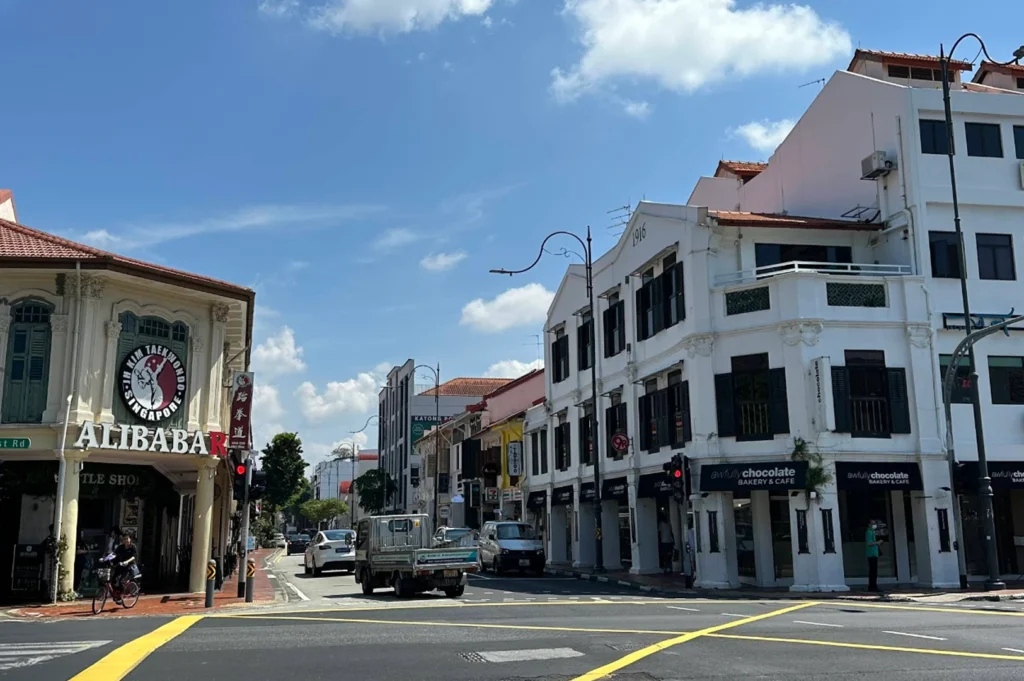
In the quieter streets of Joo Chiat, yakitori takes on a softer, more domestic character. Evening arrives later, and the grill’s charcoal aroma mingles with jasmine and distant city sounds. Diners here are neighbors, families, couples, and longtime friends, who savor chicken meatballs made from ground chicken, skinless chicken thighs, and chicken wings at a leisurely pace, with conversations stretching between bites.
The yakitori experience in Joo Chiat feels like an extension of home life rather than a dining event. Skewers arrive unhurriedly, and the chef shares insights about seasoning choices, creating a warm, familiar atmosphere. This neighborhood’s yakitori is comfort food woven into the fabric of everyday living.
Here, the mood is calm and reflective, shaped by the gentle sounds and slower rhythm of the area. Yakitori is enjoyed as a comforting routine, a quiet pleasure for those who wander in after the day’s end, blending seamlessly with the residential surroundings.
Robertson Quay: Waterfront Glow and Cosmopolitan Drift

By 8 PM at Robertson Quay, the humidity eases as neon lights reflect on the Singapore River. Yakitori venues open with terraces facing the water, where smoke drifts gently in the breeze. The diverse clientele includes families, visiting executives, tourists, and couples, creating a relaxed, social atmosphere distinct from Tanjong Pagar’s urgency.
The sensory contrast between the river and the grill shapes the mood, sizzling fat over charcoal blends with the sound of water and passing boats. Skewers like ground chicken meatballs, pork belly, and asparagus wrapped in bacon are enjoyed alongside sake and wine, while solo diners opt for quick bites of tender chicken tenders and beer.
Overall, Robertson Quay offers a leisurely yakitori experience, where conversations flow and the grill’s rhythm becomes part of the riverside ambiance, inviting diners to savor each skewer at their own pace. Vegetables such as shiitake mushrooms and shishito peppers are common accompaniments, adding a crunchy texture and balancing the intense flavor of the meat.
Orchard: Mall Light, Fine Dining, and the Quiet Skewer
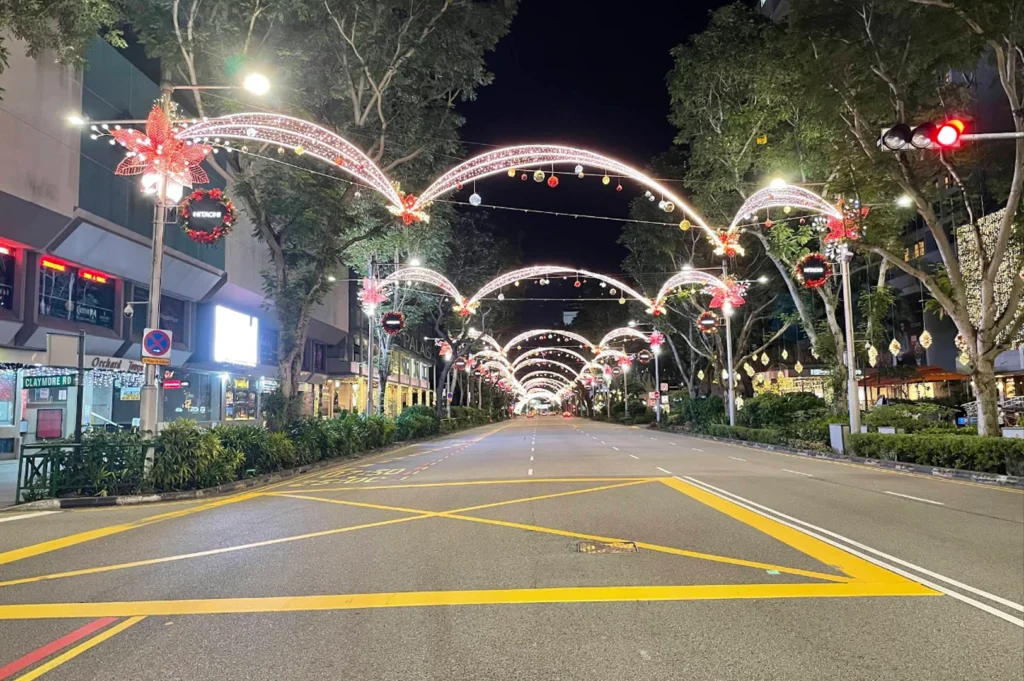
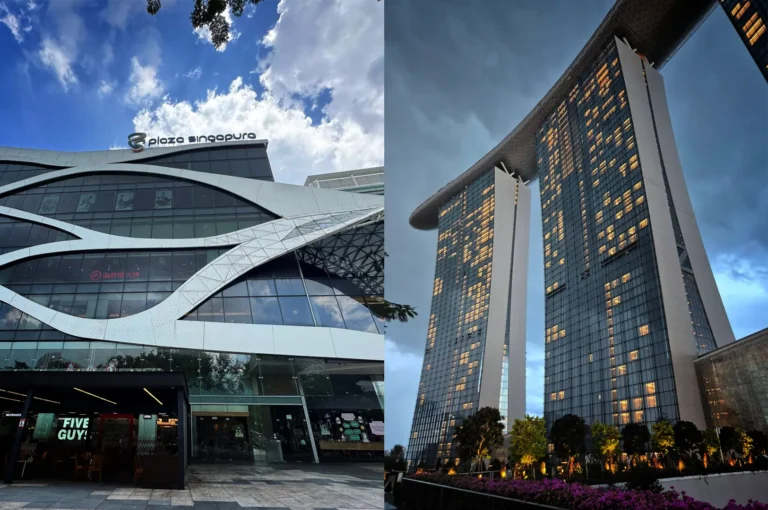
Orchard by day is a shopper’s haven with bright escalators and air-conditioned relief, but by night, it transforms into a refined dining scene. Yakitori here leans toward polish, served in softly lit spaces with carpets and sound-absorbing panels that contain grill sounds and create a controlled atmosphere. Diners include shoppers, hotel guests, office workers, and small groups exploring food halls, blending casual and fine dining.
In Orchard, yakitori is presented as elegant Japanese small plates, often part of a broader meal with tempura, sushi, or wine. Even casual spots show fine-dining awareness, with more formal service and refined presentation. The raw elements of smoke and fat are tempered by the mall’s ambiance, creating a smooth, curated experience.
The pace is moderate, with some diners enjoying quick interludes and others settling in for a slower exploration of the menu. Unlike the lively streets of Tanjong Pagar or the relaxed riverfront of Robertson Quay, Orchard offers yakitori in its most civilized and restrained form, emphasizing quality and atmosphere over urgency.
Between Skewers and Streets: What Neighbourhoods Reveal
Four districts. The same basic elements: chicken, charcoal, bamboo skewers, salt or tare sauce. And yet, four entirely different emotional tempi.
| District | Mood | Typical Pace | Who You’ll Find |
|---|---|---|---|
| Tanjong Pagar | Release | 45-60 minutes | After-work crowds, corporate groups |
| Joo Chiat | Comfort | 90-120 minutes | Neighbourhood regulars, families, couples |
| Robertson Quay | Drift | 2+ hours | Cosmopolitan mix, date nights, tourists |
| Orchard | Curation | 60-75 minutes | Shoppers, hotel guests, polished groups |
What emerges is a reminder: yakitori is never just about the skewer. The grill’s location, table arrangement, surrounding sounds, and service pace all shape the experience. Yakitori is best cooked over charcoal or a heating element that provides steady heat and meant to be eaten hot off the grill, served immediately to preserve the juicy, tender texture and smoky flavor.
Singapore’s food culture reflects this fluidity, where dishes change character depending on their setting, MRT lines, rivers, playgrounds, or luxury shops. Diners move seamlessly from hawker stalls to izakayas to fine omakase, with yakitori fitting naturally into this flow. Next time you savor a charred skewer, notice not only the seasoning and smoky flavor but also the street outside, the voices around you, and whether the smoke rises straight or drifts. Whether you’re rushed or relaxed matters as much as the taste.