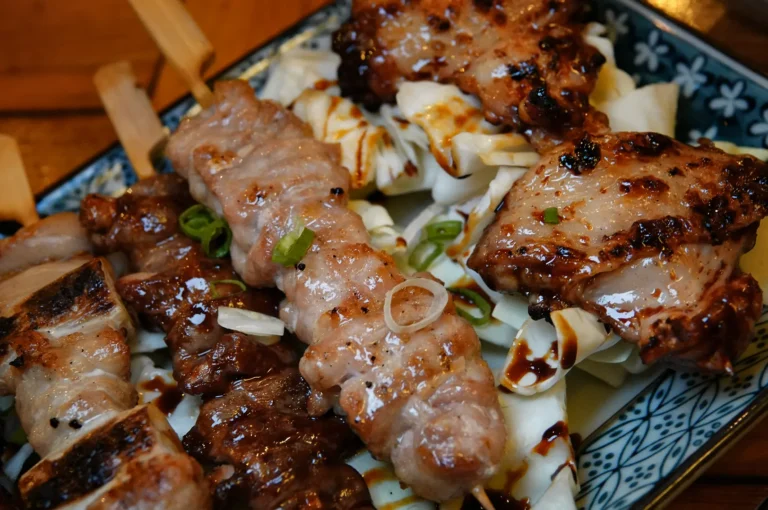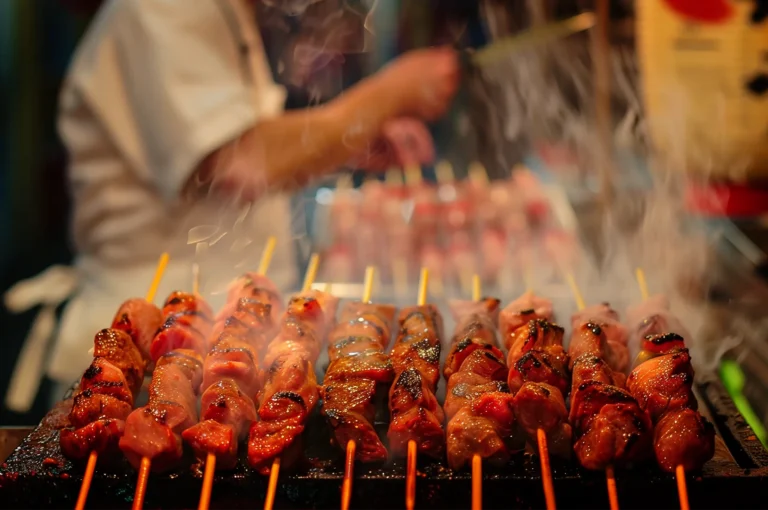

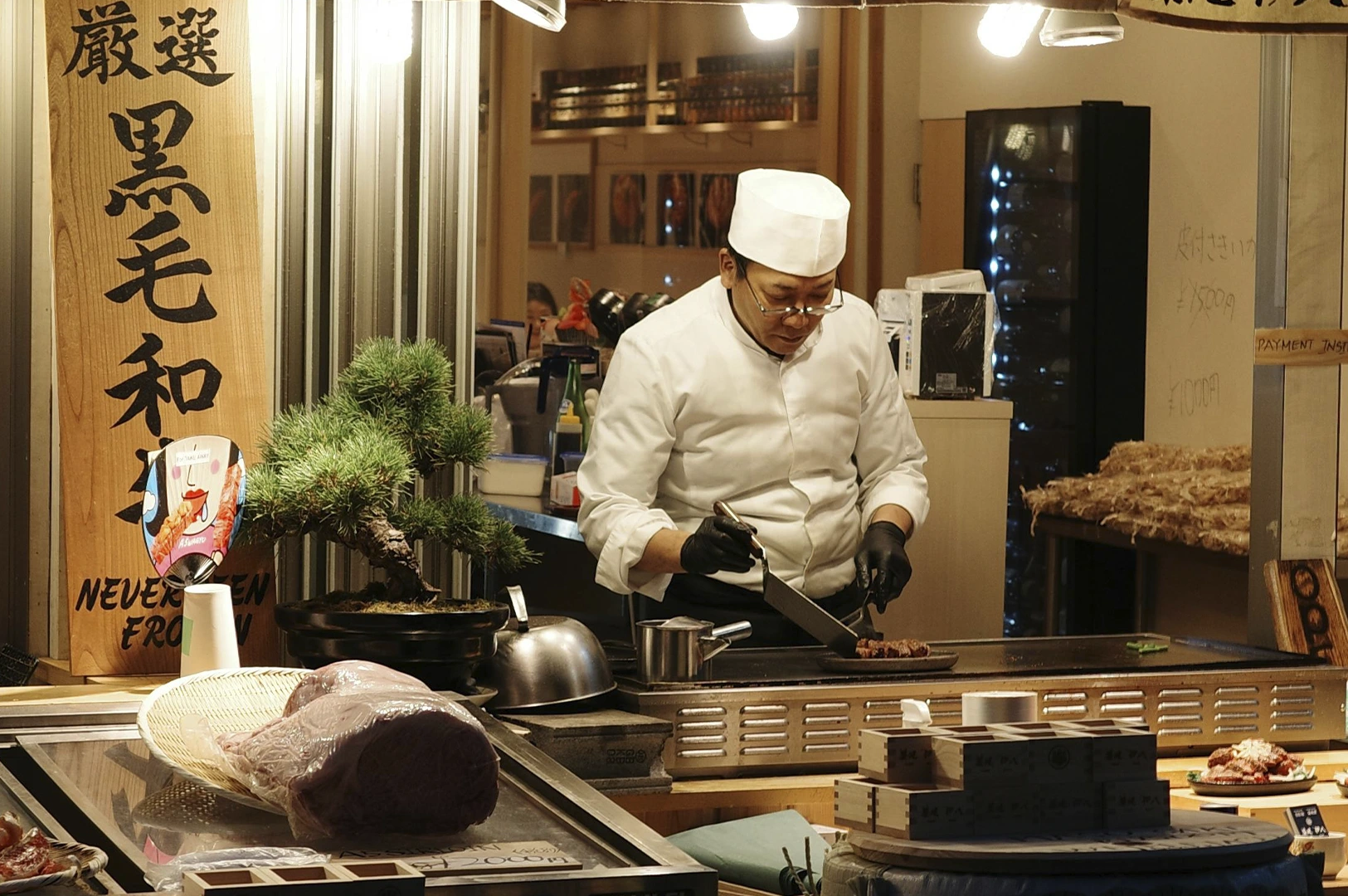
Charcoal grilling is a fundamental aspect of Japanese cuisine, particularly in the preparation of yakitori and other traditional dishes. The process of grilling over charcoal imparts a unique smoky flavor that is difficult to replicate with other cooking methods. This guide will explore the essential elements of using a charcoal grill for grilled chicken and other dishes, including techniques for achieving the perfect yakitori skewers and yakitori sauce.
Charcoal Grill: The Heart of Japanese Grilling
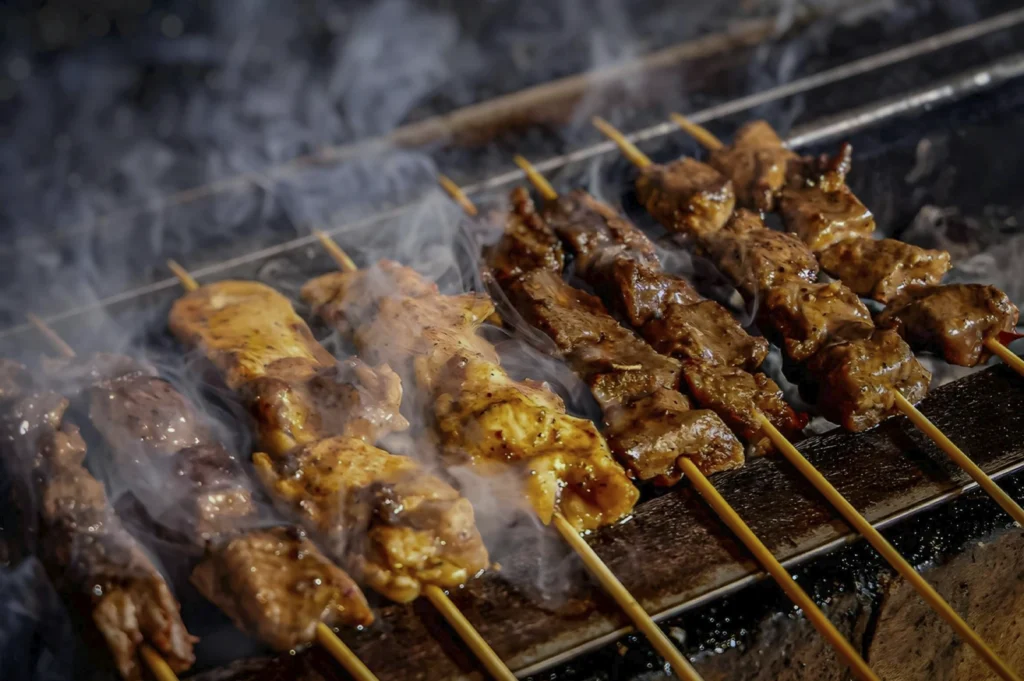
The charcoal grill is an essential tool in many Japanese homes and restaurants, offering a traditional method of cooking that enhances the taste of food. Unlike gas or electric grills, charcoal produces heat through the burning of coals, which adds a distinct smoky flavor to the food being cooked. This method allows for high heat grilling, which helps to sear the food quickly, locking in its natural juices.
When using a charcoal grill, it is important to control airflow to manage the temperature. Medium high heat is typically used for grilled chicken and vegetables, while low heat is better for delicate foods like fish or mushrooms. The chimney starter is a useful tool for getting the charcoal ready, allowing it to burn evenly without the need for lighter fluid.
Grilled Chicken: A Key Element of Yakitori
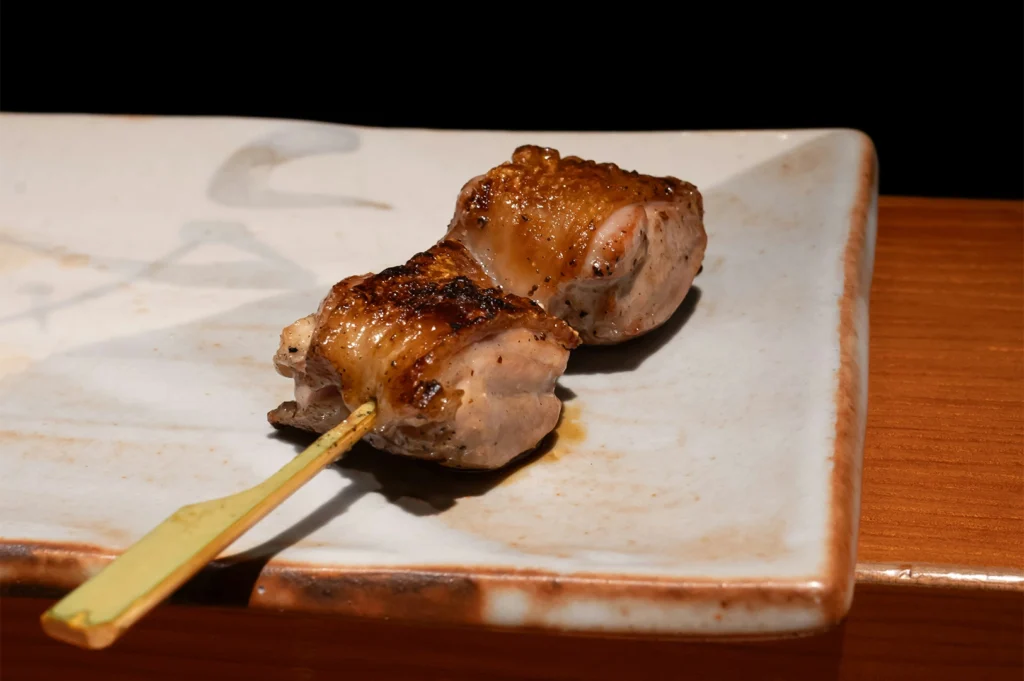
In Japanese grilling, grilled chicken is often the star of the meal, especially in the form of yakitori skewers. Yakitori refers to chicken skewers, typically cooked over a charcoal grill, that feature various cuts of chicken such as chicken thighs, wings, or even chicken breast. These chicken pieces are threaded onto bamboo skewers and grilled to perfection, often brushed with a yakitori sauce made from a combination of soy sauce, mirin, sake, and sugar.
The choice of chicken cut can significantly influence the taste and texture of the dish. Skinless chicken thighs are commonly used due to their rich flavor and juiciness, but boneless chicken or chicken breast can also be used for a leaner option. The key is to ensure the meat is fully cooked, while retaining its moisture and tenderness.
Chicken Skewers: The Versatility of Yakitori
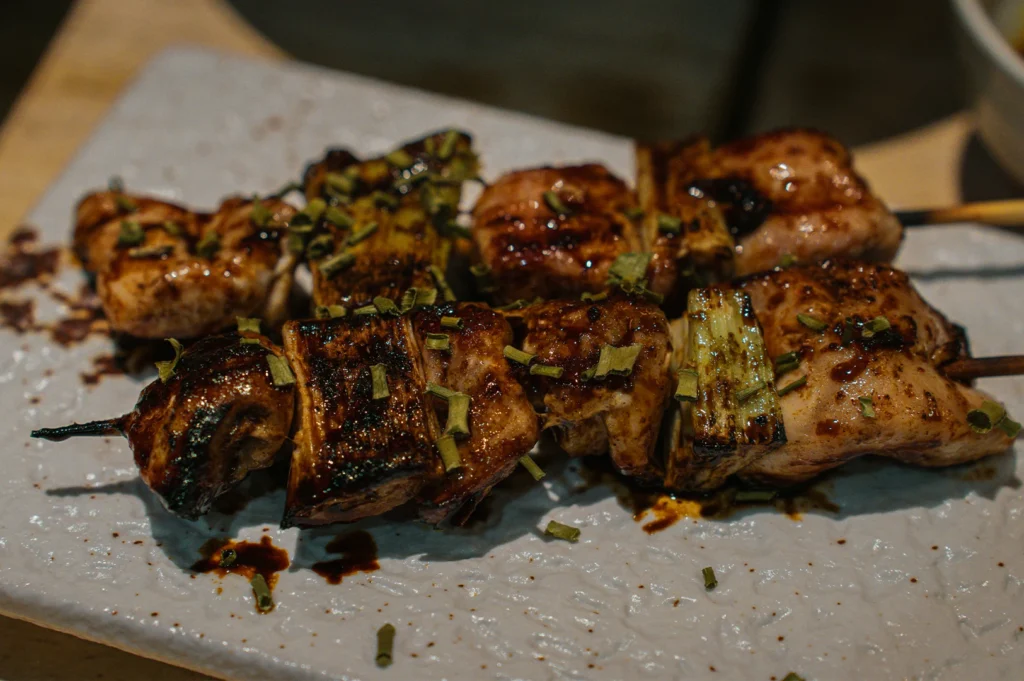
Chicken skewers are the perfect example of how simple ingredients can be transformed into a delicious dish with the right technique. Whether you’re preparing teriyaki chicken skewers or negima yakitori (a type of yakitori that alternates pieces of chicken thigh and green onions), the process is essentially the same. Bamboo skewers are ideal for this purpose, as they allow the meat to cook evenly over the grill without burning.
To make the perfect yakitori skewers, it is important to season the meat with the right balance of yakitori sauce or a dry rub before grilling. The grill grate should be preheated, and the bamboo skewers should be carefully placed over the hot spots of the grill to ensure the chicken pieces cook evenly.
Yakitori Skewers: A Delicacy to Master
The art of grilling yakitori skewers goes beyond simply placing chicken on a stick. Each type of yakitori recipe requires a unique approach to ensure that the meat is cooked properly and that the flavor is fully developed. One of the most common styles of yakitori is negima yakitori, which features alternating pieces of chicken thigh and green onions on bamboo skewers.
To prepare negima yakitori, start by marinating the chicken pieces in a mixture of soy sauce, mirin, sake, and sugar. This will create a balanced yakitori sauce that both seasons and tenderizes the meat. As the skewers are grilled, baste them with the sauce to enhance the flavor and create a glossy finish on the chicken.
Yakitori Sauce: The Secret to Perfect Skewers
Yakitori sauce (also known as tare) is a key element in many yakitori recipes. The sauce is typically made by simmering soy sauce, mirin, sake, and sugar together until the sauce thickens and reduces to a rich, sweet, and salty glaze. The sauce not only adds flavor to the chicken skewers but also acts as a marinade, ensuring that the meat remains tender and juicy as it grills.
When grilling, yakitori sauce can be applied to the skewers in two ways. The first is to baste the skewers with the sauce during grilling, allowing the sauce reduces and caramelizes on the surface of the meat. The second method is to serve extra sauce on the side for dipping, giving the diner more control over the flavor of each bite.
Yakitori Recipe: Creating a Complete Meal
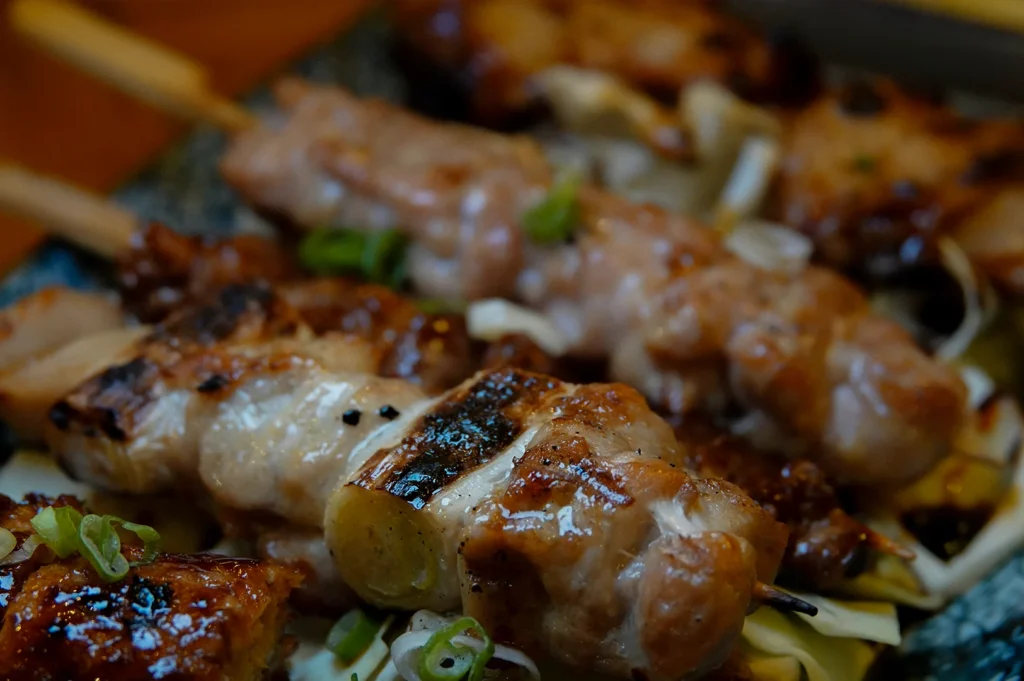
A yakitori recipe is not complete without the accompanying sides and vegetables. Shishito peppers, asparagus, and mushrooms are common vegetables grilled alongside the skewers, adding variety to the meal. These items can be seasoned with a simple sprinkling of salt or a quick baste of yakitori sauce to enhance their flavor.
To ensure everything is cooked evenly, it is essential to manage the heat of the grill. Some vegetables, such as asparagus and mushrooms, cook quickly, while others, like shishito peppers, require a bit more attention to avoid flare ups. The key is to adjust the grill for medium heat to allow the meat and vegetables to cook thoroughly without burning.
Bamboo Skewers: The Perfect Tool for Grilling
The use of bamboo skewers is central to yakitori grilling. These skewers are lightweight, durable, and able to withstand the high heat of the charcoal grill. Additionally, bamboo skewers are easy to use and provide the perfect way to evenly space meat and vegetables for consistent cooking.
When preparing skewers, it is important to thread the ingredients loosely onto the bamboo skewers to allow for proper airflow and ensure the food cooks evenly. Too tightly packed, and the food may not cook thoroughly or might stick to the skewers. It’s also important to soak bamboo skewers in water for about 30 minutes before grilling to prevent them from burning on the grill.
Negima Yakitori: A Classic Japanese Dish
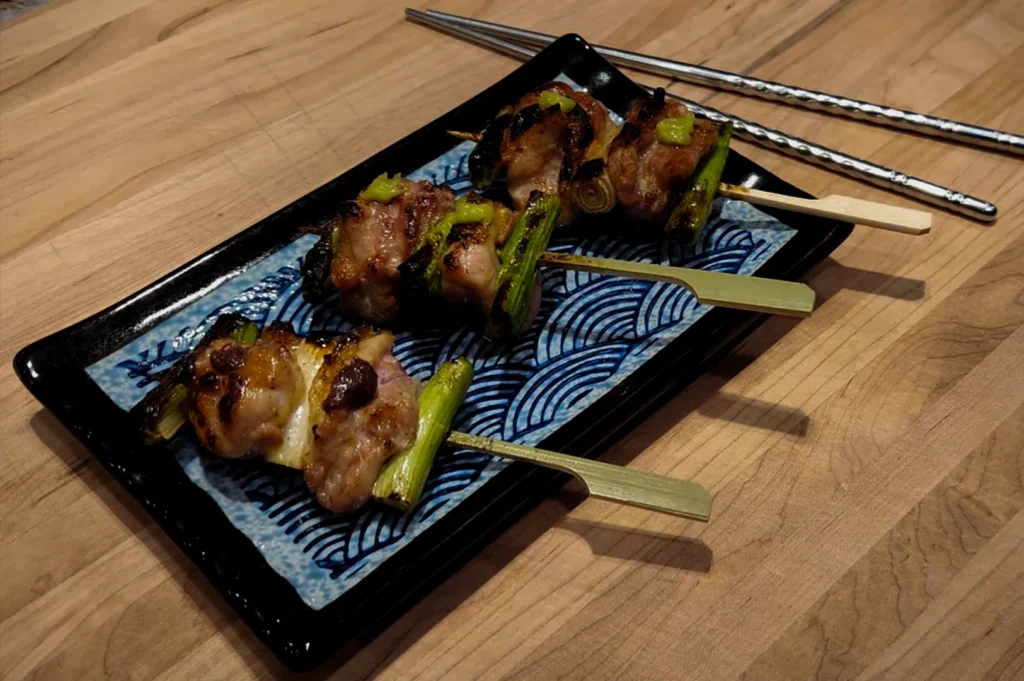
One of the most popular types of yakitori is negima yakitori. This dish combines chicken thigh with green onions on bamboo skewers, offering a perfect balance of tender chicken and the sweetness of the onions. The yakitori sauce enhances the flavor of both the chicken and the green onions, creating a savory and satisfying dish.
To prepare negima yakitori, alternate pieces of chicken thigh with chunks of green onions on the bamboo skewers, and brush the skewers with yakitori sauce as they cook. The result is a delicious, well-balanced dish that is typically cooked over medium heat for a juicy and flavorful meal.
Conclusion: The Art of Charcoal Grilling
Mastering the art of charcoal grilling is a rewarding endeavor that requires patience, attention to detail, and an understanding of the techniques that make yakitori and other Japanese food so unique. From selecting the right charcoal grill to carefully managing the heat and grilling times, the process of creating perfectly grilled chicken, pork belly, and vegetables is a gratifying experience.
Whether preparing simple chicken skewers or more intricate dishes like negima yakitori, the key to success lies in the quality of your ingredients, the skill of your grilling, and the perfect balance of sauces and seasoning. By following these techniques and recipes, anyone can recreate the authentic taste of yakitori and enjoy the rich, smoky flavors that come from cooking over charcoal.
For those interested in experiencing authentic yakitori beyond home cooking, visiting specialized yakitori counters like those featured in the Somerset Singapore yakitori dining experience can provide a deeper appreciation of this traditional Japanese grilling art.