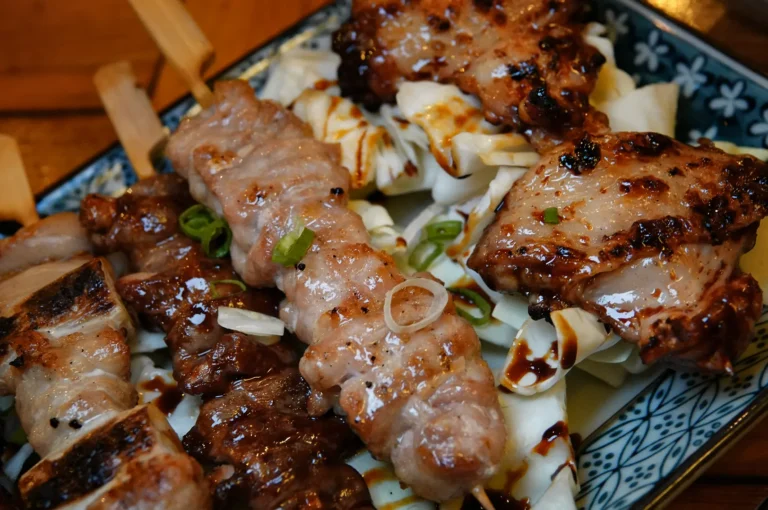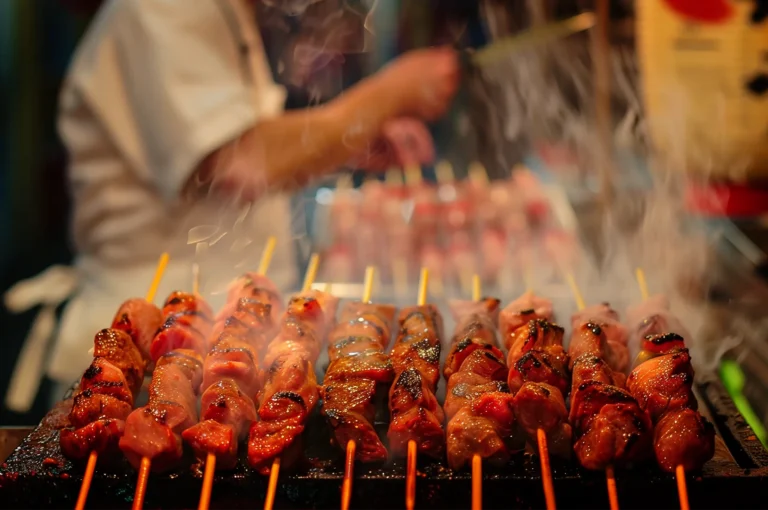

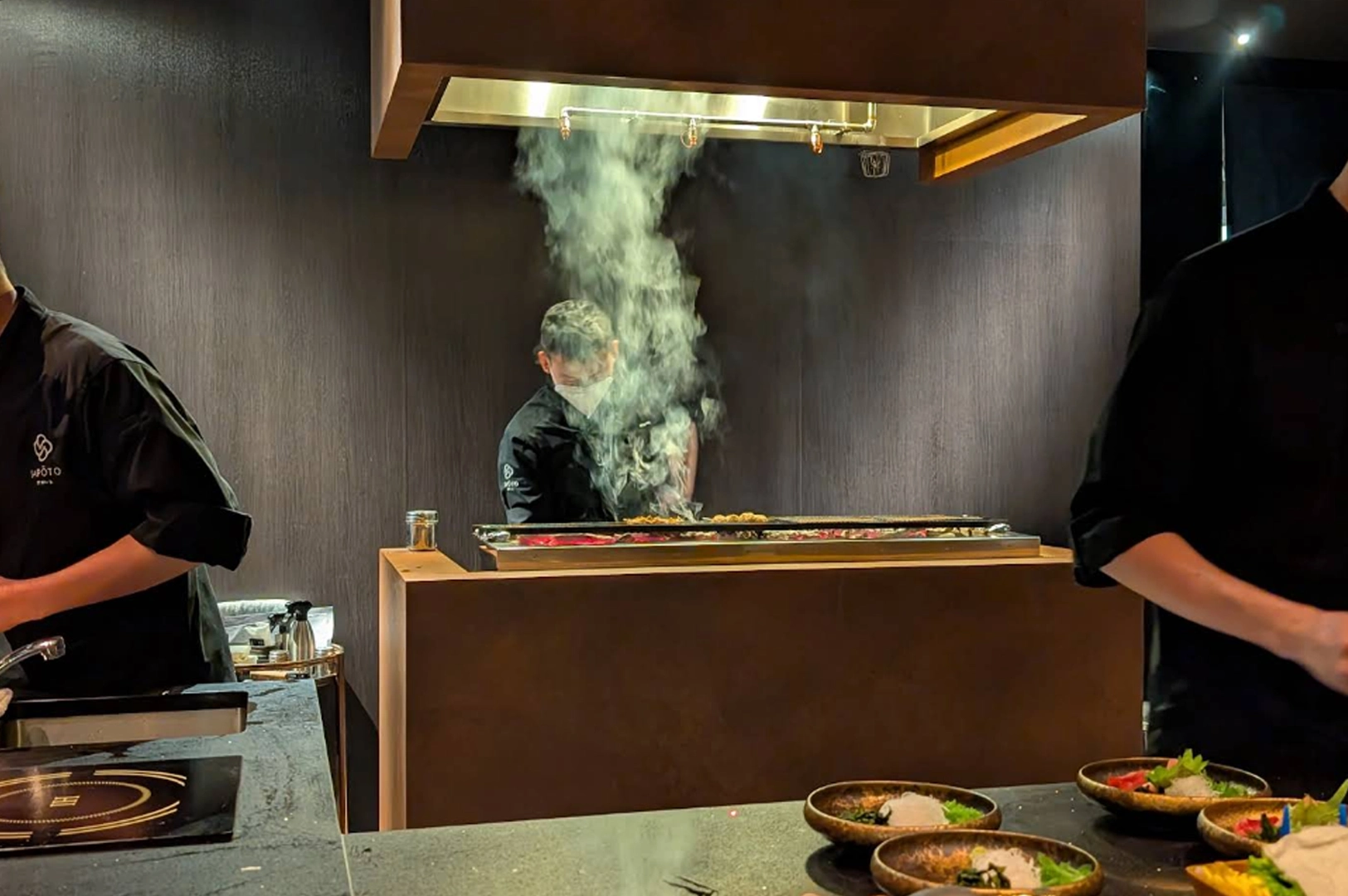
When people search for the best yakitori in Singapore, they’re often looking for a simple answer: the one spot that stands out above the rest. But when it comes to yakitori, the definition of “best” isn’t so straightforward. The best yakitori isn’t always the most photographed or the most talked about. It’s about an experience, one that’s shaped by timing, technique, and the perfect execution of grilling chicken skewers to capture the essence of Japanese cuisine.
In this article, we’ll explore what makes yakitori so unique, the various components that make the best yakitori restaurants in Singapore, and how yakitori transcends ranking.
What is Yakitori: Japanese Cuisine?
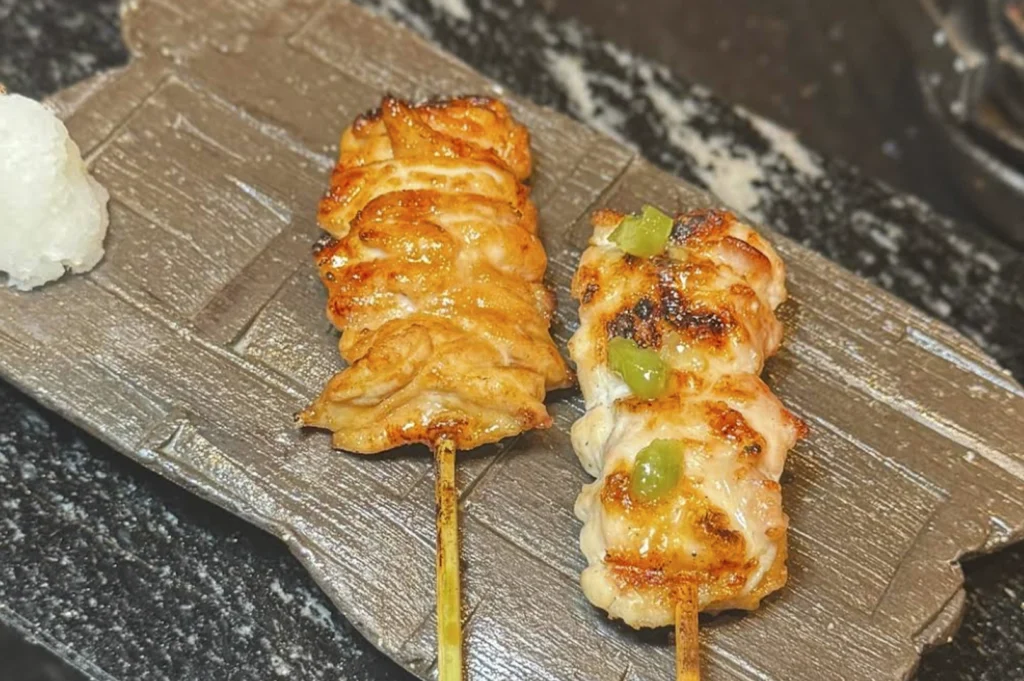
Yakitori, a traditional Japanese cuisine staple, centers on skewered grilled chicken. At its core, it’s a simple dish: chicken cooked over charcoal, often seasoned with salt or tare (a savory sauce), and grilled to perfection. However, its appeal lies in the subtlety of preparation. The chicken is typically separated into different cuts, each offering a distinct flavor and texture. Chicken skin, chicken thigh, chicken oyster, and even more unusual cuts like chicken gizzard and heart aorta are all included in the mix. Each piece is grilled over charcoal, giving it a smoky flavor and crisp texture that’s difficult to replicate with other cooking methods.
The Importance of Grilling Technique in Yakitori Restaurants
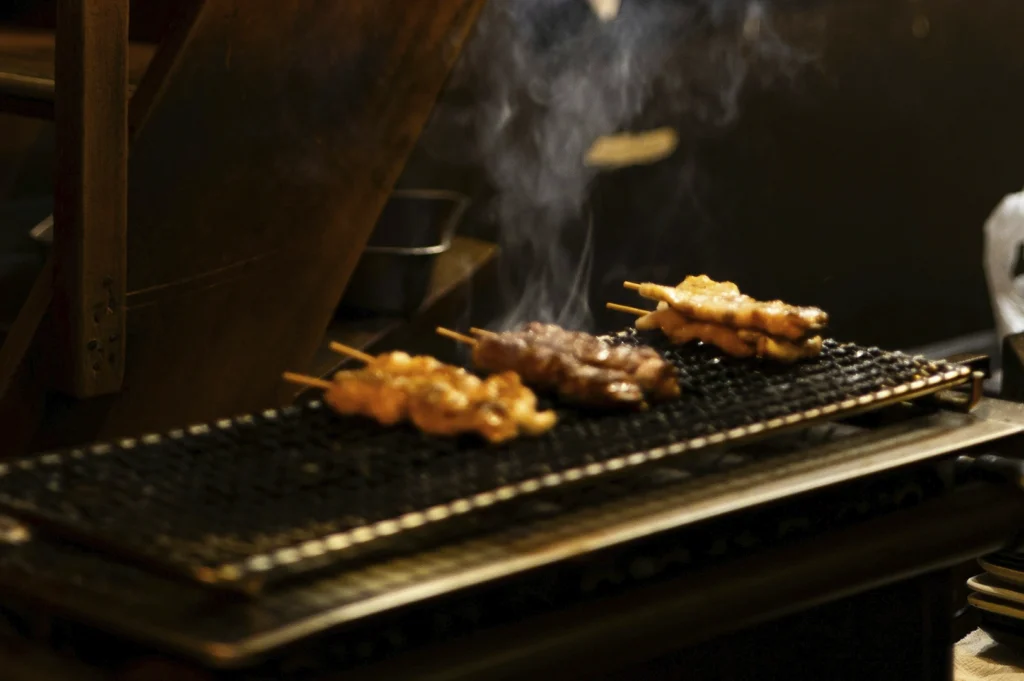
One of the defining characteristics of yakitori is the grilling process itself. The chicken skewers are placed over a live charcoal fire, and the key is to ensure they’re cooked just enough. A chicken thigh needs to be juicy beneath its smoky skin, while a chicken wing should be seared to the right degree, where the skin tightens and crisps without overcooking the meat. This balance is something that chefs master over time, creating a rhythm that defines the quality of yakitori.
Some cuts, like chicken oyster, are prized for their tenderness. The natural fat from the chicken helps retain moisture, and it’s the chef’s ability to control the fire that ensures the piece remains juicy without becoming greasy. In other cases, such as chicken gizzard, you get a firm resistance before it tenderly yields, creating an exciting contrast in texture.
What Makes the Best Yakitori in Singapore?
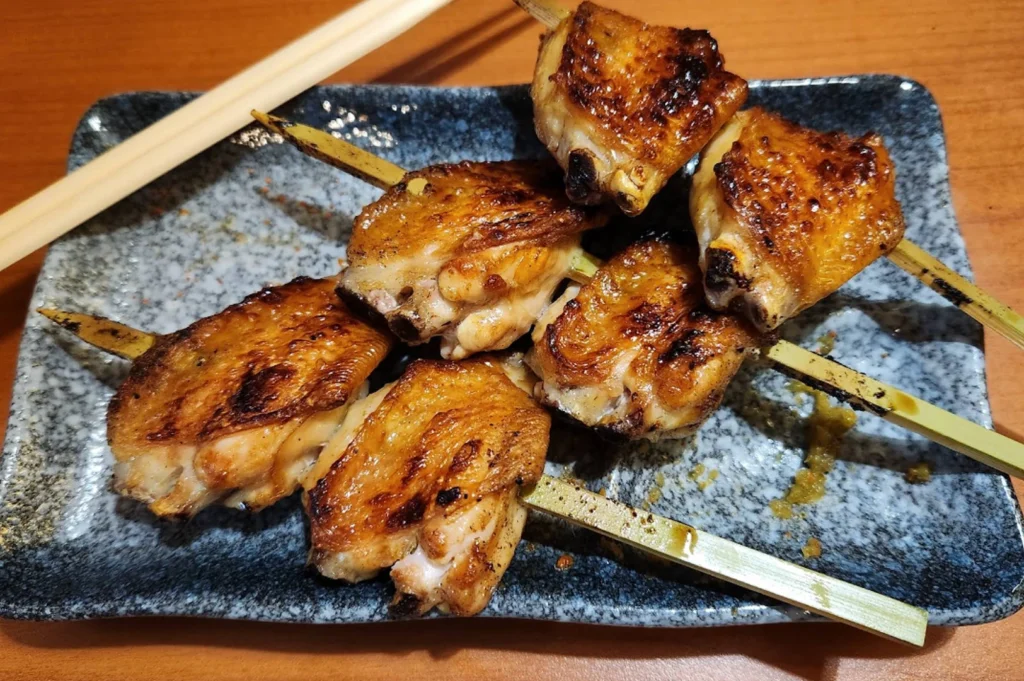
While there are no strict rules to define the best yakitori, there are qualities that great yakitori shares. First and foremost, it’s about the quality of the chicken and the technique of grilling. In Singapore, a few key features distinguish yakitori restaurants that serve exceptional chicken skewers:
- Charcoal: The use of charcoal is non-negotiable. It imparts a smoky flavor that is essential to the yakitori experience. Charcoal is much hotter and drier than other cooking methods, allowing for a searing heat that crisps up the skin while locking in the juices.
- Freshness: The fresh quality of the chicken is just as important as how it’s cooked. Fresh, quality meat ensures that each skewer delivers the right amount of tenderness and flavor. This is true not only for popular cuts like chicken thigh but also for lesser-known parts like soft bone, neck, or tail.
- Simplicity and Restraint: The best yakitori restaurants are often those that understand the beauty of restraint. Whether it’s a simple sprinkle of salt or a delicate brush of tare sauce, the flavor comes from the charcoal fire and the meat. There’s no need for excessive seasoning or unnecessary gimmicks; the focus is on enhancing the natural flavors of the chicken.
- Service and Atmosphere: In some cases, yakitori is served in a kappo style restaurant, which emphasizes a more personalized, intimate experience. These establishments typically offer counter seating where diners can watch the chef work. The interaction between the chef and the diners is part of what makes yakitori special, as it encourages a deeper connection to the food.
Different Cuts of Chicken and Their Importance
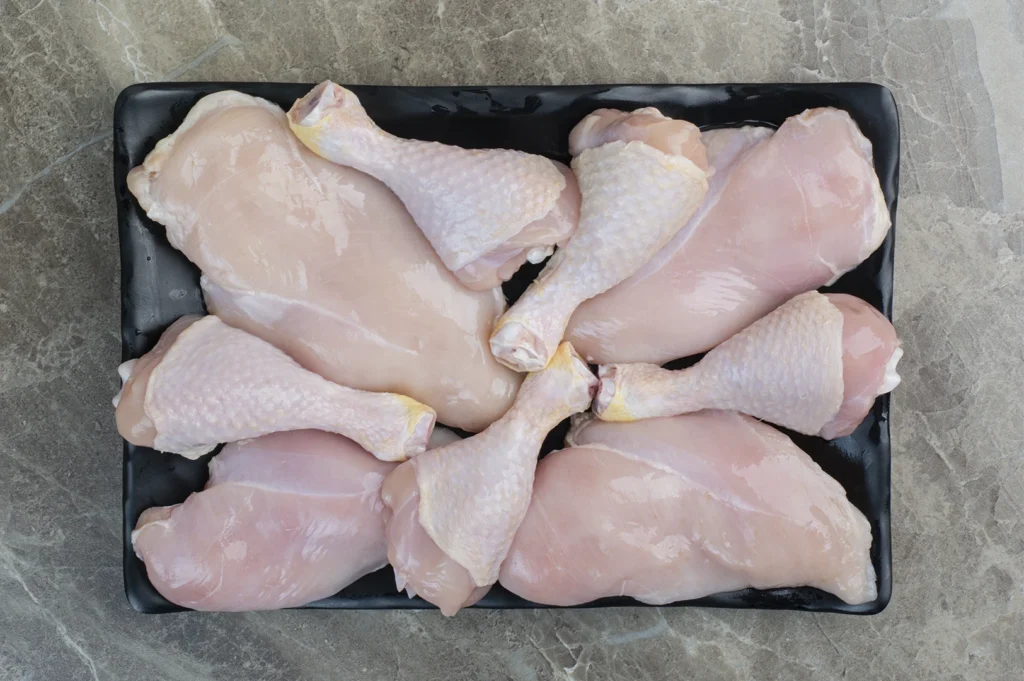
Part of the charm of yakitori is the variety of cuts that are used, each offering a unique texture and flavor profile. While some diners might be familiar with the standard chicken thigh or wing, others may find themselves surprised by less common parts like chicken oyster, heart aorta, and even chicken gizzard.
- Chicken Thigh: This cut is a favorite due to its balance of tenderness and fat. The rich flavor of chicken thigh remains juicy under the crispy skin, making it one of the best cuts to start with.
- Chicken Skin: Chicken skin is often grilled until it’s ultra-crispy and golden, delivering a satisfying crunch. It may be simple, but it’s incredibly flavorful due to its fat content, which intensifies the smoky flavor from the charcoal.
- Chicken Oyster: The chicken oyster is located near the thigh, and it’s one of the most tender cuts. It’s small, but its rich, juicy texture makes it a standout when grilled properly.
- Chicken Gizzard and Heart Aorta: For those willing to explore beyond the basics, the gizzard and heart aorta offer a firmer texture with a deeper flavor. These cuts are often considered more adventurous, providing a unique chew that contrasts with the tender cuts like thigh and wing.
- Tsukune and Meatball: The tsukune, or meatball, is a popular skewer made from minced chicken, often glazed with a sweet-savory sauce and sometimes served with a raw egg yolk dip. It’s a must-try for gourmands seeking a delicious and hearty bite.
Pairing Yakitori with Traditional Accompaniments
In addition to the skewers, the way yakitori is served plays a significant role in creating an authentic experience. Many diners enjoy dipping their skewers into egg yolk, which adds a rich and creamy texture to the grilled chicken. This accompaniment is traditional in Japan, where it’s known as tamago. Some prefer their skewers seasoned with just a sprinkling of salt, while others enjoy them with tare, a sweet soy-based sauce.
The concept of balance extends beyond the skewers themselves. Yakitori is often served alongside snacks and drinks, making it a casual yet satisfying meal that can be enjoyed slowly. In some restaurants, this can be part of a larger dining experience, where yakitori is paired with other grilled dishes like pork, beef, and even seafood.
For first time visitors or gourmands alike, Singapore’s best yakitori restaurants offer a feast for the senses. Whether you want a casual dinner at a lively bar or a refined lunch in a kappo style restaurant, you’ll find the right place to sink your teeth into delicious grilled chicken skewers. The word on the street is clear: the best yakitori in Singapore is not just about the location or the menu, it’s about the moment when food, fire, and flavor come together perfectly.
The Quiet Search for the Best Yakitori in Singapore
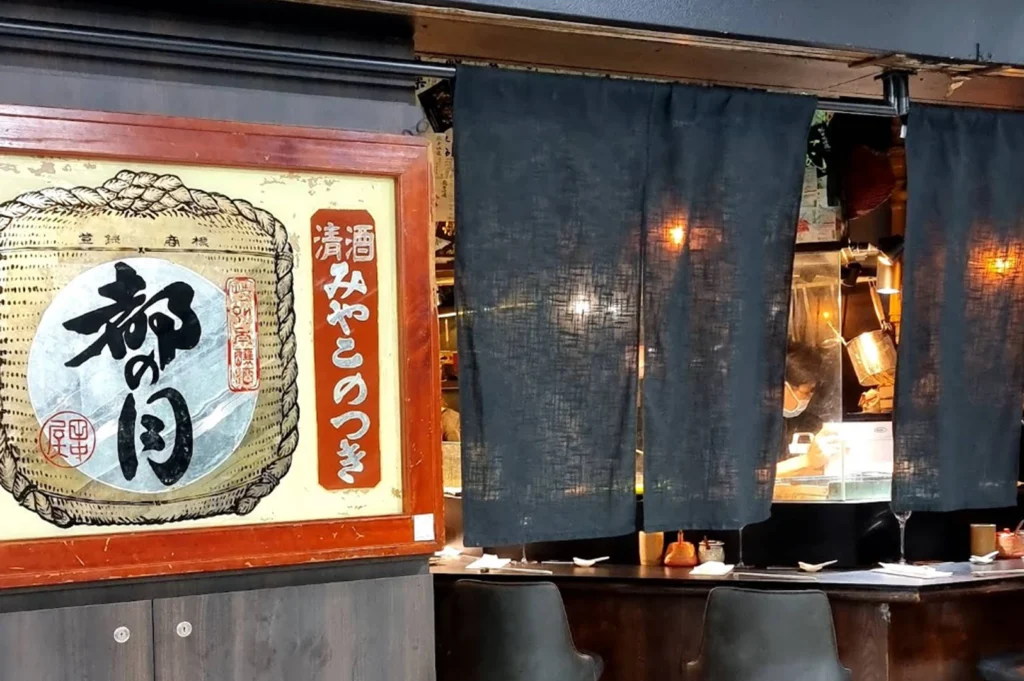
In Singapore, there are countless yakitori restaurants offering a range of experiences, from the bustling bars in Golden Mile Tower to quiet, intimate kappo style restaurants found in Orchard Plaza and Robertson Walk. Popular outlets such as Kai Yakitori in Orchard Plaza and Sa Tae Bak with locations on Bali Lane and Changi Road provide diverse menus that cater to different tastes and budgets.
While some diners may miss the now-closed Shirokane Tori Tama, other establishments like Shunjuu Izakaya and Shin Terroir offer elevated yakitori experiences for those seeking something special. Shunjuu Izakaya is known for its rich tare and unique cuts, while Shin Terroir elevates yakitori to haute cuisine with intricate grilling techniques and premium chicken.
So, as you explore the world of yakitori in Singapore, remember to look beyond the hype and find the establishment that speaks to your palate and timing. Don’t miss out on the opportunity to taste the season’s freshest chicken cuts, expertly cooked over charcoal, served with care, and enjoyed with good company.