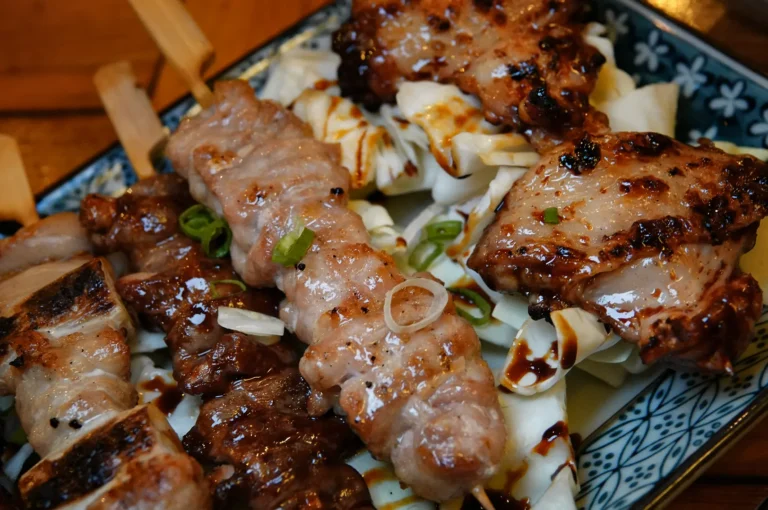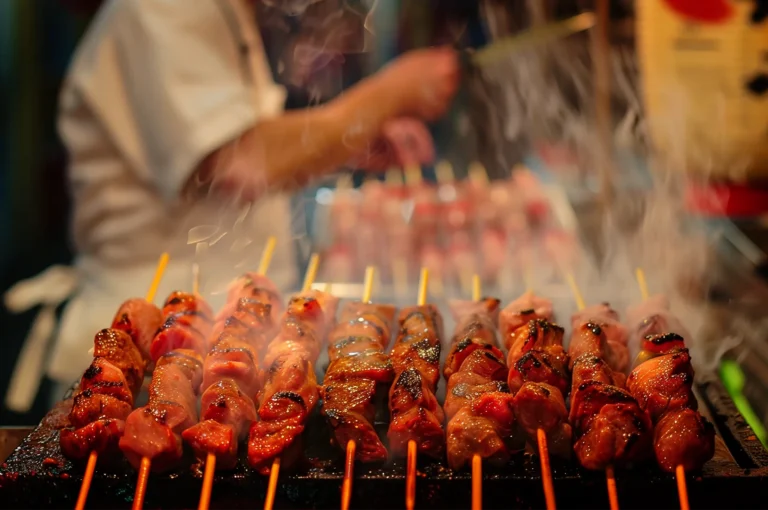

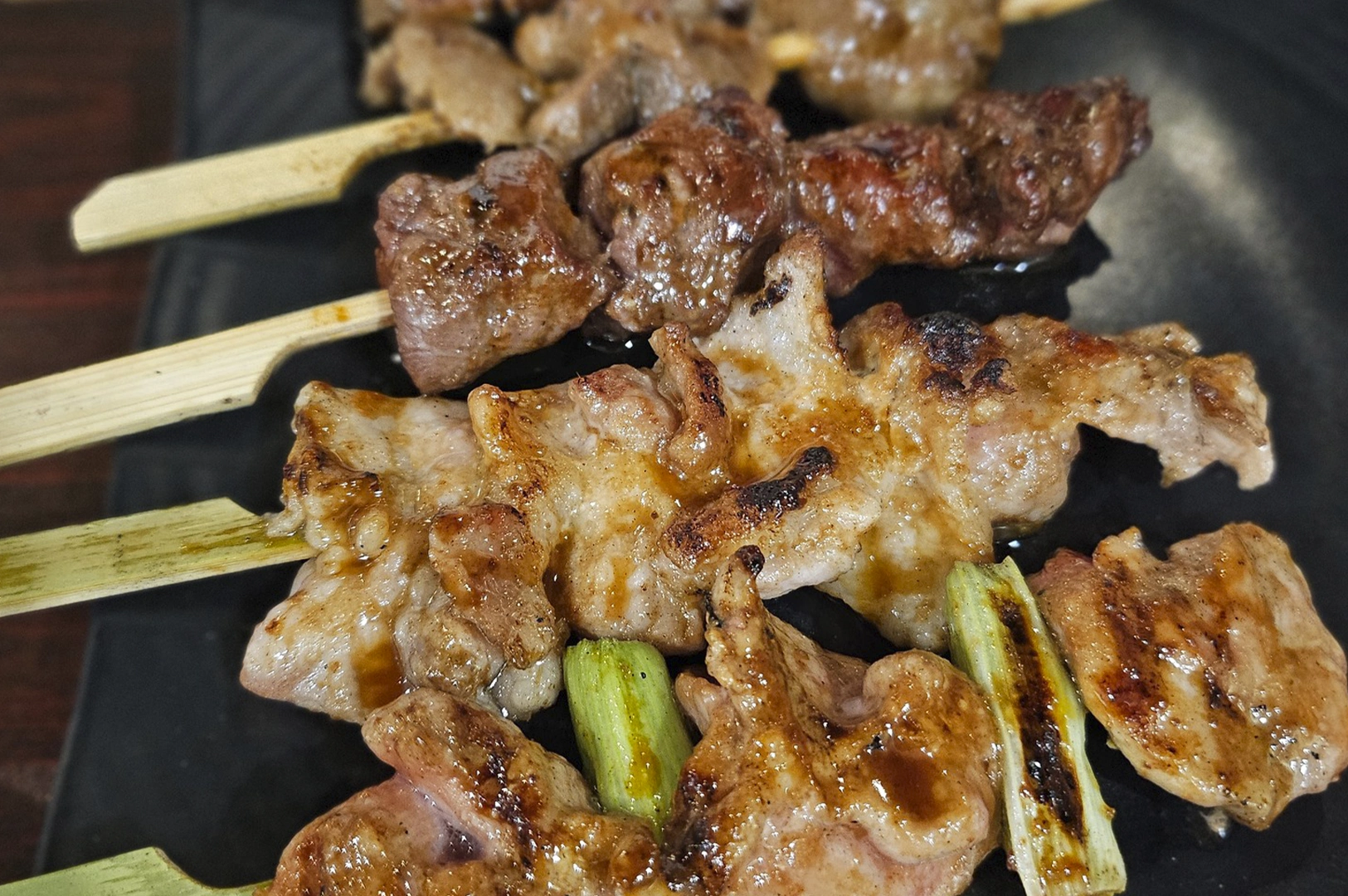
The first time a friend told me we were going for yakitori at Cuppage Plaza, I was confused. I knew the building as a slightly dated shopping mall near Orchard Road, a place I’d walked past a thousand times without a second glance. But when I stepped inside, it felt like I’d been transported. The air was thick with the smoky flavor of charcoal and soy, and the sounds were a mix of Japanese conversation and the quiet clinking of sake cups. It wasn’t a mall; it was a time capsule, a portal to the izakayas of Tokyo, where the art of yakitori, grilled chicken skewers cooked to perfection over a charcoal heating element, is celebrated with deep respect.
Over the years, I’ve learned that Cuppage Plaza is more than just a collection of restaurants; it’s the heart of authentic Japanese cuisine in Singapore. It’s where you go for real cuppage plaza japanese yakitori, grilled by yakitori masters who have been perfecting their craft for decades. This guide is my way of sharing what I’ve learned, to demystify this “Little Japan” and help you navigate its incredible world of chicken skewers with confidence and joy.
Why Cuppage Plaza? The Story Behind Singapore’s Yakitori Haven

Cuppage Plaza, built in 1983, quickly became a cultural enclave for the Japanese expatriate community in Singapore. While other areas modernized and chased trends, Cuppage remained wonderfully, stubbornly traditional. This is why it’s often called a place “where time stands still.” The yakitori restaurants here aren’t flashy or designed for Instagram; they are built for regulars, for those who appreciate authenticity over aesthetics.
The vibe is distinct. You won’t find many fusion dishes or experimental flavors. Instead, you’ll find a deep respect for the fundamentals of yakitori: perfectly grilled chicken over a proper charcoal heating element, seasoned with either a simple salt (shio) or a house-made dipping sauce (tare). This preferred method ensures the meat is cooked with high heat, imparting a crispy texture and smoky flavor on the outside while keeping the inside tender and juicy. It’s this commitment to tradition that has cemented Cuppage Plaza’s reputation as the go-to spot for an experience that feels as close to Japan as you can get.
Your First Journey into Cuppage Plaza Yakitori
Feeling a little intimidated? Don’t be. Think of your first visit as a delicious adventure. Here’s a simple way to approach it.
1. Choose Your Vibe:
The beauty of Cuppage Plaza is that it offers different yakitori experiences.
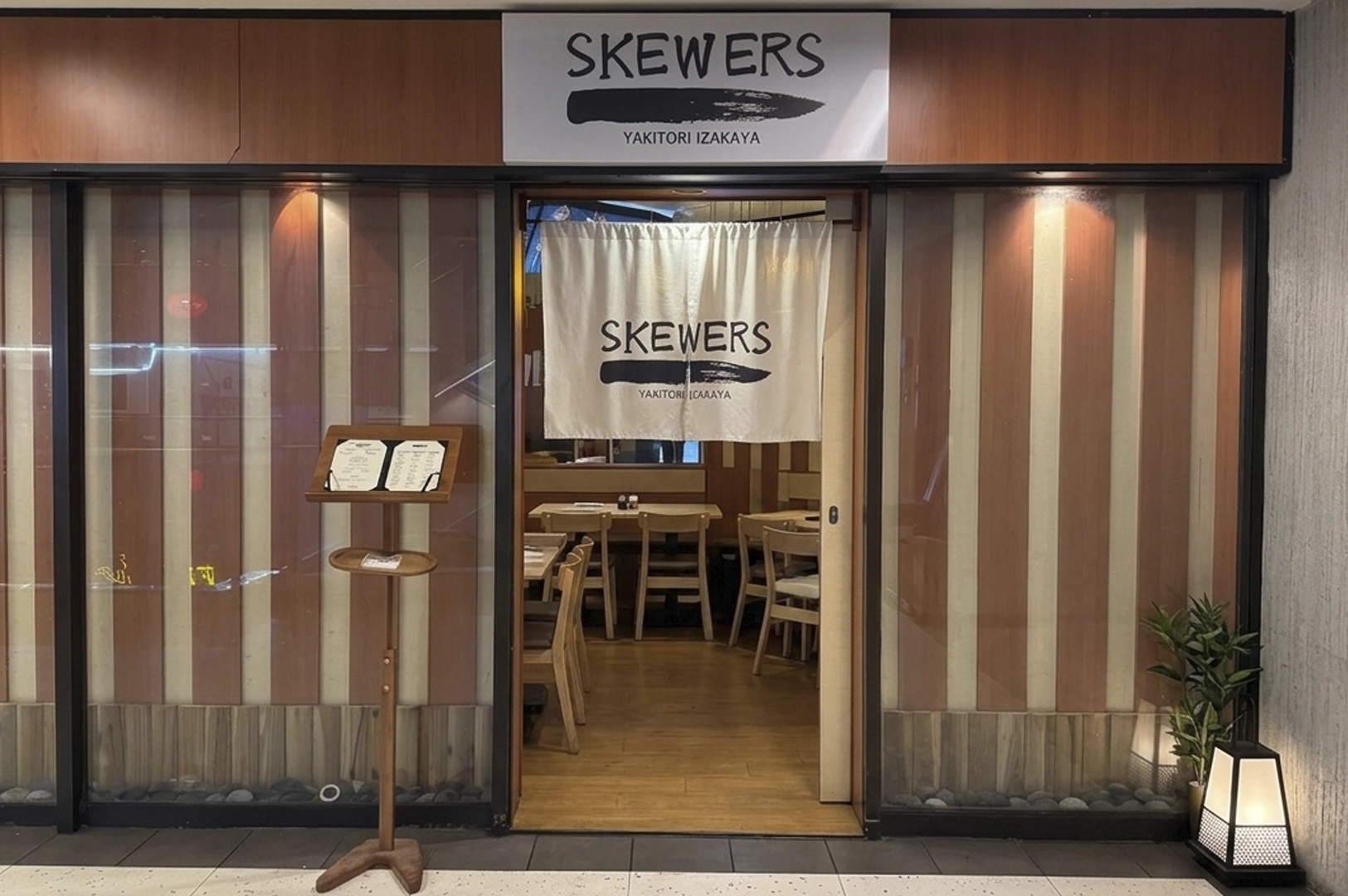
- For the Purist: Head to a specialist grill-focused spot like Skewers Yakitori Izakaya. The focus is squarely on the skewers, and you’ll get to appreciate the subtle differences between each chicken part, from chicken thigh (momo) and chicken breast to adventurous cuts like chicken liver and gizzard.
- For the Classic Izakaya Feel: Try Kazu Sumiyaki Restaurant. It’s an old-school joint where the smoky flavor of binchotan charcoal is king. It’s a full, traditional experience, with dishes that often include pork belly and grilled vegetables to accompany your meal.
- For a Special Night: If you’re feeling adventurous and want an omakase journey, a place like Kemuri offers a chef-led course that can be an unforgettable meal, where guests are accompanied through a curated menu of bite-sized pieces of meat and vegetables, expertly prepared and cooked to perfection.
2. Make a Reservation (Seriously):
These restaurants are tiny. Many only have a handful of counter seats and a few tables. I learned this the hard way when I tried to walk into a popular spot on a Friday night and was politely turned away. A quick phone call a few days in advance can make all the difference, ensuring you get a seat to watch the yakitori master at work.
3. Ordering Your First Skewers:
The menu can look like a secret code. Let’s break it down.
- Start with the basics: Order momo (chicken thigh) and negima (chicken and scallions). These are the benchmark skewers. If the chef gets these right, everything else will likely be delicious.
- Explore the textures: Next, try tsukune (chicken meatballs), which are often soft and juicy, and maybe kawa (chicken skin) for a crispy, savory treat.
- Be adventurous (if you want): Ready for more? Hatsu (chicken heart) is surprisingly tender, and sunagimo (gizzard) has a wonderful, springy texture.
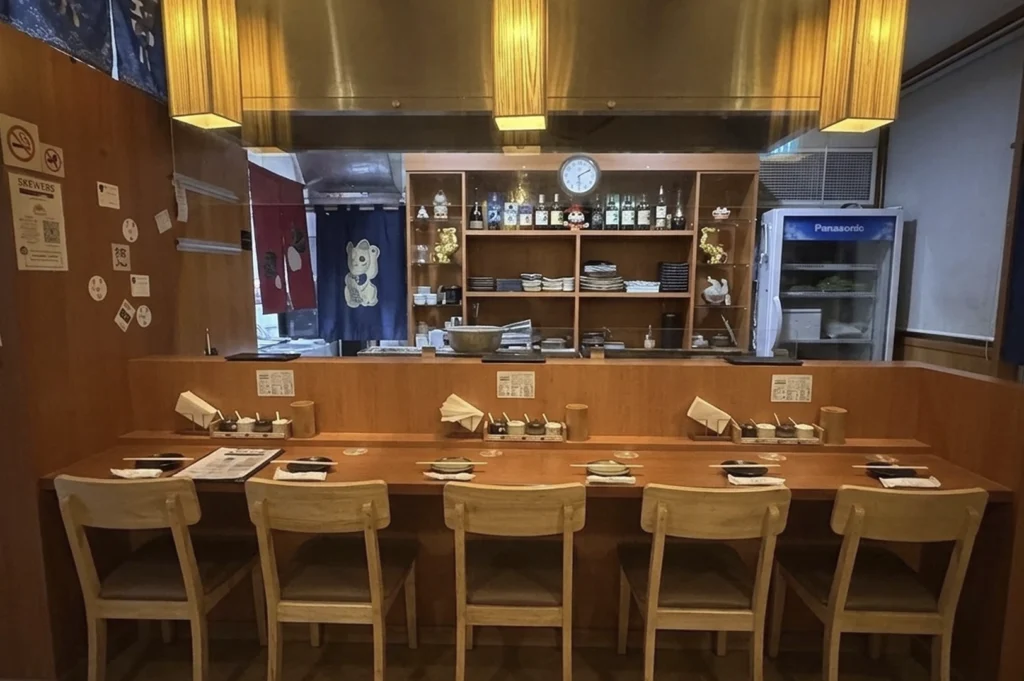
When possible, always choose the counter seats. You get to watch the yakitori master at work, and it’s the best way to understand the rhythm and skill involved in the preparation. Plus, you get your food the second it comes off the grill or broiler!
Skewers and Smoke: Mastering the Art of Grilled Chicken and Chicken Skewers at Cuppage Plaza
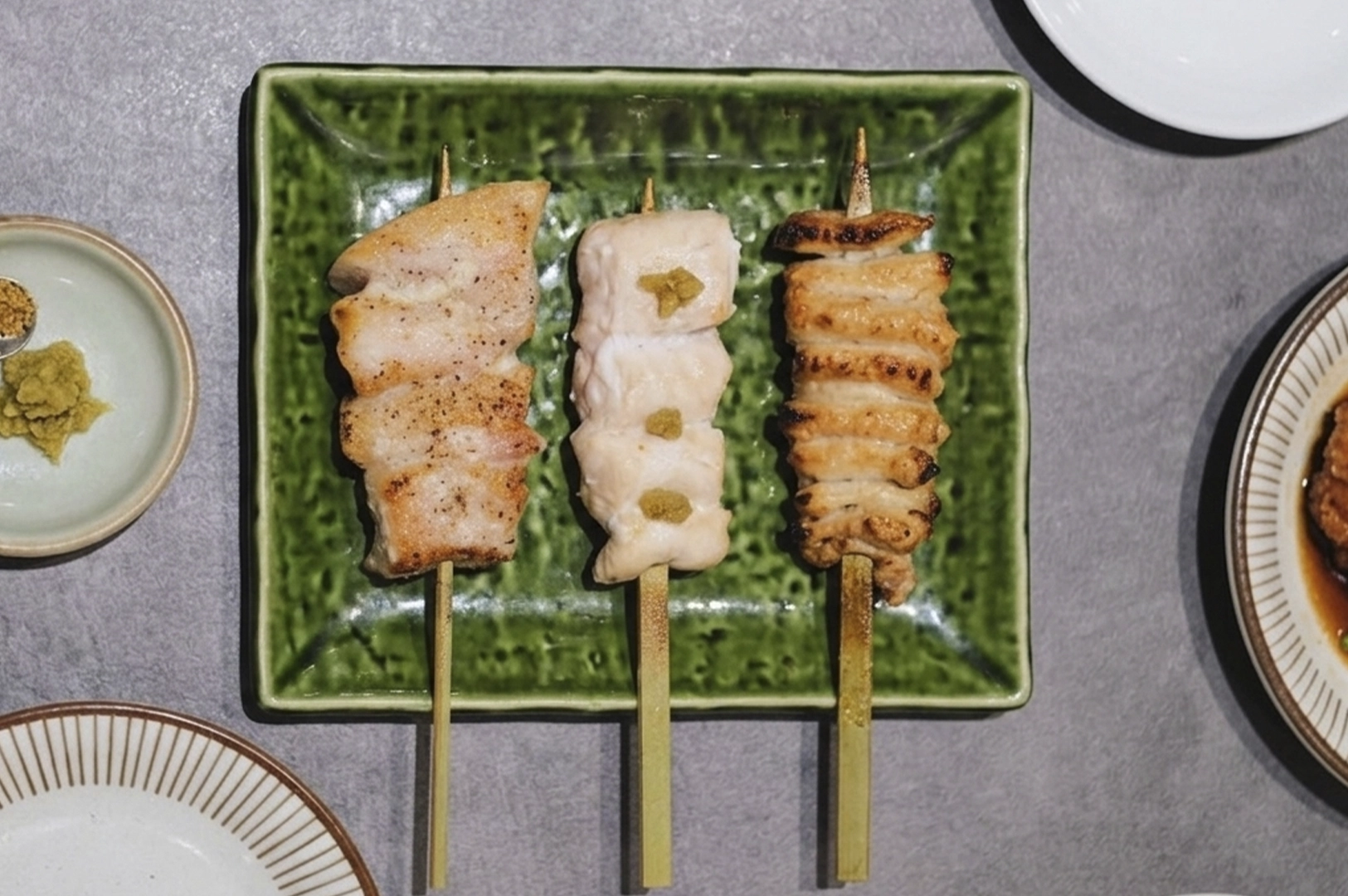
At the heart of every great yakitori experience for me is the art of grilling chicken skewers to perfection. When I visit Cuppage Plaza, I notice the emphasis on using high-quality chicken, cut into bite-sized pieces that cook evenly over a charcoal heating element. This preferred method ensures the meat is cooked with high heat, imparting a smoky flavor and a crispy texture on the outside while keeping the inside tender and juicy.
I often like to pair my skewers with a bit of spice, such as shichimi togarashi, to add a subtle kick that complements the smoky aroma. Whether I’m enjoying them as a quick snack with beer or as part of a full meal, grilled chicken skewers always offer me a delicious and satisfying taste of Japanese cuisine.
One of the highlights of a full yakitori meal at Cuppage Plaza is the rich chicken soup that often accompanies the skewers. This deep, flavorful broth is a perfect way to end the meal, warming you up after a night of savory bites.
Avoid These Common Pitfalls (Learn from My Experience)
Mistake #1: Thinking it’s just a shopping mall.
Don’t wander in expecting to find big retail stores. The real treasures are hidden in the upper floors and quiet corners. Treat it like a destination for food, not shopping.
Mistake #2: Ordering everything at once.
Yakitori is meant to be savored hot. If you order 20 skewers for two people, the last few will be cold and sad. Order in small rounds. I usually start with 3-4 types of skewers per person and then order more. It helps to manage the pace and enjoy each dish as it’s meant to be eaten.
Mistake #3: Assuming all sauce is the same.
The house-made tare sauce is often a source of immense pride for a yakitori joint. It’s a complex, rich dipping sauce that’s been built upon for years. Don’t ask for extra soy sauce or another generic dip; trust that the chef has seasoned the meat to perfection.
Unlocking Your Cuppage Plaza Yakitori Curiosities
Why is Cuppage Plaza so famous for Japanese food?
It became a hub for the Japanese expat community decades ago. The restaurants opened to serve them, which meant the quality and authenticity had to be high. That legacy continues today, making it a beloved spot for both Japanese patrons and Singaporeans in the know.
What’s the price range like?
It varies. You can have a satisfying meal with a beer at a casual izakaya for around $50-$80 per person. For a high-end omakase experience, you should expect to pay upwards of $100-$150. Remember, you’re paying for quality ingredients and incredible skill.
I’m a vegetarian. Is there anything for me?
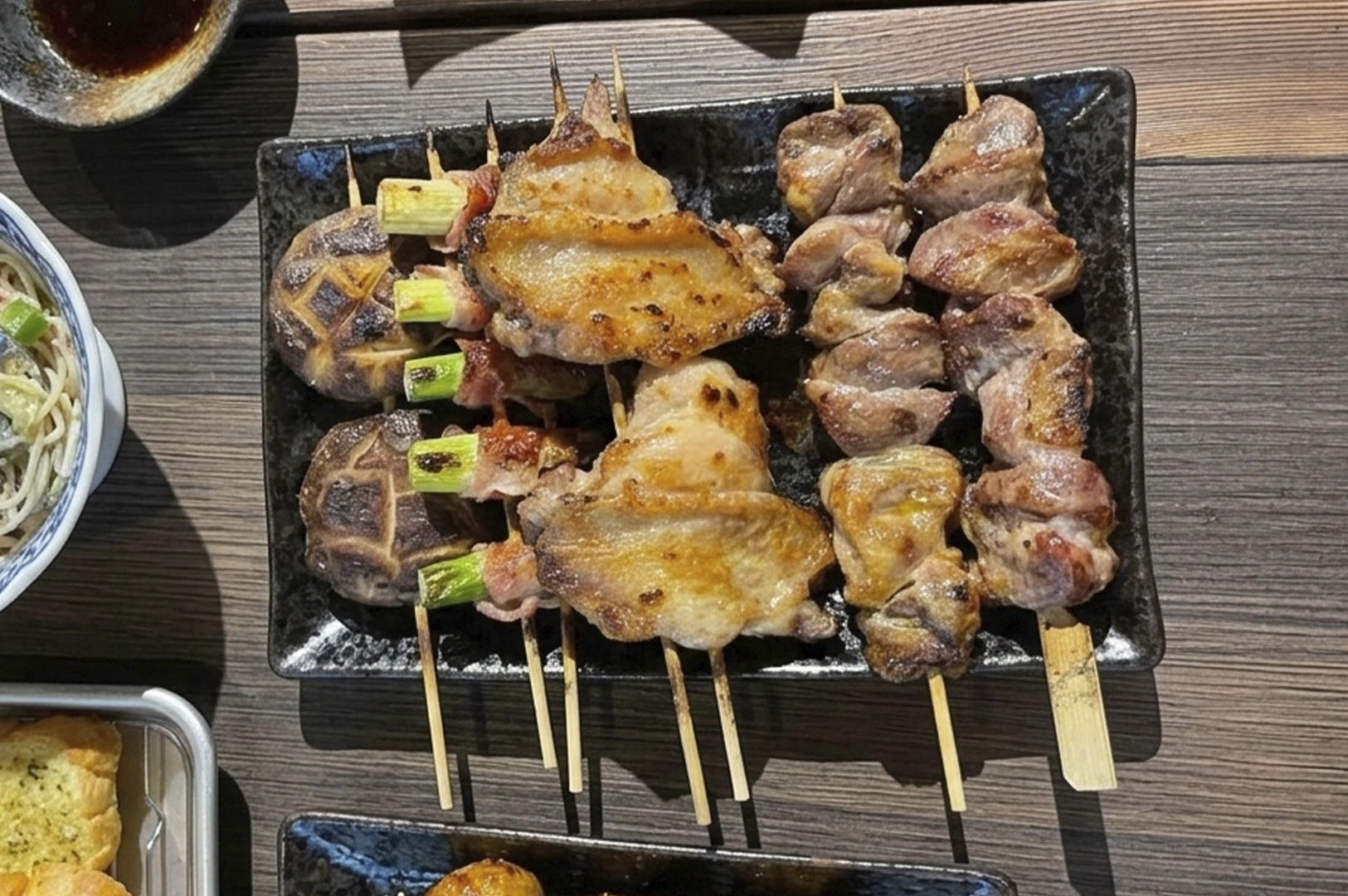
Absolutely! While chicken is the star, all yakitori restaurants offer grilled vegetables. I personally love the grilled shiitake mushrooms, leeks, and gingko nuts. You can easily make a delicious meal out of these.
I don’t like offal like chicken liver or heart. What should I order?
No problem at all! Stick to the classics. Momo (chicken thigh), negima, tsukune (chicken meatballs), and even chicken breast are fantastic choices. You can also explore other meats like pork belly, which many places serve.
Final Reflections: An Unforgettable Yakitori Voyage
Cuppage Plaza is more than just a place to eat grilled chicken; it’s an experience. It’s about stepping back in time and appreciating a craft that has been honed over generations. It’s a place that rewards curiosity and patience.
So, the next time you’re looking for a truly special meal, I encourage you to push past your initial impressions and venture inside. Grab a seat at a counter, order a cold glass of sake, and let the yakitori master take you on a journey. Start with a simple skewer of chicken thigh, and see where the night takes you. You might just find your new favorite spot, hidden in plain sight.
Start your Cuppage Plaza journey by exploring the yakitori restaurants in this vibrant neighborhood through the article, Exploring Cuppage Plaza Yakitori.