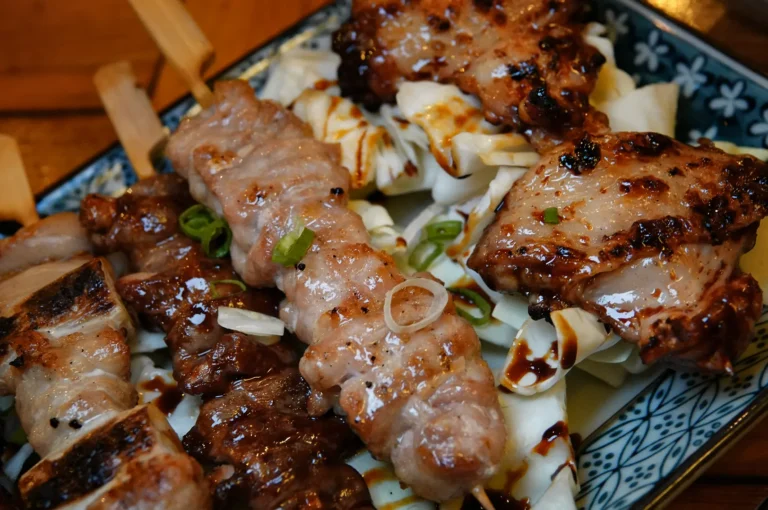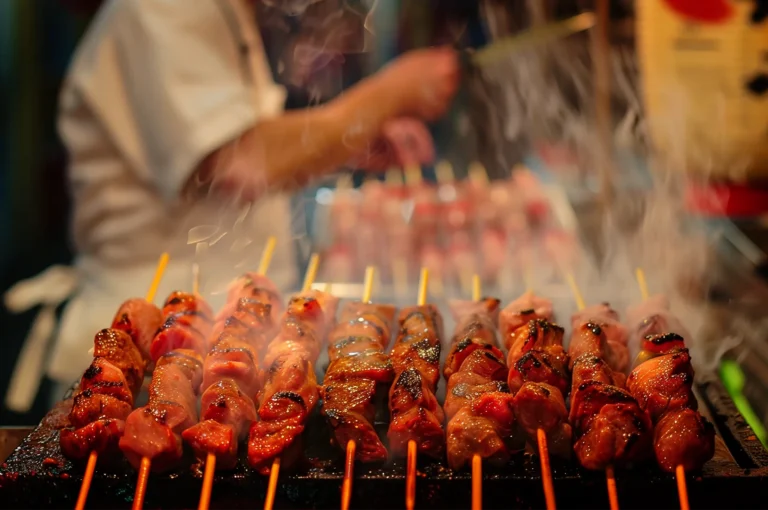

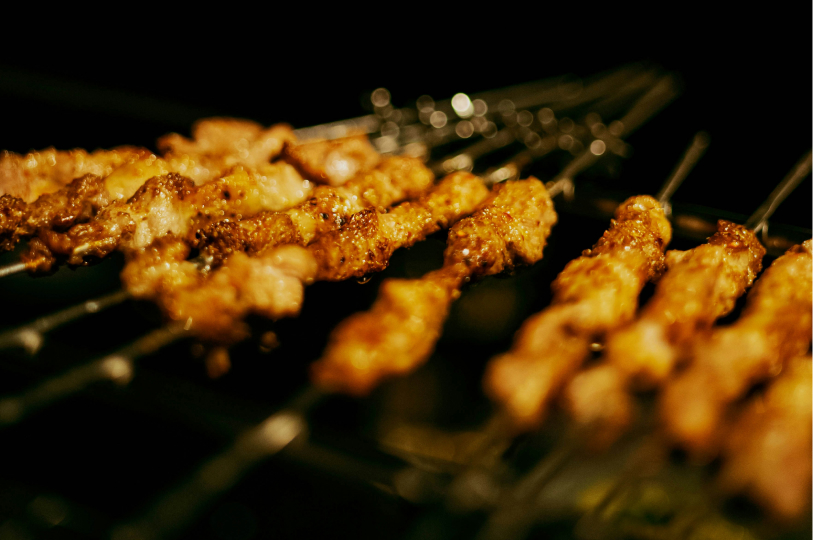
I still remember the first time I sat down at a proper yakitori counter in Singapore. I was expecting something similar to the satay I grew up eating at Lau Pa Sat, delicious, charred meat on a stick. But what I got was a masterclass in precision. The chef wasn’t just grilling chicken; he was performing surgery with charcoal. Every part of the bird, from the neck to the tail, was treated with a different level of heat and seasoning.
I’ll admit, I was intimidated. The menu was full of Japanese terms I didn’t recognize, and I was terrified of ordering the wrong thing (or worse, accidentally eating a heart when I thought I ordered a thigh). But after years of exploring yakitori restaurants, and making plenty of mistakes along the way, I’ve realized something crucial: chicken yakitori isn’t just a dish; it’s the foundation of the entire cuisine. Understanding how the chef handles simple chicken skewers unlocks the secret to enjoying the whole experience.
Grilled Skewered Chicken: More Than Just Meat on a Stick
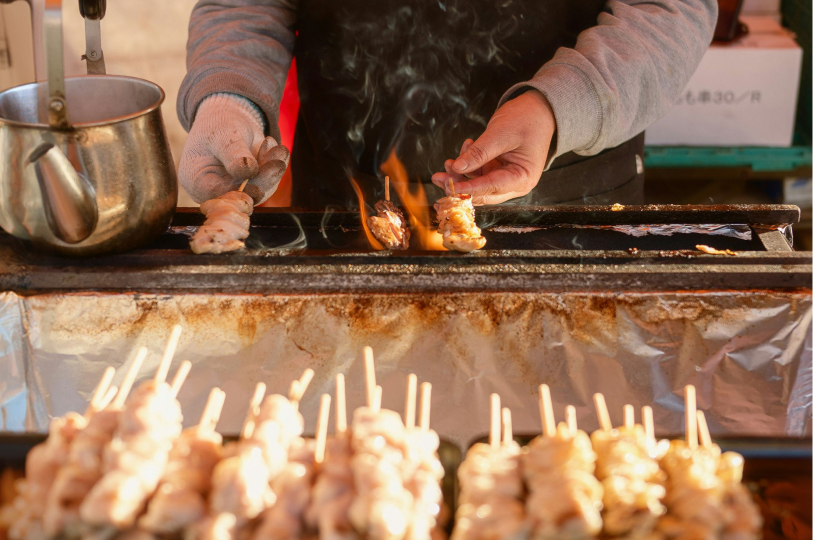
When we talk about yakitori, we are literally talking about “grilled bird” (yaki = grilled, tori = bird). While you might see pork belly or vegetables on yakitori menus, the soul of the craft lies in chicken meat. In Singapore, we are spoiled for choice with Japanese food, but yakitori holds a special place. It’s not just about slapping raw chicken on a grill. It’s about respect for the ingredient. The chef breaks down the bird into specific chicken pieces, chicken breast, chicken thigh, chicken tenderloin, chicken skin, and even chicken gizzards.
The magic happens over the heating element, usually binchotan charcoal. This high-grade charcoal burns at a super high heat without smoke or odor, allowing the natural flavor of the meat to shine through. The result? Smoky flavor that infuses the skewered chicken without overpowering it.
The Great Yakitori Sauce Debate: Shio vs. Tare
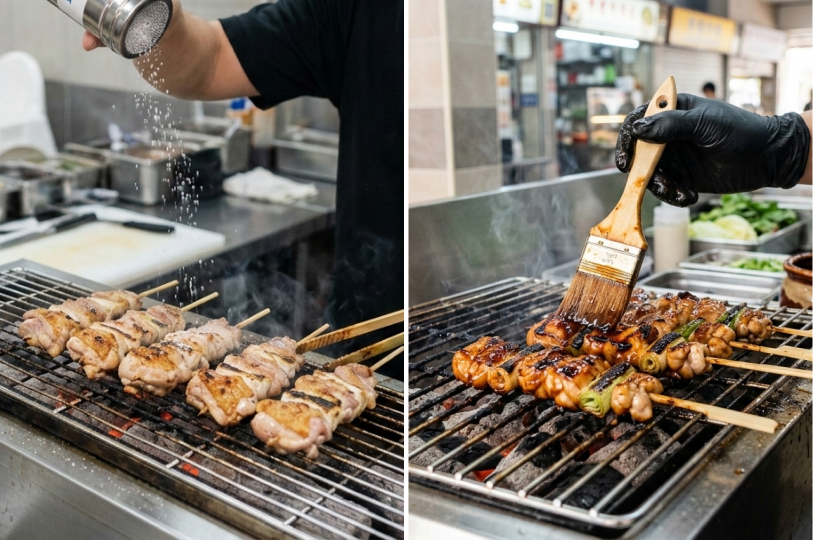
One of the first things I learned is that not all yakitori sauce is created equal. You’ll usually be asked to choose between shio (salt) and tare (sauce).
- Shio: This is for the purists. A simple sprinkling of salt allows you to taste the quality of the chicken. I prefer this for cuts like chicken skin (kawa) or cartilage (nankotsu), where texture is king.
- Tare: This is often confused with teriyaki sauce, but it’s more complex. It’s a sweet-savory glaze made from soy sauce, mirin, sake, and sugar. In many top spots, the sauce reduces over years, becoming a “mother sauce” with incredible depth. It’s perfect for chicken meatballs (tsukune) or liver (reba).
Pro Tip: Don’t ask for extra sauce or a side of teriyaki sauce at a traditional counter. The chef has likely brushed the exact amount needed. Trust their judgment!
Yakitori Skewers: Navigating the Yakitori Menus Like a Pro
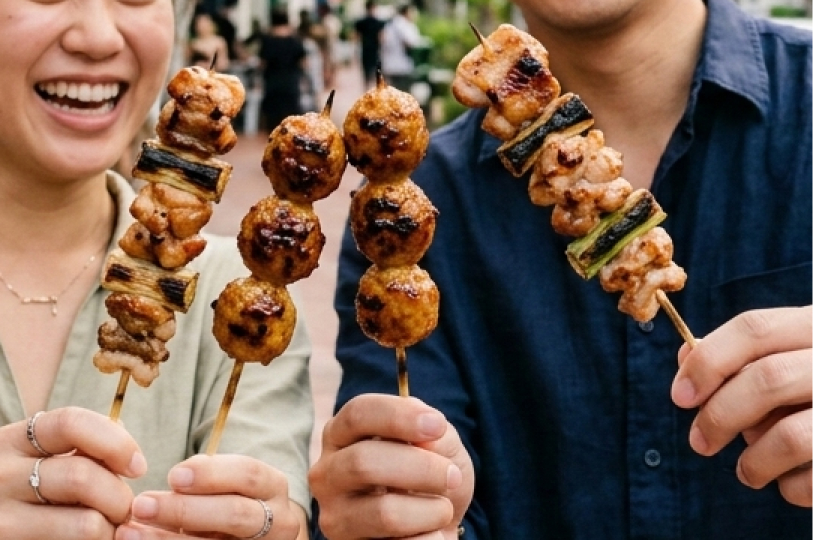
Walking into a yakitori joint can feel overwhelming. Here is my “foundation-first” method for ordering without anxiety.
Step 1: Start with the “Foundation Cuts”
These are your low-risk, high-reward skewers. They tell you everything you need to know about the chef’s skill.
- Momo (Chicken Thigh): Order this first. Chicken thigh is juicy and forgiving. If the chicken thigh fillets are dry, it’s a red flag.
- Negima Yakitori: This is the classic chicken and green onion (or leek) combo. The green onion provides a sweet crunch that cuts through the rich fat of the pieces of chicken. It’s the gold standard of Japanese chicken skewers.
- Tsukune (Chicken Meatballs): Every shop has their own yakitori recipe for this. Some add ginger, some add cartilage for extra crunch. It’s usually served with tare and sometimes a raw egg yolk.
Step 2: Branch Out to Textures
Once you’ve settled in with the basics, try something new.
- Kawa (Chicken Skin): This should be crispy on the outside and chewy on the inside. It’s a masterclass in rendering fat.
- Sunagimo (Chicken Gizzards): Don’t be scared! These have a satisfying, springy bite.
- Nankotsu (Cartilage): It’s all crunch. Great with a cold beer.
Step 3: The Vegetables
Don’t ignore the vegetables! Shiitake mushrooms and shishito peppers are fantastic palate cleansers between rich meat courses. They are usually grilled with the same care as the chicken.
Step 4: Finish Strong
Most people end with a carbohydrate to feel like a full meal. Grilled onigiri (rice balls) or a bowl of chicken soup are popular ways to cap off the night.
Yakitori Recipe: Can You Make This at Home?
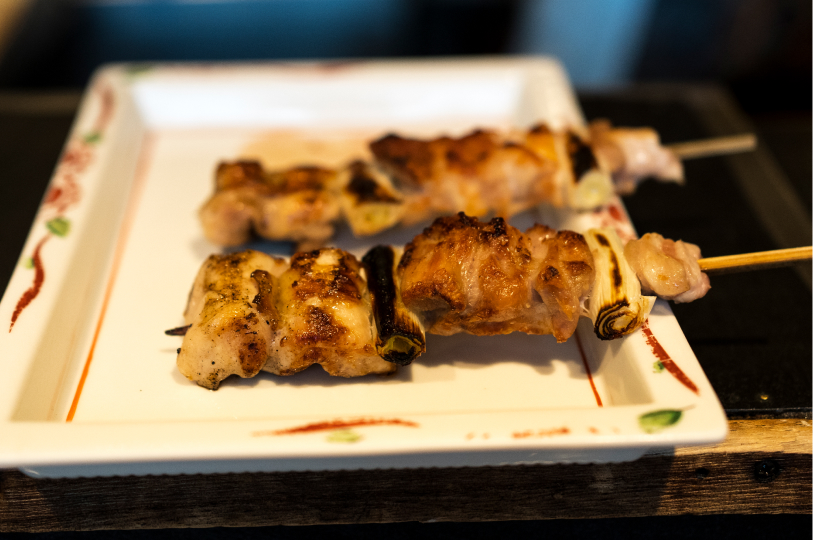
I often get asked if you can replicate this Japanese cuisine at home. The short answer is yes, but it’s tricky without a charcoal grill. If you want to try, here is a simplified approach for a home kitchen. You’ll need skinless chicken thighs cut into bite sized pieces. Soak your bamboo skewers in water for 30 minutes so they don’t burn. Thread the meat and green onion alternately for Negima yakitori.
For the sauce ingredients, simmer soy sauce, mirin, sake, sugar, garlic, and ginger in a small saucepan until the sauce reduces and becomes a thicker sauce. If using an oven, place skewers on a wire rack over a baking sheet. Use cooking spray to prevent sticking. Broil on medium high heat, turning frequently. Brush with your reserved sauce (not the one you touched raw chicken with!) in the final minutes of cooking time. It won’t have the same smoky flavor as the restaurants, but it satisfies the craving.
Yakitori Japanese Food in Singapore: Local Context
In Singapore, we have a mix of authentic yakitori restaurants and broader izakayas. Places like Nanbantei in Far East Plaza have been serving classic grilled yakitori for decades, sticking to the traditional style. Others, like Sumire, offer a more casual, family-friendly vibe with approachable yakitori menus.
You might notice prices vary wildly. A set of 5 sticks at a hawker stall might be $10, while an omakase course at a high-end spot could run you $100+. The difference is usually in the sourcing of the bird (some fly in specific breeds from Japan) and the use of binchotan charcoal versus gas or electric grills.
Also, be aware of the “skewer math.” A single stick might look cheap ($4-$6), but they add up fast. Expect to spend about $50-$80 per person for a decent meal with drinks at a mid-range spot.
Insights About Grilled Chicken Yakitori
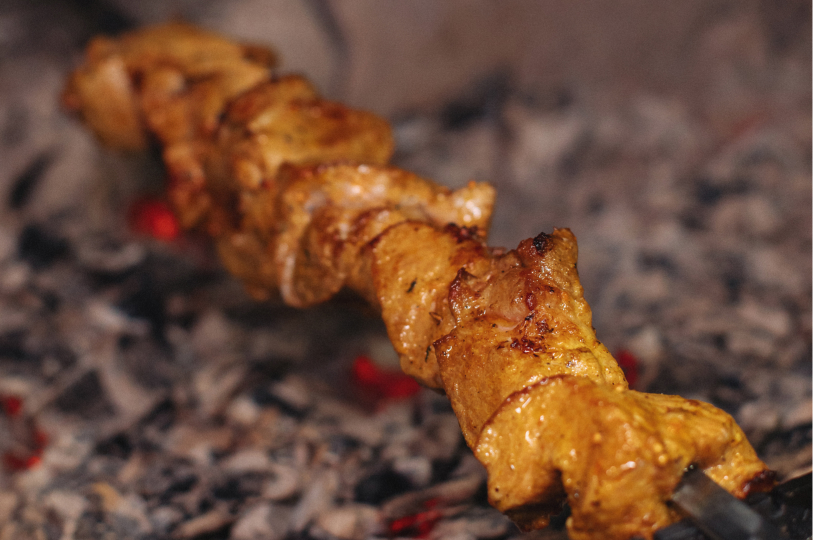
Yakitori grilling renders excess fat, making chicken breast and tenderloin leaner options, while chicken skin and pork belly have higher saturated fat. Traditional yakitori is grilled, so trans fat concerns mainly come from deep-fried sides. Some high-end Japanese restaurants serve slightly pink chicken for texture, but you can request well done.
Chefs brush skewers with just enough sauce; asking for extra sauce is uncommon but sometimes allowed in casual spots. For non-chicken eaters, many places offer pork belly, beef, and vegetables, but true yakitori is about the diverse chicken cuts.
Conclusion: Embrace the Skewer Adventure
Yakitori is beautiful because it is simple yet difficult to master. It transforms humble chicken pieces into popular dishes that comfort the soul. The next time you find yourself at a counter, watching the smoke rise from the grill, take a moment to appreciate the craft. Start with the chicken thigh, savor the negima, and maybe, just maybe, be brave enough to try the heart.
Whether you are enjoying juicy skewers with a cold beer after work or trying to replicate a yakitori recipe in your own kitchen, remember that the joy is in the details.
Eat it while it’s hot, trust the chef, and don’t forget to enjoy the company you’re with. Happy grilling!
If you’re as tempted as I am to experience the irresistible aroma of freshly grilled chicken skewers, be sure to check out this Kai Yakitori Singapore Guide.