
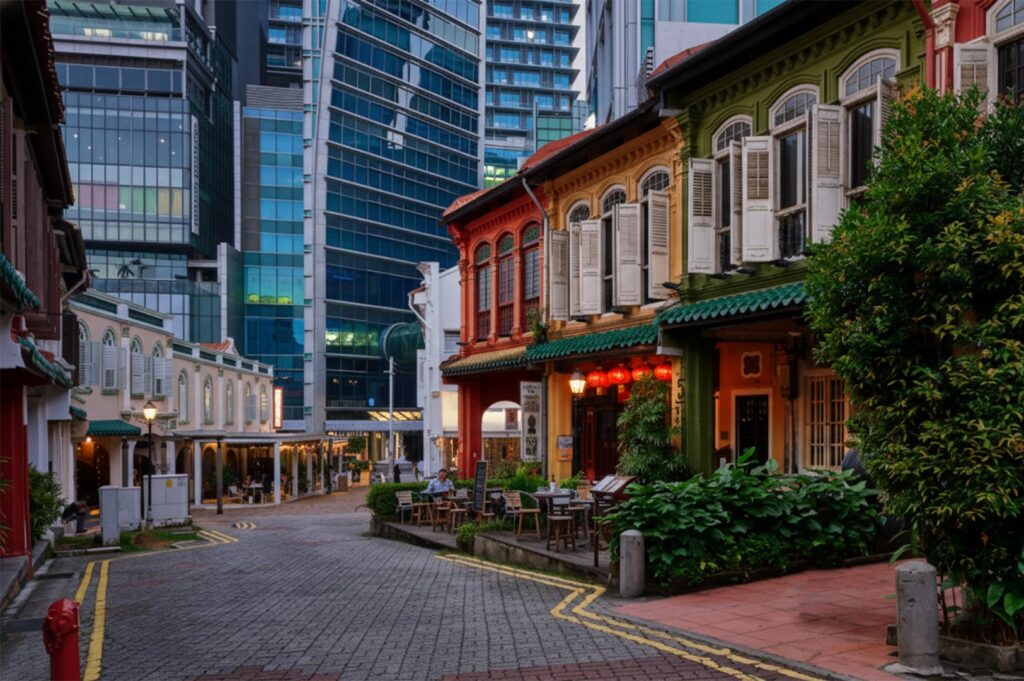
A first encounter with smoke in the tropics
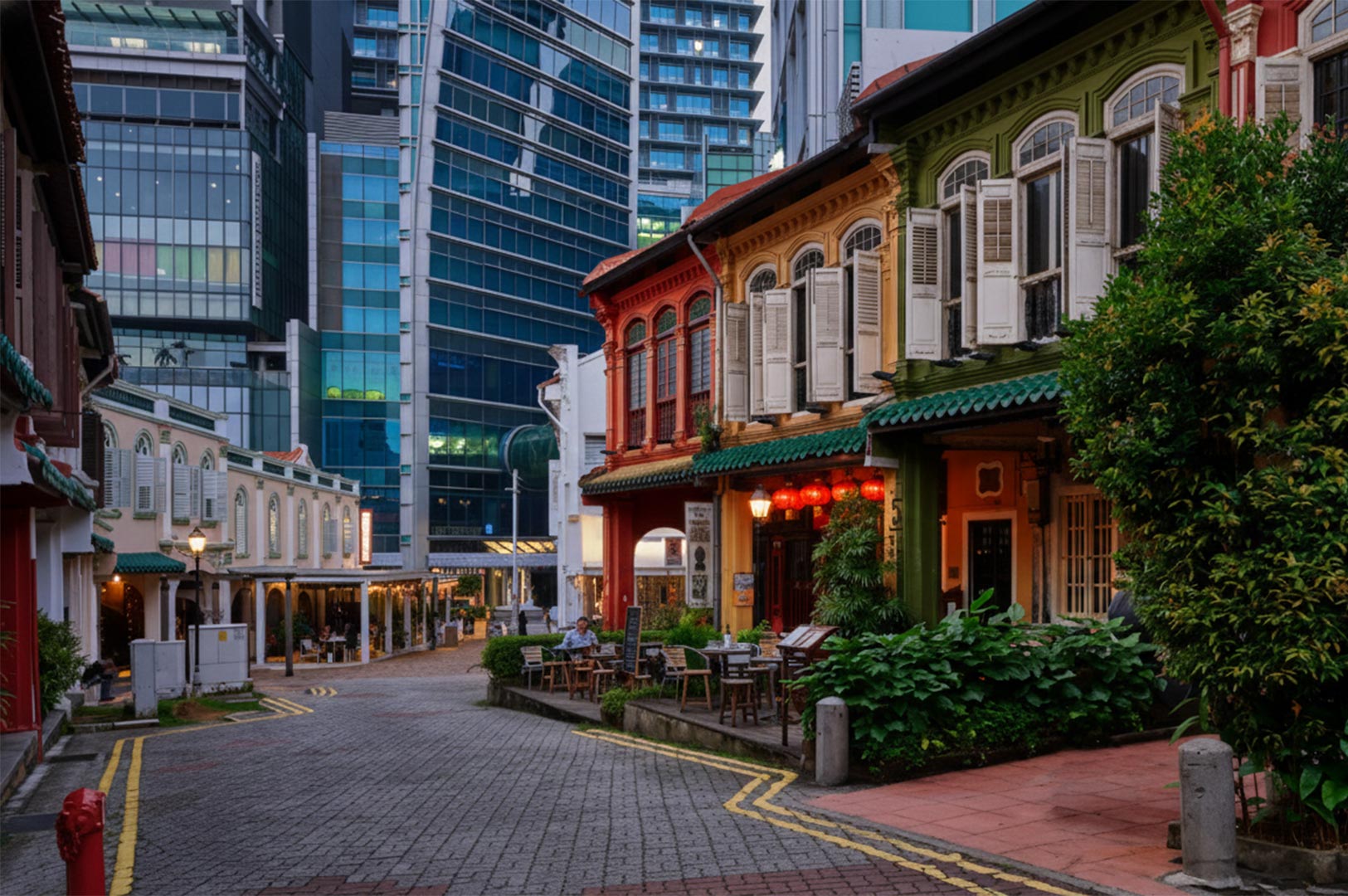
At dusk in Tanjong Pagar, when the office towers begin to empty and the humidity settles thick against the skin, you might catch it first by scent. For the first time, athread of charcoal smoke drifting from a narrow doorway, curling between neon signs and air conditioning exhaust, signals a unique encounter with yakitori in Singapore. This is not a guide to the best yakitori in Singapore, nor an attempt to rank restaurants. It is an invitation to notice what happens when grilled chicken meets fire in a city that never truly cools down.
Yakitori, at its simplest, is chicken on skewers cooked slowly over charcoal. Yet simplicity is misleading. Yakitori carries intimacy with it. A small counter. The closeness of heat. The quiet accumulation of moments that make up a meal. In Singapore, where satay smoke is common and grilling is already part of everyday life, yakitori enters a conversation already in progress. It belongs to Japanese cuisine, yet it adapts, creating its own space within the city’s rhythm of food and movement.
The Charcoal and the Hand: Craft Before Taste in Yakitori Restaurants
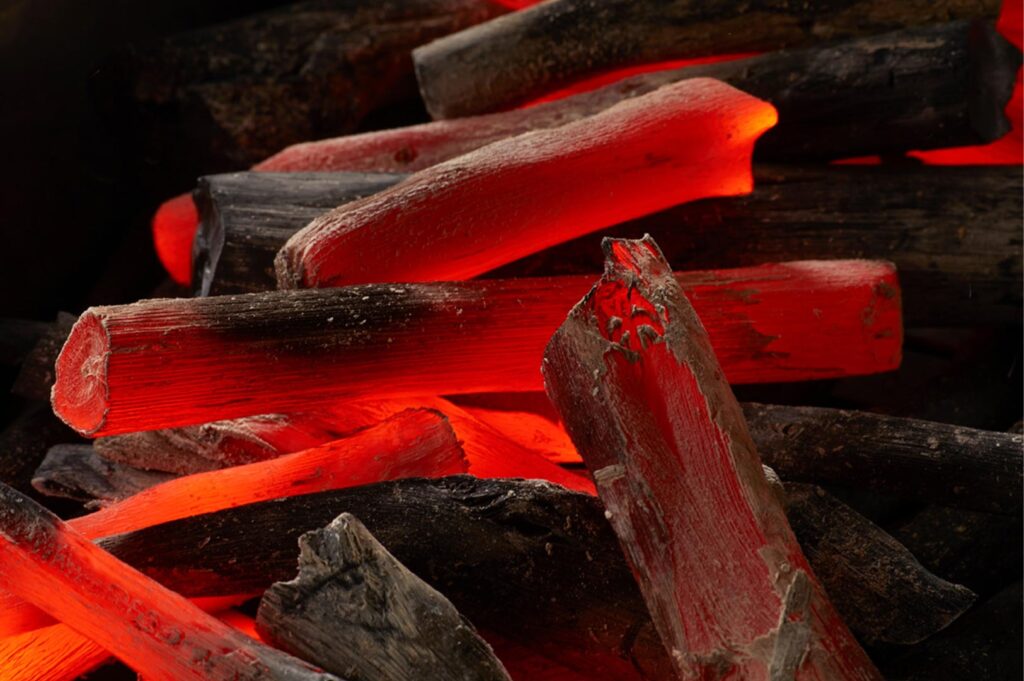
Before the first diner arrives, the fire is already alive. In yakitori restaurants that take the craft seriously, charcoal is treated as an ingredient rather than a tool. Often it is binchotan from Japan, dense and clean burning, arranged with care long before service begins. The heat does not roar. It breathes. A steady glow that radiates outward, controlled and patient.
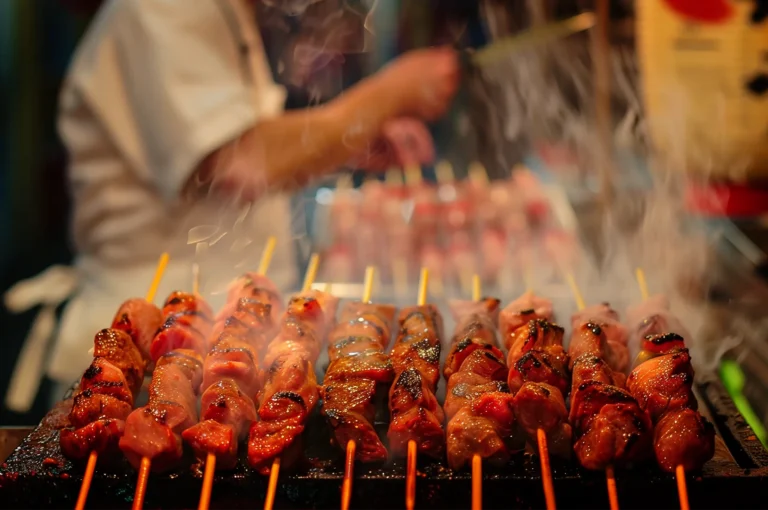
The chef’s movements mirror this restraint. Salt is scattered from a height so it lands evenly on the meat. Tare is brushed in thin layers, never heavy. Chicken skewers are moved closer to the fire or pulled away in small, precise actions. Thigh meat needs one kind of attention. Heart aorta another. Chicken skin yet another. Yakitori grilling is repetition, but not monotony. It is attention practiced nightly.
In Singapore, where gas stoves dominate restaurant kitchens, this commitment to charcoal feels deliberate. Smoke lingers lightly in the air. Fat drips, flares, then settles. These sensations resist efficiency. They slow the pace. They remind you that fire still demands respect.
History and Cultural Significance: From Japanese Streets to Singapore Nights
Long before you first catch that unmistakable thread of charcoal smoke drifting through a Singapore alley, yakitori was already weaving itself into the fabric of Japanese street life. The name itself, yakitori, grilled chicken, whispers of a tradition that feels both wonderfully humble and surprisingly profound. Picture those crowded lanes of Edo-period Japan, where you would have noticed the scent of chicken skewers roasting over glowing coals becoming part of the city’s heartbeat, gently signaling that the day’s work was winding down and the evening’s quiet rituals were about to unfold.
As yakitori found its way beyond Japan’s borders, you can sense how it carried this essential spirit along. In Singapore, you’ll see how the tradition has discovered new ground to flourish. When you visit restaurants like Shin Terroir and others, you’ll recognize their dedication to authentic yakitori grilling, honoring the techniques that truly define the craft.
At the Counter: Watching Time in Grilled Chicken Skewers
Picture a counter on an Orchard side street. Six or seven seats. Low ceilings. A steady hum of ventilation above. You sit close enough to the grill to feel its warmth on your forearms. You agree to let the chefs decide what to serve.
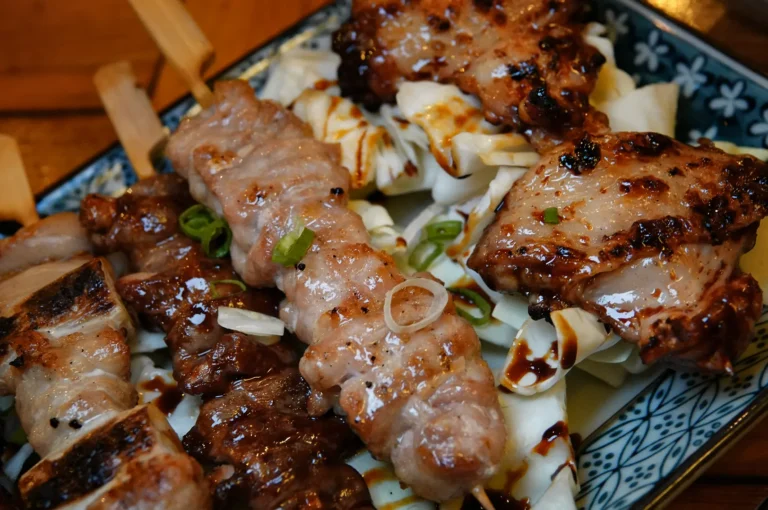
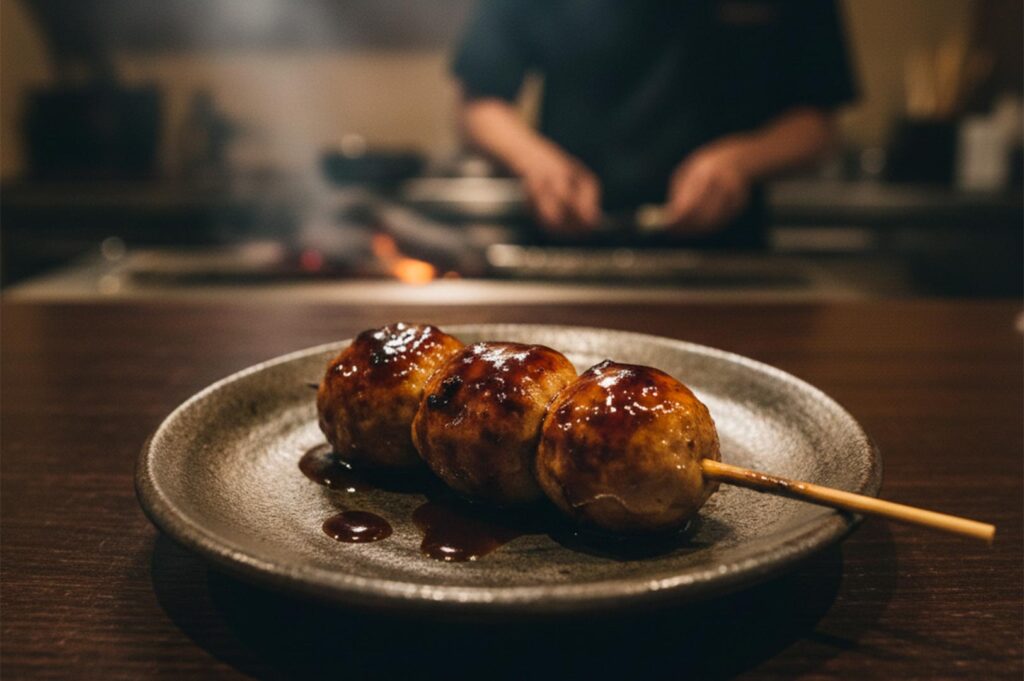
The first skewer arrives. Chicken thigh, seared until the surface tightens and releases. Smoke meets salt on the palate. Then comes a wing, then heart, then tsukune glazed and rotated until it holds together perfectly. Between dishes, there is rice or pickles. A pause. Time stretches.
Each cut demands a different response from the fire. Liver must remain tender. Cartilage needs patience. The tail renders slowly until fat and skin melt together. There are no timers here. Doneness is judged by touch, color, and memory.
Conversation quiets as people watch. Skewers travel from raw to seared, from grill to plate, then disappear. This is the dining experience that draws people back. Not novelty. Not excess. Just the calm focus of a meal unfolding at its own pace.
Adapting the Flame: Yakitori in Singapore Air and Appetite
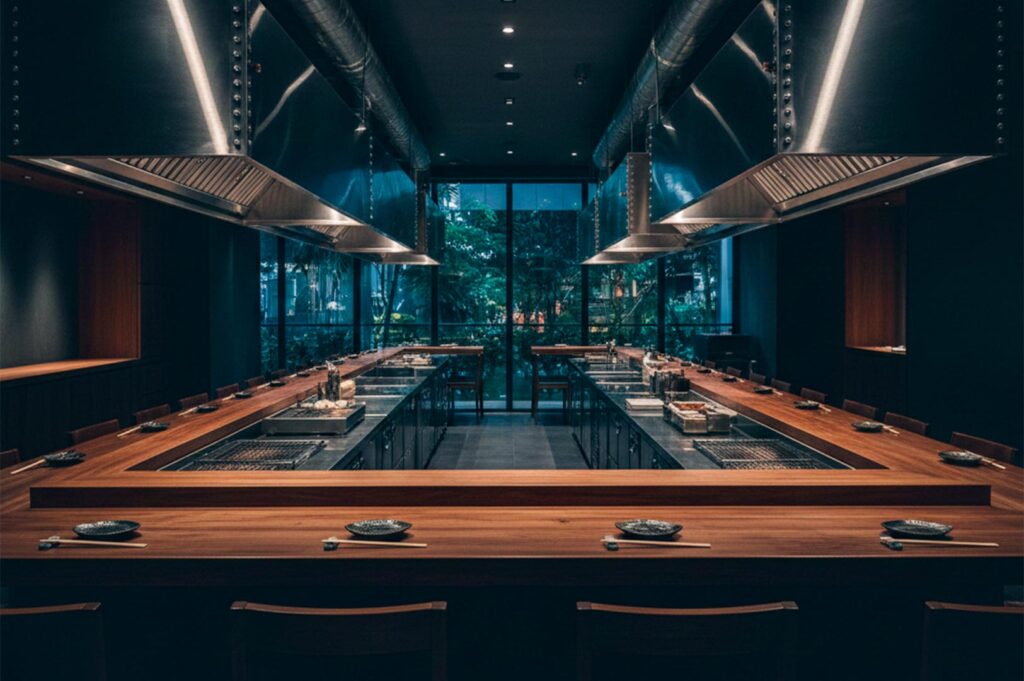
Yakitori grew in Tokyo alleyways, near train tracks and standing bars, shaped by smoke and post work hunger. In Singapore, the conditions are different. Building codes are strict. Humidity is constant. Charcoal grills sit beneath powerful exhaust systems. Counters are tucked into basements or narrow shophouse locations.
Yet the ritual remains. In Robertson Quay, in Orchard, in the city’s quieter corners, yakitori restaurants have found ways to exist. You can find yakitori in Singapore at a wide range of venues, from hidden gems in shophouses to bustling outlets in shopping malls, making it accessible and varied for all kinds of diners. Some import charcoal. Others source locally but maintain quality. Outside, the tropical night presses in. Inside, attention narrows to fire and meat.
Local preferences shape the meal. Rice is common. Lunch sets appear alongside dinner menus. Some establishments offer additional dishes, but the heart of yakitori stays intact. Salt or tare. Skin crisped to perfection. Cuts treated with respect. The influence of satay grills and other regional fire cooking is present, yet yakitori maintains its own quiet discipline.
Shin Terroir and the Meaning of Place in Japanese Cuisine
There is a Japanese idea known as shin terroir. It suggests that food carries the character of where it is made, not just where it comes from. Yakitori in Singapore expresses this clearly. The technique may be Japanese, but the environment shapes the result.
Humidity affects how meat cooks. Local appetites shape portion sizes and pacing. Diners arrive from offices, from late lunches, from long days. Yakitori becomes part of Singapore everyday life rather than a replica of Japan.
This is not dilution. It is adaptation. Shin terroir allows a dish to belong fully to its location while remaining honest to its origins. Fire stays central. Commitment stays visible. What changes is context.
Memory on a Skewer: Transience and Everyday Life
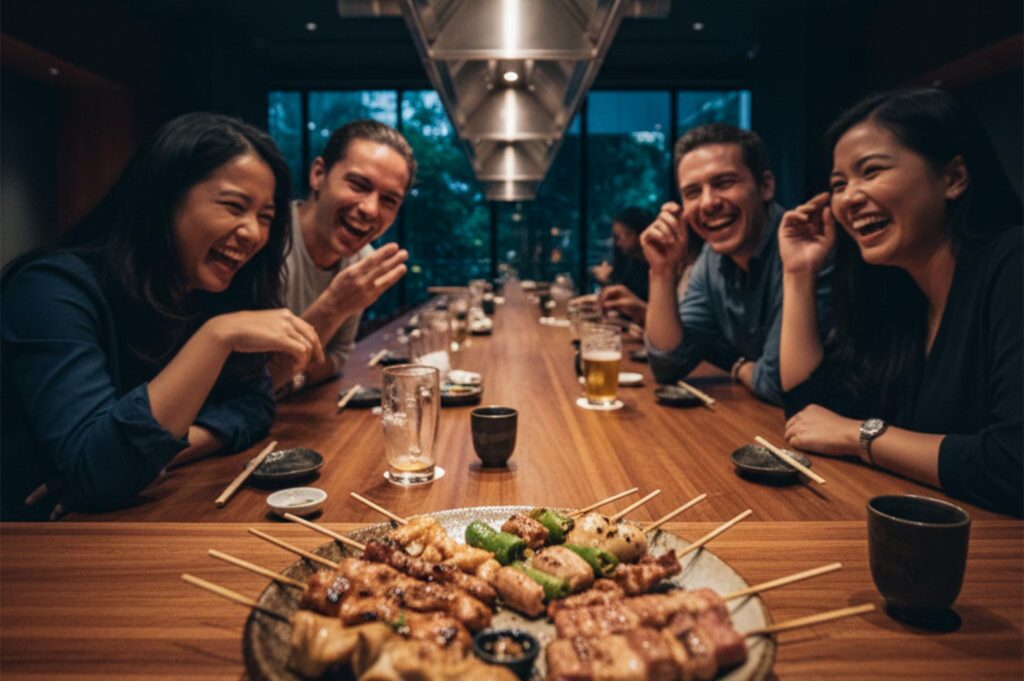
There was once a yakitori establishment in Robertson Walk that regulars still mention quietly. A long counter. A chef who remembered preferences. Pink liver for one guest. Fully cooked for another. One day it closed. No announcement. Just an empty address.
This is common in Singapore. Restaurants appear, glow for a season, then vanish. Rents rise. Leases end. Concepts change. What remains is the action itself. Turning chicken over charcoal. Serving one stick at a time.
People remember routines more than perfection. The same seat. The cold drink arriving without asking. A familiar nod from the chef. Yakitori slips into daily rhythms. Lunch breaks that stretch. Dinners that end just in time for the last train. Meals shared before someone leaves the country. These moments are small, but they accumulate.
Conversations Over Fire: Yakitori Restaurants as Shared Space
At a counter somewhere in the city, a group gathers. A Japanese expatriate. A Singaporean couple. Friends visiting from Jakarta. They pass skewers across the counter. Heart, skin, tsukune. Someone hesitates over egg yolk used for dipping. Another explains how it softens the seared surface.
The chef listens without interrupting. Diners reference things they have read online, perhaps on shin terroir or yakitori in Singapore, then test those ideas against what is served. Knowledge becomes tactile. Shared.
This is how yakitori finds its place. Not through claims of authenticity, but through repeated encounters. Food becomes language. Provisional. Flexible. Shaped by who sits together that night.
Behind the Counter: Commitment in Action
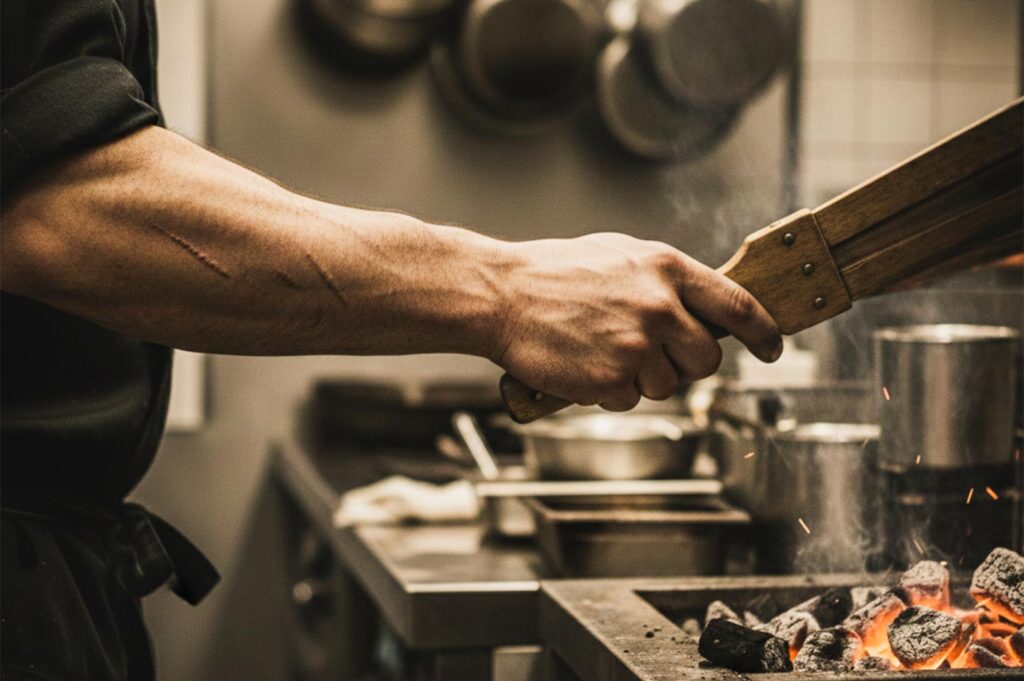
From the dining side, yakitori looks calm. From the grill side, it is demanding. Skewering happens hours before service. Spacing matters. Thickness matters. Charcoal is calibrated into hot and cool zones.
Tare is not static. It is replenished, tasted, adjusted. Sometimes for years. Chefs in Singapore face staff shortages and pressure to turn tables quickly. Yet the fire cannot be rushed. Cartilage takes time. Skin demands patience.
Burns mark forearms. Heat builds. Guests rarely see the strain. What they see is a steady hand. What they taste is the result of long repetition. This is the commitment at the core of yakitori. Discipline rather than display.
Smoke That Lingers: An Ending Without Conclusion
TYou step back into the Singapore night. Taxis pass. MRT lines hum beneath the pavement. Coffee shops glow at the end of the street. Your clothes carry smoke. A quiet reminder.
What stays is not a single perfect skewer, though there may have been one. Perhaps a tail piece rendered just right. Perhaps skin that shattered before melting on the palate. What remains is the accumulation of moments. Warmth. Fire. Time loosening its grip.
Yakitori in Singapore is not about chasing an ultimate restaurant. It is about returning to fire, salt, meat, and company. Somewhere in the city, charcoal is being lit again. Skewers are laid out. Another dinner begins. Whether it is written about or remembered hardly matters. The ritual continues.