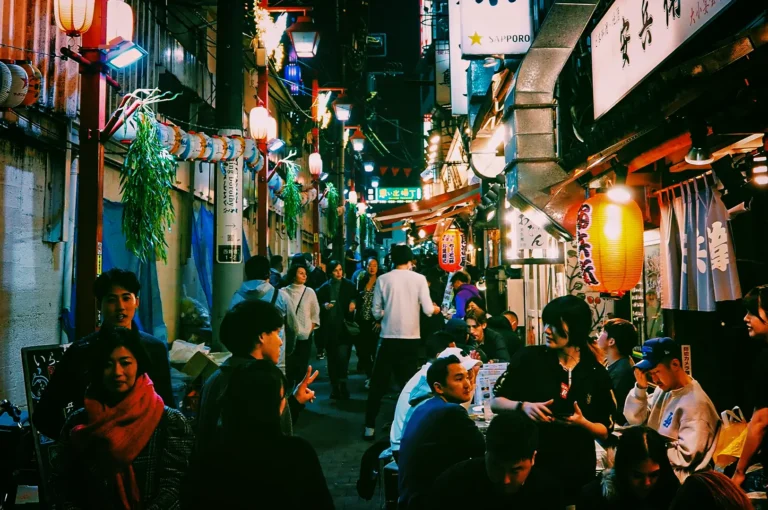

煙の記憶 stays with you long after the meal ends. You notice it later, perhaps when you hang your jacket by the door or catch the faint scent lingering on your sleeve the next morning. It is subtle, warm, and strangely comforting.
At first, some diners worry about leaving a yakitori restaurant smelling like charcoal smoke. But over time, many begin to understand that the scent becomes part of the experience itself. It carries memory.
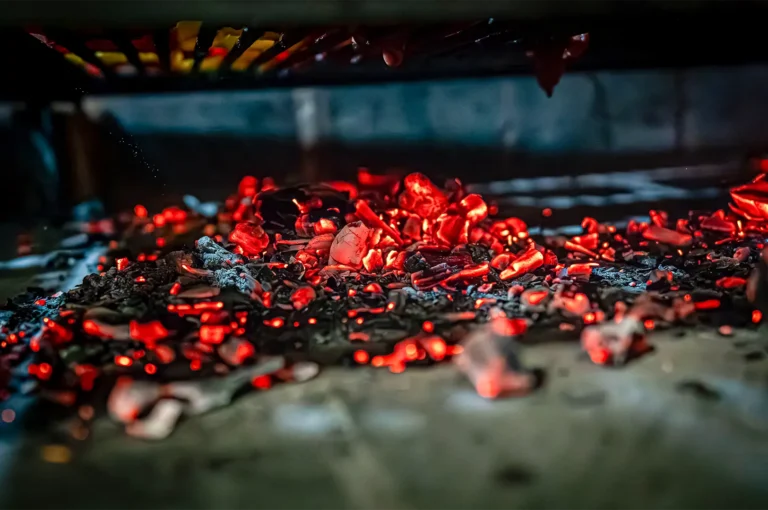
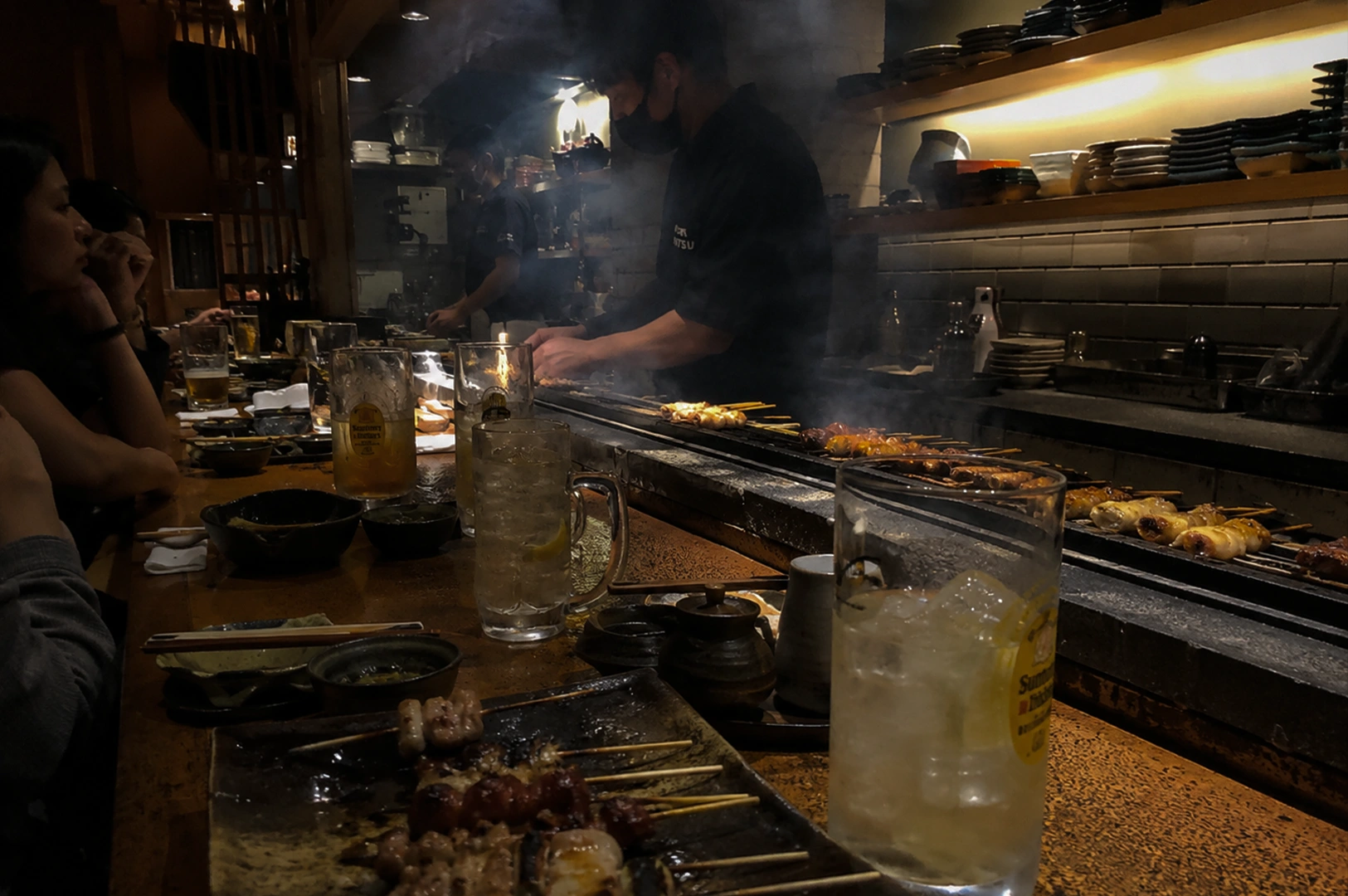
Binchotan smoke is softer than the heavy smoke of large grills or open flames. It settles gently into the space, weaving through conversations, warm plates, and the steady rhythm of skewers arriving one by one. By the end of the evening, it feels almost natural for it to follow you home.
There is something deeply human about this. Yakitori is not designed to feel distant or polished to perfection. The counter is intimate. The grill is open. You hear the crackle of fat, feel the warmth of the charcoal, and leave carrying traces of the evening with you.
Even the scent changes depending on the meal. A stronger tare glaze leaves behind a sweeter smokiness, while lightly salted skewers create something cleaner and more delicate. Without realising it, you begin to associate certain aromas with certain evenings.
Perhaps that is why regular diners rarely mind it. The smoke becomes less of a stain and more of a reminder.
A quiet proof that, for a few hours, you sat close to the fire.