
What Happens After the Last Order Is Taken: Life Beyond the Dinner Rush
There is a particular moment in a restaurant that most diners never see.
It happens after the final plate leaves the kitchen, after the last drink is poured, after the server gently says, “Last order, please.” The room may still look alive from the outside. A few conversations linger. Glasses catch the light. Someone takes one final bite, unwilling to let the evening end too quickly.
But behind the counter, something has already shifted.
The pace changes.
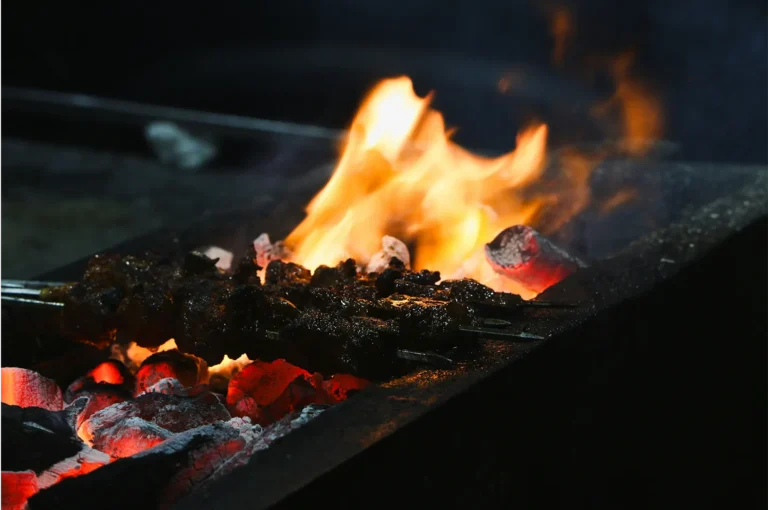
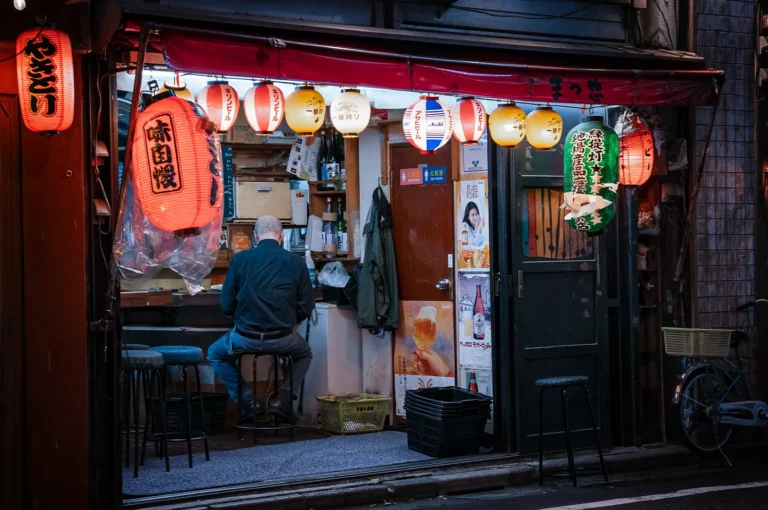
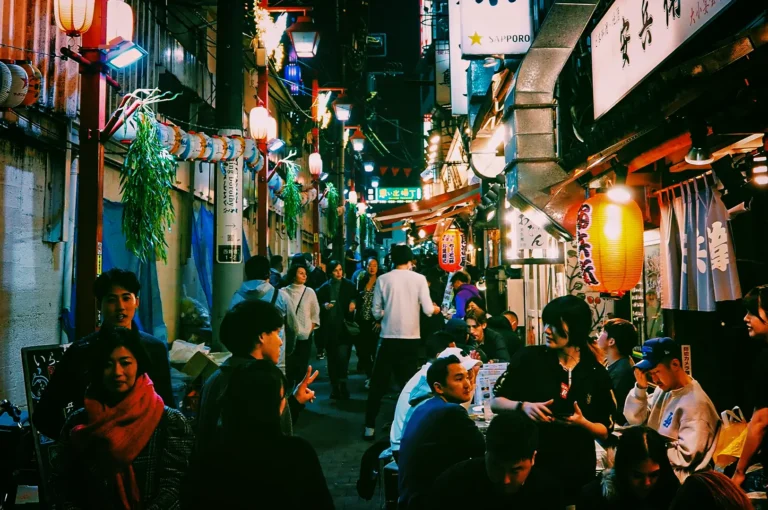
During the dinner rush, a restaurant moves like a living thing. Orders arrive quickly. Plates pass from hand to hand. Chefs call out instructions. Servers glide between tables with practiced calm, even when the night is anything but calm. In a yakitori restaurant, the grill becomes the heart of the room, glowing steadily as skewers turn over charcoal. This is where yakitori grilling feels almost meditative, each turn of the skewer carrying the patience of the chef.
Everything feels urgent.
Then, slowly, the urgency loosens.
The last order is not really an ending. It is a threshold.
For diners, it may simply mean one more skewer, one more bowl of rice, one last round before going home. For the people working there, it marks the beginning of another part of the night. The part without applause. The part without photographs. The part that makes tomorrow possible.
Counters are wiped. Bottles are returned to their places. The grill is cleaned with care. Leftover ingredients are checked, wrapped, labelled, and stored. Floors are swept. Receipts are counted. Aprons are removed only after the work is truly finished.
There is a quiet dignity in this.
Hospitality is often judged by what happens during service. Was the food good? Was the staff attentive? Did the meal arrive on time? These things matter, of course. But the soul of a restaurant also lives in the unseen hours after service, when nobody is watching and the team continues to care.
A good restaurant does not end when the customers leave.
It exhales.
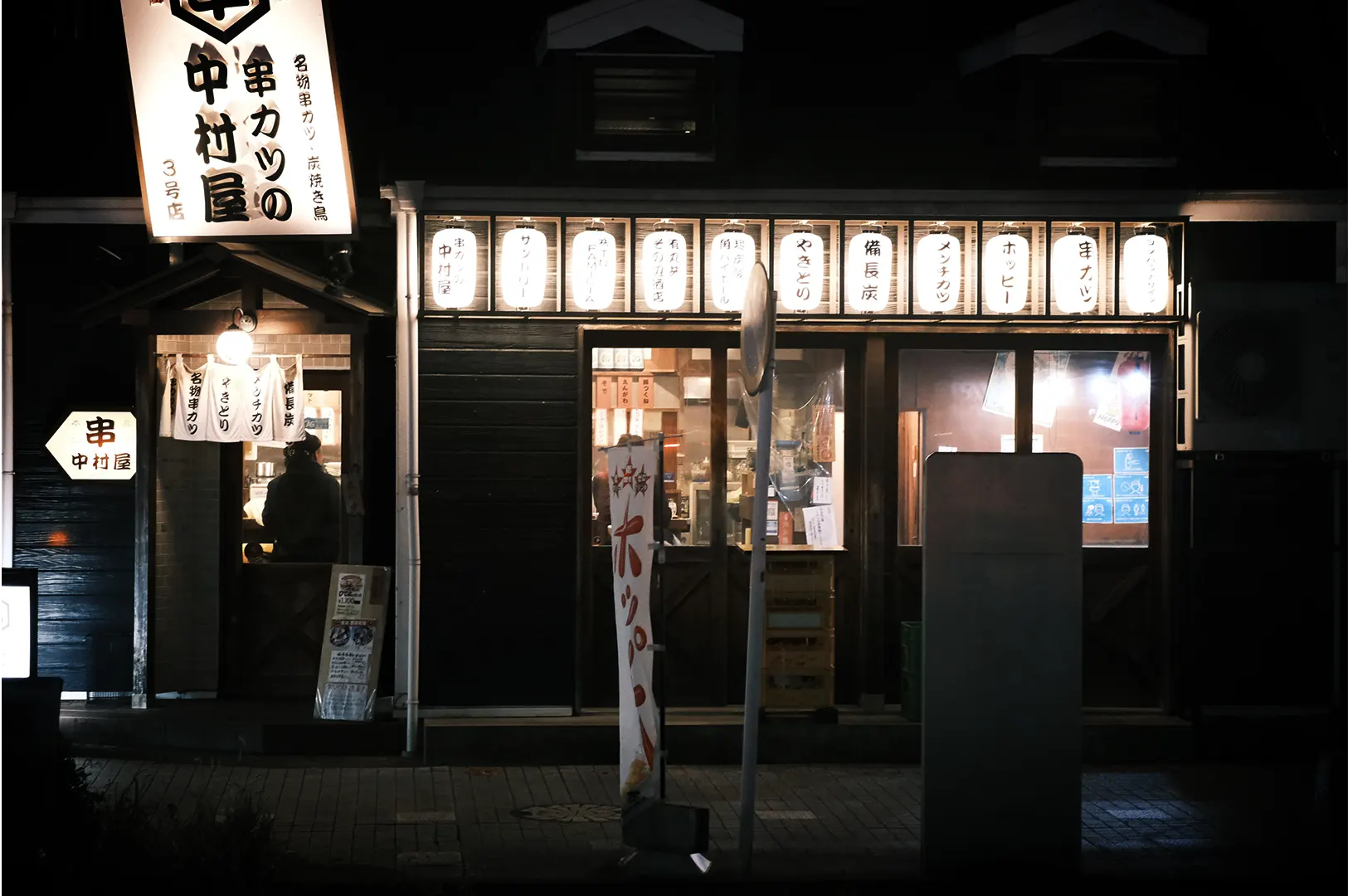
I have always loved that image: a room slowly returning to itself. Chairs pushed back in. Lights softened. The smell of smoke still faint in the air. The memory of yakitori grilling lingering gently, even after the charcoal has quieted. The energy of the evening settling into silence.
There is something deeply human about it.
After all, we have our own versions of last order. The moment after guests leave our homes. The quiet after a long workday. The stillness after performing, hosting, helping, serving, or simply being needed by others. We may smile through the busiest hours, only to meet ourselves again once the noise fades.
Life beyond the dinner rush reminds us that endings deserve tenderness too.
Not every meaningful moment happens at the height of activity. Some happen afterwards, when the room is half-dark and the work becomes quieter. That is where care often reveals itself most honestly.
The dinner rush may bring the excitement.
But after last order, we see the devotion.