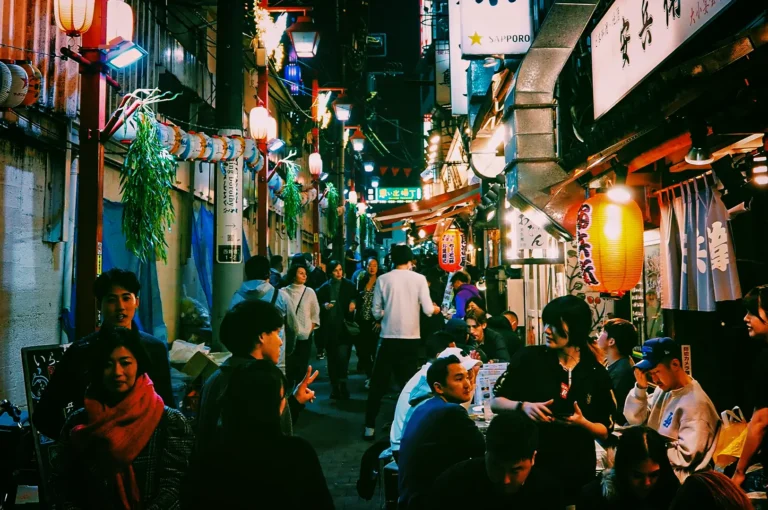

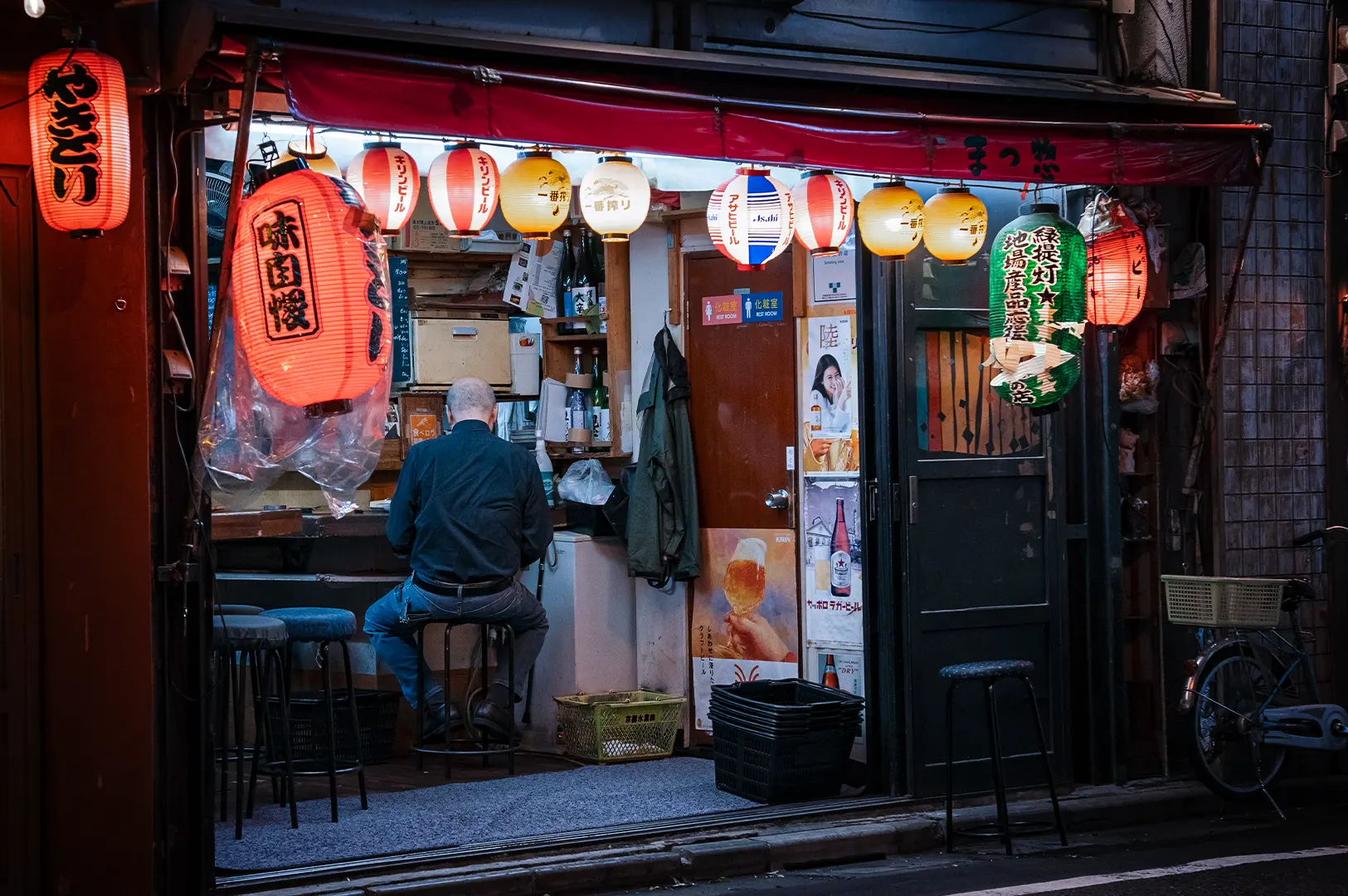
There is a certain stillness that arrives near the end of the night.
Not the silence of an empty room, but something softer. The kind that settles after the dinner crowd has thinned, after the loudest conversations have faded, after the final round of drinks has been poured and the restaurant begins to exhale.
I have always found something quietly beautiful about being the last customer at the counter.
It is not about overstaying. There is a difference between lingering with grace and refusing to leave. The last customer I am thinking of knows this difference. They notice when the chef begins wiping the counter, when the charcoal has lost its earlier fury, when the staff move with that particular tired rhythm that comes after a long service.
And yet, for a little while, they remain.
A yakitori counter changes at the end of the evening. Earlier, it is all movement: skewers turning, orders called, glasses raised, smoke curling upward with confidence. Later, everything slows. The chef’s hands are still precise, but less hurried. The room feels smaller. Details become clearer.
You notice the faint glow beneath the grill. You notice the clean plates stacked neatly to one side. You notice the way the final skewer seems to carry more weight than the first.
Perhaps that is why staying until the end feels different.
At the beginning of a meal, we are full of appetite. We scan the menu, compare choices, anticipate what is coming. By the end, hunger has softened into contentment. We are no longer chasing the next bite. We are simply present with what remains.
There is a gentle intimacy in this.
The counter, after all, is not just a place to eat. It is a place to watch labour up close. Every skewer has passed through someone’s hands. Every dish has required timing, heat, patience, and repetition. To stay until the end is to witness not only the performance of dinner, but the quiet work that follows it.
The wiping down. The checking of supplies. The small conversations between staff. The chef looking at the grill not as spectacle, but as responsibility.
In those final minutes, a restaurant becomes human again.
This is something I love about yakitori dining. It reminds us that pleasure does not need to be grand to feel meaningful. Sometimes it is found in a perfectly grilled piece of chicken. Sometimes in the pause before the bill arrives. Sometimes in the soft clink of a glass being cleared from the counter.
Being the last customer can feel like being trusted with the ending of a story.
You do not need to say much. A simple thank you is enough. Perhaps a nod to the chef. Perhaps one last look at the charcoal before it fades.
Then you step outside.
The street feels cooler. The night has moved on without you. Somewhere behind you, the lights are being turned off.
And for a moment, you carry the warmth of chicken yakitori with you.