
The first time I heard someone say itadakimasu before a meal, I thought it simply meant “enjoy your meal.”
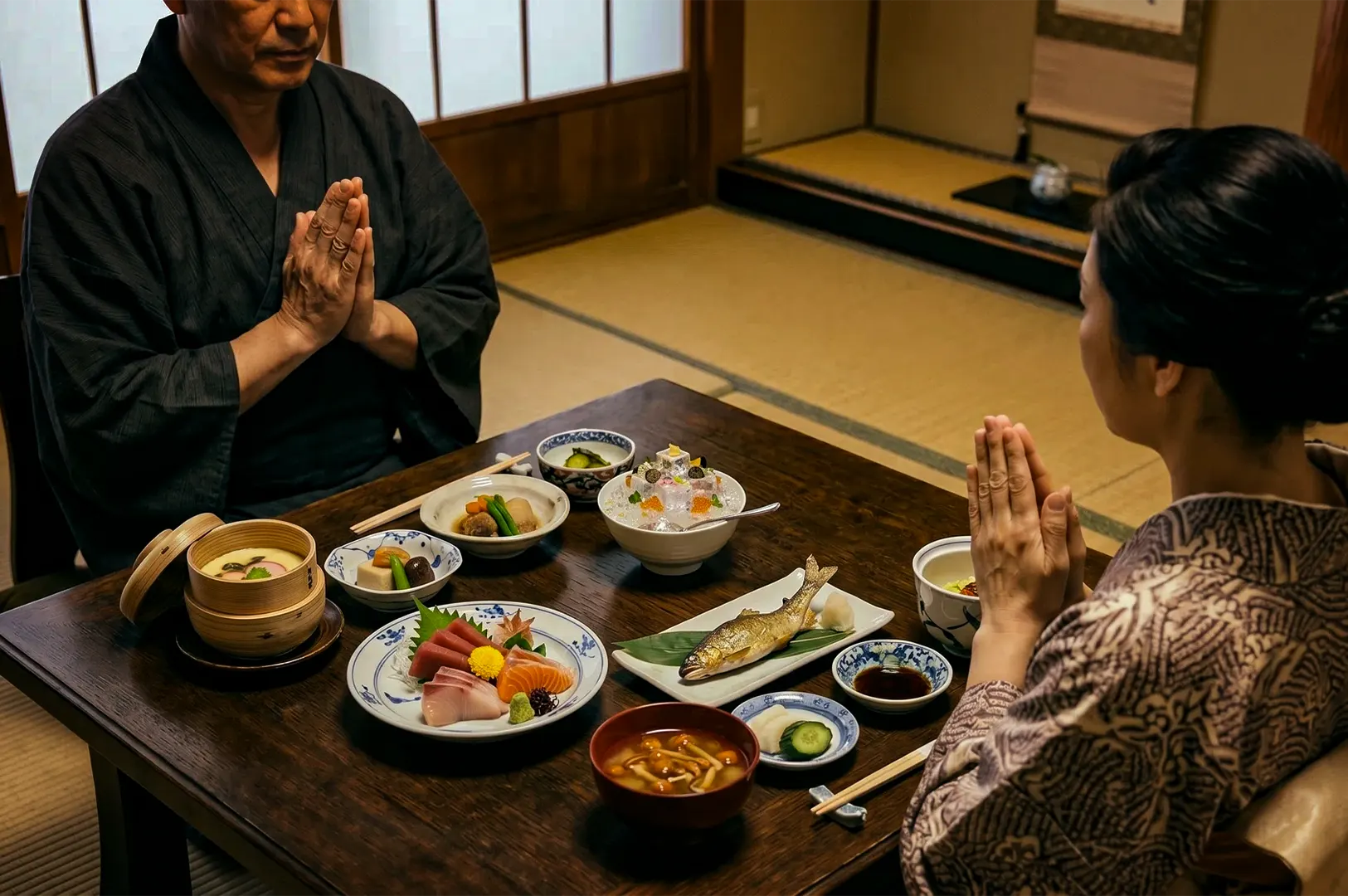
It was said softly, almost without ceremony. Hands came together for a moment. Heads dipped slightly. Then, just like that, everyone picked up their chopsticks and began eating.
It lasted only a few seconds.
At first, I saw it as a polite habit. A small Japanese dining ritual before the food began. But the more time I spent around Japanese food culture, the more I understood that itadakimasu carries something much deeper than table manners.
It is not just a phrase.
It is a quiet expression of gratitude.
And somehow, that gratitude feels especially meaningful before a yakitori meal.
Yakitori can look wonderfully simple when it arrives at the table. A few pieces of chicken on bamboo skewers. A brush of tare. A sprinkle of salt. A little smoke from the charcoal. Nothing overly dressed or dramatic.
But that simplicity is exactly what makes it worth noticing.
Behind each skewer is a long chain of effort that most of us rarely think about. Farmers raised the chickens. Suppliers moved the ingredients. Chefs cleaned, cut, seasoned, skewered, and grilled each piece with patience. Even the charcoal, often taken for granted, comes from its own tradition of craft and care.
Itadakimasu acknowledges all of that.
The phrase is often translated as “I humbly receive.” But like many beautiful words, its meaning cannot be fully captured in translation. It recognises that food does not simply appear in front of us. Something has been given so that we may eat.
Time has been given. Labour has been given. Skill has been given. Life itself has been given.
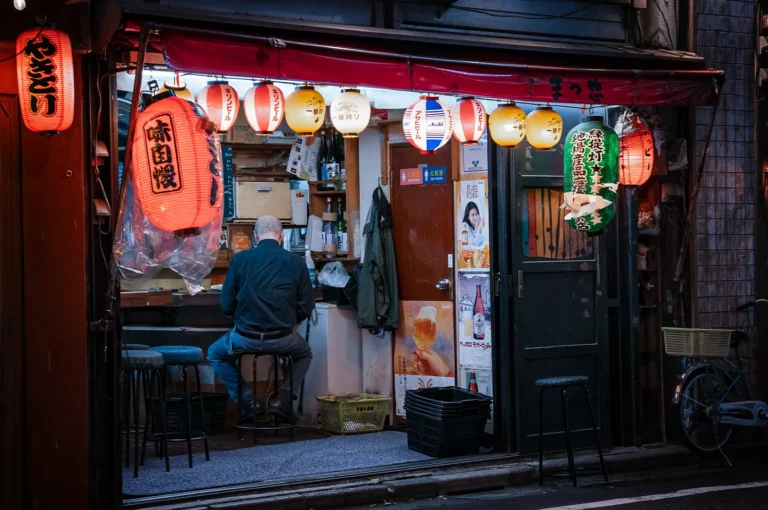
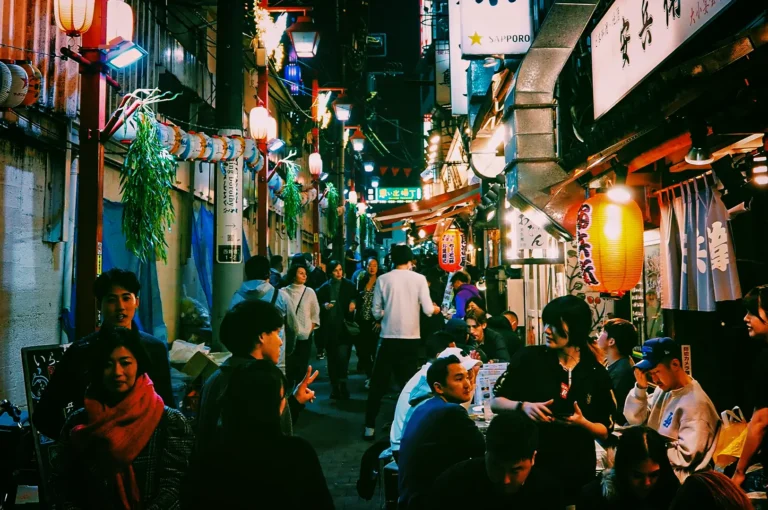
I thought about this recently while exploring Japanese food at Fortune Centre, where diners gather for many different reasons. Some come for a quick lunch. Some come for a comforting bowl of ramen or donburi. Others arrive in the evening for small plates, drinks, and skewers shared across the table.
From the outside, it can feel casual. A meal between errands. A stop after work. A familiar place to satisfy a craving.
But when you pause for a moment, every dish tells a larger story. Someone prepared the broth. Someone shaped the rice. Someone stood over heat and smoke, watching closely so the chicken would be ready at just the right moment.
In a city like Singapore, that kind of awareness can feel surprisingly refreshing.
So many of us eat quickly. We check messages between bites. We rush through lunch before the next meeting. We think about where we need to be instead of what is already in front of us.
Meals become tasks.
Food becomes fuel.
And before we realise it, we have finished eating without truly tasting anything.
That is why I have grown fond of the pause before a yakitori meal.
When the skewers arrive, there is always that small moment before the first bite. The smoke rises gently. The aroma of charcoal and grilled chicken reaches the table. The glaze catches the light. The food is warm, immediate, and made to be eaten now.
A simple pause changes the way you receive it.
Not in a performative way. Not because you need to follow a tradition perfectly. But because the act of pausing reminds you to pay attention.
The first bite becomes more intentional. The salt tastes sharper. The tare feels richer. The charcoal smoke becomes more than background flavour. You notice the tenderness of the chicken, the crisp edges, the warmth of the skewer in your hand.
You are no longer just eating.
You are receiving.
There is also another layer to itadakimasu that I find moving. Traditionally, it is not only about thanking the people who prepared the food. It also expresses gratitude toward nature and the ingredients themselves.
The chicken, the rice, the vegetables, the wood, the fire — all of these have played a part in sustaining us. Whether you see this spiritually, culturally, or simply as a reminder of connection, it brings a gentleness to the dining experience.
It reminds us that food is never isolated from the world around it.
Perhaps that is why itadakimasu has endured for generations.
In a world that constantly asks us to move faster, the phrase asks us to slow down. In a culture where meals can easily become routine, it invites appreciation. And in a dish as humble as grilled chicken on a stick, it reminds us that simplicity does not mean something is ordinary.
The next time a plate of yakitori arrives at your table, notice the moment before the first bite.
The smoke rising.
The aroma drifting across the table.
The quiet work behind each skewer.
Before reaching for the first piece, take one second to appreciate everything that brought it there.
That small moment of gratitude may become one of the most meaningful parts of the meal.