
There is a certain kind of tiredness that arrives at the end of a working day.
It is not dramatic. It comes quietly, after too many meetings, decisions, and messages that needed answering before the next one appeared. By evening, even choosing where to eat can feel like another task.
Perhaps this is why yakitori in Singapore holds such quiet appeal.
At first glance, it is simple: chicken skewers seasoned with salt or tare, grilled over charcoal, and served one by one. But for many busy professionals, yakitori becomes more than dinner. It becomes a gentle ritual, a pause between the speed of work and the stillness of home.
Modern work often rewards urgency. Emails are answered quickly. Meetings run into one another. Lunch is sometimes eaten in front of a screen, with the mind already moving toward the next deadline.
Yakitori offers a different rhythm.
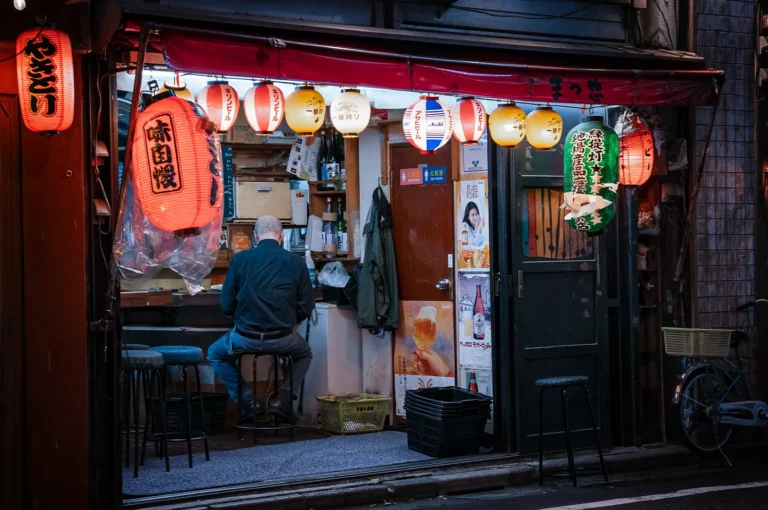
At the counter, the meal does not arrive all at once. Each skewer has its own timing. The chef turns the chicken carefully over glowing charcoal, watching the skin tighten, the fat render, and the edges deepen in colour. A brush of tare, a final moment over the heat, and the skewer is placed before you while still warm from the fire.
There is no need to rush.
Slowly, the body begins to follow this pace. The mind settles on smaller things: the sound of charcoal, the scent of smoke, the warmth of a freshly grilled skewer held between the fingers. After a day spent moving quickly, these details feel unusually clear.
Regulars often build their own quiet routines. They return to the same restaurant, choose the same counter seat when it is free, and begin with the same first skewer. Perhaps chicken thigh with tare. Perhaps tsukune with a soft savoury glaze. A cold drink follows. Conversation begins only when it needs to.
There is comfort in this predictability.
Not every meal has to surprise us. Sometimes, the pleasure is in knowing what comes next. After a day filled with changing priorities, a familiar order can feel grounding. The ritual becomes less about seeking something new and more about returning to something steady.
For many professionals, yakitori sits in the space between two versions of the self. The working day has ended, but the evening has not fully begun. There may still be errands, family duties, or quiet responsibilities waiting at home. The yakitori counter becomes a brief in-between place, where nothing needs to be performed.
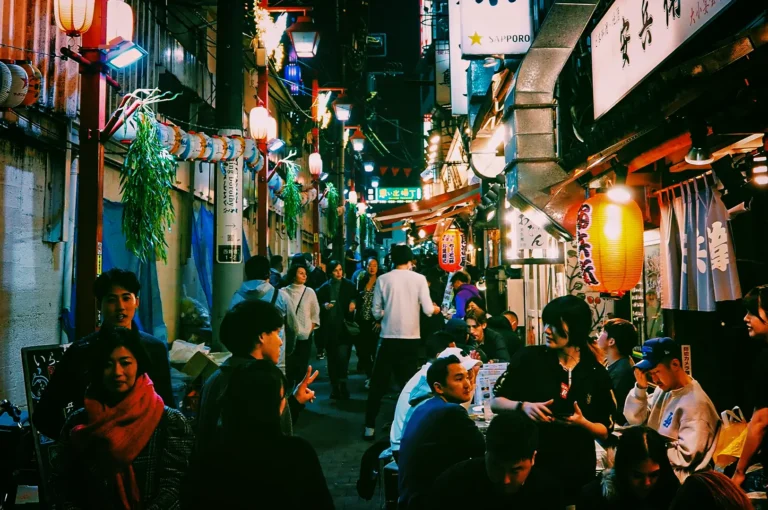
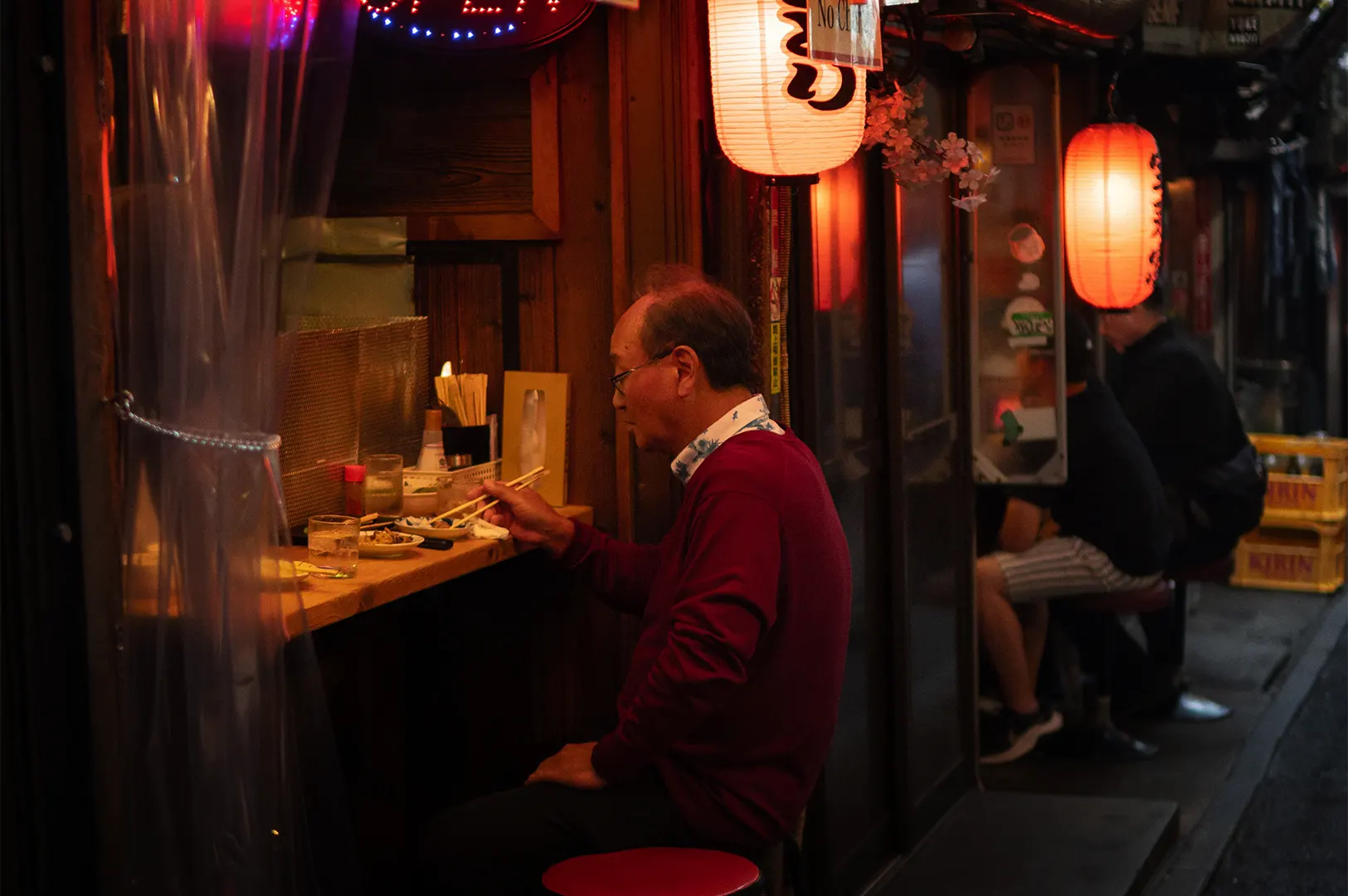
Some diners come alone, grateful for the privacy of eating without explanation. Others arrive with colleagues, letting conversation loosen slowly over skewers and drinks. Because the food comes gradually, silence does not feel awkward. It simply becomes part of the rhythm.
Of course, flavour matters. The chicken should be tender, the skin lightly crisp, the tare glossy but not heavy, and the smoke gentle rather than overwhelming.
But what brings people back is often less tangible.
It is the feeling of slowing down. The relief of sitting somewhere familiar. The quiet pleasure of letting someone else decide the pace for a while.
Not every meal needs to be a celebration. Some meals matter because they support us gently, week after week.
That is the role yakitori often plays after a long day. It asks for no occasion. It simply offers warmth, rhythm, and a little room to breathe.