
By Michelle Tan
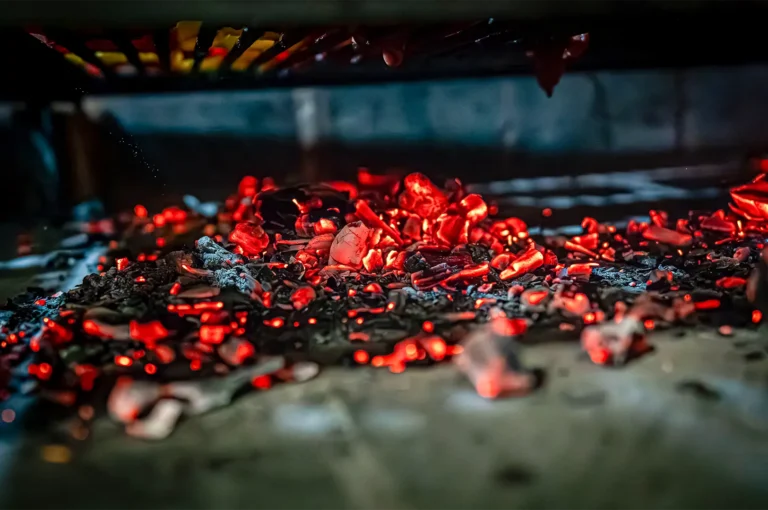
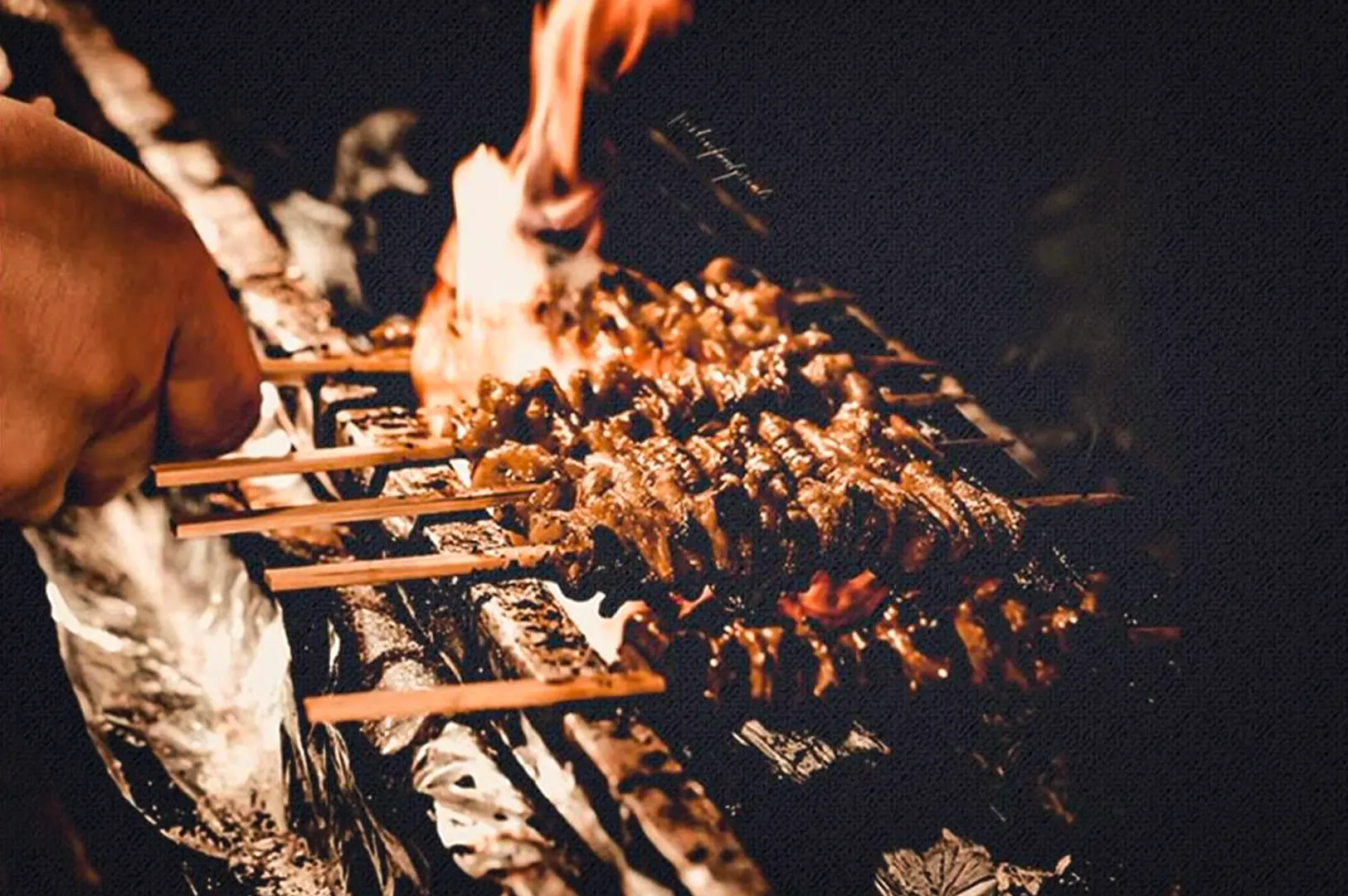
炭火の仕事 is quiet, deliberate, and captivating. At Kai Yakitori in Orchard Plaza, I learned how every movement at the counter shapes the meal. From the glowing binchotan to the careful placement of each skewer, dining here is less about spectacle and more about attentive craftsmanship.
Sitting at the chef’s counter, you witness subtle expertise. Momo (thigh) is brushed with tare, moved between heat zones to render fat without drying out. Kawa (skin) crisps with a glassy sheen. Hatsu (heart) cooks just enough to remain springy and tender. Each cut is treated differently, seasoned thoughtfully with either shio or tare depending on texture and flavor.
Kai Yakitori is a place where progression matters. Start with lighter, salt-seasoned items like sasami or hatsu, move to richer tare-glazed skewers such as momo and reba, and end with the playful textures of bonjiri or tsukune. Rice dishes like oyako don round out the experience, providing comfort and completeness.
For anyone who wants to understand how chefs anticipate diners’ preferences and execute flawlessly, our guide to Fukuda Yakitori Dining in Singapore offers a complementary look at technique, seasoning, and counter etiquette across other notable spots.
This careful attention extends beyond the skewers. Ordering in small batches lets the chef pace your meal, ensuring optimal temperature and texture. Quiet observation teaches as much as tasting. Even minor gestures—resting skewers, fanning the coals, or letting the tare glaze set—reflect years of skill and discipline.
Kai Yakitori isn’t just a restaurant; it’s a lesson in Japanese hospitality expressed through fire, timing, and precision. Every visit teaches you something new, from understanding cuts and seasonings to appreciating the quiet rhythm that defines a masterful yakitori counter.