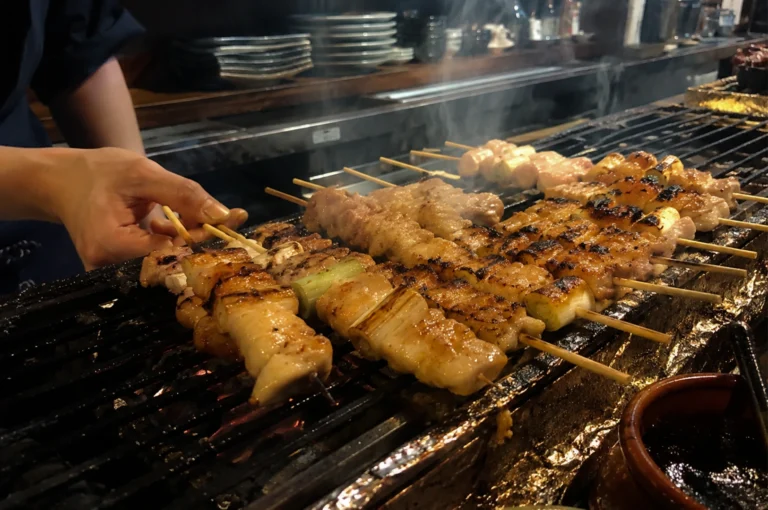

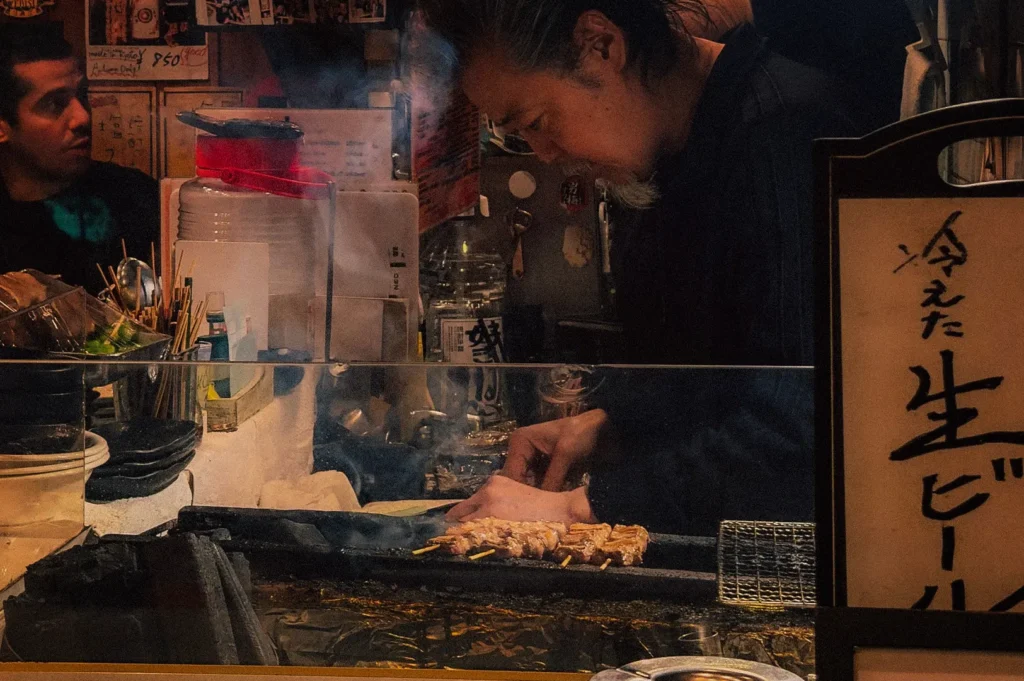
For years, I ate yakitori without ever looking at the skewer. I was too busy chasing that smoky chicken thigh and a cold beer. Then one evening, sitting at a counter watching a chef thread tiny pieces of cartilage onto a thin bamboo stick with the patience of a calligrapher, it clicked for me. The skewer isn’t a delivery tool. It’s part of the craft.
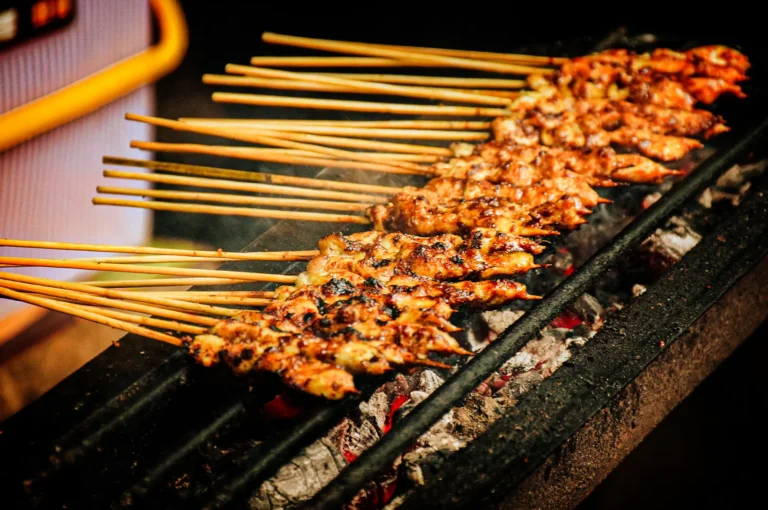
That small shift changed how I taste yakitori. Now I notice the char, the way the meat sits snugly, the gentle smoke. If you grew up in Singapore loving satay, you already understand the joy of food on a stick. But yakitori’s bamboo skewer, or kushi, plays a quieter, more important role than most of us realise. Let me walk you through why.
What Are Bamboo Skewers Used for in Yakitori?
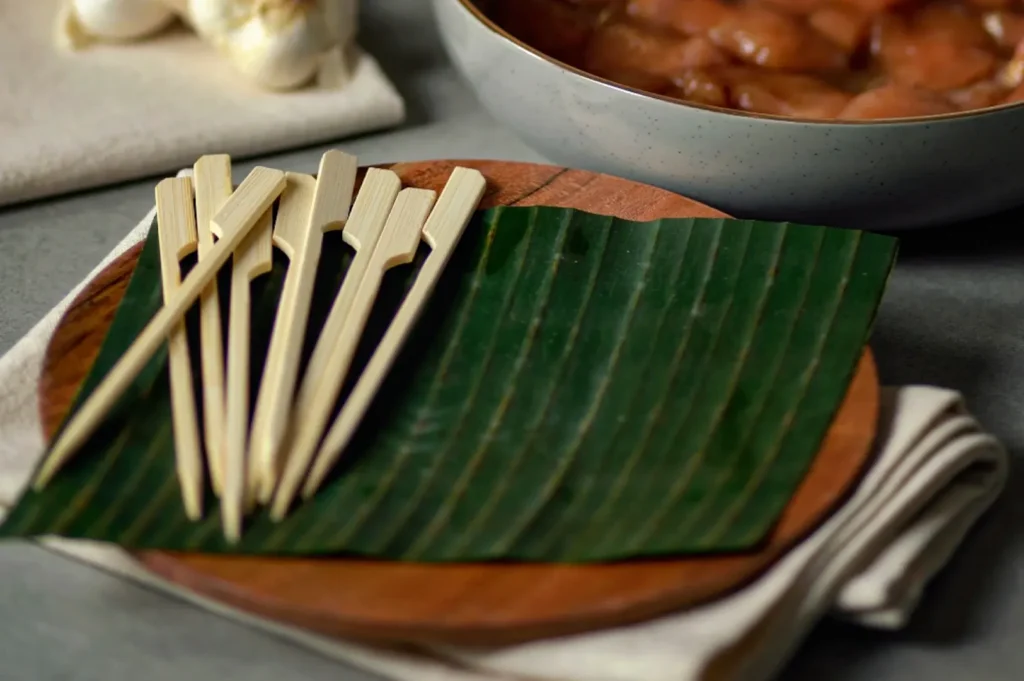
In traditional Japanese cuisine grilling, bamboo skewers serve several important purposes. They help with portion control and ensure consistent cooking by holding bite sized pieces securely. Bamboo skewers also make it easy to handle the food over hot charcoal without burning the chef’s hands. These skewers are a staple in many Japanese chicken dishes and are also ideal for grilling pork belly, shiitake mushrooms, seafood, and vegetables.
Why bamboo skewers matter more than most people think
First, the basics. Yakitori is bite-sized chicken, often across many different cuts, grilled over charcoal and seasoned with either tare (a sweet-savoury sauce) or shio (salt). Simple on paper. Deceptively skilful in practice.
- Traditional bamboo kushi are chosen for:
- How they handle heat
- How they grip delicate pieces
- The cultural role they play in the craft.
- The skewer shapes how the food cooks and how you eat it.
- Bamboo holds smaller, trickier pieces like chicken skin or cartilage far better than you’d expect.
- This grip lets a chef grill fiddly cuts evenly without them falling apart over the coals.
How bamboo skewers affect flavour, texture, and cooking control
Let me break down the practical ways bamboo earns its place.
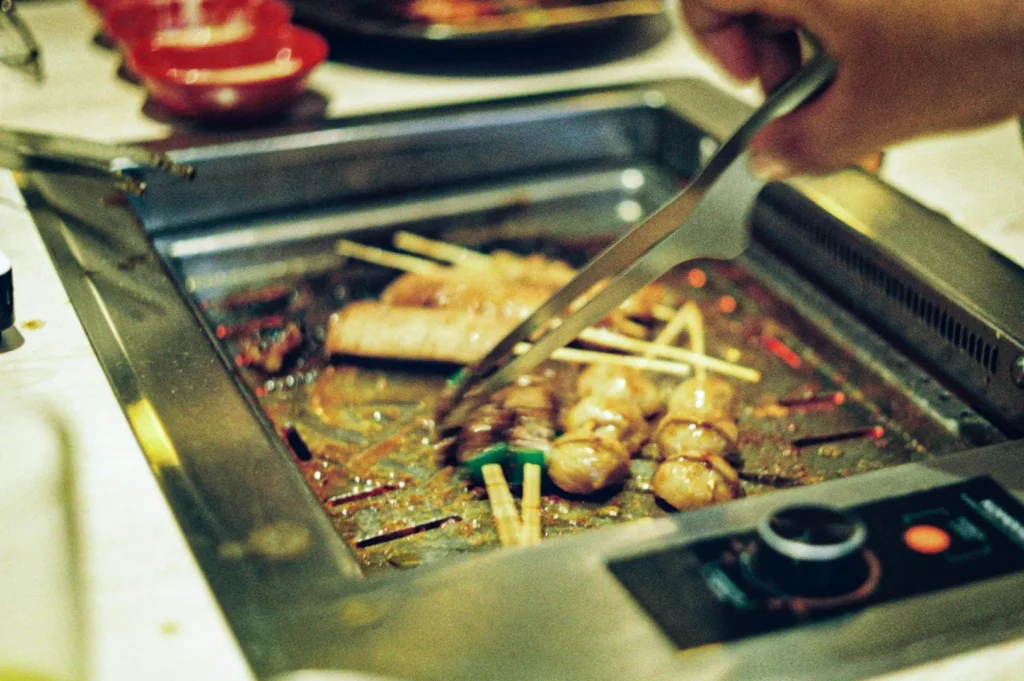
- Even cooking: Because bamboo doesn’t pump heat into the meat, each piece cooks at the pace the charcoal sets, giving you that juicy centre and charred edge.
- Better grip on delicate cuts: Skin, gizzard, and cartilage stay put instead of sliding or spinning.
- Flat skewers for stability: There are flat bamboo skewers, called hiragushi, designed to stop pieces from rotating when you flip them. This keeps the char even all the way around.
- Convenient prep and rest: Bamboo skewers are light and convenient to prep, and the exposed bamboo ends allow easy handling at the table and during cooking. After grilling, letting the skewers rest briefly helps the flavors develop.
Bamboo vs metal — what I’ve learned from watching yakitori being made
| Feature | Bamboo Skewers | Metal Skewers |
|---|---|---|
| Heat conduction | Conducts heat slowly, cooks meat evenly from outside, preventing overcooking near the handle | Conducts heat rapidly, can overcook meat near the handle due to internal heat transfer |
| Grip on food | Fibrous texture provides better grip, prevents delicate pieces from sliding or spinning | Smooth surface may allow food to slide or rotate during cooking |
| Heat resistance | Withstands high heat without melting; requires soaking to prevent burning | Withstands high heat without risk of burning or melting |
| Handling during cooking | Handle stays cool enough to turn skewers comfortably | Handle can become hot, requiring tongs or protection |
| Authenticity and tradition | Integral to traditional yakitori experience and presentation | Less traditional, feels more clinical and less authentic |
| Reusability | Disposable and biodegradable | Reusable and dishwasher-safe |
| Preparation | Requires soaking in water for at least 30 minutes to prevent burning | Ready to use without soaking |
| Cost | Very affordable, around five cents per skewer | More expensive, but reusable over time |
| Stability of food on skewer | Flat bamboo skewers (hiragushi) prevent food from rotating | Metal skewers may have flat or round stems; flat stems prevent rotation better |
| Environmental impact | Biodegradable and eco-friendly | Not biodegradable, but reusable |
The simple yakitori habits that make a big difference
If you ever try grilling yakitori yourself, or you just want to understand what your chef is doing, here are the steps that matter.
- Soak your skewers. Soak bamboo in water for around 30 minutes or more before grilling to reduce burning and flare-ups over charcoal. Cooks do debate how necessary this is, but for beginners, I’d say it absolutely helps. For extra protection, some wrap the exposed bamboo tips in aluminum foil.
- Thread uniform pieces. Keep the chunks similar in size and leave space at the bottom of the skewer to hold. Consistency means everything cooks at the same rate.
- Mind your spacing. Don’t cram the meat. A little breathing room helps the heat and smoke move around each piece, especially when cooking over a flame or broiling in an oven.
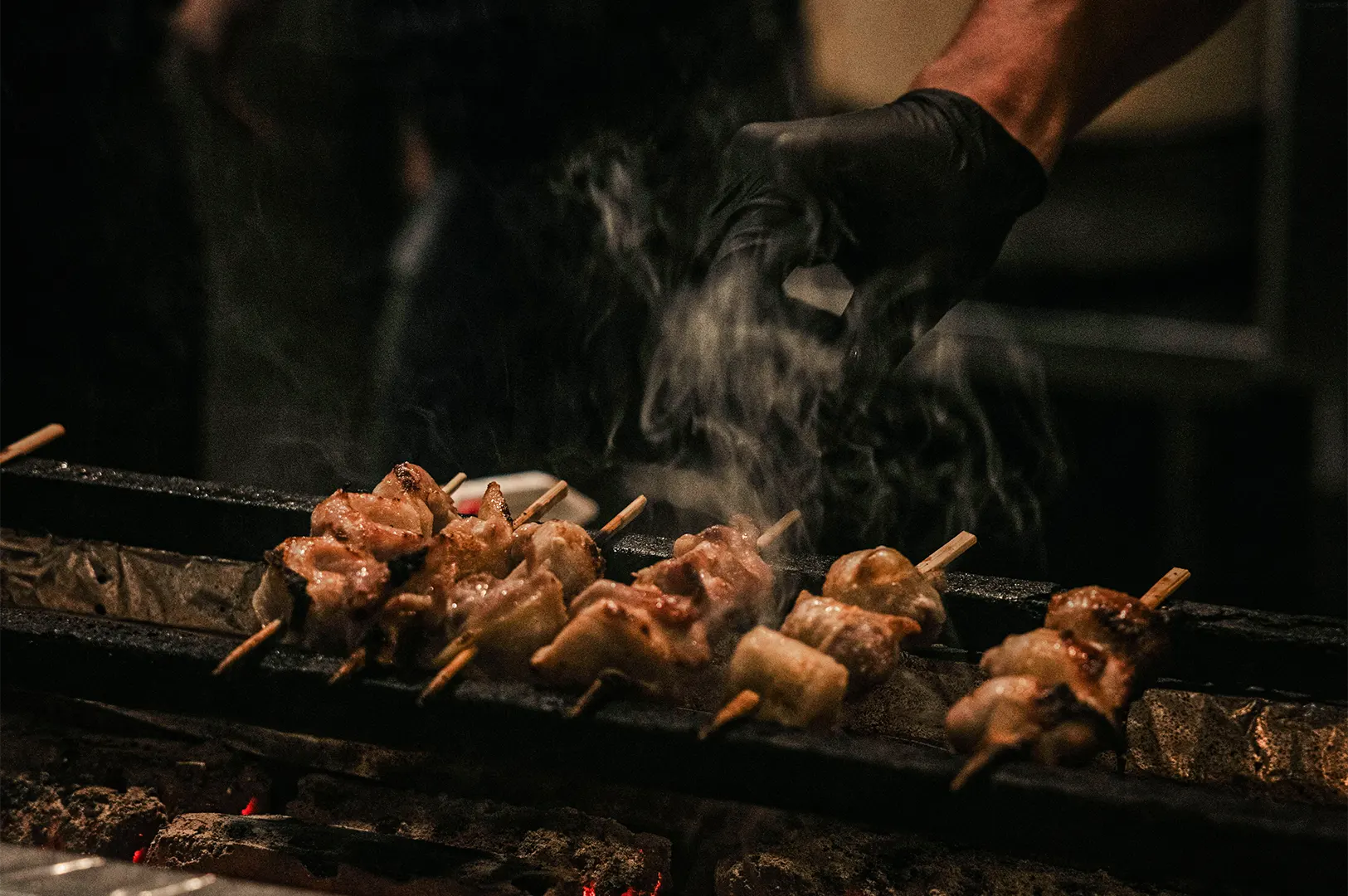
- Grill over steady heat and rotate thoughtfully. Authentic yakitori is grilled over charcoal with deliberate, patient turning. Some street vendors in Japan still cook yakitori over binchotan charcoal for that distinct flavor.
- Season at the right moment. Dip in tare or sprinkle shio as the chef prefers, usually toward the end.
- Eat it while it’s hot. This is the one rule I never break. Yakitori cools fast and loses its magic. Eat each skewer soon after it lands.
Common mistakes I made and what you can avoid
- I skipped soaking entirely. My first home attempt ended with skewers charred into little embers and an acrid taste on the chicken. Thirty minutes in water would have saved the whole batch.
- I thought the skewer didn’t matter. For ages I treated the stick as disposable background. Once I understood that bamboo controls heat and grip, my appreciation, and my own grilling, improved overnight.
- I didn’t know how to eat it. I used to awkwardly try to slide everything off with chopsticks. Traditionally, you can eat right off the bamboo or slide the pieces off, depending on the restaurant’s style. There’s no single rule, so follow the room.
- I left used skewers on my plate. In many traditional settings, there’s a dedicated holder or cup for spent sticks. Use it. It keeps your space tidy and signals you know the etiquette.
- I used cheap, splintery bamboo at home. Flimsy skewers that splinter are a genuine hazard and a sign of poor quality. Spend a little more on proper yakitori-length sticks.
How Bamboo Skewers Shape the Yakitori Experience
| Aspect | Description |
|---|---|
| Uniform Cooking | Bamboo’s slow heat transfer ensures each piece cooks steadily, resulting in juicy skewers with a perfect char. |
| Easier Seasoning Application | Steady cooking allows precise application of tare or shio seasoning, enhancing flavor balance. |
| Ideal for Binchotan Charcoal Grilling | Bamboo withstands the high heat of binchotan charcoal grilling without melting or distorting. |
Common Chicken Skewers Served on Bamboo
| Skewer Type | Description |
|---|---|
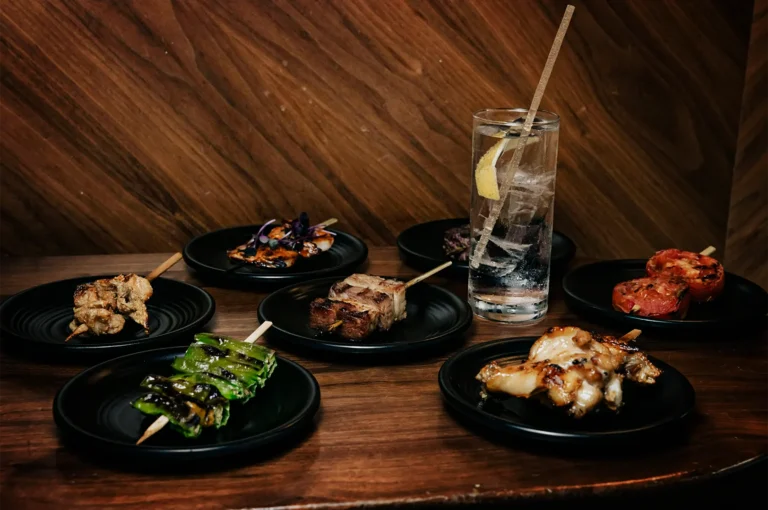
| Momo (Chicken Thigh) | Juicy chicken thigh pieces threaded on bamboo skewers, forming the foundation of many yakitori dishes. |
| Negima (Chicken and Leek) | Alternating bite-sized pieces of chicken breast with green onion on skewers create the classic negima yakitori. |
| Tsukune (Chicken Meatball) | Ground chicken formed into tender meatballs and skewered for grilling. |
| Kawa (Chicken Skin) | Crispy chicken skin skewered for a textural contrast. |
Why the Type of Chicken Skewer Matters
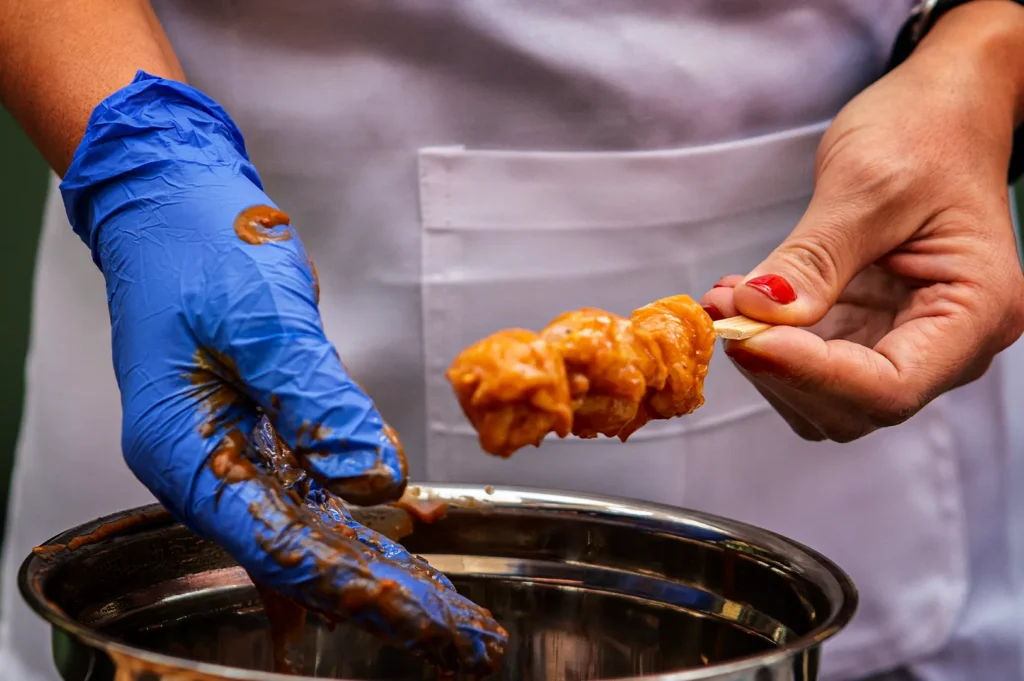
Different chicken cuts offer distinct textures and flavours. Some, like momo, pair beautifully with tare sauce, while others shine when simply seasoned with shio. Often, the choice of cut matters more than the seasoning, shaping the overall yakitori experience.
What to Order at a Yakitori Restaurant in Singapore
While bamboo skewers help create the authentic yakitori experience, the real question for most diners is what to order first. From juicy chicken thigh skewers to smoky negima and flavourful tsukune, understanding the different cuts can make your next meal much more enjoyable. When visiting Singapore, experiencing the incredible variety of Marina Bay Sands food is a must. From upscale dining to casual bites, the culinary options there perfectly complement the rich culture and vibrant atmosphere of the city, making it a great spot to enjoy after savoring authentic yakitori.