
There’s something about spending time around Somerset Singapore that goes beyond simply finding a good place to eat. Between the busy flow of the mrt, the constant movement along orchard road, and the mix of people stepping out from offices or meeting friends, you begin to notice how certain meals slow things down.
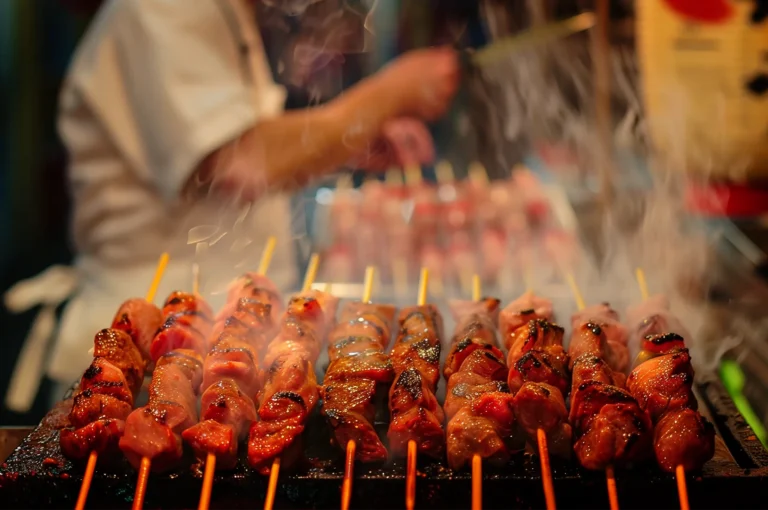
Yakitori does that. Not loudly. Not in a way that demands attention. But gently, through rhythm. Across the counters you’ll find around somerset, the experience feels different from most restaurants in the city. The room is often small, the number of guests limited, and the focus quietly fixed on the grill.
At first, it feels simple, a skewer, some chicken, a bit of sauce. But after a few visits, you realise you’re part of something more layered. Something shaped by japanese tradition, but lived out here in singapore, along these familiar streets.
Chicken Thigh: Where the Journey Usually Begins
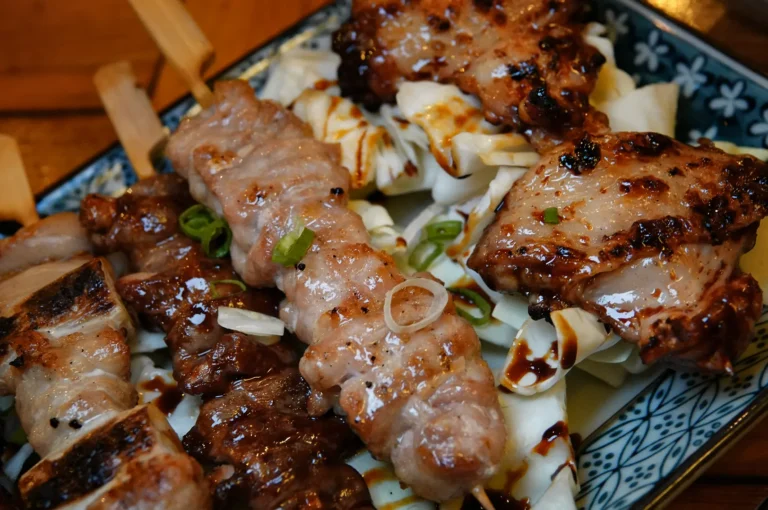
If there’s one place most people start, it’s the chicken thigh. It’s often the first skewer you’re served, whether you’re doing omakase or choosing freely. And it tells you almost everything about the place.
You notice the balance:
- The skin, lightly crisp from high heat
- The meat, still tender, holding onto its natural oil
- The tare brushed just enough to bring out depth without covering the original taste
Each counter has its own preferred method. Some lean toward a slightly stronger char, letting the flavors deepen over the heating element. Others keep it lighter, allowing the natural sweetness of the chicken to come through. Either way, the goal is the same, to let the ingredient speak.
And from there, the journey unfolds. You move into other cuts, perhaps gizzard, perhaps liver, each prepared with care, each asking you to slow down and notice the differences. Over time, the meal becomes less about variety and more about understanding.
Exit B: Stepping Out and Stepping Into Something Slower
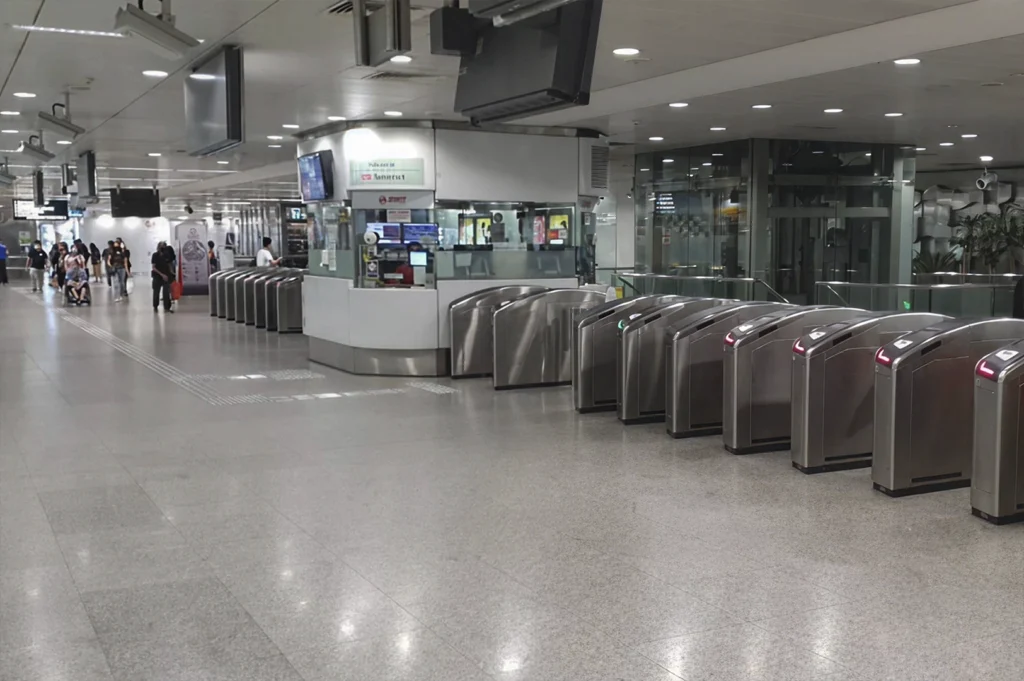
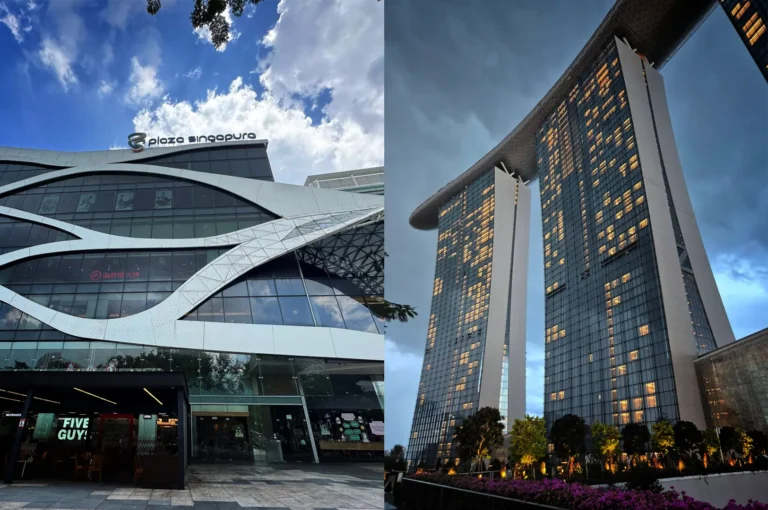
You step out of Exit B at Somerset MRT, the city immediately around you, fast, bright, always moving. Orchard is never quiet. The precincts here are built for energy, for shopping, for movement between one place and another.
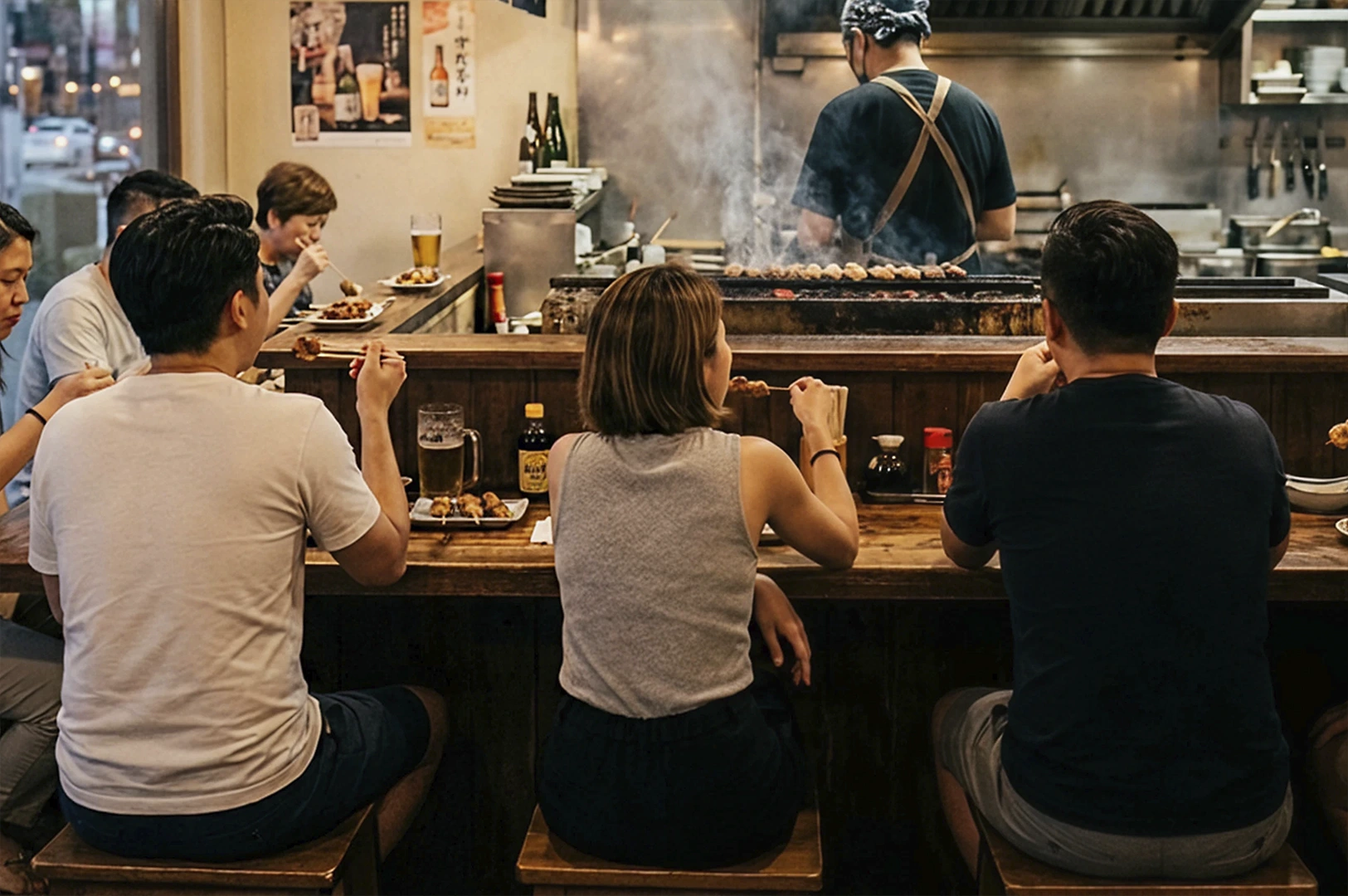
But within a few minutes’ walk, things shift. Behind certain doors, above certain stairways, or just tucked along quieter stretches, you’ll find these yakitori counters, small, often understated in location, but deeply intentional in design. Inside, the pace changes.
You don’t rush. You don’t order everything at once. You sit, you rest, and you let the chef serve you piece by piece. Whether you’re here after the office, meeting friends, or just taking a quiet night for yourself, the experience gently pulls you away from the outside rhythm. It becomes less about the city, and more about the moment.
Orchard Road: A Different Kind of Food Experience
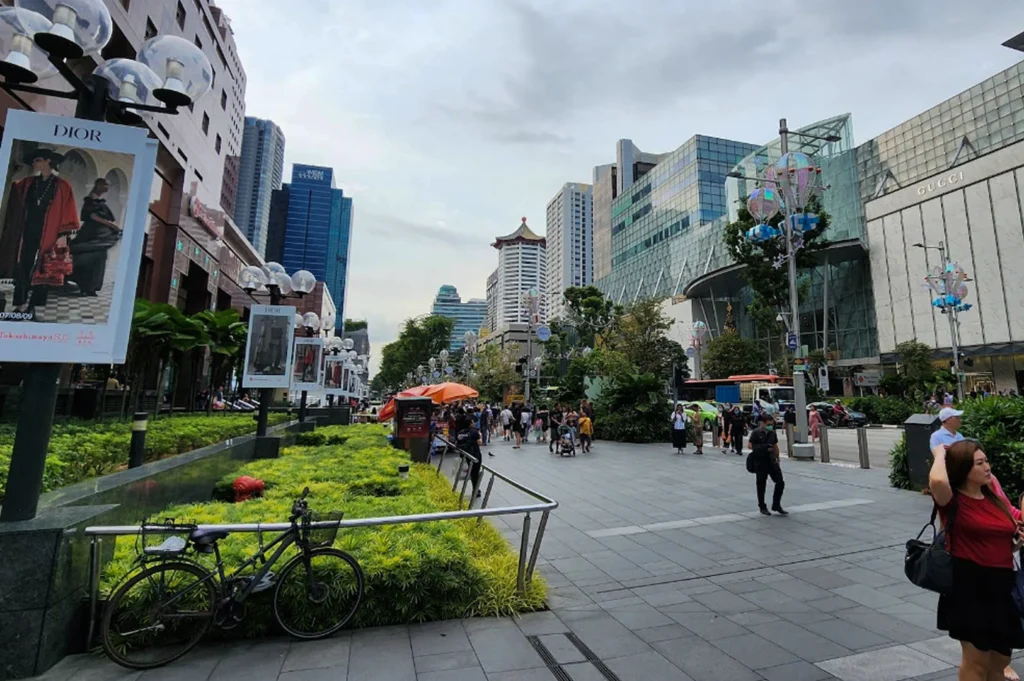
On orchard road, you’re surrounded by options, cafés, global chains, refined dining rooms, and quick bites from every corner of the world, from chinese staples to dishes influenced by india, vietnam, or even the occasional momo stall.
It’s a place of range. But yakitori sits slightly apart. Not because it’s exclusive, but because it asks for a different kind of attention. The preparation is visible. The cook works just a few steps away. The interaction is subtle but present. Even when the space is small, there’s a sense of community.
You notice how other customers lean forward slightly as each skewer is placed down. How conversations pause briefly between bites. How a glass of sake becomes part of the rhythm rather than an afterthought. It’s not loud. It’s not performative. It’s simply focused.
Cultural Heritage: Why It Feels Familiar Even If It’s Your First Time
Yakitori carries a quiet sense of cultural heritage. Its roots trace back to Japan, to streets in tokyo where small counters served grilled meat to workers at the end of the day. The techniques, the use of binchotan, the balance of tare and salt, the respect for each cut, remain consistent even as the setting changes.
And here in singapore, something interesting happens. The experience adapts, but it doesn’t lose its core. You might be dining in a modern city, surrounded by familiar landmarks, yet the essence of the meal feels timeless. The same attention to detail. The same respect for ingredient and nature. The same quiet joy of something done well.
It becomes accessible without losing depth. Whether you’re new to yakitori or returning after many visits, in march, august, november, or any time in between, the experience remains steady. It doesn’t rely on trends or seasons. It simply continues.
The Quiet Flame: A Yakitori Experience That Lingers
What makes these Somerset yakitori countersspecial isn’t just the food, though the dishes, the flavors, and the care in every skewer certainly matter. It’s how the experience settles. You come in from the movement of the city. You sit. You eat slowly. You notice more than you expected.
And somewhere between the first and last bite, something shifts. You’re no longer comparing places. You’re no longer thinking about what to order next. You’re simply present. Whether you’re dining with family, catching up with friends, or taking a quiet break between busy days in february, march, or any other time, these counters offer something consistent.
A way to pause. A way to reconnect with the simple act of eating. And perhaps that’s what keeps people returning to these small, limited spaces around Somerset. Not just for the best yakitori.But for the feeling that comes with it, warm, steady, and quietly memorable.