
In the world of Japanese cuisine, few sauces carry as much weight—both literally and metaphorically—as yakitori tare. Glossy, complex, and layered with umami, this signature glaze is more than just a flavor enhancer for skewered chicken: it embodies generations of culinary heritage, the precision of ongoing refinement, and the spirit of communal dining found in bustling izakayas across Japan and beyond.
Yakitori chicken is often enjoyed as a pre-dinner snack at these lively establishments but can also be served as a main course, making it versatile for any meal. Traditionally, yakitori consists of bite-sized pieces of chicken, often thighs or breast, threaded onto bamboo skewers and grilled over charcoal or a grill. Thighs offer juiciness while breast provides lean tenderness. The sweet-savory homemade yakitori sauce—a Japanese condiment made from soy sauce, cooking sake, mirin, brown sugar, rice vinegar, and hints of garlic and ginger—caramelizes over the meat, creating a delicious glaze with a glossy shine that enhances every bite. Sharing chicken skewers with friends is a cherished ritual, savoring the tender meat and flavorful glaze. These qualities make for the best yakitori experience, whether as a snack, appetizer, or main course, and are enjoyed in Japanese restaurants and at home.
Introduction to Yakitori Sauce
Yakitori embodies a treasured culinary heritage that transcends the union of flame and fowl, revealing a profound meditation on Japanese craftsmanship. Meticulously curated chicken pieces are arranged upon slender bamboo skewers, then surrendered to the dialogue between fire and flesh until achieving sublime char and succulence. Each skewer receives a brushing of complex sauce—a revered composition of soy sauce, cooking sake, mirin, brown sugar, and rice vinegar—that undergoes a graceful metamorphosis in a small pot over medium heat, caramelizing into luminous layers that speak to centuries of refined technique. Throughout Japan, yakitori serves as both accessible sanctuary and cherished ritual, gracing everything from intimate izakayas to spirited seasonal gatherings. This convergence of tender chicken, aromatic smoke, and glistening sauce creates a beloved culinary tradition designed for mindful sharing and savoring alongside a perfectly chilled beverage.
Tare vs Shio — The Two Pillars of Yakitori Sauce and Chicken Skewers Seasoning
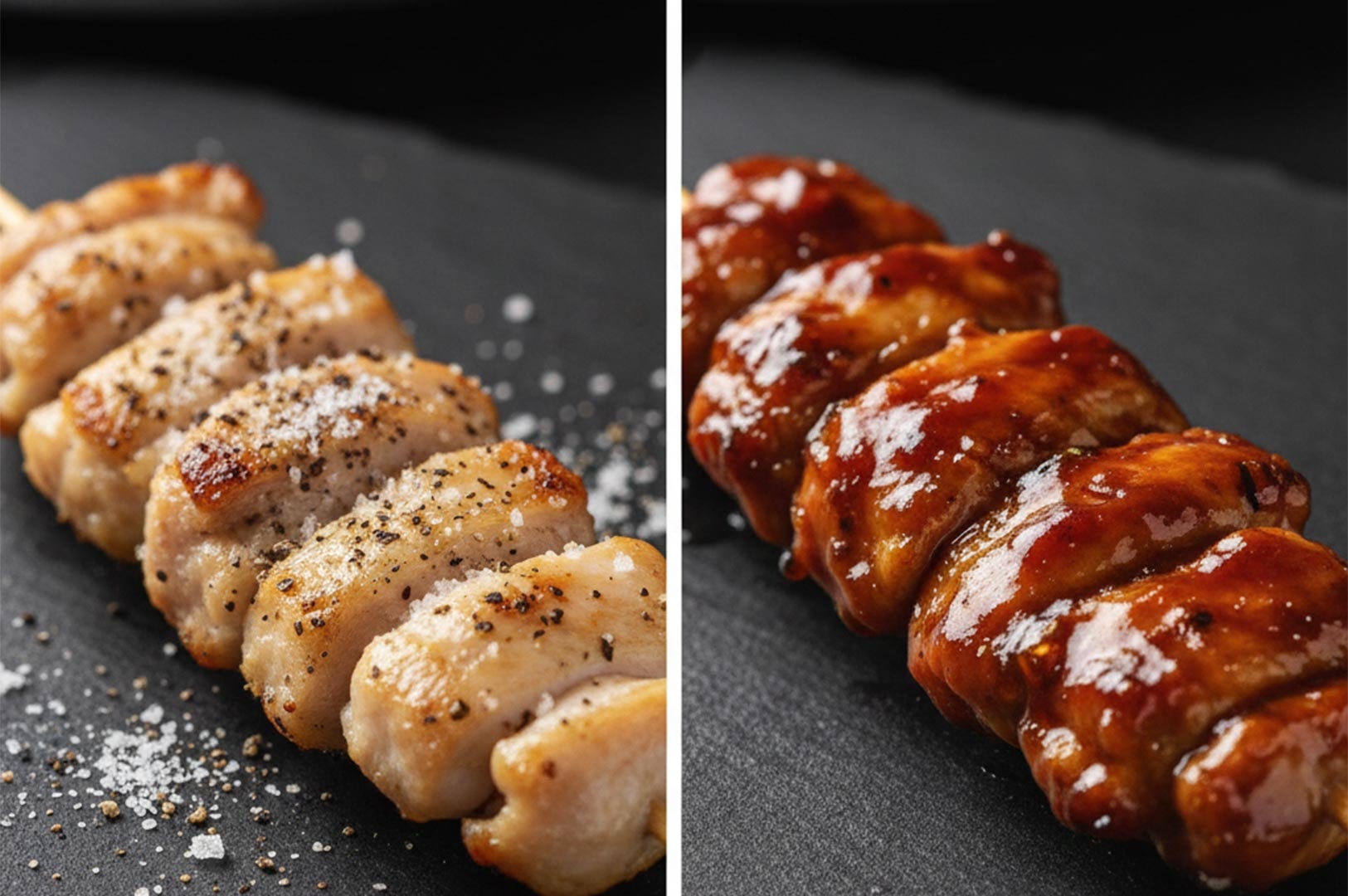
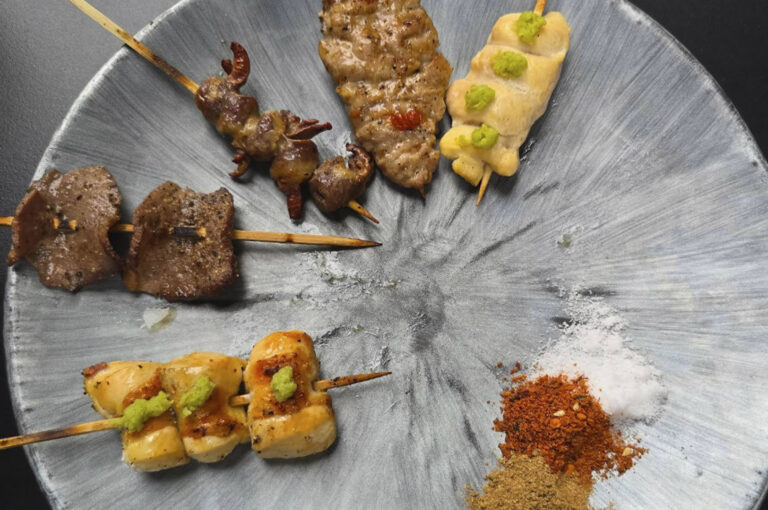
A defining choice in any yakitori-ya is whether to enjoy skewers with shio (salt) or tare (savory sauce). These two seasonings represent the heart of the craft. Shio celebrates clarity and simplicity, amplifying the natural sweetness or texture of select ingredients, sometimes enhanced with black pepper. Tare, or yakitori sauce, embraces a more generous umami: a harmony of soy sauce, mirin, sake, brown sugar, and optional aromatics that clings to chicken thighs, meatballs, and skin, forming a lacquered exterior that is deeply satisfying.
Choosing between them isn’t simply a matter of taste but of intention. Tare highlights richness and creates layers of flavor; shio offers restraint, letting pristine ingredients shine. Both exist in balance, reflecting the Japanese philosophy of contrast and harmony.
The Origins and Evolution of Soy Sauce Tare and Teriyaki Sauce
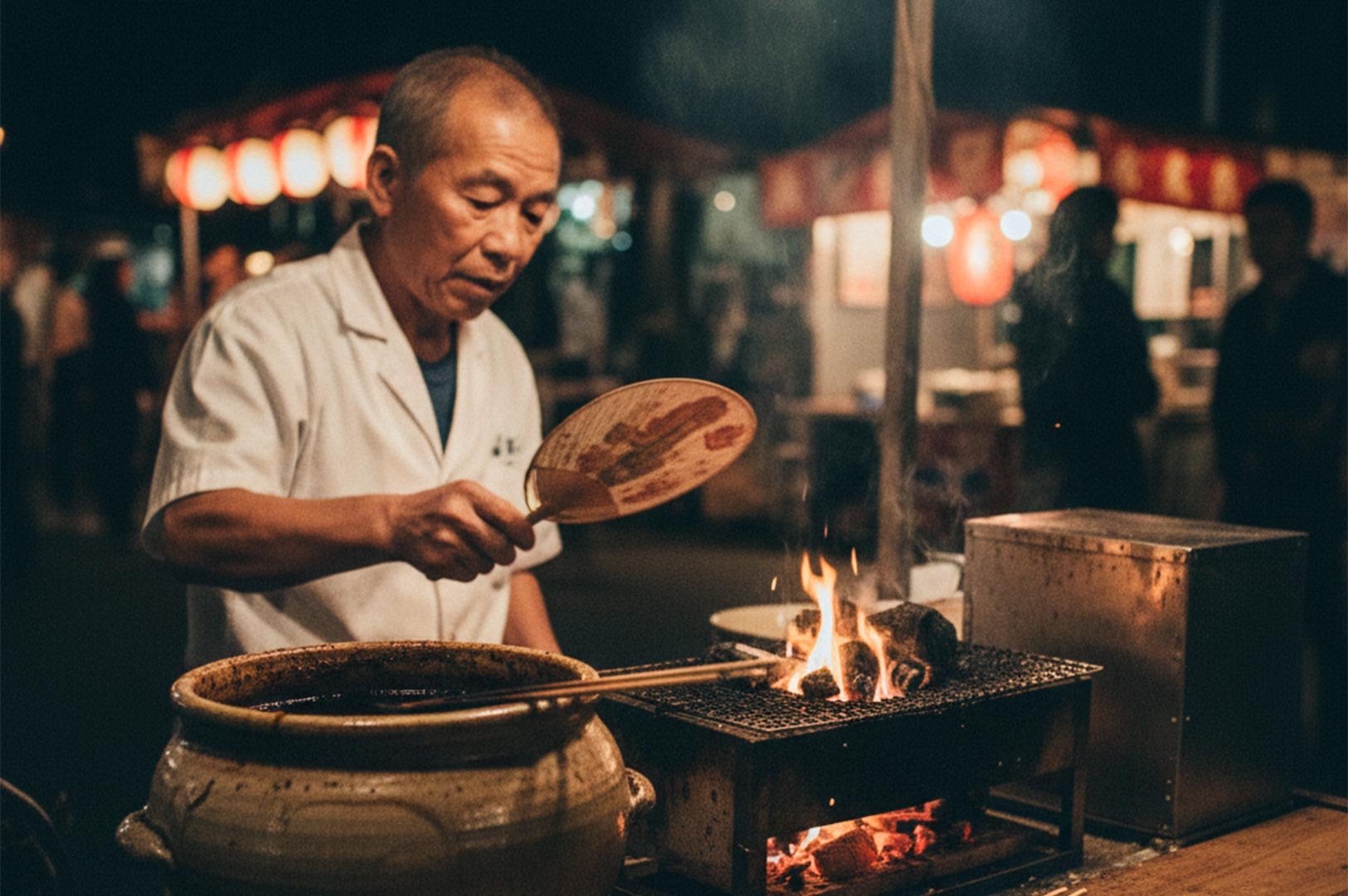
Yakitori tare has roots in centuries-old Japanese grilling techniques. Influenced by teriyaki sauce and kabayaki traditions, early versions of this glaze were often reserved for eel and other prized fish. Teriyaki sauce shares foundational ingredients—soy sauce, rice wine, and sugar—with yakitori tare. As yakitori rose in prominence on street corners and in casual bars, cooks adapted tare for chicken, refining it for the smokiness and fat that defines this style. Sake and mirin, both types of Japanese rice wine, became essential in developing the sauce’s signature flavor and glossy finish.
Tare’s adaptability is remarkable. Some shops guard mother pots of sauce for years, replenishing and cooking down new batches—a living repository of flavor touched by every night’s service. This tradition adds unmatched complexity and depth, making each house’s tare unique, personal, and worth seeking out.
What is Yakitori Sauce? Ingredients and Composition of the Homemade Sauce
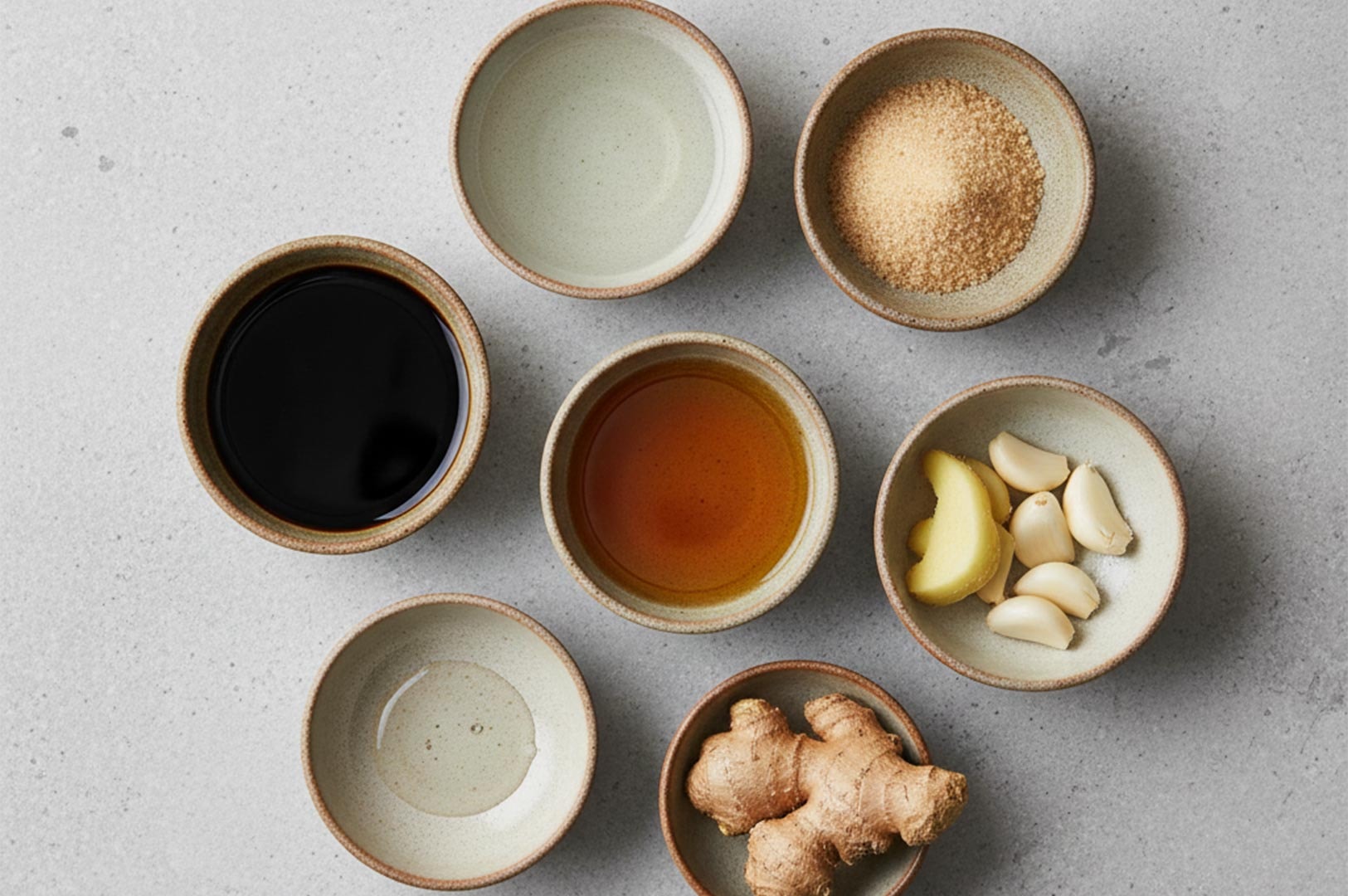
Before you begin, make sure to gather and prepare all the ingredients for both the sauce and the skewers. Having all the ingredients ready ensures a smooth cooking process and the best results.
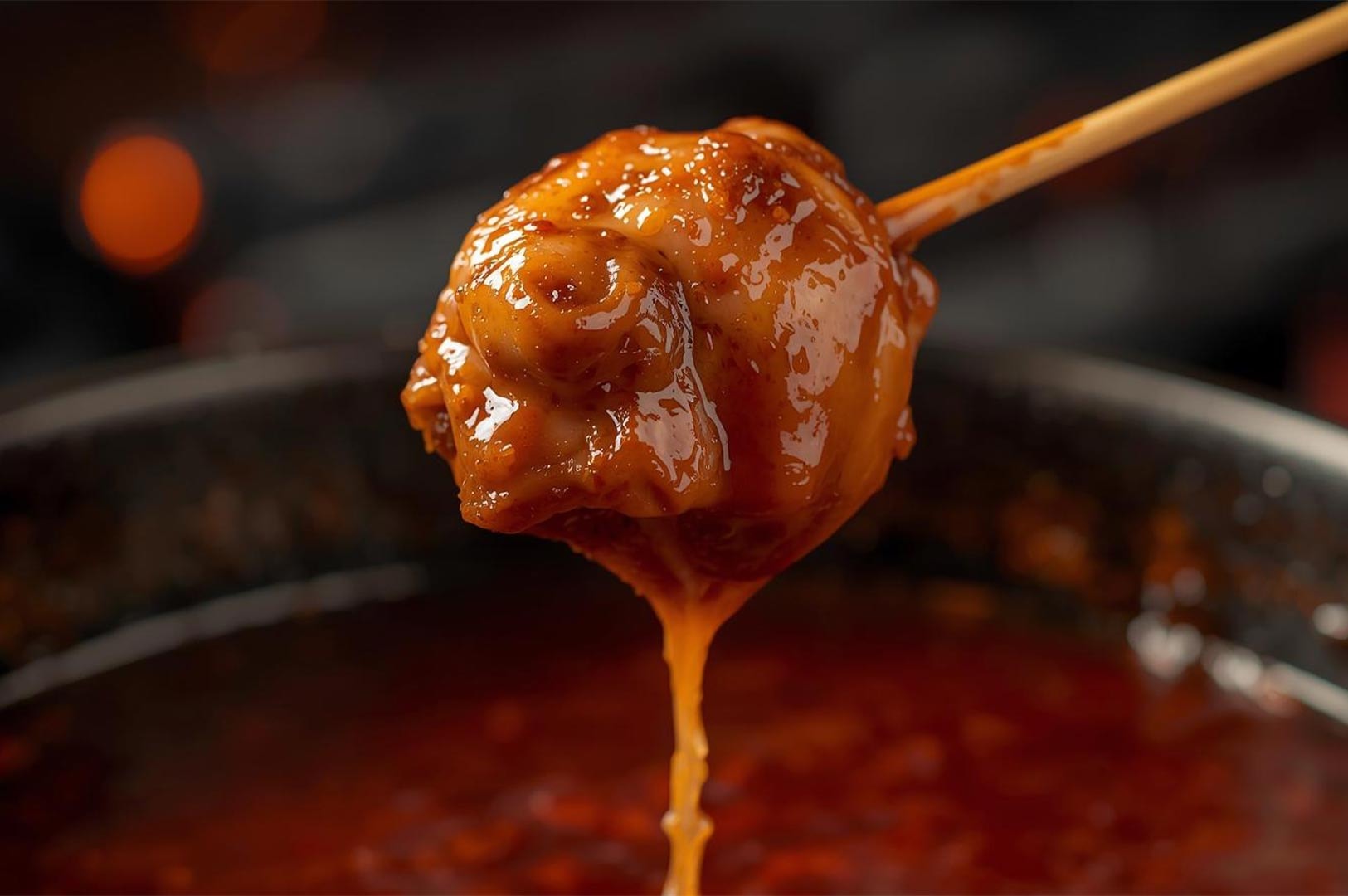
Yakitori sauce, revered as tare, stands as a testament to Japanese culinary heritage—an artisanal condiment crafted to elevate the ritual of grilled chicken skewers. This harmonious elixir emerges from the careful marriage of soy sauce, cooking sake, mirin, brown sugar, rice vinegar, and a whisper of garlic and ginger, each component curated to achieve balance where sweetness meets salinity in communion with umami’s depths. The alchemy unfolds through gentle simmering over medium heat in a small pot, transforming humble ingredients into liquid amber, developing a lustrous patina that clings gracefully to every skewer. The sauce whispers sweetness and speaks in savory undertones, carrying subtle smokiness that complements the char-kissed flame. This handcrafted homemade yakitori sauce invites customization—deepening sweetness, enhancing mirin, or weaving in aromatics to honor personal palate. Whether brushed ceremonially upon chicken or offered for dipping in a small bowl, this sauce carries authentic Japanese flavor, transforming any table into a sanctuary of culinary refinement.
Tare as Technique and Signature in the Yakitori Recipe
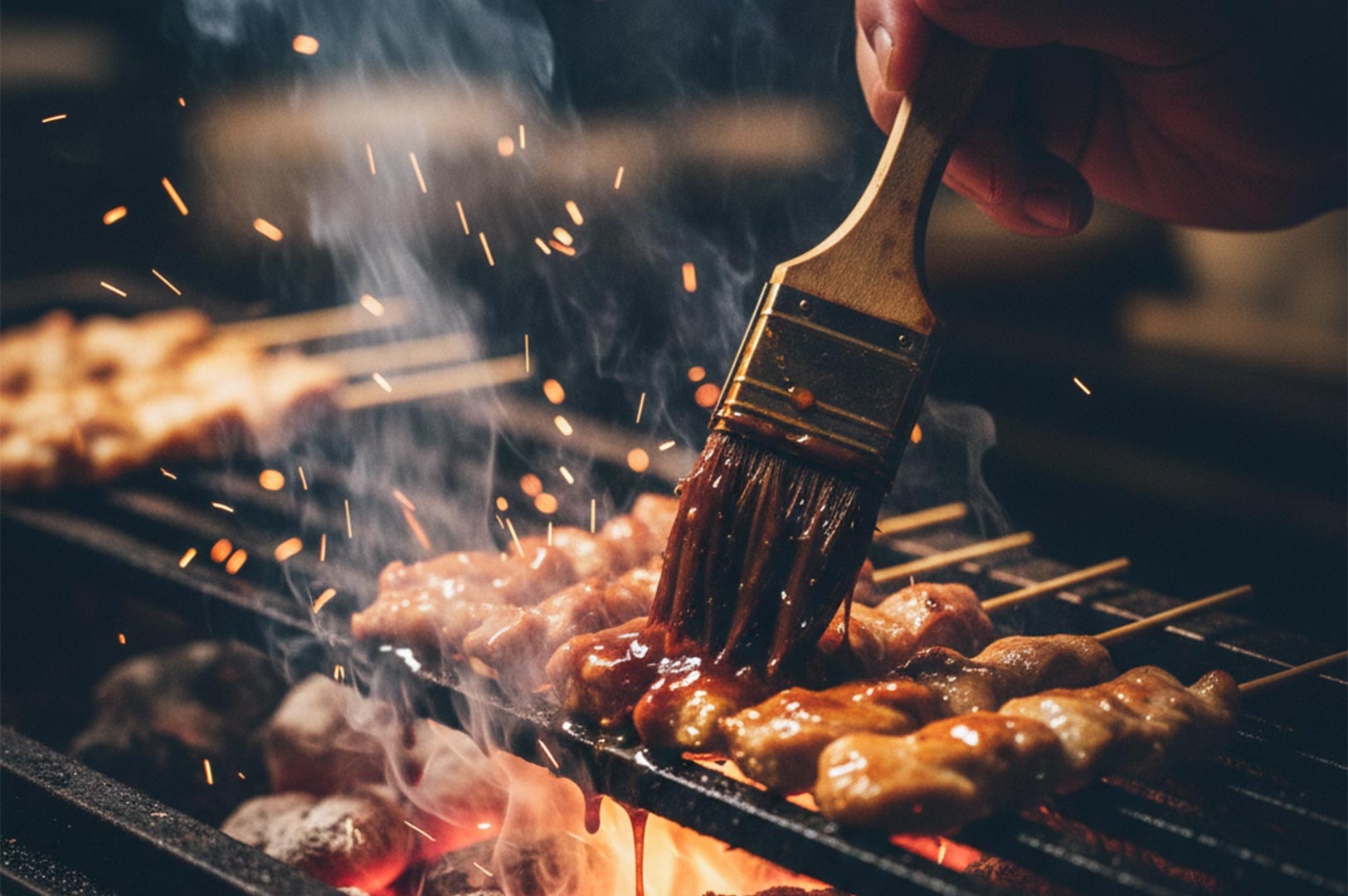
Tare is not simply poured over food. It’s brushed and basted in precise rhythms, with timing as critical as the recipe itself. When broiling or grilling chicken skewers, chefs baste the meat with tare at specific intervals during cooking to achieve caramelization and enhance flavor. Chefs apply multiple layers during grilling over medium high heat to intensify flavor and achieve a perfect glaze. Sugars caramelize against the high heat, enveloping the skewer in a shiny coat capturing texture and aroma. This interplay between reduction, caramelization, and resting transforms tare from a simple mixture into a house style—each batch subtly changed by technique, grill, and atmosphere.
Izakaya chefs treat tare as a signature—adjusting sweetness, saltiness, and viscosity according to season, cut, and philosophy. Some opt for lighter, dashi-enriched blends for delicate chicken breast; others prefer dark, glossy reductions that grip fatty thigh and skin.
Variations, Craft, and Modern Takes on Yakitori Sauce and How to Make Yakitori
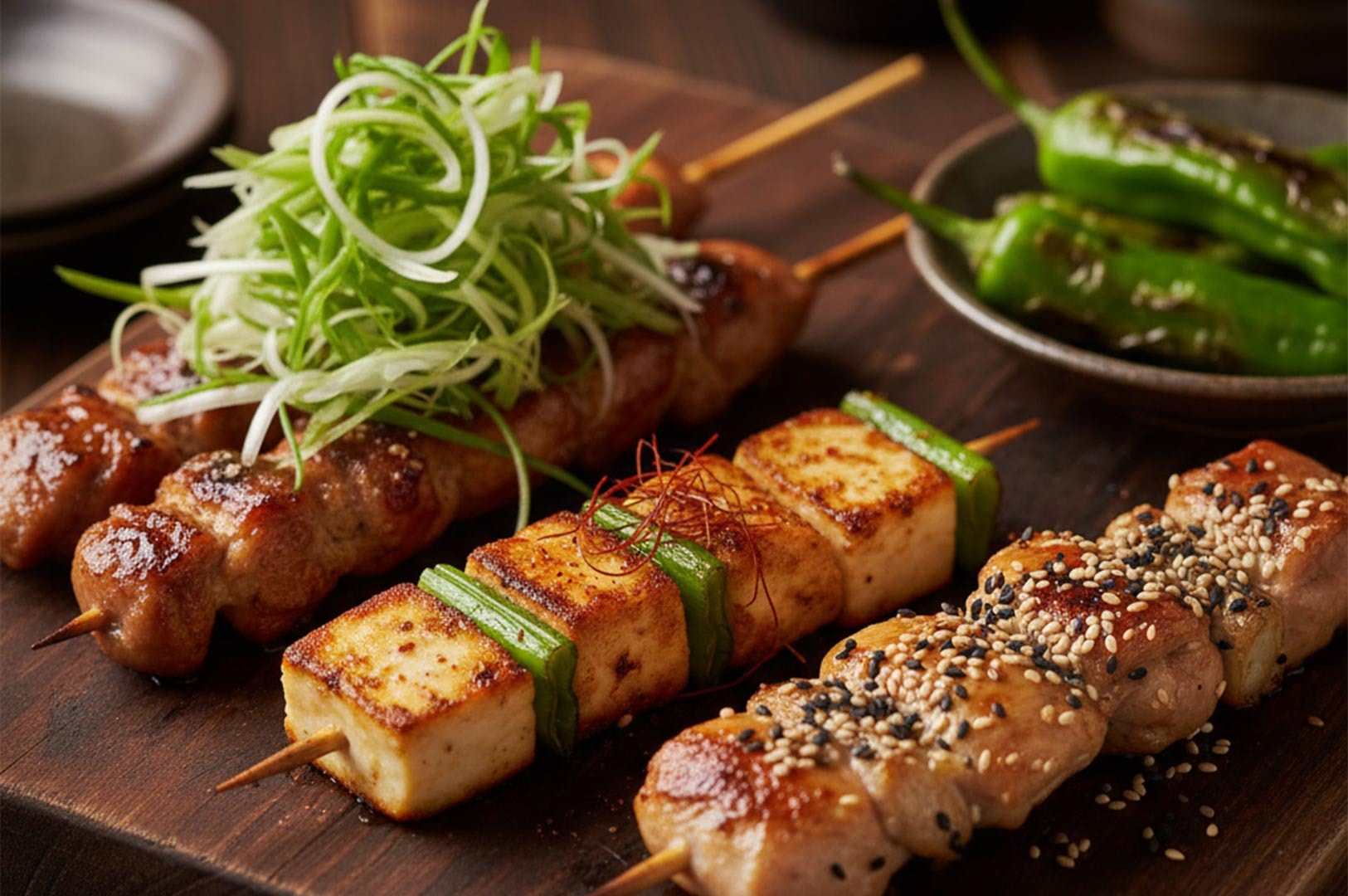
Across Japan and Singapore, subtle regional and chef-driven variations exist. Kanto-style tare may be robust and sharply sweet; Kansai chefs often prefer a lighter touch. Some incorporate kombu or katsuobushi for extra umami; others infuse ginger, garlic, or thinly sliced spring onion. Modern recipes use honey or brown sugar for richer, sweeter glaze or add sesame oil for depth and aroma. Gluten-aware versions use tamari; halal adaptations substitute rice vinegar and sugar for mirin and sake.
The art of tare is living, shaped by ingredients, context, and smoke rising from binchotan coals. Every brushstroke matters; slight alteration in basting cadence shifts flavor and texture.
Enhancing the Yakitori Experience with Chicken Skewers and Yakitori Sauce
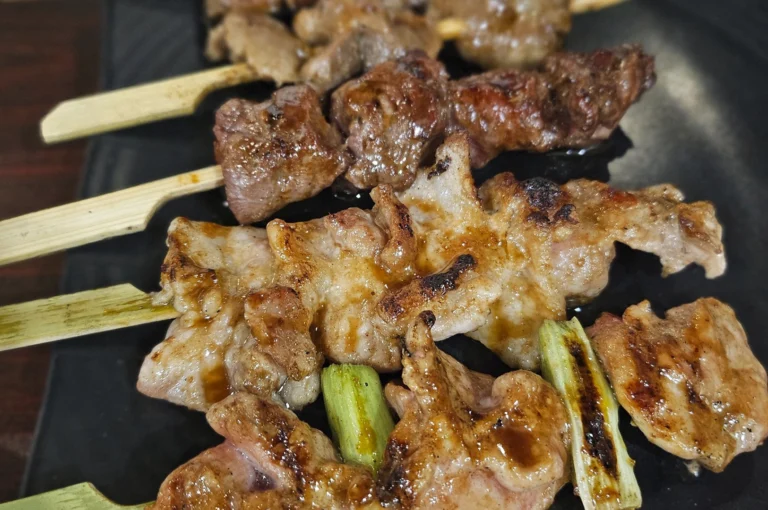
Nothing encapsulates yakitori’s conviviality like a skewer, still sizzling, glazed with tare. The sauce blisters and caramelizes, forming glossy lakes atop juicy morsels. Each bite captures Japanese grilling’s essence—the union of sweet, salty, smoky, and savory in perfect proportion. Yakitori sauce also glazes other grilled meats, enhancing pork, beef, or vegetables cooked over fire.
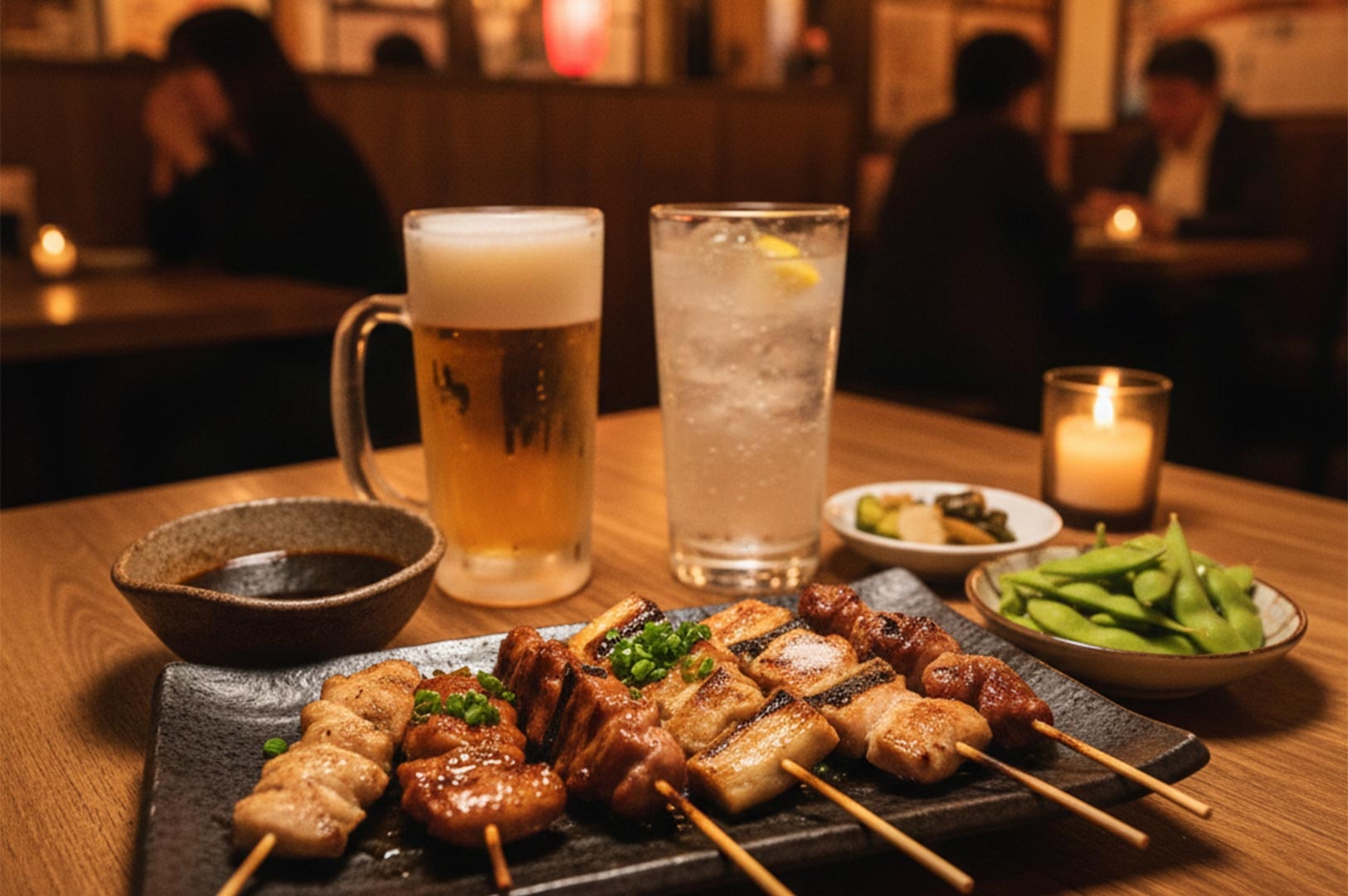
Tare-glazed chicken skewers pair with soul-warming beverages: crisp lager, highball, or dry sake refreshing the palate. Diners alternate between tare and shio for meal variety and clarity.
This modulation—glaze, grill, rest, repeat—elevates yakitori from humble skewers to craft and community expression.
Tips for Making Yakitori: Preparing Chicken Skewers and Applying the Homemade Sauce
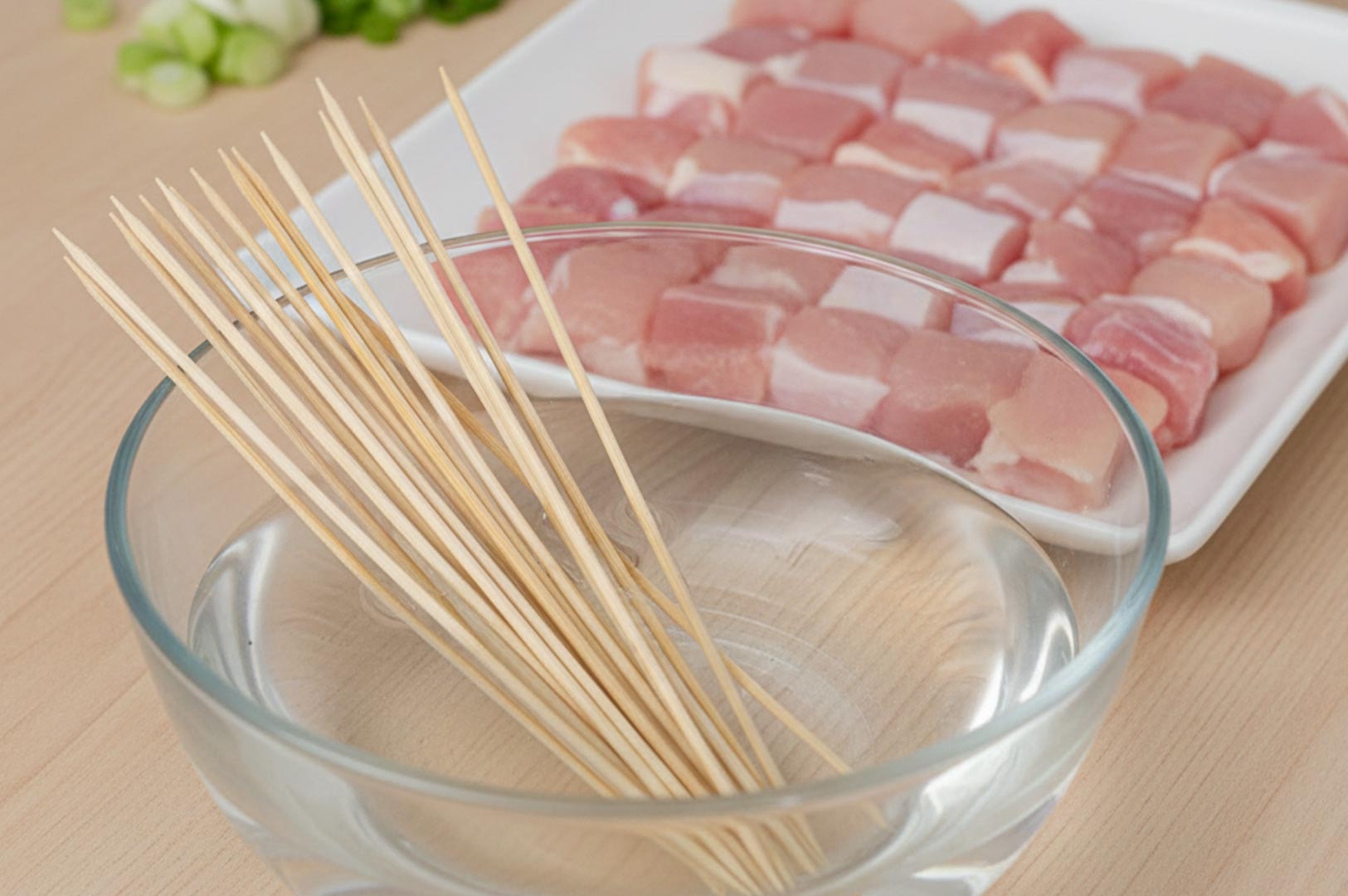
To master yakitori’s artistry, certain refinements elevate the craft. Begin by soaking bamboo skewers in cold water for at least thirty minutes to prevent burning. Thread bite-sized chicken pieces with space between for even cooking. Anoint each skewer with homemade yakitori sauce during final moments—watch the lacquered coating transform into a burnished tapestry sealing flavor. After browning, finish cooking the skewers over low heat to ensure gentle, even cooking and to prevent burning the sauce. Crown with thinly sliced green onions and golden sesame seeds for thoughtful presentation. Use cooking spray or lightly brush vegetable oil on grill or pan to prevent sticking. Serve immediately to preserve tender juiciness and glossy glaze. Brushing on more sauce during or after grilling helps layer flavors and keep the skewers moist and flavorful.
Common Mistakes to Avoid When You Make Yakitori
Even artisanal yakitori demands attention to fire and flesh balance. Distraction can turn succulent chicken dry—cook until no longer raw, then anoint with tare and present immediately to preserve juiciness. Use quality soy sauce and sugar to maintain flavor harmony. Never neglect soaking bamboo skewers in cold water—this ancestral wisdom prevents burning, ensuring skewers serve with dignity. Mindful adherence yields family-loved yakitori worthy of sharing.
Nutrition and Health Benefits of Yakitori Sauce and Chicken Skewers
Artisanally crafted yakitori chicken skewers, brushed with a sauce made from soy, sake, mirin, and brown sugar, offer a balanced blend of protein, fats, and carbohydrates. A serving of four to six skewers provides approximately 250-300 nutrition calories, with 25-30 grams of protein and 10-12 grams of fat from the chicken. The brown sugar and mirin add subtle sweetness while maintaining caloric balance.
The soy sauce and sake contribute signature umami and antioxidants from fermentation, though soy sauce is high in sodium; those mindful of salt intake may opt for low-sodium versions or adjust quantities. Garnishing with green onions and sesame seeds adds flavor along with vitamins, minerals, and healthy fats.
For a fuller experience, pair chicken skewers with grilled vegetables like bell peppers, mushrooms, or zucchini, basted with the same sauce to boost fiber and micronutrients while adding color and texture.
Store any leftover yakitori sauce in an airtight container or jar in the fridge to preserve its flavor and nutrition. Properly stored, it lasts 2-3 months refrigerated or up to six months frozen, keeping the authentic yakitori experience ready whenever desired. Through careful ingredient selection and balance, yakitori remains a wholesome, sophisticated dish for gatherings or quiet meals alike.
Cultural Significance and Contemporary Presence of Yakitori Sauce and Chicken Skewers
In Japan, tare is more than sauce; it symbolizes connection. The ritual of dipping, layering, and sharing skewers among friends at izakayas celebrates hospitality and artisanship. Many yakitori-yas in Singapore continue this tradition, echoing methods, ingredient care, and folklore of mother tare pots.
Food lovers in Singapore find tare on classic chicken skewers, pork belly, vegetables, and fusion bites—each adaptation a tribute to the sauce’s broad appeal and versatility.
Looking After Your Tare—Tradition and Safety for Homemade Sauce Storage
The “mother tare” mystique involves a base sauce continually replenished and intensified over time, creating layered complexity unattainable in single batches. At home, safety and hygiene require freshly made or properly stored homemade sauce. Proper sterilization and respect for process ensure vibrant, soulful sauce. Store homemade yakitori sauce in an airtight jar or container in the fridge to preserve flavor and extend shelf life.
Pairing Tare for Harmony with Your Yakitori Recipe
Tare’s magic lies in balance and adaptability. Rich thigh, juicy tsukune, crisp chicken skin, and select pork cuts and vegetables become captivating with careful sauce brushing. Side pairings matter: pickles, lightly salted edamame, and rice complement tare-glazed yakitori. Serving extra tare in a small bowl allows dipping for more flavor. A cold beer or whisky highball cuts the glaze; nuanced sake styles contrast or echo sauce sweetness and umami.
For best experience, let each tare-coated skewer bite stand alone, followed by something clean and crisp to reset the palate.
Glossary of Common Terms Related to Yakitori Sauce and Chicken Skewers
- Tare (タレ): Essential Japanese glazing or dipping sauce, here referring to yakitori’s glossy sauce.
- Shio (塩): Salt, the other classic yakitori seasoning.
- Caramelization: Browning of sugars creating rich flavors and aromas.
- Reduction: Simmering liquid to intensify flavor and thicken texture.
- Basting: Applying liquid (like tare) to food as it cooks.
- Nappe: Sauce consistency thick enough to coat the back of a spoon.
- Mother Tare: Perpetually refreshed base sauce, deeply flavored by years of use.
Conclusion: The Enduring Allure of Yakitori Sauce
The contemplative artistry of yakitori sauce emerges from its meticulously balanced symphony of sweet, savory, and umami essences—a harmonious composition that has made it a treasured cornerstone of Japanese culinary heritage and a sanctuary for discerning palates worldwide. Crafted through generations from soy sauce, sake, mirin, and sugar, this lustrous, aromatic glaze transforms humble grilled chicken skewers into an experience of profound nourishment and satisfaction.
Whether drawn to the caramelized whispers along yakitori’s edges, the curated sauce’s fragrance, or the ritual of sharing skewers in mindful communion, artisanal yakitori sauce offers limitless culinary expression. Its versatility extends beyond chicken to vegetables, pork, and tofu, establishing itself as an essential element in any thoughtful kitchen. For deeper exploration, see the Binchotan Mastery section, where the art of using traditional Japanese charcoal elevates yakitori to new heights. Delve into the nuances of charcoal grilling, temperature control, and smoke infusion that bring out the fullest flavors in each skewer.
Present yakitori chicken skewers as an invitation to gather—serve with steamed rice, crisp greens, or grilled vegetables for a complete flavor meditation. Crown with sesame seeds and thinly sliced green onions. If you craft your own yakitori or personal sauce, share your journey to guide others toward discovery within yakitori’s serene landscape.
With enduring reverence, rich heritage, and infinite taste expressions, yakitori sauce cultivates mindful appreciation and authentic connections. Kindle your grill with intention, gather your ingredients, and let yakitori’s ancient wisdom transform your next gathering into a celebration of Japanese craftsmanship and timeless tradition at bestyakitori.com.sg.