
The first time I ordered yakitori delivery Singapore, I expected it to feel almost the same as eating at a yakitori counter. It didn’t. The skewers arrived warm but not hot. The charcoal aroma was lighter than I remembered. The chicken was good, but something felt different. At first, I thought the restaurant had cut corners, but I realised the issue wasn’t necessarily the restaurant.
It was my expectations. Yakitori is traditionally eaten seconds after leaving the grill. When it travels for 20 or 30 minutes across Singapore, some changes are inevitable. The key is learning how to judge yakitori quality even when it arrives in a delivery box. Once I understood what actually matters in good yakitori, delivery started making much more sense.
If you enjoy yakitori and occasionally order it for home dinners, this guide will help you recognize what separates average skewers from genuinely good ones, even when they’re delivered.
What Actually Defines Good Authentic Japanese Yakitori (Even When Delivered)
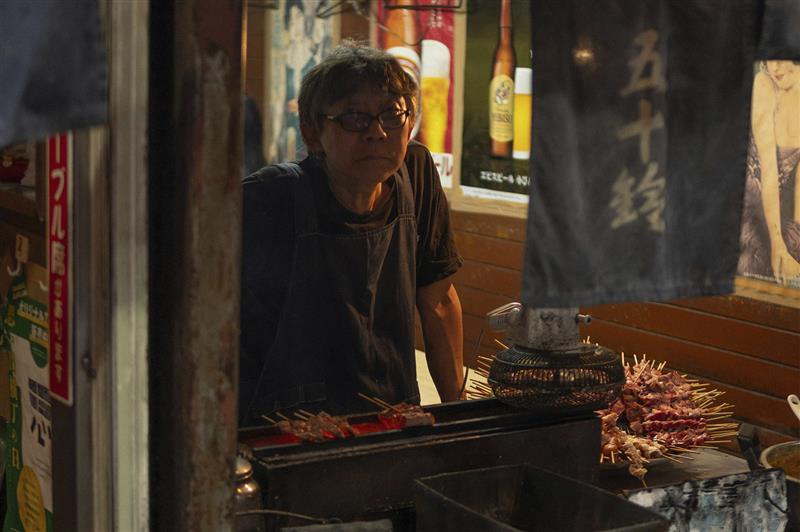
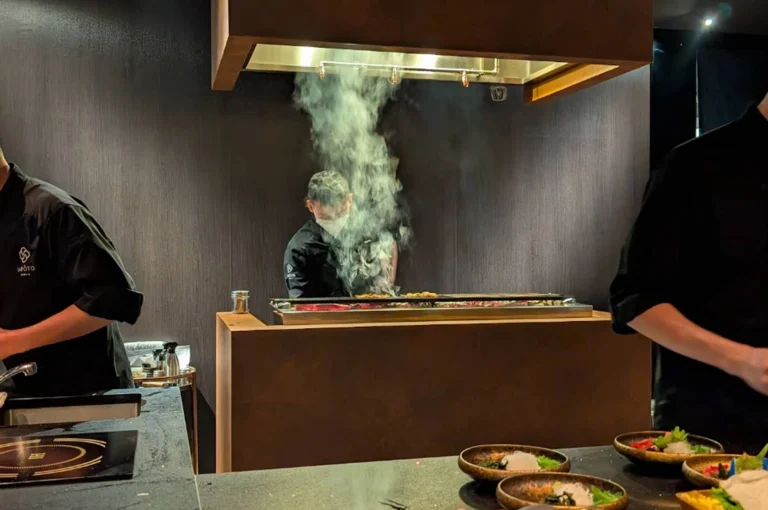
When I first started paying attention, I realised something surprising. Great authentic Japanese yakitori isn’t about smoke or theatrics. Those elements matter in restaurants, but they aren’t the foundation.
Three things define good yakitori whether you eat it at a counter or at home:
- the quality of the chicken using the finest ingredients
- the balance of seasoning
- the consistency of grilling to perfection
If those are right, yakitori can still taste satisfying after delivery. If they’re wrong, even freshly grilled skewers won’t save it.
Indicator #1: The Chicken Still Tastes Like Chicken with the Finest Ingredients
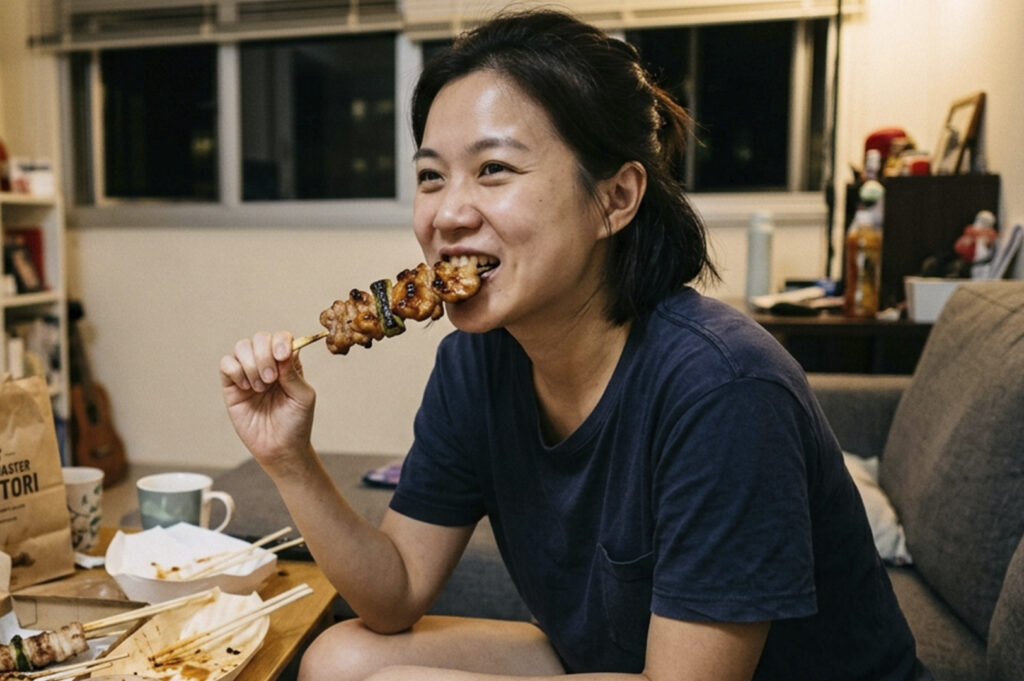
This may sound obvious, but it’s actually the easiest way to judge yakitori quality. When I first started ordering yakitori delivery Singapore, I noticed some skewers tasted almost entirely like sauce. Too sweet. Too salty. Too heavy. That usually means the kitchen is hiding average ingredients behind tare glaze.
At better yakitori places, the chicken itself carries flavour. For example, when I ordered negima and tsukune from Nanbantei, the first thing I noticed was the meat’s natural sweetness. The tare was present, but it didn’t overwhelm the chicken. If you bite into a skewer and only taste sauce, that’s usually a sign of lower ingredient quality.
📦 Note: Good yakitori chefs season lightly because charcoal already adds flavour. If a skewer tastes aggressively sweet, the kitchen may be compensating for weak grilling or lower quality meat.
Indicator #2: The Meat Is Juicy Without Being Greasy
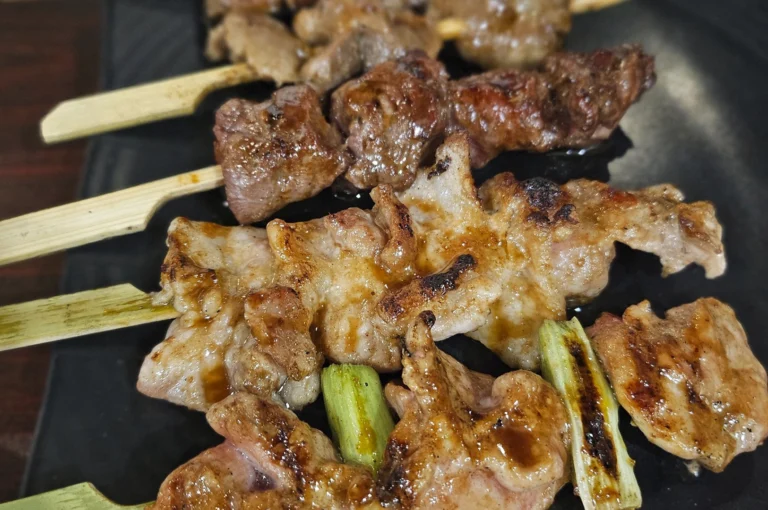
One mistake I made early on was assuming juicy meant oily. They’re not the same. Cheap yakitori can feel greasy because the chicken fat hasn’t rendered properly. In delivery, that grease cools and becomes unpleasant. Well-grilled yakitori behaves differently.
The fat melts during grilling and keeps the meat moist, but it doesn’t leave an oily coating. You’ll notice this most with chicken thigh skewers, which are common in Singapore yakitori delivery. When done properly:
- the meat stays juicy
- the texture remains soft
- the flavour stays balanced
Indicator #3: The Seasoning Is Balanced, Not Loud
Yakitori seasoning is deceptively simple.
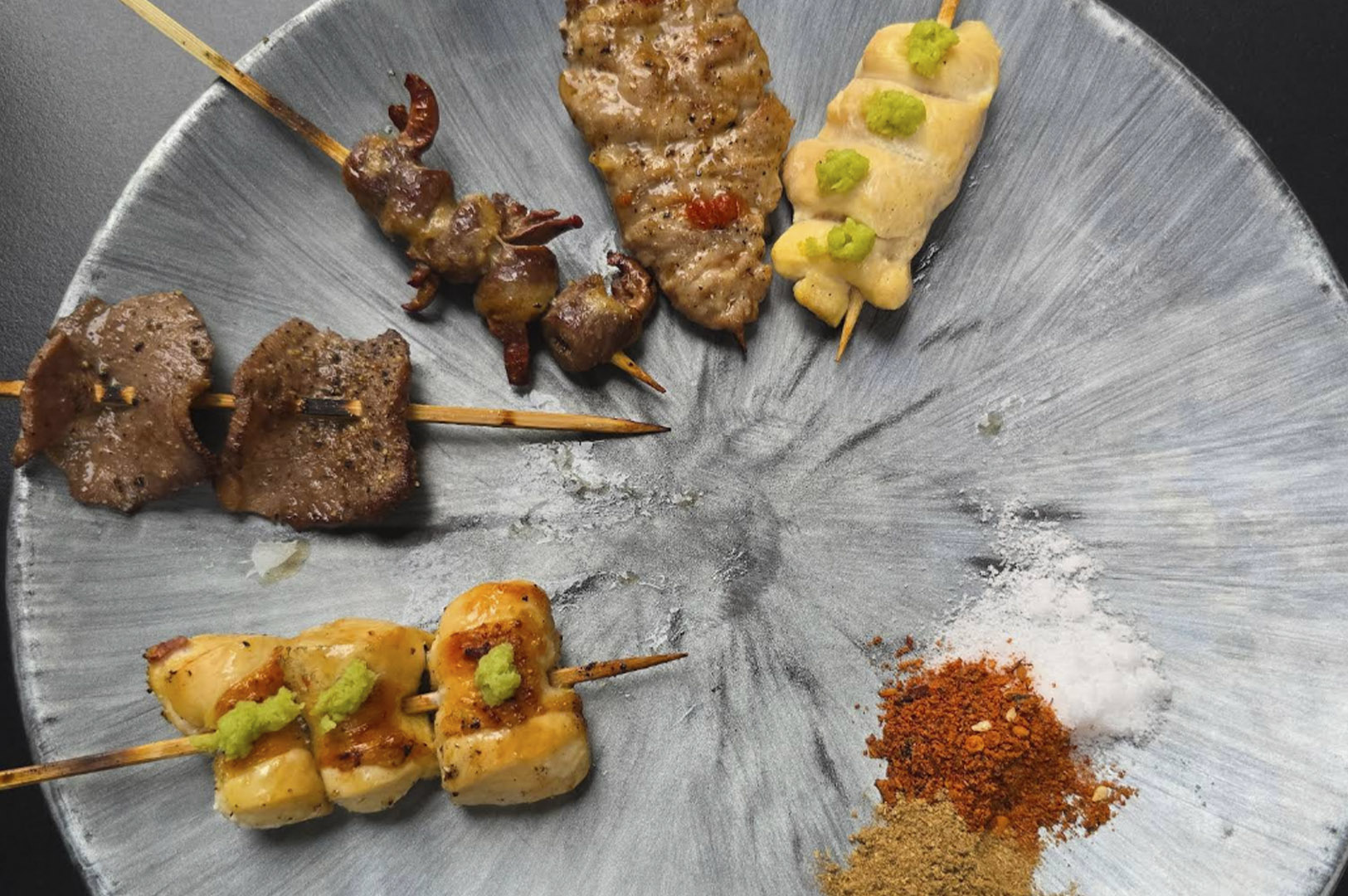
Usually it’s one of two styles:
When I first started ordering delivery, I gravitated toward heavily glazed skewers because they felt safer. Over time I realised the opposite is true. Restaurants confident in their grilling often offer many shio skewers, because the meat can stand on its own. If an outlet only offers strongly sauced skewers, that’s sometimes a sign they rely on sauce rather than technique.
📦 Note: When trying a new yakitori place, order at least one shio skewer. If the chicken still tastes good without sauce, you’ve likely found a solid yakitori kitchen.
Indicator #4: The Skewers Are Consistent in Size and Cooking
This is something I didn’t notice until I started comparing orders from different places.
In good yakitori shops, skewers look very consistent.
- similar chunk sizes
- even spacing
- balanced grilling
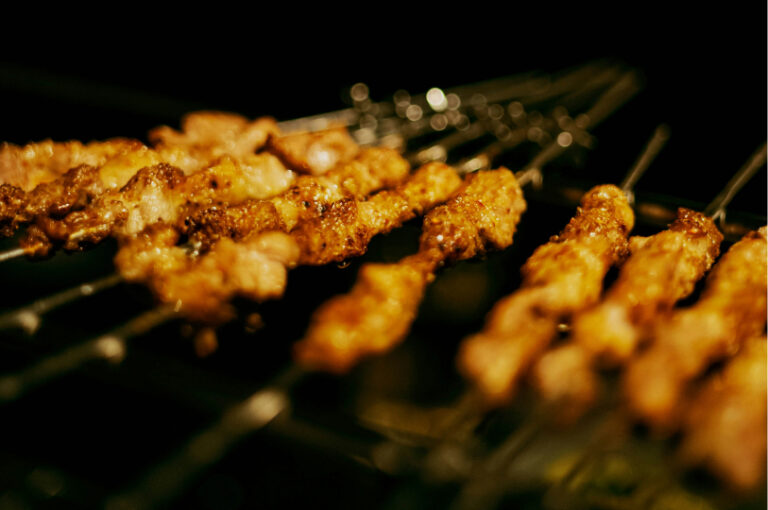
That consistency matters because it ensures the meat cooks evenly. If one piece is overcooked while another is underdone, it usually means the preparation process is rushed. Some chain outlets like TORI-Q, which uses automated grilling systems, actually do quite well here because consistency is built into their workflow. For everyday yakitori delivery, that reliability can be a strength.
Indicator #5: The Skewers Still Feel Intentional After Delivery
This one is harder to describe, but you’ll recognise it when you experience it. Even after delivery, some yakitori still feels carefully made. The sauce is balanced. The skewers aren’t overcrowded in the box. The chicken pieces are thoughtfully arranged. Other deliveries feel rushed, almost like an afterthought.
I once ordered skewers from a small izakaya that simply piled them into a plastic container. The sticks were tangled together and the sauce pooled at the bottom. Technically the food was fine, but the experience felt careless. Yakitori has always been about attention to detail, even in simple forms. Good delivery should reflect that same mindset.
Top Missteps to Dodge When Evaluating Yakitori Delivery in Singapore
When I talk to friends about yakitori delivery Singapore, I often hear the same complaints. Most of them come down to misunderstandings. Here are the biggest ones.
Mistake 1: Expecting Restaurant Heat and Smoke
Delivery will never replicate the grill counter experience. That’s normal. Instead, judge the balance of flavour and texture, not the intensity of smoke.
Mistake 2: Assuming Expensive Yakitori Is Automatically Better
In Singapore, yakitori prices vary widely.
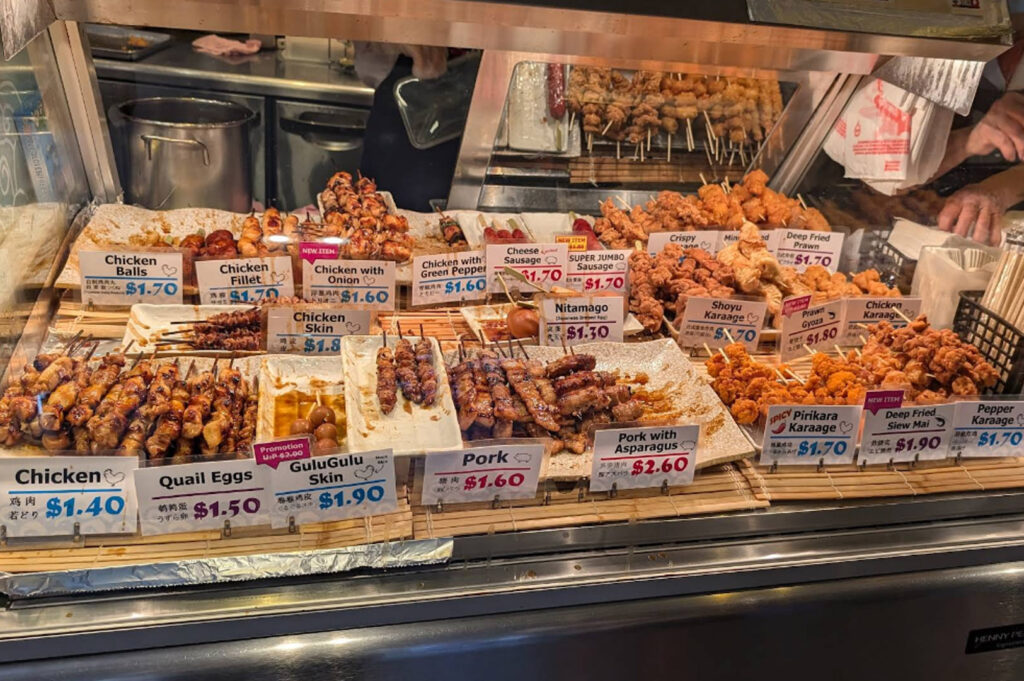
- TORI-Q skewers: around $2
- Mid-range izakaya: $4–$8 per stick
- Premium yakitori restaurants: $10+
Higher price doesn’t always mean better delivery experience. Sometimes simpler yakitori actually travels better.
Mistake 3: Ordering Only One Type of Skewer
Yakitori shines when there is variety. A choice of chicken, vegetables, meatballs like tsukune, and wrapped items creates a more balanced meal.
Final Thoughts: Learning to Appreciate Yakitori Delivery Singapore
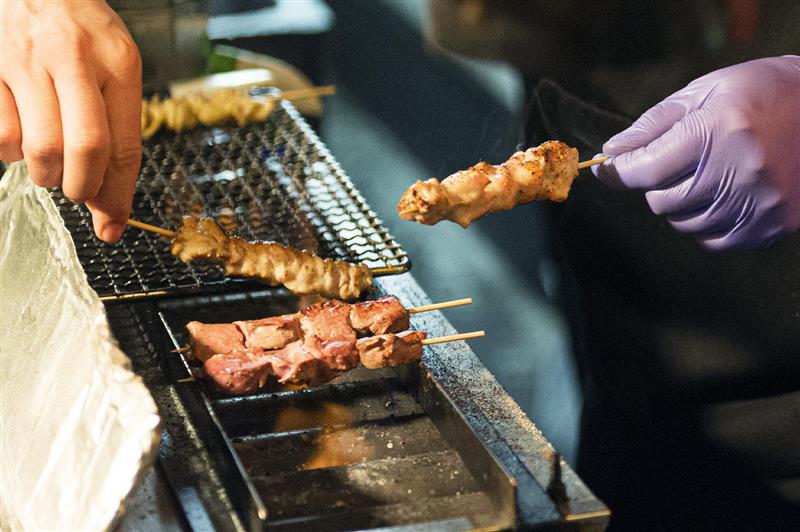
The more yakitori I ordered at home in Singapore, the more I realised something important. Delivery yakitori isn’t trying to recreate the grill counter. It offers a different kind of experience. Instead of focusing on smoke and immediacy, it emphasises familiarity. The same flavours you already know. The same skewers you’ve eaten before.
And on long evenings when going out feels like too much effort, that quiet reliability can be exactly what you want. Promo codes and special offers often help make ordering yakitori even more enjoyable. Don’t forget to check the cart and info sections of your favourite delivery apps to follow your preferred restaurants and receive updates and deals loved by many customers.
For those eager to explore even more options, be sure to check out our detailed guide, Yakitori Singapore Delivery: Savor the Ultimate Skewer Adventure Right at Your Doorstep to find the best places to try yakitori delivery in Singapore.