When I first stepped inside a serious yakitori restaurant in Singapore, I thought I was just there for skewers. I didn’t expect to learn something profound about omotenashi, or how deeply Japanese culture shapes grilling technique. I remember watching the chef in silence, wondering why he barely spoke. No eloquent speech, no dramatic gesture, just quiet focus over charcoal. At the time, I mistook that stillness for cold service.
It wasn’t until my third visit, this time at Yakitori Yatagarasu Hanare, that I began to truly understand. The pacing of each course, the way seasoning changed subtly from chicken heart to thigh, the timing of when food was served, none of it was random. It was omotenashi expressed through technique. In my experience, once you grasp this connection, your entire yakitori meal changes.
This guide isn’t about abstract concepts or philosophy. It’s about how omotenashi lives at the grill and how you, as a guest in Singapore, can recognize and respect it.
Omotenashi: What It Is Literally Meaning in a Yakitori Context
The literally meaning of omotenashi is often described as “to serve wholeheartedly.” In Japanese hospitality, it also suggests sincerity, a public face with nothing hiding behind it. No pretending. No performance for audiences. Just disciplined care.
But here’s what I’ve found: at a yakitori counter, omotenashi isn’t about smiling more. It’s about precision and anticipating needs.
It’s the difference between:
- A chef asking if you want more salt
- And a chef adjusting seasoning before you even realize you prefer a stronger taste
In Japan, whether in Tokyo sushi restaurants or Kyoto tea houses, hospitality is expressed through detail. The same applies in Singapore’s serious yakitori restaurants. The chef’s ability to anticipate, not react, defines the experience.
The Tea Ceremony and the Grill: Why Technique Reflects Japanese Culture
The roots of omotenashi come from the tea ceremony, where tea masters create a harmonious atmosphere through exact preparation. Every utensil, every movement, every temperature of tea is deliberate. The tea masters face remains calm and present.
When I started paying attention, I realized the yakitori grill operates under the same principles.
In a proper yakitori restaurant:
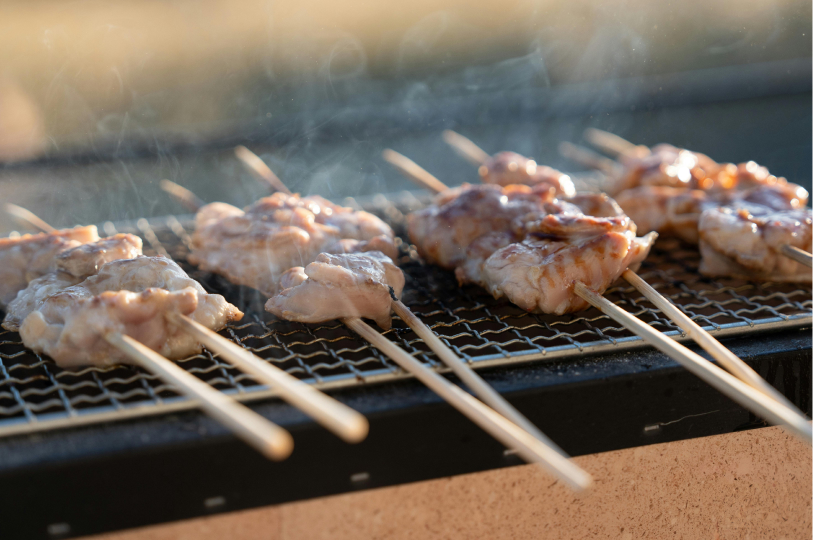
- Skewers are arranged based on heat zones
- Chicken skin is placed closer to direct charcoal
- Lean cuts like chicken breast are moved further away
- Timing is calculated to achieve precise texture
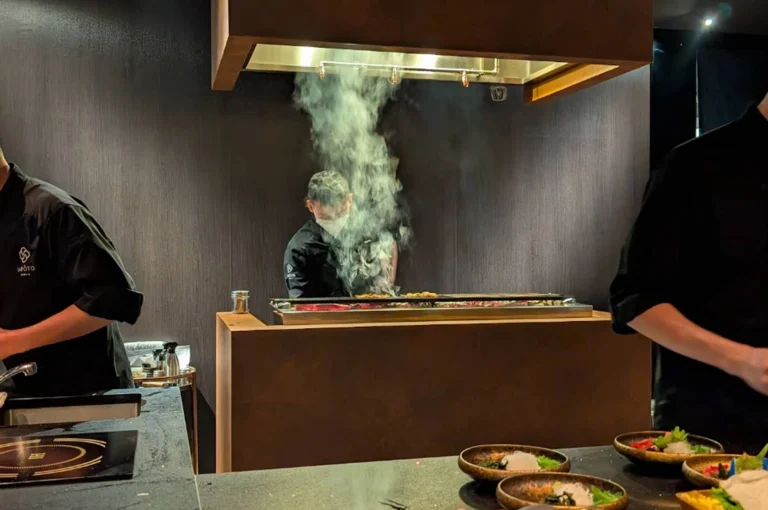
This is not random cooking. It is ritualized repetition, an art form shaped by Japanese culture. At Yatagarasu Hanare, I once noticed the chef shift a skewer only a few centimeters. That small movement prevented over-charring. That’s omotenashi at work, anticipating texture before the customer notices.
How Omotenashi Shows Up in Yakitori Technique
You might wonder: what does hospitality have to do with grilling? In my experience, everything.
1. Heat Control Is Hospitality
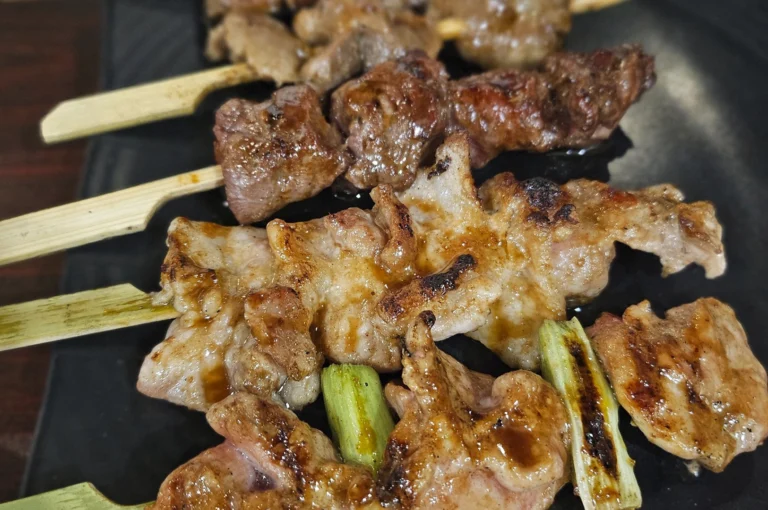
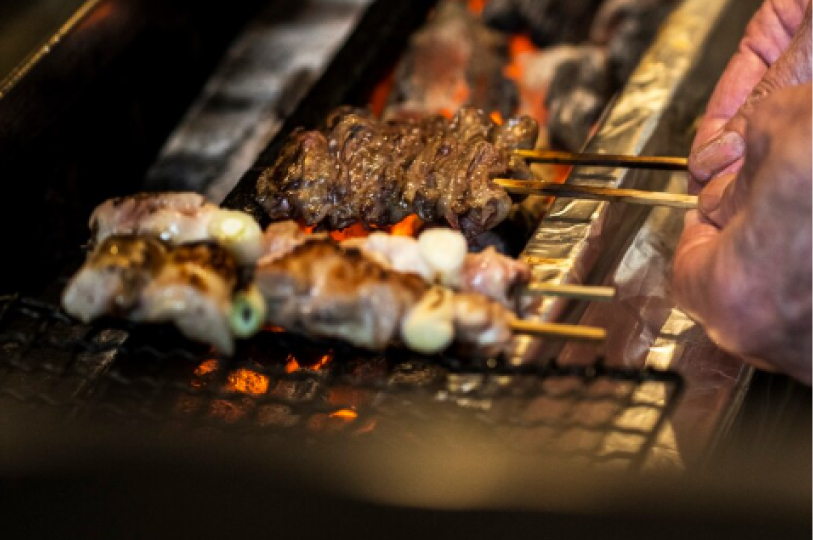
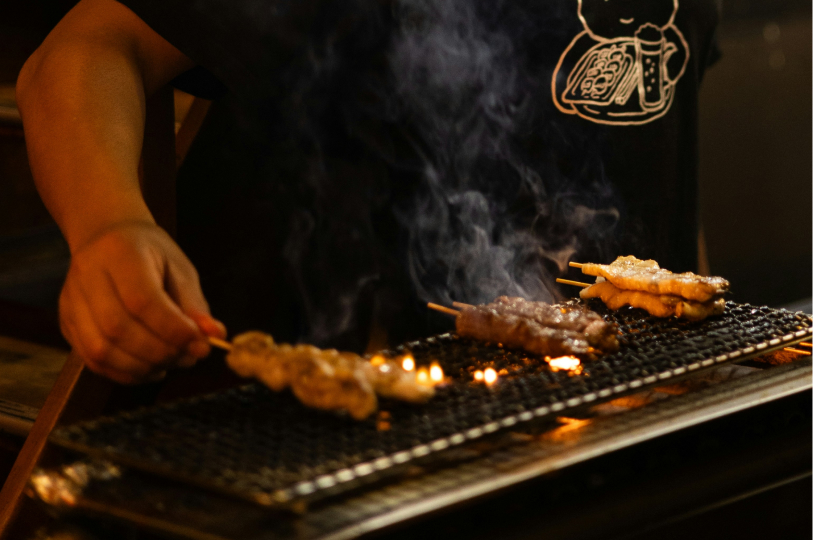
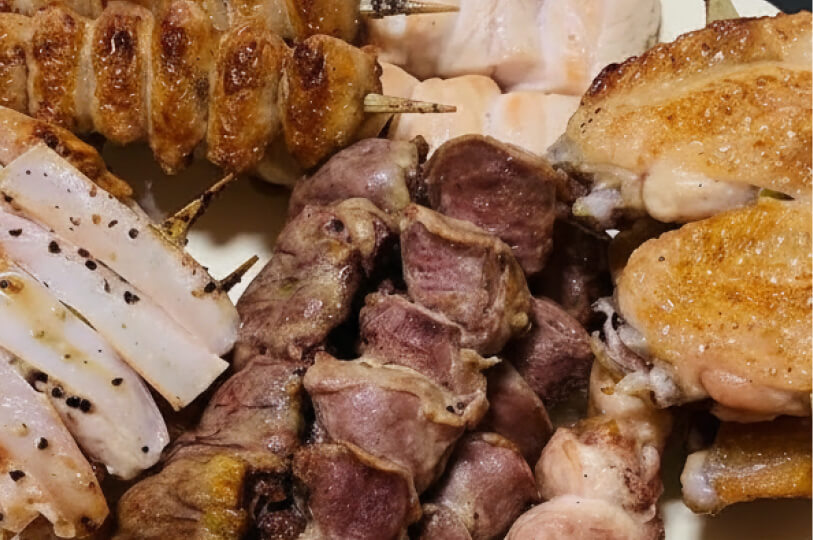
Binchotan charcoal burns extremely hot and clean. But it has zones. A skilled chef rotates skewers constantly. Chicken thigh needs fat rendering. Chicken heart needs shorter exposure. Chicken skin must blister but not burn.
If a chef times your skewer so it reaches peak tenderness the moment it lands in front of you, that’s not luck. That’s omotenashi. It’s the ability to serve at the right second.
2. Seasoning Is Not Uniform
When I first explored yakitori in Singapore, I assumed salt was salt. I was wrong.
At places like Yakitori Yatagarasu, seasoning differs depending on:
- Fat content
- Cut density
- Sequence within the course
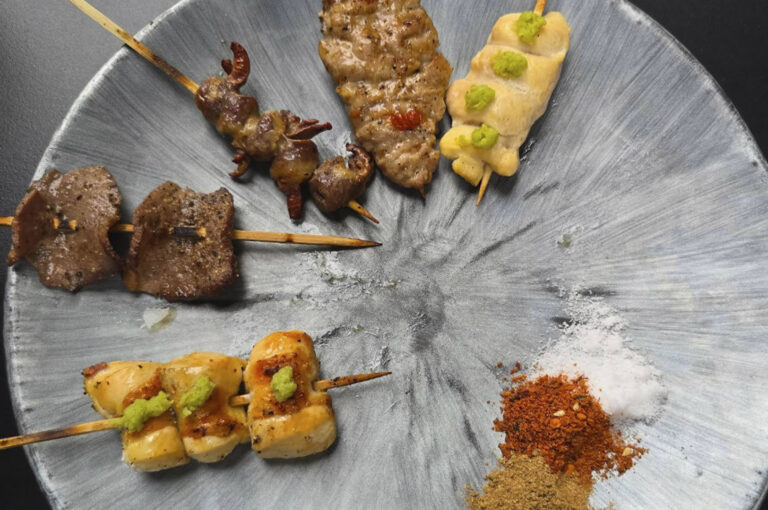
Light salt on chicken heart. Slightly firmer seasoning on thigh. Balanced tare glaze later in the menu. The flow matters. This mirrors the tea ceremony’s principle of detail adjusting subtly for each guest.
3. Pacing Creates a Harmonious Atmosphere
A proper yakitori omakase takes about 90 minutes to 2 hours. Expect to spend $80–$150 in Singapore for a serious counter experience.
The chef controls:
- When skewers arrive
- When you receive tea or sake
- When silence is preserved
If you slow down, pacing adjusts. If you finish quickly, the next course doesn’t arrive prematurely. That seamless flow is the invisible art of omotenashi.
Pro Tip:
Always request counter seating when booking a yakitori restaurant. Watching the grill teaches you more about Japanese hospitality than reading any article.
Omotenashi in Practice: Yakitori Yatagarasu Hanare
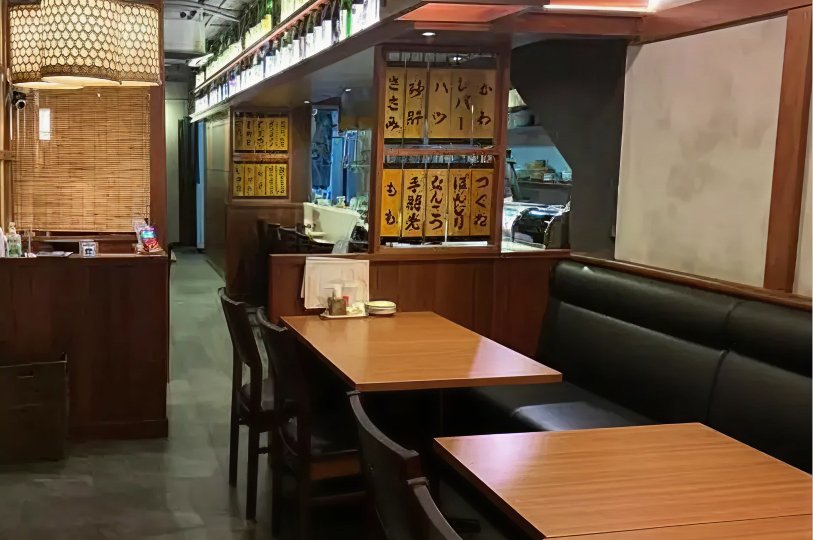
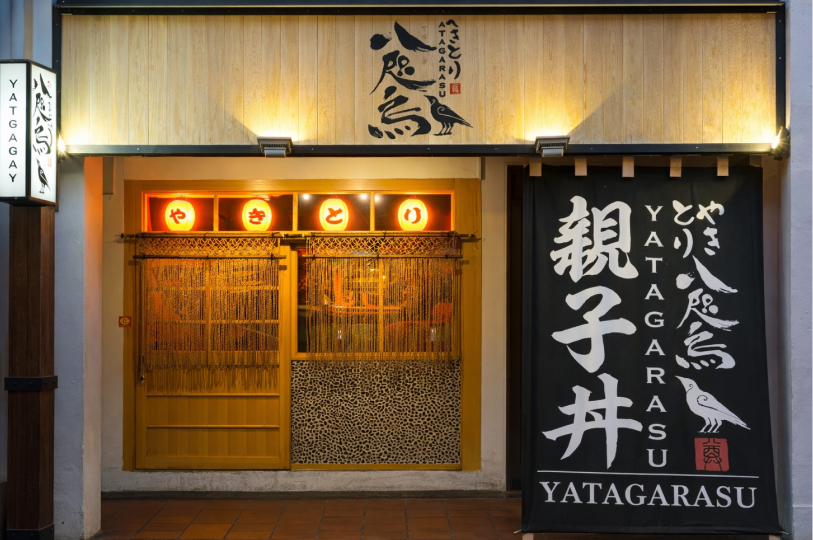
One of the clearest examples of omotenashi I’ve experienced in Singapore is at Yakitori Yatagarasu Hanare, a yakitori restaurant that expresses Japanese hospitality without eloquent speech or dramatic gesture. Like the tea masters face, calm and present, the chef works with quiet focus, adjusting seasoning, tools, and pacing without announcement.
At this yakitori restaurant, omotenashi appears not as excellent service but as subtle, anticipatory hospitality. Drinks are refreshed quietly, utensils positioned intuitively, and each course from the menu served at the right moment. When guests slow down, timing shifts without discussion.
It reflects ichigo ichie, the idea that every meeting is unique. As in sushi restaurants across Tokyo or Kyoto, or refined hotels in Japan, the host anticipates rather than reacts. For outsiders trying to understand the difference, Hanare becomes a living example, where culture is not explained, but practiced. To learn more about why for me, this yakitori spot is such a great example of omotenashi in practice, check out our detailed article on this authentic skewers spot on Circular Road.
Step-by-Step: How to Experience Omotenashi at a Yakitori Restaurant
Here’s what I suggest if you truly want to explore it.
Step 1: Choose the Right Setting
Go to a counter-focused yakitori restaurant like Yakitori Yatagarasu Hanare (Circular Road) or Torikami (Tanjong Pagar). Avoid loud izakayas if your goal is technique and a harmonious atmosphere.
Step 2: Arrive Early
Punctuality matters. Many counters in Singapore run synchronized seatings. If you’re late, you disrupt the flow of the meal.
Step 3: Observe Before You Act
When I first tried to take photos of every skewer, I noticed the texture changed by the time I ate it. Hot skewers are meant to be eaten immediately. Temperature affects taste and ambiance.
Step 4: Trust the Sequence
Don’t interrupt constantly. Let the chef guide the meal. Omakase means “I leave it to you.”
Common Mistakes I’ve Made (And What You Should Avoid)
Mistaking Silence for Coldness
In Western restaurants, excellent service often means frequent check-ins. In Japanese hospitality, subtle presence is preferred. The staff is watching, just not hovering.
Wearing Strong Perfume
This is more disruptive than you think. Yakitori relies on aroma. Charcoal smoke and seasoning are part of the experience. Strong fragrance interferes with other guests.
Over-Customizing an Omakase
I once brought a friend who declared multiple dislikes mid-meal. The chef had already prepared ingredients specifically for our seat. That moment taught me that omakase is not à la carte dining.
Before you Grill: Technique Is the Soul of this Japanese Hospitality
The first time I truly understood omotenashi at the grill, it changed how I experience food. I stopped expecting dramatic gestures. I began noticing detail, utensil placement, seasoning balance, heat rotation, pacing.
Omotenashi in a yakitori restaurant is not about being impressed. It’s about recognizing discipline. It’s about understanding that every skewer was prepared with intention.
The next time you step inside a serious yakitori counter in Singapore, pay attention. Watch the chef’s movements. Notice the timing. Feel the flow. When you do, you won’t just be a customer. You’ll be part of a quiet meeting between fire, technique, and hospitality, a fleeting moment of ichigo ichie that can never be repeated in yakitori restaurants.