
In Singapore, dinner often arrives with intention. Tables are booked, menus studied, decisions made in advance. Yakitori Singapore moves differently. It exists quietly between obligations, slipping into everyday life without announcement. You do not plan for it long. You simply find yourself there, drawn by the faint scent of charcoal and the promise of something warm, steady, and familiar.
Yakitori in Singapore is not about spectacle. It is about rhythm. The rhythm of a long day easing into evening. The rhythm of skewers arriving one by one. The rhythm of sitting at a counter where nothing demands urgency. Yakitori restaurants here intentionally create a comforting, authentic atmosphere, thoughtfully designing their spaces to evoke a sense of ease and genuine experience for every diner.
Chicken Skewers and the Comfort of Repetition
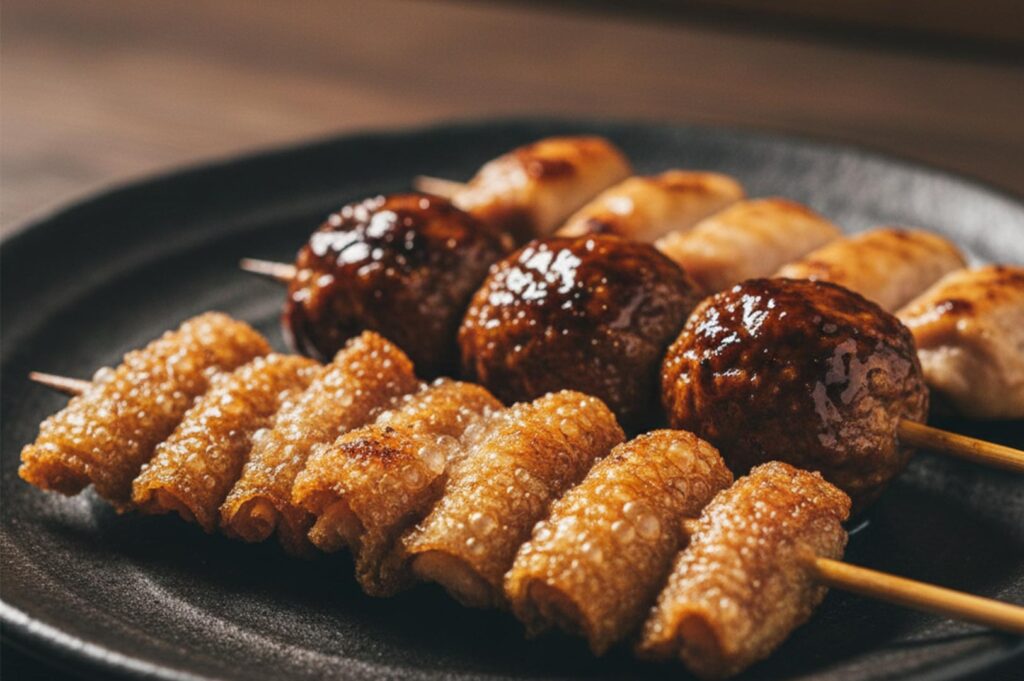
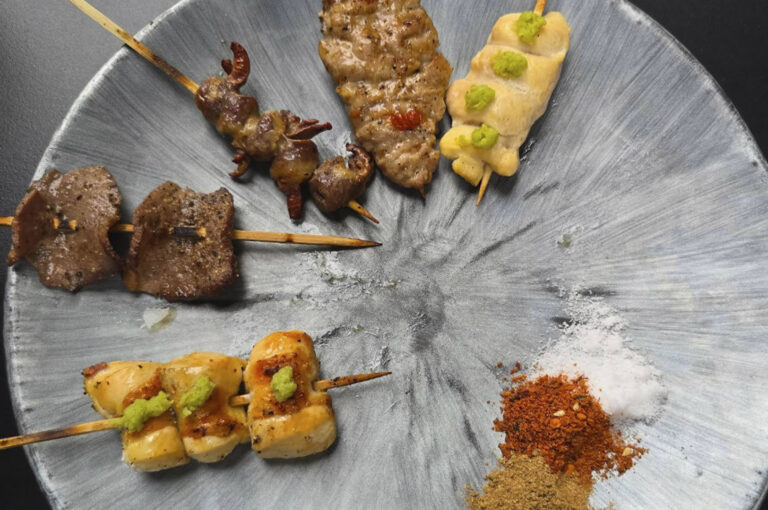
Chicken skewers arrive slowly, each served when ready rather than all at once. Thigh meat first, perhaps, followed by chicken wings or neck meat, then liver, tail, or heart. The order feels intentional but unspoken. Each stick holds its own moment. A variety of cuts are offered to diners throughout the meal, presenting a range of flavors and textures to experience.
There is comfort in this repetition. You eat, pause, sip sake, then eat again. Chicken skin crackles softly before yielding. Minced chicken shaped into tsukune carries garlic and depth, sometimes dipped into soup or egg yolk, sometimes enjoyed plain. The food does not rush you. It waits.
In yakitori Singapore, repetition is not boredom. It is reassurance. The same actions repeated night after night signal commitment rather than stagnation.
Minced Chicken, Variety, and Quiet Decisions
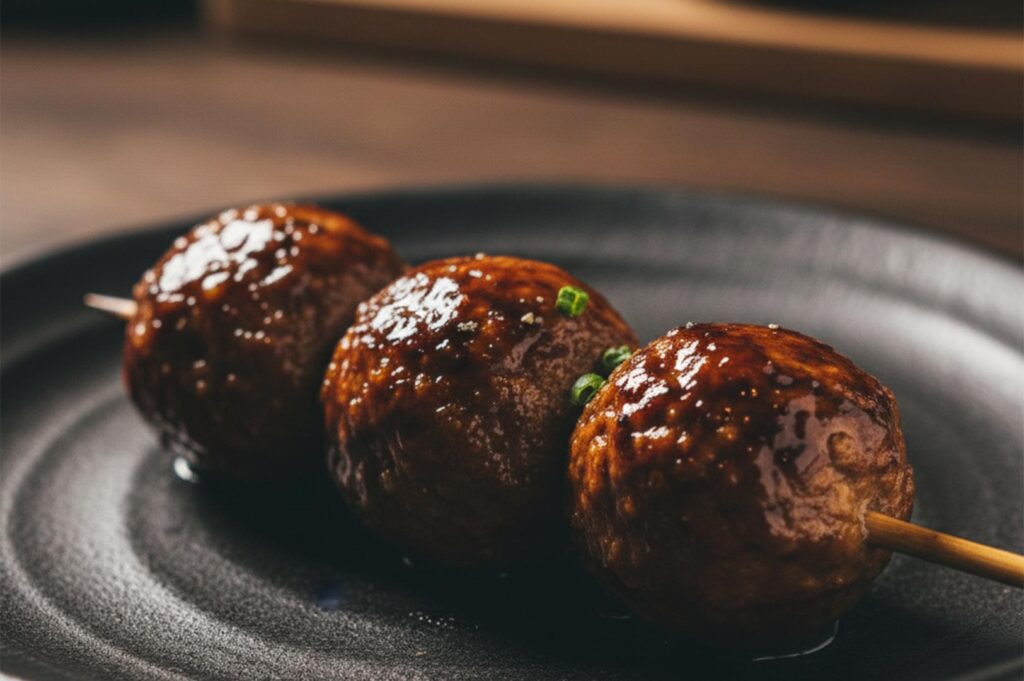
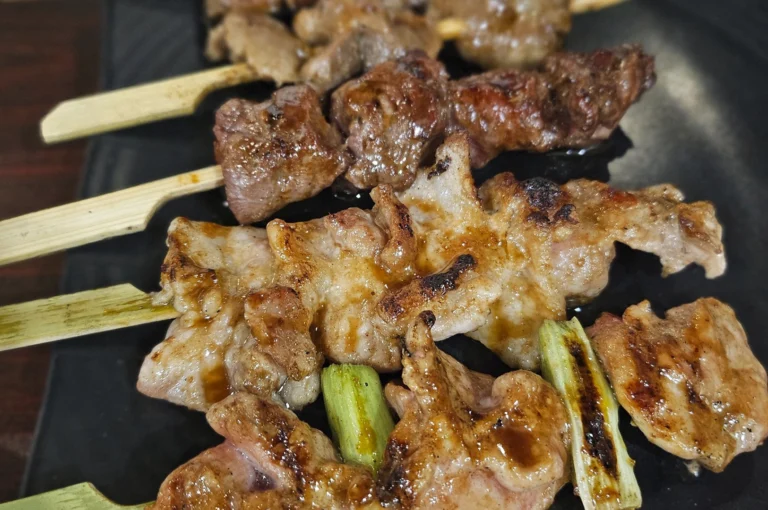
Yakitori menus are often limited, but within that limit lies variety. Minced chicken sits alongside cuts like neck meat, liver, and tail. Some outlets offer beef or lamb skewers, others bring vegetables into the collection. The menu is rarely large, but it is carefully decided.
You do not need to order everything. You choose a few favourites. Or you allow the chef to decide what is served. Either way, the experience unfolds gently. Each dish feels considered. Each skewer feels intentional.
This is where yakitori becomes less about choice and more about trust.
Yakitori Restaurants as Transitional Places
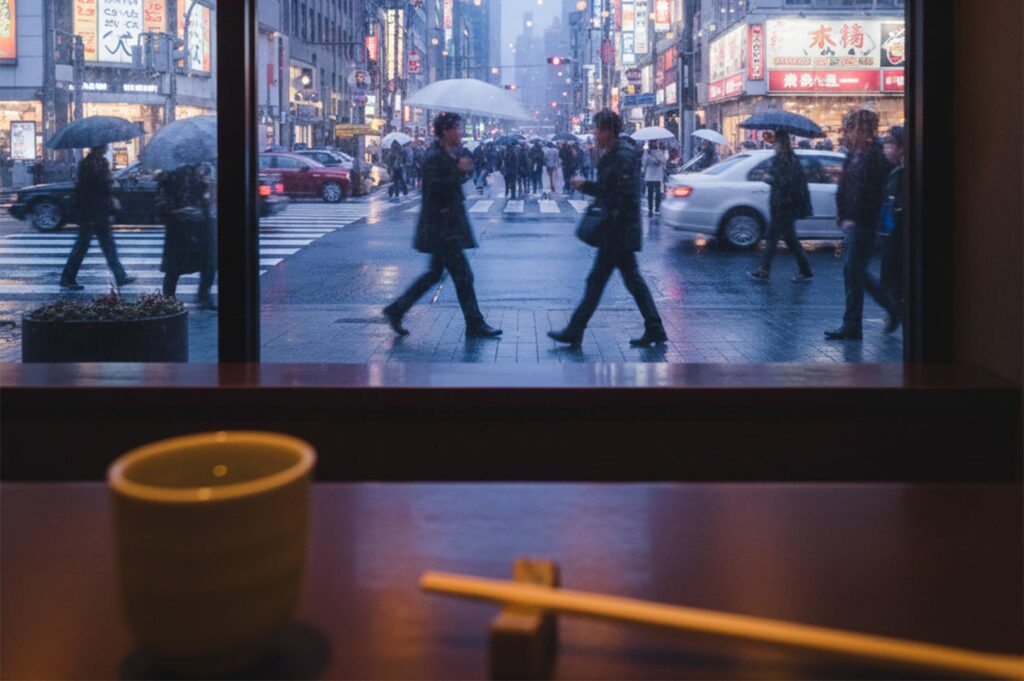
Many best yakitori restaurants in Singapore exist in in between locations. Near office towers. Along quiet river paths. In older areas where the pace slows after dark. These places are not hidden, but they are not loud either.
Yakitori fits these spaces because it belongs to transition. It is food for the moment between work and home. Between movement and rest. Between public and private.
You arrive still carrying the day. You leave lighter.
At the Counter: Action Without Performance
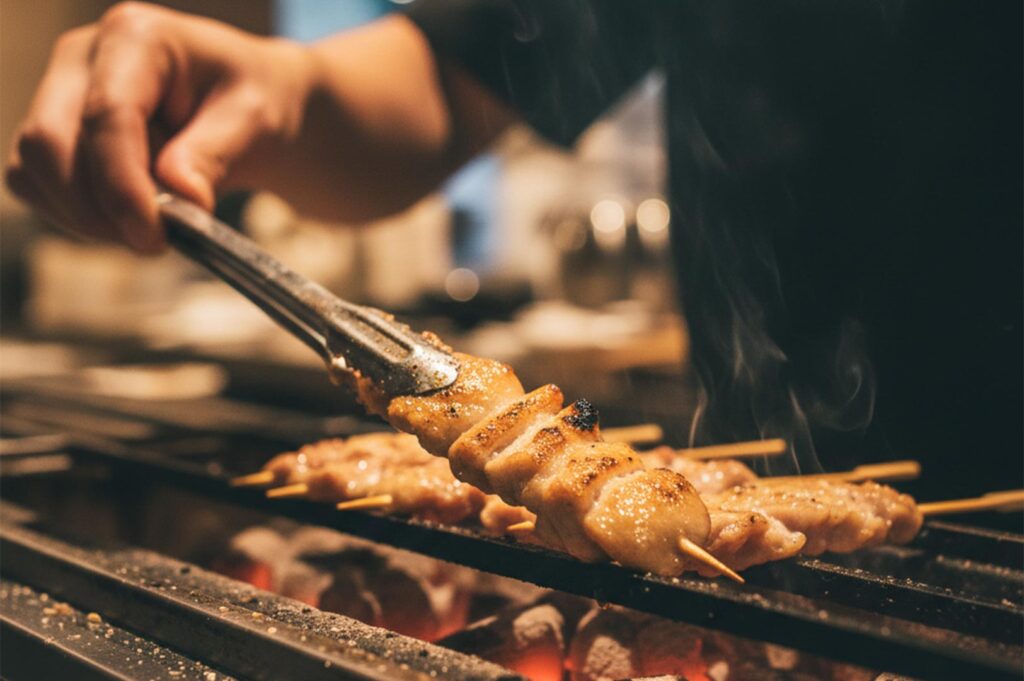
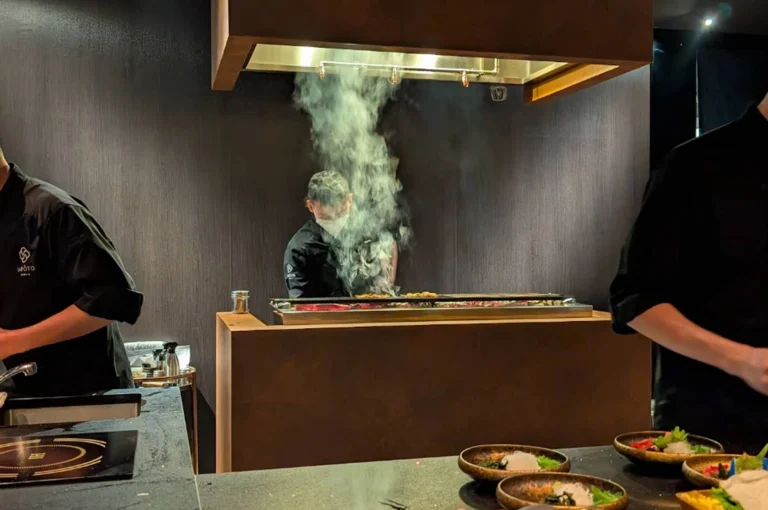
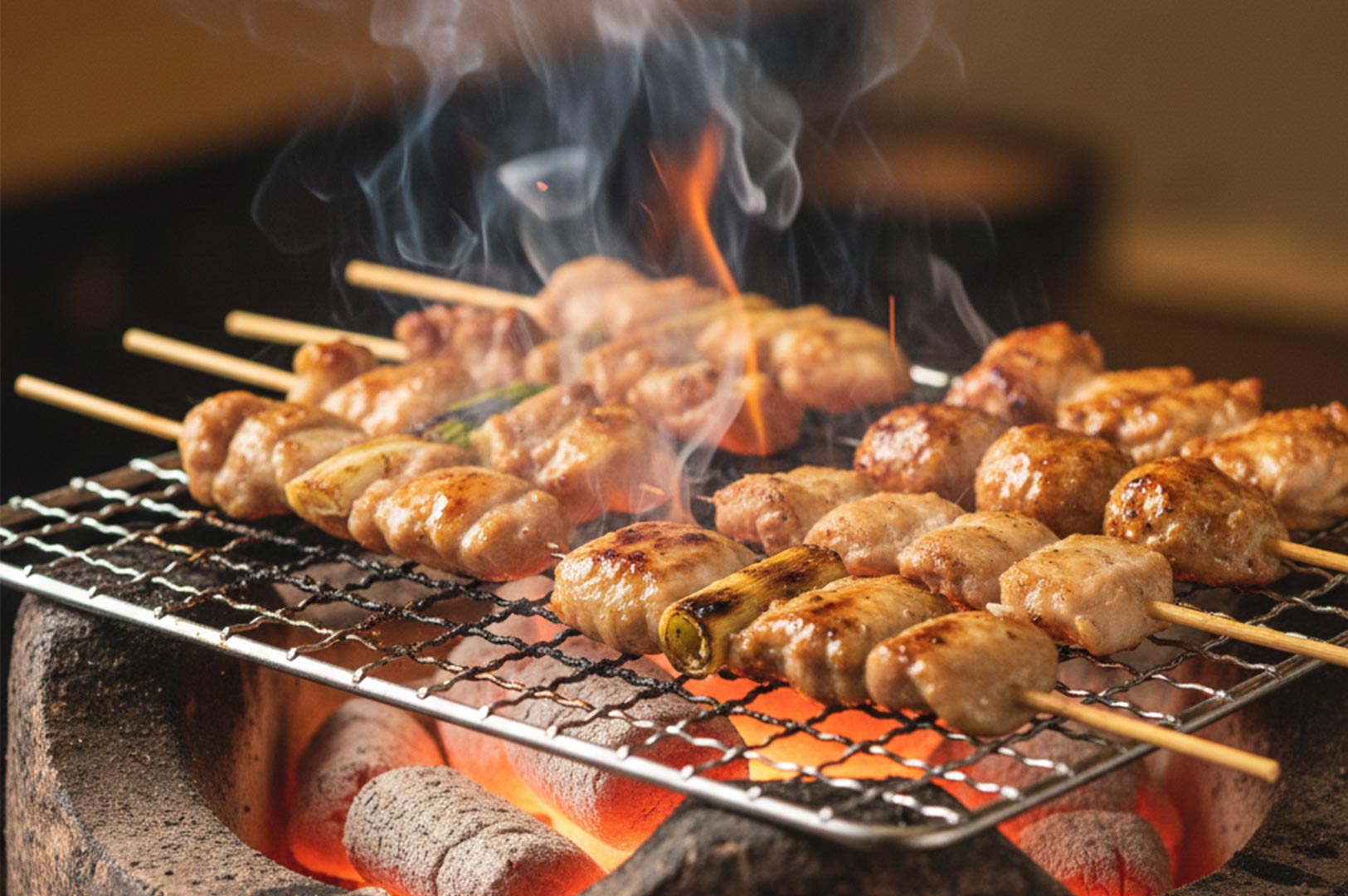
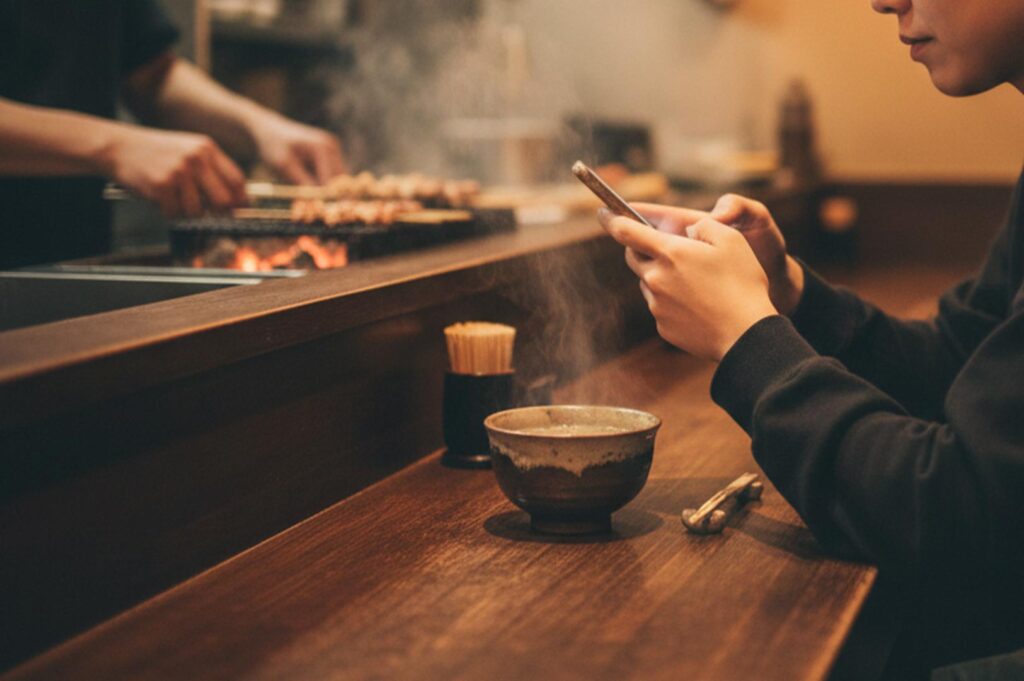
The counter is the stage, but there is no show. Chefs move with quiet action, turning skewers over charcoal, adjusting heat, watching skin blister and settle. There is no explanation unless you ask. The work speaks for itself.
Watching this process is part of the experience. The commitment behind each skewer becomes visible through repetition. Nothing is rushed. Nothing is wasted.
In yakitori Singapore, the counter brings diners close without forcing interaction. You sit beside strangers, sharing space without obligation. Alone, but not isolated.
The Hands Behind the Skewers: Chef Profiles and Stories
At a yakitori counter in Singapore, the focus settles on the hands behind the grill. Seasoning, shaping, and turning each skewer over charcoal with quiet precision, chefs reveal that yakitori is as much about commitment as it is about food.
Chef Takashi brings with him the discipline of a small yakitori establishment in Japan, where grilling chicken skewers became second nature. His menu is restrained and familiar. Crisp chicken wings, minced chicken tsukune shaped by hand, neck meat and chicken skin grilled with care, often served with a simple soup. Each dish reflects intention rather than excess.
Chef Kenji’s approach is broader and more adventurous. Alongside chicken, his counter may offer beef or lamb, with garlic forward flavours and a respect for every cut, from liver to tail. Regulars return not for novelty, but for consistency and trust.
What unites these chefs is a shared belief in doing less, but doing it well. Their yakitori restaurants offer a place to sit, eat, and pause, where fire, repetition, and steady hands continue a craft that rewards attention and time.
Food That Belongs to Everyday Life
Yakitori does not position itself as special occasion food. It belongs to everyday life. You can come for a quick dinner or stay long into the night. You can eat little or much. You can talk or remain quiet.
This flexibility is part of why yakitori restaurants endure. They adapt to mood rather than demand one. The food is delicious without asking for attention. Chicken, vegetables, soup, skewers served steadily, simply. It is important that yakitori restaurants in Singapore continue to maintain their quality, affordability, and welcoming atmosphere for diners.
Nothing here needs explanation. Nothing needs reinvention.
A Quiet Link Between Japan and Singapore
Yakitori arrived from Japan, but it has settled comfortably into Singapore. The technique remains rooted in charcoal and patience, but the experience reflects its location. Tropical nights. Mixed crowds. Different rhythms of work and rest.
For readers interested in the deeper craft, fire, and ritual behind the grill itself, these elements are explored more fully in Yakitori in Singapore: Smoke, Ritual, and the Quiet Charcoal Hour, which looks beyond the dining room and into the discipline behind the food. If you want to discover the best yakitori restaurants in Singapore, be sure to read reviews and guides to find top spots and personal recommendations.
This piece, instead, stays with the diner.
Returning Without Announcement
Over time, yakitori Singapore becomes a place you return to without thinking. The same restaurant. The same counter. The same area you pass through at the end of a long day. You do not need a reason to go back.
You simply do.
This is not adventurous dining in the usual sense. Yet there is quiet adventure in discovering depth within simplicity. In finding that a limited menu can still offer range. In realising that a stick of chicken can hold more than flavour.
The Chance to Pause
Yakitori does not compete with the city. It coexists with it. While Singapore continues to build, change, and accelerate, yakitori restaurants remain steady. The grill warms. Skewers turn. Plates arrive.
You eat. You sit. You pause.
And when you leave, carrying the faint trace of charcoal with you, the night feels complete. Not because something dramatic happened, but because something consistent did.
Yakitori in Singapore continues this way. Quietly. Patiently. Waiting in its place for those who know when they need it.