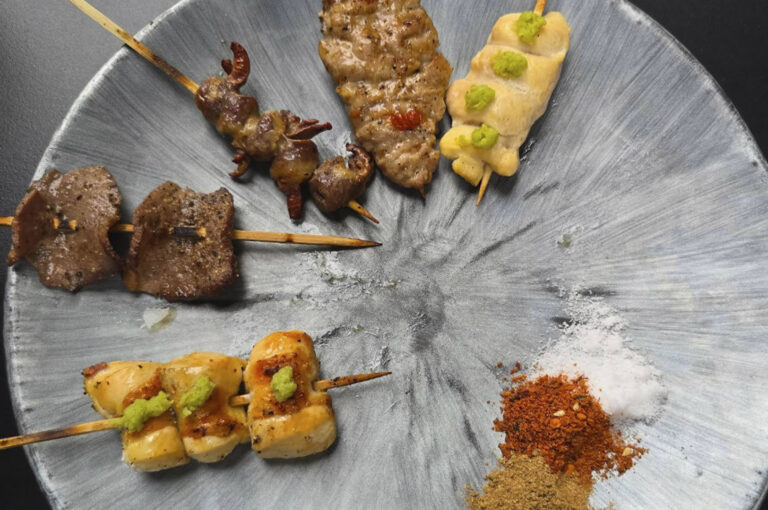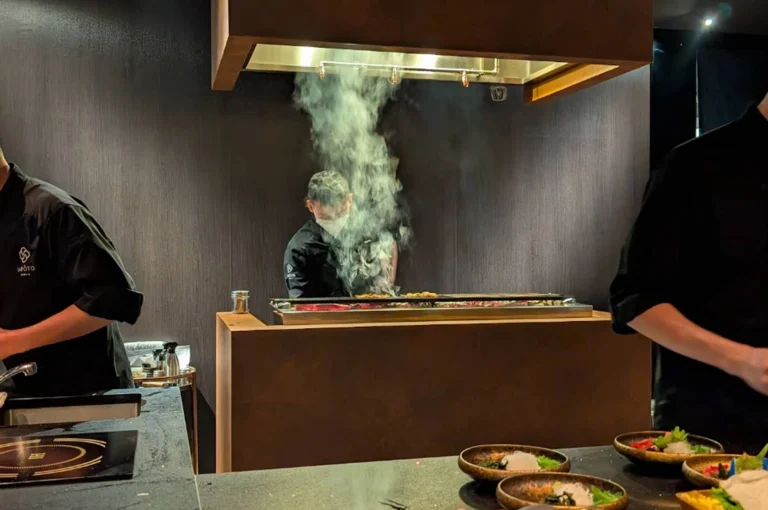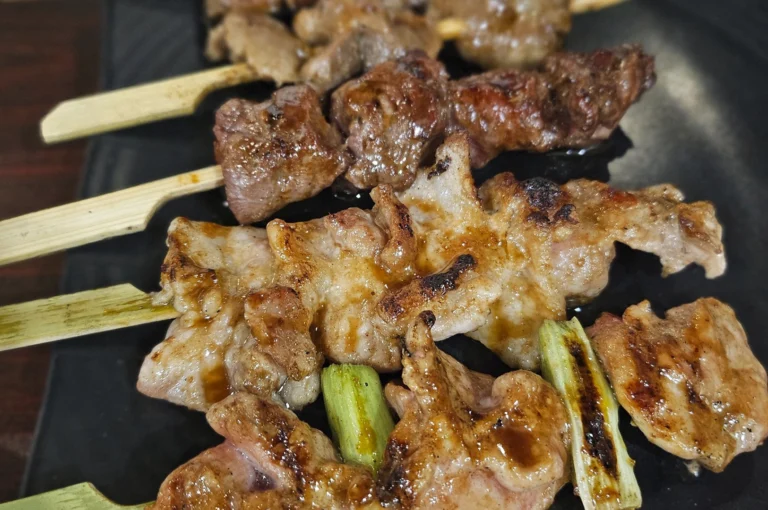

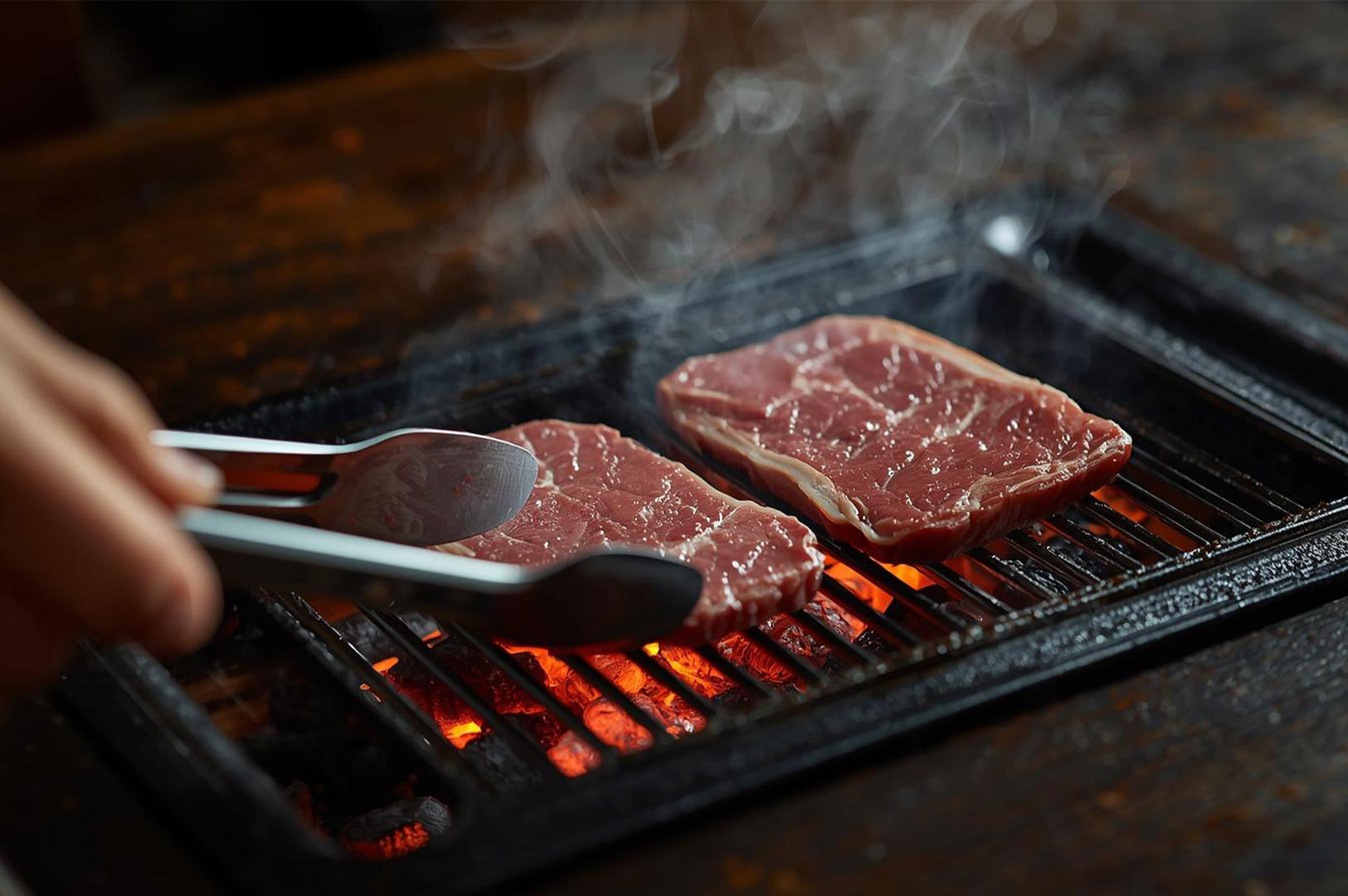
The sizzle of premium wagyu beef hitting hot charcoal, the aromatic smoke rising from your table, the anticipation as perfectly marbled meat transforms before your eyes—this is yakiniku, Japan’s beloved answer to barbecue. More than just grilled meat, yakiniku is a dining experience that brings people together over exceptional ingredients, precise technique, and the simple joy of cooking together. Singapore boasts a vibrant yakiniku scene, offering a diverse range of Japanese yakiniku restaurants for both locals and visitors to enjoy.
Whether you’re planning your first visit to a yakiniku restaurant or looking to master this art at home, this guide covers every aspect of Japanese BBQ. From understanding wagyu grading to perfecting your grilling technique, you’ll discover how to create an authentic yakiniku experience honoring tradition and taste.
What is Yakiniku? Understanding Japanese Yakiniku BBQ Tradition
Yakiniku, meaning “grilled meat” in Japanese, is one of Japan’s most social and interactive dining traditions. Unlike many Japanese restaurant experiences where food arrives pre-prepared, yakiniku puts the cooking power directly into diners’ hands through tabletop grilling.
This beloved tradition traces its roots to Korean barbecue culture, brought to Japan by Korean immigrants after World War II. Initially focused on horumon (offal) dishes that provided affordable protein during food shortages, yakiniku evolved into the refined dining style we know today. By the 1950s and 1960s, yakiniku restaurants began featuring premium cuts alongside traditional offerings, transforming into sophisticated establishments in Tokyo and Osaka.
What sets yakiniku apart from other grilling methods like hibachi or teppanyaki is its intimate, communal nature. While hibachi involves large theatrical grills and teppanyaki features chef performances, yakiniku centers on small tabletop grills encouraging conversation and shared experiences. The interactive grilling becomes part of the meal itself, creating bonds between diners as they cook, share, and savor each perfectly grilled morsel.
Modern yakiniku culture emphasizes quality over quantity. Today’s diners seek restaurants offering traceable wagyu beef, traditional charcoal grills, and curated experiences honoring the craft. This evolution from post-war necessity to culinary art reflects Japan’s growing appreciation for premium ingredients and authentic techniques.
The social aspect remains paramount—yakiniku works best when shared. Whether celebrating with family, bonding with colleagues, or enjoying an intimate meal for two, the shared act of grilling creates connections beyond the food itself. Yakiniku is best eaten hot off the grill, allowing everyone to enjoy freshly cooked meat and vegetables at their peak flavor.
Understanding Wagyu Beef and Beef Quality for Best Yakiniku
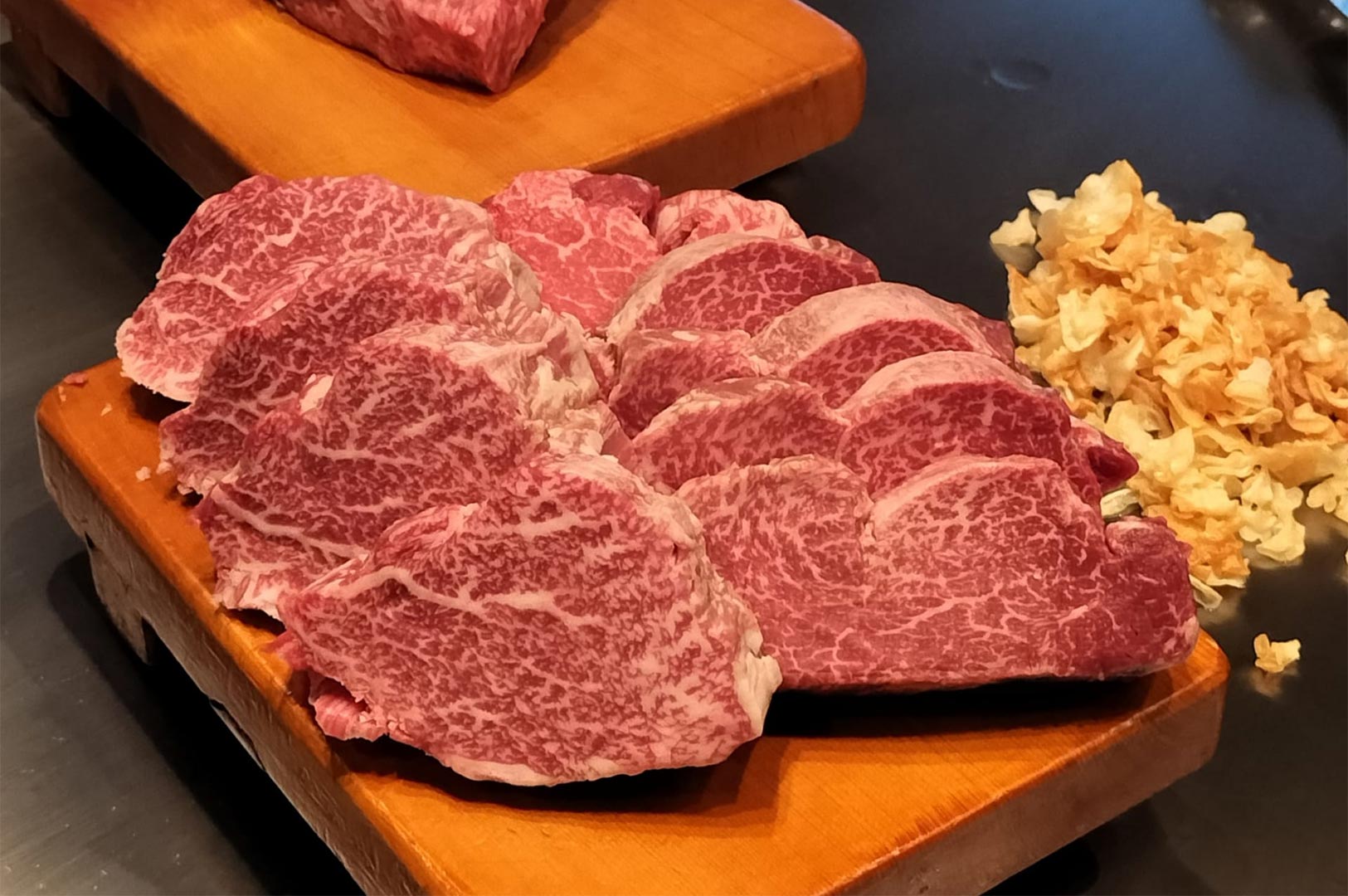
Exceptional yakiniku begins with understanding Japanese beef grading, particularly the wagyu system that determines quality and price. Japan’s rigorous grading standards ensure every piece of wagyu meets exacting specifications for marbling, color, firmness, and overall quality.
The Japanese beef grading system uses yield grades (A, B, C) and quality grades (1-5). The yield grade indicates the percentage of edible meat from the carcass, with A as the highest. The quality grade evaluates marbling, meat color, fat color, and firmness. An A5 rating represents the ultimate indulgence—the highest yield combined with exceptional marbling and texture.
The Beef Marbling Score (BMS) rates marbling on a scale from 1 to 12. Premium yakiniku establishments feature beef with BMS scores of 6 and above, with exclusive venues serving BMS 10-12 wagyu that melts on your tongue. This marbling creates the butter-like texture and rich, complex flavors making wagyu steak the ultimate yakiniku experience.
Regional wagyu varieties offer distinct characteristics:
- Kobe beef from Hyogo Prefecture is famous for tenderness and delicate flavor, with strict regulations ensuring consistent quality commanding premium prices at yakiniku restaurants worldwide.
- Matsusaka beef from Mie Prefecture features intense marbling for a rich, luxurious taste ideal for special occasions.
- Omi beef from Shiga Prefecture offers a balanced flavor and texture perfect across various yakiniku cuts.
- Kagoshima beef from southern Japan provides excellent value while maintaining high quality, popular at accessible yakiniku establishments.
When selecting wagyu, consider your budget and occasion. A4 grade wagyu offers exceptional quality at accessible prices, while A5 represents the ultimate splurge. Even A3 wagyu surpasses conventional beef in flavor and texture.
Essential Yakiniku Cuts: Building Your Perfect Meat Selection
Mastering yakiniku means understanding essential cuts that form the foundation of any great Japanese BBQ. Each cut offers unique fat content, texture, and flavor, allowing a balanced meal progressing from light to rich.
Before grilling, diners or chefs prepare the meats and vegetables by gathering, slicing, and arranging them for optimal cooking and presentation. This preparation ensures even cooking and enhances the dining experience.
- Karubi (short rib) is the king of yakiniku cuts, beloved for rich marbling and deep beef flavor. Its generous fat content creates juiciness when grilled, with tender texture accessible to all.
- Beef short plate balances fat and lean meat, grilling quickly for juicy, flavorful bites that pair well with classic yakiniku sauces.
- Rosu (ribeye/loin) offers premium cuts with perfect fat distribution, exceptional tenderness, and clean beef flavor ideal for showcasing wagyu quality, especially when simply seasoned with salt.
- Harami (skirt steak) provides textural contrast with a leaner profile and firmer bite, delivering intense beefy flavor satisfying those seeking substantial taste without excessive richness.
- Gyutan (beef tongue) offers a unique texture and subtle flavor. Thinly sliced and grilled quickly, it cleanses the palate between richer cuts and pairs well with citrus seasonings like lemon or ponzu.
- Chicken and pork belly add variety, with chicken as a lean option and pork belly bringing rich, fatty flavors that grill to crispy perfection.
- Seafood such as squid and shrimp complements the rich flavors of beef and pork, rounding out a well-balanced meal.
For adventurous diners, hormone cuts including liver, heart, and intestines provide authentic yakiniku experiences rooted in history. These organ meats require careful preparation but reward bold eaters with intense flavors and varied textures.
Yakiniku Cut Comparison Guide
| Cut Name | Fat Level | Ideal Doneness | Flavor Profile | Best Pairing |
|---|---|---|---|---|
| Karubi (short rib) | High | Medium-rare | Rich, juicy, beefy | Beer, tare |
| Beef short plate | Moderate | Medium | Juicy, balanced | Soy sauce, garlic |
| Rosu (ribeye/loin) | Moderate | Rare to medium | Mild, tender, clean | Sake, salt |
| Harami (skirt) | Moderate-low | Medium | Savory, firm | Highball, sesame oil |
| Gyutan (beef tongue) | Low | Lightly grilled | Crisp, delicate, umami | Lemon, tea |
When building your yakiniku selection, aim for variety across fat levels and textures. Start with leaner cuts like gyutan and chicken, progress through medium options like harami and beef short plate, and finish with rich cuts like karubi and pork belly. This progression allows full appreciation of each cut’s unique characteristics while preventing flavor fatigue.
Consider your party’s preferences. Conservative diners might prefer rosu and karubi, while adventurous eaters appreciate the full range including organ meats. Combination plates at yakiniku restaurants provide perfect introductions to various cuts.
Essential Tools and Equipment for Yakiniku Success
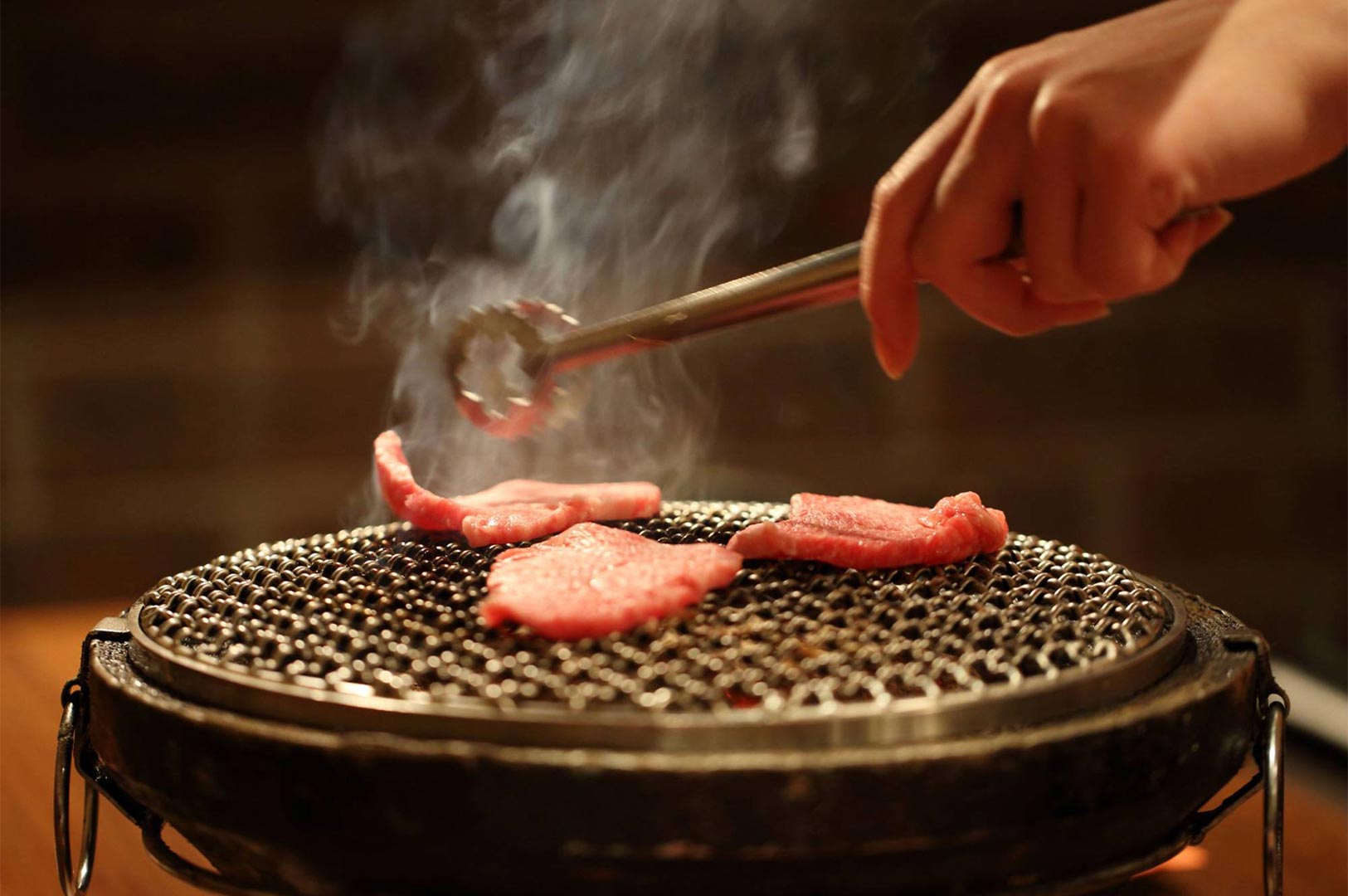
Achieving yakiniku mastery begins with selecting artisanal tools and curated equipment that grace your culinary sanctuary. In distinguished yakiniku establishments, each table becomes a stage for culinary meditation—adorned with dedicated grills that whisper heritage and craftsmanship. The electric grill offers serene precision, its controlled warmth a testament to modern sophistication, while the traditional charcoal grill infuses each morsel with subtle poetry of smoke. This choice becomes the foundation of your gastronomic journey, allowing orchestration of premium wagyu cuts, succulent pork belly, tender chicken, and pristine seafood—each piece a canvas awaiting the artist’s touch.
Accompanying this sacred flame, essential tools emerge as extensions of the diner’s intent: sturdy tongs bridging raw and transformed, and elegant chopsticks turning paper-thin slices with reverence and guiding each bite. A curated yakiniku sanctuary unfolds an array of condiments and elixirs—contemplative soy sauce, refined sake, delicate mirin, and liquid gold of rich sesame oil—creating an alchemy of flavors that allows guests to craft their own symphony, customizing every morsel to awaken the senses.
The beauty of yakiniku reveals through extraordinary variety: from marbled poetry of premium wagyu and tender pork belly to earth’s offerings of fresh vegetables, mushrooms, and ocean treasures, each menu becomes a selected anthology of possibilities. With these elements at your fingertips, diners embark upon an interactive ritual transcending mere dining—a meditative practice of grilling and seasoning each piece with mindful precision, transforming gatherings into celebrations of Japanese culinary heritage and the quiet luxury of shared contemplation.
Grill Types and Heat Control Mastery
The heart of great yakiniku lies in grill selection and heat management. Understanding grill types and mastering temperature control separates good yakiniku from exceptional Japanese BBQ.
Traditional yakiniku uses charcoal grills, especially binchotan white charcoal, which burns cleanly at high temperatures while imparting subtle aroma. The intense, even heat creates perfect searing that locks in juices and develops caramelized exteriors. Many premium yakiniku restaurants continue using charcoal despite challenges, recognizing its flavor superiority.
Modern electric grills offer precise temperature control and enhanced safety. While purists prefer charcoal, high-quality electric grills produce excellent results, eliminating smoke concerns for indoor dining and providing consistent heat for delicate cuts like wagyu steak.
Gas grills offer better flavor than electric with easier control than charcoal. Many home yakiniku enthusiasts prefer gas for convenience and quick heat adjustment.
Heat zone management is crucial. Create distinct temperature areas on your grill—high heat for quick searing of marbled cuts, medium for standard cooking, and cooler spots for warming or resting meat. This setup allows managing multiple cuts simultaneously while preventing overcooking.
Timing varies between cuts and thicknesses. Premium wagyu requires minimal cooking—30-60 seconds per side depending on thickness. High fat content means wagyu can quickly overcook, so attentive grilling is essential.
Lean cuts like harami and chicken benefit from slightly longer cooking to develop flavor while maintaining tenderness. Monitor visual cues rather than relying solely on timing—properly cooked yakiniku shows caramelization without charring, with appropriate internal temperature.
Avoid overcooking premium wagyu. Its marbling keeps it juicy and flavorful even at medium-rare or medium doneness. Trust quality wagyu and resist overcooking.
Seasonings and Sauces: Enhancing Natural Flavors
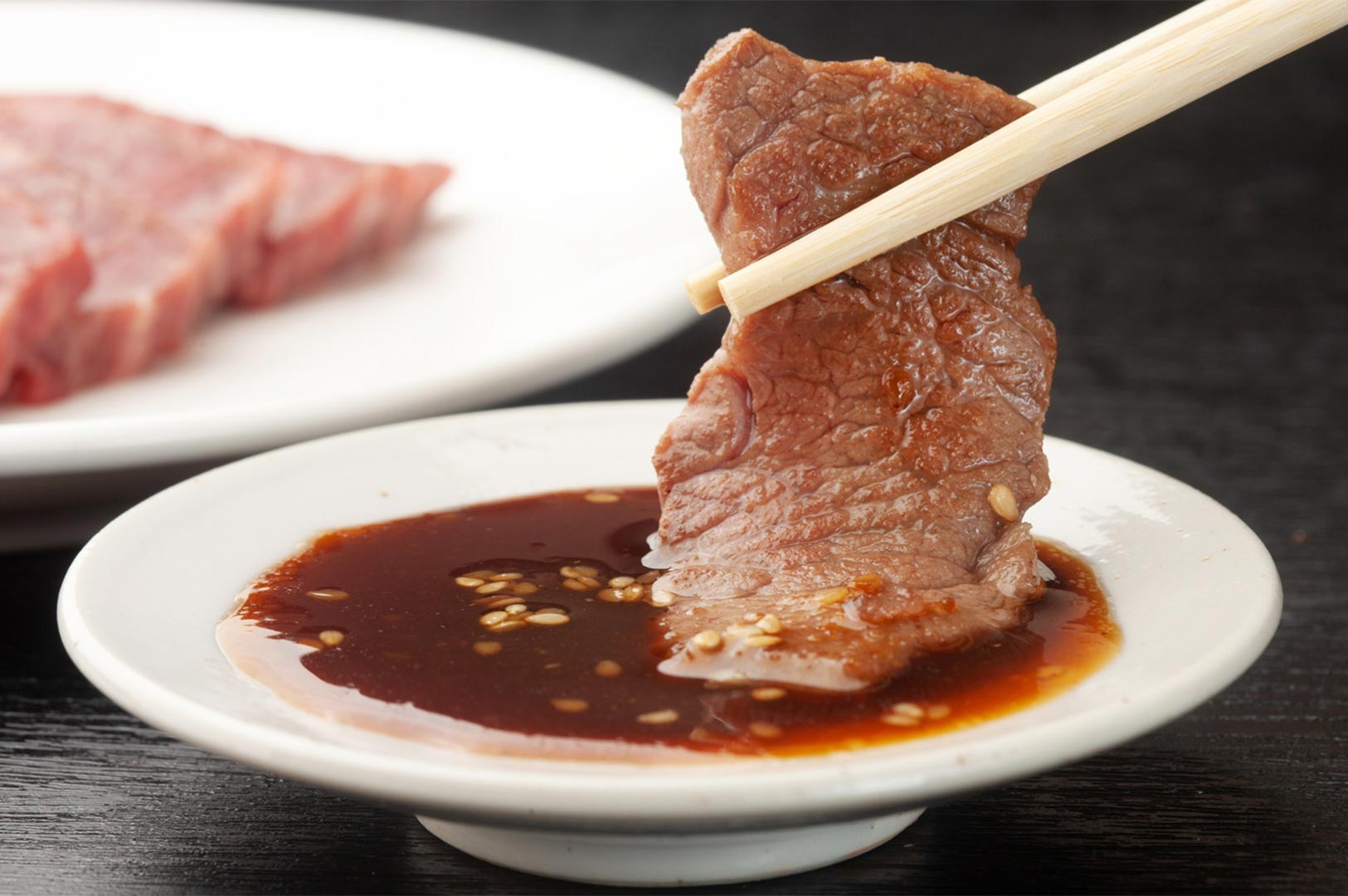
Yakiniku seasoning enhances rather than masks. The goal is to complement exceptional beef rather than overwhelm it. Knowing when and how to apply seasonings transforms good yakiniku into memorable experiences.
Salt (shio) is the purest seasoning, allowing premium cuts to showcase natural flavors. High-quality sea salt or specialty salts enhance inherent taste with subtle complexity. For highly marbled wagyu, salt highlights butter-like richness perfectly.
Traditional tare sauce offers a sweet-savory blend of soy sauce, mirin, sake, sugar, garlic, and sesame oil. Quality tare balances umami with subtle sweetness complementing beef flavors. Yakiniku restaurants develop signature tare recipes with variations in thickness, sweetness, and added ingredients like fruit purees or spices. Grilled meats and vegetables are often dipped into tare or other sauces before eating, allowing each bite to be coated in flavorful sauce enhancing overall taste.
Fresh lemon juice provides bright acidity cutting through rich marbling, popular with gyutan and fattier cuts. Citrus freshness cleanses palate and enhances natural flavors. Some diners prefer yuzu juice for its complex citrus profile adding floral notes.
Real wasabi (when available) offers clean heat and complex flavor pairing beautifully with premium wagyu. Unlike harsh horseradish substitutes, authentic wasabi enhances rather than burns, ideal for high-quality cuts.
Complementary condiments include sesame oil for nutty richness, miso-based sauces for umami depth, and specialty items like yuzu kosho (citrus pepper paste) adding complex heat and brightness. Enjoying yakiniku often involves dipping each piece into chosen sauce, making the dip an essential interactive part of dining.
Successful seasoning matches condiments to cuts and preferences. Start conservatively—you can add more but cannot remove seasoning. Premium cuts taste best with minimal seasoning to let quality shine, while leaner cuts benefit from complex flavors.
Plan seasoning progression: begin with salt or lemon to appreciate pure flavors, then move to complex sauces as palate warms. This maximizes appreciation for meat quality and condiments.
Planning Your Yakiniku Go Meal: Portions and Timing
Successful yakiniku balances meat quantities, cut varieties, and dining duration for satisfying experiences. Portion guidelines and meal structure ensure satisfaction without overordering or shortages.
For two people, plan 200-300g total meat with 3-4 cuts providing variety without overwhelming choice. This allows a leisurely 90-minute meal appreciating each cut. Include one premium cut like wagyu karubi, one lean option like harami, and one unique choice like gyutan.
Families of 4-6 benefit from 600-900g total meat across 5-7 cuts, accommodating preferences and variety. This supports 2-2.5 hour meals allowing conversation and relaxed pacing.
Large parties of 8+ should plan 150-200g per person with extensive cut variety. Pre-order combination platters ensure efficient service and educational opportunities. Designated “grill masters” managing cooking help maintain quality.
Budget wisely. Follow the 70/30 rule—allocate 70% of meat budget to premium cuts showcasing quality, 30% to value cuts for quantity and variety. This ensures memorable experiences with exceptional beef and reasonable costs.
Consider meal duration; yakiniku is best enjoyed leisurely with time for cooking, conversation, and appreciation. Rushing diminishes social and culinary benefits. Plan 90-120 minutes minimum.
Many yakiniku restaurants in Singapore offer pocket friendly lunch sets or buffet menus, making it convenient and affordable for office workers and daytime diners to enjoy high-quality yakiniku. These lunch specials often feature a variety of cuts and sides at attractive prices, providing great value for those seeking a satisfying midday meal.
Account for sides and rice when calculating meat. Traditional accompaniments like vegetables, soup, and rice contribute to satiety, allowing smaller meat portions with satisfaction. Well-planned sides provide palate cleansing and textural contrast enhancing the meal.
Quality matters more than quantity. Smaller portions of exceptional wagyu create memorable experiences better than large amounts of mediocre meat. Focus on cut quality and variety for satisfying yakiniku.
Dining at Yakiniku Restaurants: What to Expect and How to Order
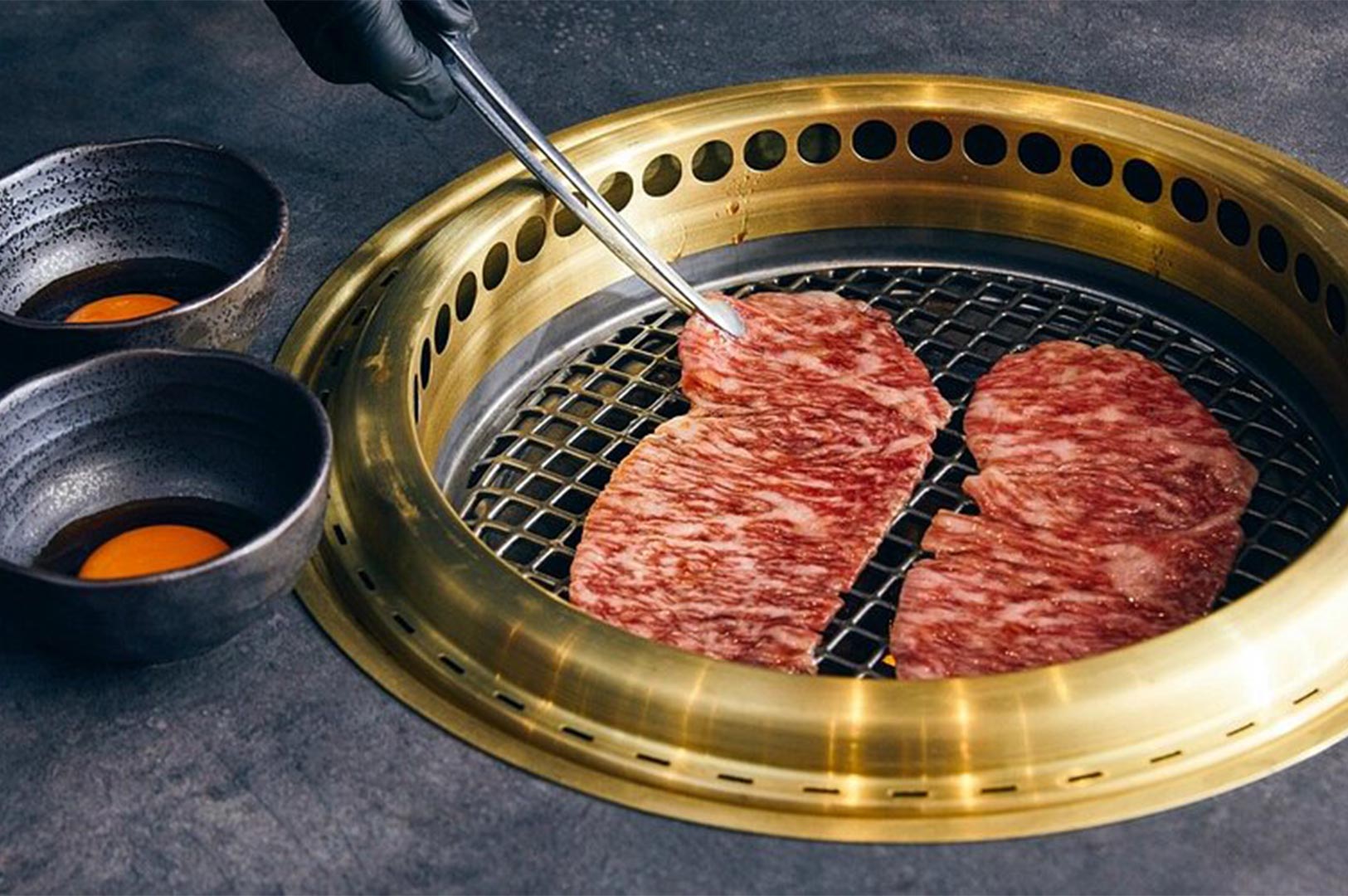
Entering a yakiniku sanctuary marks the beginning of a contemplative culinary journey steeped in Japanese tradition. Upon crossing the threshold, you are received and guided to a table where craftsmanship meets modern refinement—a built-in grill awaits, inviting you to partake in this ritual of flame and sustenance. The carefully curated selection unfolds before you: heritage wagyu beef bearing whispers of mountain pastures, succulent pork belly marbled with generations of refinement, tender poultry, and oceanic treasures drawn from pristine waters, accompanied by seasonal vegetables and wild mushrooms that speak of earth’s generosity.
The ordering ritual unfolds with simplicity, yet beneath lies thoughtfulness. Diners engage in selecting premium cuts, seasonal produce, and ocean’s bounty from menus honoring tradition and seasonality, while servers present each offering with reverence—beautifully arranged compositions ready for your interpretation through fire. Many establishments, including renowned spots like Kai Yakitori and Fukuda Yakitori, embrace abundance through curated buffet experiences, allowing souls to wander through diverse flavors at the leisurely pace that true appreciation demands.
At your table, implements of this craft await: precision tongs and carved chopsticks, extensions of your intention and artistry. A symphony of accompaniments graces the setting—garlic-infused soy elixirs, contemplative miso preparations touched with gentle heat, and bright citrus essences honoring the natural character of each grilled morsel. This interactive communion with fire and flavor places you in the role of artist and appreciator, savoring each creation while still warm from the flames, crafting each bite according to your desire. Whether an initiate or seasoned practitioner, the experience remains engaging—a sanctuary where nourishment transcends sustenance to become a moment of presence and indulgence.
Perfect Sides and Rice Pairings
Thoughtful sides transform yakiniku from grilled meat into complete culinary experiences balancing flavors, textures, and nutrition.
High-quality Japanese short-grain rice forms the foundation, offering neutral starch absorbing flavors and satisfying substance. Premium restaurants source rice complementing beef. Sticky texture pairs perfectly with savory juices and tare sauce, creating harmonious bites.
Traditional pickled vegetables (tsukemono) provide acidity cutting through rich marbling and refreshing the palate. Options like pickled daikon and cucumber offer crisp textures contrasting tender meat. Fermentation adds probiotics and bright flavors preventing palate fatigue.
Kimchi reflects yakiniku’s Korean heritage, providing spicy, tangy contrast complementing fatty cuts. Fermented cabbage offers probiotics aiding digestion while chili heat stimulates appetite and cuts richness. Quality kimchi shows complex flavors beyond simple spiciness.
Fresh salad components like lettuce, perilla leaves, or mixed greens serve dual purposes—wrapping grilled meat for texture variety and providing cooling contrast to hot, rich foods. Many enjoy creating wraps with lettuce, meat, rice, and condiments for varied eating.
Grilled vegetables expand yakiniku beyond meat using the same cooking techniques. Shiitake mushrooms develop umami depth when grilled, while eggplant, bell peppers, and onions offer sweet, smoky flavors complementing beef. These vegetables provide nutrition and fiber aiding digestion of rich meats.
Soup service, especially miso soup or clear broths, provides warming contrast and digestive benefits. Traditionally served toward meal’s end to aid digestion and conclude dining. Light broths complement rather than compete with meat.
Bean sprout salads (moyashi) offer refreshing crunch and clean flavors cleansing the palate and providing nutrition. Mild flavor doesn’t compete with meat, while fresh texture contrasts rich foods.
Seasonal vegetables highlight local produce and variety throughout the year. Spring asparagus, summer corn, autumn sweet potato, and winter negi (leek) keep yakiniku fresh and interesting while supporting local agriculture.
Balance is key—aim for variety in temperature, texture, and flavor enhancing rather than overwhelming meat. Too many strong sides compete with main attractions; too few lead to palate fatigue reducing enjoyment.
Beverage Pairings for Yakiniku Excellence
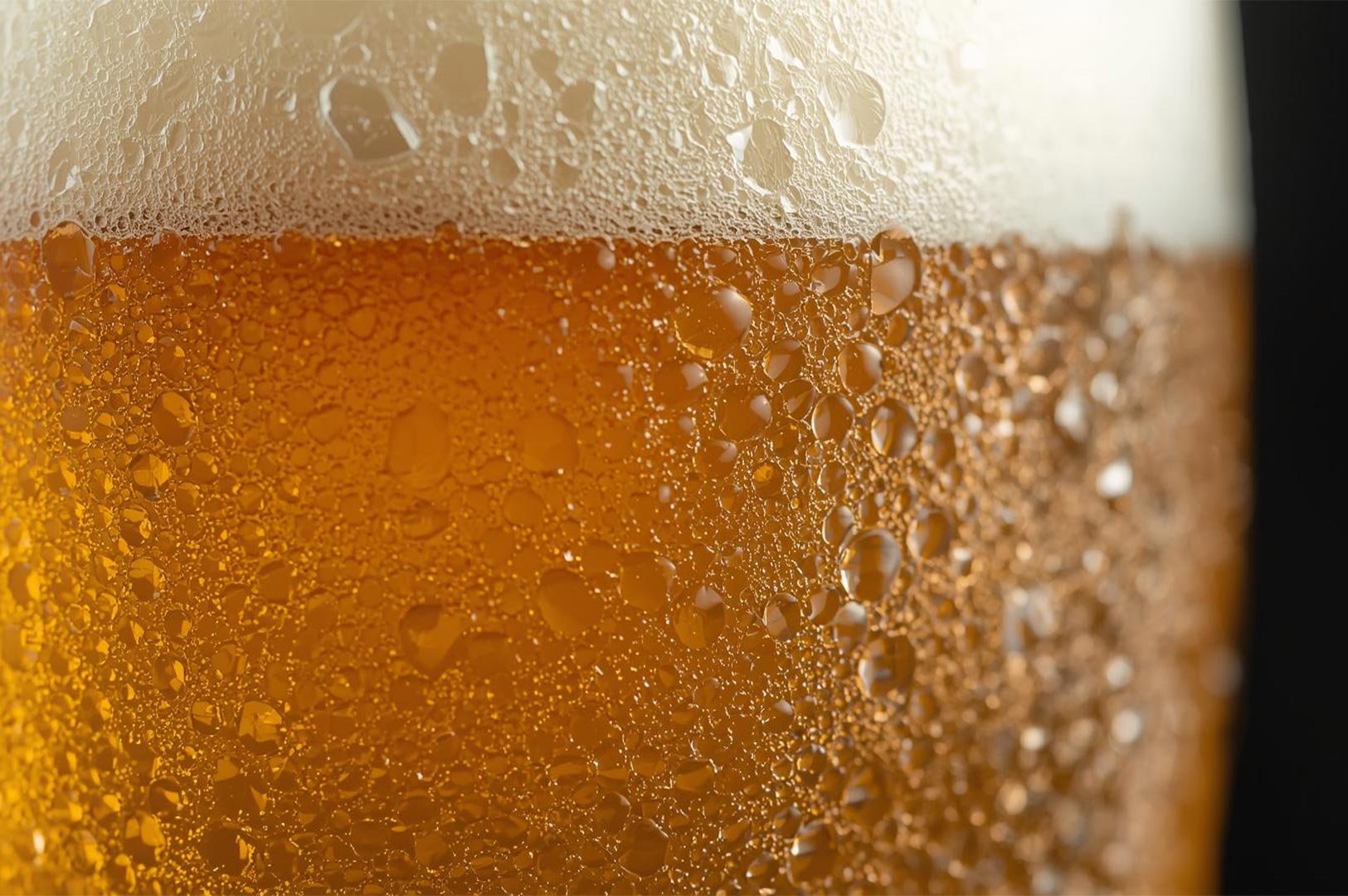
Right beverages elevate yakiniku by cleansing palate, cutting rich fats, and enhancing dining.
Beer is classic pairing; crisp lagers like Asahi, Kirin, and Sapporo refresh and cut fat. Carbonation and bitterness cleanse palate while clean finish avoids competing with delicate wagyu flavors. Japanese beer’s light character complements yakiniku better than heavier international styles.
Highball cocktails—whiskey with soda water—are popular for cutting rich foods while maintaining sophistication. Effervescence cleanses palate; whiskey adds depth without overpowering. Premium Japanese whiskeys like Suntory or Nikka with precise ratios balance warmth and carbonation.
Sake pairing requires understanding rice wine and beef flavor interplay. Light, dry sake like junmai or junmai ginjo complements yakiniku without competing. Avoid overly floral or sweet sake clashing with savory meat. Premium restaurants offer curated sake selections highlighting regional and seasonal varieties.
Tea service provides excellent non-alcoholic options aiding digestion and cleansing palate. Oolong tea balances body and cleansing, preventing palate fatigue. Roasted hojicha offers nutty, smoky flavors echoing grilling and warming comfort.
Green tea suits earlier meal stages with lighter flavors; stronger teas like oolong fit richer cuts. Avoid heavy caffeine late to prevent sleep disruption.
Non-alcoholic ramune (Japanese soda) offers refreshing carbonation and subtle sweetness appealing to younger diners or those avoiding alcohol. Calpico provides creamy, tangy refreshment pairing well with grilled meat, adding calcium and probiotics.
Plan beverage progression: start with light beer or sake, move to substantial highballs, conclude with tea for digestion and satisfaction. This mirrors meat progression from light to rich, supporting flavor appreciation.
Water remains essential for hydration, digestion, and preventing palate fatigue. Quality restaurants provide excellent water recognizing its importance.
Popular Yakiniku Dishes and Signature Recipes
Yakiniku sanctuaries curate an artisanal symphony of flavors, meticulously selecting premium wagyu, short plate, beef tongue, and pork belly that embody the profound heritage of Japanese yakiniku grilling traditions. This dining experience harmoniously combines tender, marbled cuts with the ocean’s bounty of squid and shrimp, all accompanied by seasonal vegetables and signature sauces like sesame oil and garlic, enhancing rather than masking natural flavors. The ritual of shared discovery invites diners to savor a wide array of meats and seafood cooked to perfection on electric grills or charcoal, embodying the ultimate indulgence of Japanese BBQ. Each element, from carefully prepared cuts to thoughtfully refined condiments, reflects craftsmanship and reverence central to the dining experience at yakiniku restaurants, offering a pocket-friendly feast of juicy, flavorful dishes that celebrate the art of grilling in Singapore’s vibrant food scene.
Health Benefits and Nutrition of Yakiniku
Yakiniku transcends mere sustenance, offering a contemplative dining experience harmonizing artisanal preparation of meticulously sourced wagyu beef, heritage chicken, and carefully curated vegetables like tender cabbage and earthy mushrooms, rich in vitamins, minerals, and fiber. Traditional yakiniku establishments complement this with wholesome sides such as miso soup and artisanal brown rice, providing probiotics and sustained energy. Mindful selection of sauces and condiments—favoring lighter options to avoid excessive salt and sweetness—preserves the integrity of this culinary meditation. Through conscious combination of premium cuts, pristine vegetables, and nourishing accompaniments, diners enjoy a profound and interactive ritual celebrating both ultimate indulgence in taste and nourishment of the body’s temple.
Yakiniku Etiquette and Safety Essentials
Proper yakiniku etiquette blends food safety, social respect, and cultural appreciation for an enjoyable dining experience. Key rules include using separate tongs for raw and cooked meat and avoiding cross-contamination by keeping raw juices away from ready-to-eat items like vegetables and rice. Wash hands after handling raw meat or adjusting the grill.
Rest grilled meat 30-60 seconds to let juices redistribute and cool for safe, flavorful eating. Follow doneness cues: well-marbled wagyu shows caramelization with warm pink centers; leaner cuts require more cooking. When unsure, err on the side of caution to ensure safety and juiciness. Designate one or two grill operators to prevent overcrowding and maintain quality. Grill small amounts frequently, serve others first, and respect preferred doneness.
Ensure fire safety by keeping flammables away and leaving gas or charcoal adjustments to staff. Maintain grill cleanliness during meals to avoid off-flavors and ensure even heat. Socially, engage in conversation, share cuts, and keep volume moderate. Respect restaurant timing and service, especially noting last order times on mon fri; always verify details with the store when booking.
Conclusion: Mastering the Art of Yakiniku
Mastering yakiniku means embracing a cultural tradition celebrating quality ingredients, careful preparation, and shared dining joy. From wagyu grading to grilling technique, each element creates memorable meals honoring Japanese craftsmanship and exceptional food.
The journey from novice to expert requires practice, patience, and appreciation for subtle details separating good from great. Start with quality ingredients, respect tradition, and focus on experiences bringing people together over outstanding food. Ultimately, yakiniku is about connections—with food, culture, and people sharing your table. Each meal celebrates quality, craftsmanship, and community nourishing body and spirit. Experience the irresistible flavors and unforgettable moments that make yakiniku a true celebration—only at bestyakitori.com.sg, where every bite ignites your passion for Japanese BBQ!