
Walking into a yakitori shop usually means preparing for smoke, loud chatter, and a chaotic energy. I found none of that at Kemuri. Instead, I discovered a highly controlled, quiet space that treats charcoal grilling with surgical precision. This is a modern yakitori-led kappo counter, helmed by expert chefs who honor the traditions of Japanese cuisine. It is not purely a casual skewer joint, but a refined dining room deeply rooted in yakitori technique and tradition.
If you want a rowdy izakaya experience, this restaurant is not for you. If you want to understand how a simple chicken thigh transforms under masterful heat control and how yakitori can be elevated to an art form, Kemuri deserves your attention. Here is my breakdown of what makes this space one of the most interesting yakitori-focused dining rooms in Singapore today.
The Concept: How Kemuri Redefines Yakitori
Kemuri sits in a unique category within Singapore’s vibrant food scene. It originally launched as a yakitori-focused omakase counter but has evolved over time, particularly moving into 2025, into a kappo-style Japanese restaurant. Despite this transformation, yakitori remains at its core. The restaurant bridges a gap in the market by taking the humble roots of yakitori, charcoal-grilled chicken skewers and elevating them using premium seasonal ingredients imported fresh from Japan.
You are not just eating chicken on a stick; you are experiencing a carefully sequenced tasting menu centered around yakitori mastery. The food served here prioritizes clean, smoky flavors achieved through expert charcoal grilling over heavy sauces or glazes. It is a place that shows what yakitori becomes when it outgrows its original category and is treated with the respect and precision of fine dining.
Finding Kemuri in Cuppage Plaza
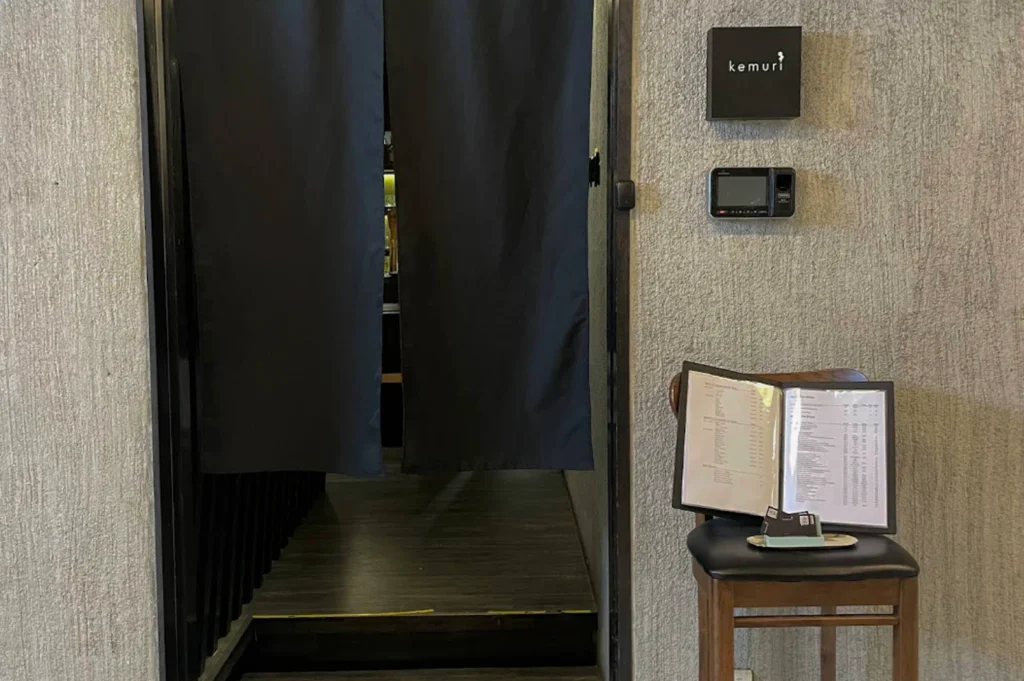
Kemuri is located at 5 Koek Road, hidden on the fourth floor (#04-02) of Cuppage Plaza, a well-known enclave for authentic Japanese cuisine in Singapore. This older building is favored by locals and expatriates alike who seek out serious dining experiences away from the bustle of Orchard Road.
You will not find flashy signboards pointing the way. Cuppage Plaza requires you to know exactly where you are going. Taking the short walk from Somerset MRT, I navigated the tight corridors of the building. This hidden nature fits perfectly with the restaurant’s understated identity. It feels like a secret dining club reserved for those who actively seek out serious yakitori and Japanese culinary craftsmanship.
The Space: Counter Seats and a Refined Atmosphere at Kemuri
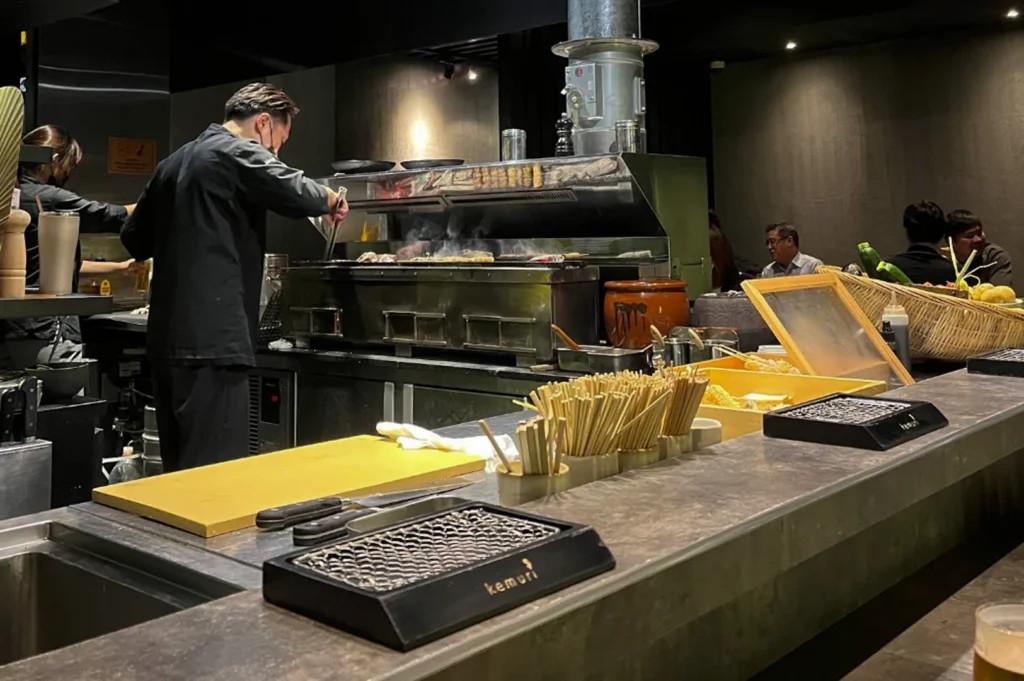
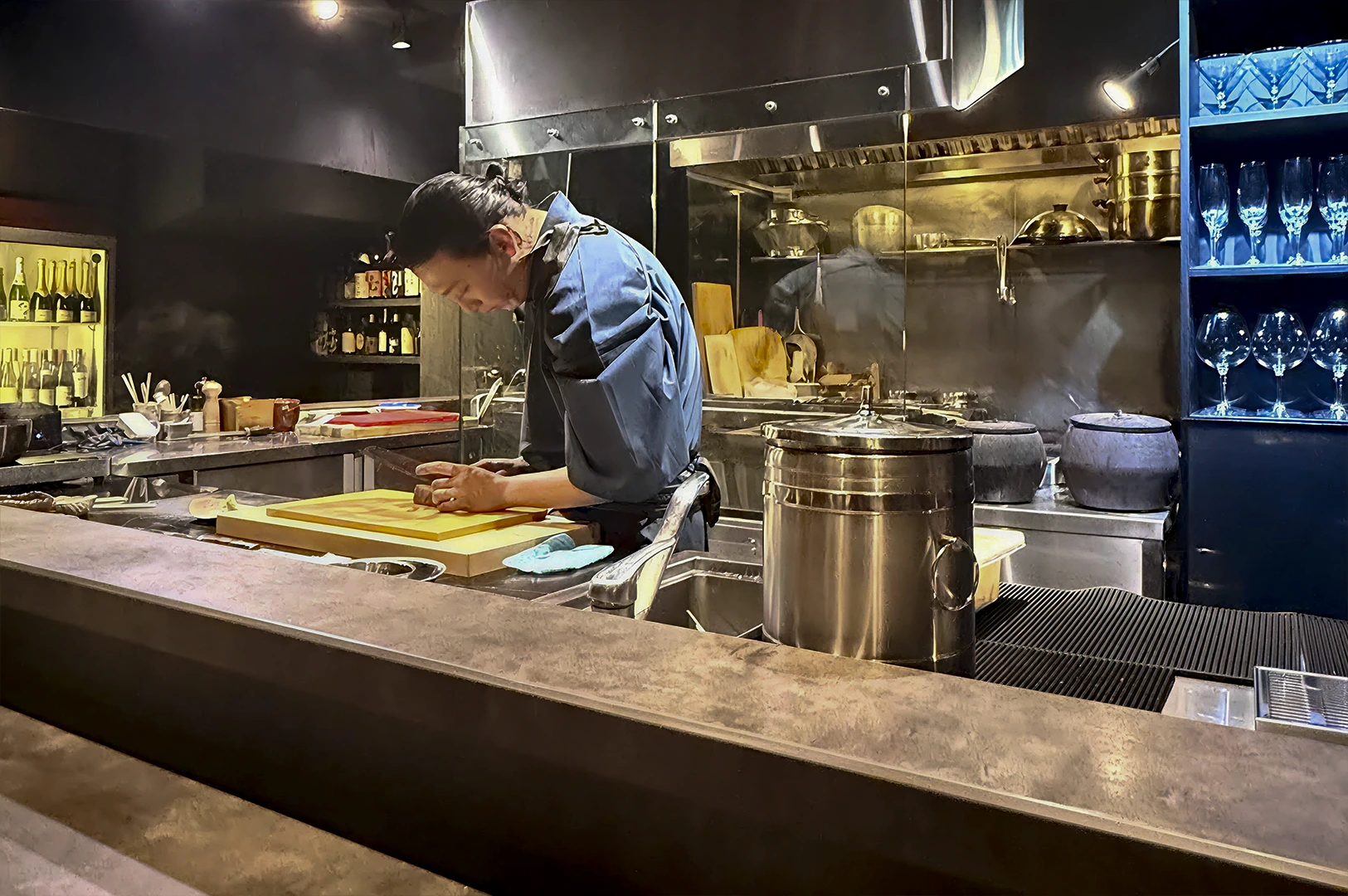
The physical space defines the entire meal. Kemuri offers an intimate setting with only 11 counter seats and two private tables, designed to create a close interaction between diners and chefs. I highly recommend securing a seat directly at the counter. This provides a front-row view of the grill, which operates as the central stage of the dining room and where the yakitori magic happens.
The atmosphere is calm, refined, and almost zen-like. Soft jazz plays in the background, complementing the focused energy of the grill. The ventilation is exceptional, meaning you will not leave smelling like a campfire. The service is attentive but unobtrusive, allowing guests to focus entirely on the yakitori skewers and accompanying dishes. It is a deliberate, quiet environment designed for mindful appreciation of yakitori craftsmanship.
The Chefs Helming Kemuri
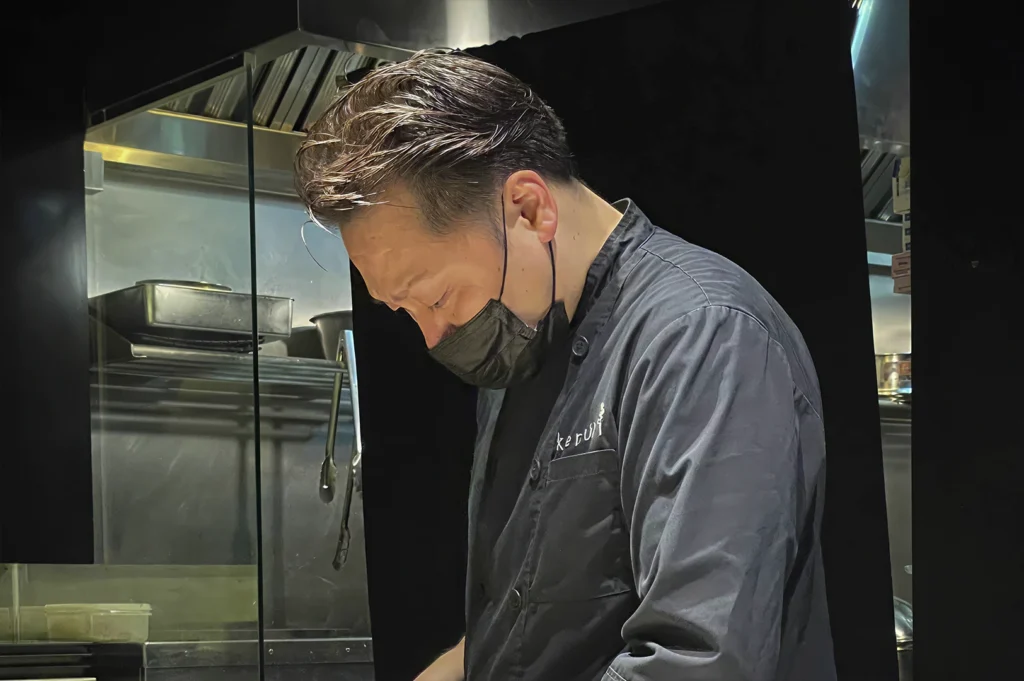
The kitchen’s evolution makes sense when you look at the culinary talent behind it. In its earlier phase, the restaurant was guided by yakitori master Chef Michio Murakami. His background included extensive experience at a Tokyo establishment recognized by the Michelin Guide Singapore standards of quality, bringing strict yakitori grilling fundamentals to the menu.
Moving into its current phase, the kitchen is helmed by Chef Yuki Saito, who was previously Sous Chef at the Michelin-starred Kaiseki Komuro in Tokyo. This transition explains the shift from a pure yakitori format to a more complex kappo approach, but yakitori remains the heart of the culinary experience. The charcoal grilling technique remains rooted in tradition, but the execution now carries kaiseki-level precision.
Decoding the Menu: What Kemuri Offers
The menu structure depends on when you visit, but the core identity remains yakitori-focused. Previously, diners enjoyed an “until you say stop” continuous serving of skewers. Today, the menu is a more structured kappo-style progression featuring premium chicken cuts and seasonal seafood, all expertly prepared with yakitori grilling techniques.
During my meal, I experienced several benchmark yakitori dishes that highlighted the kitchen’s capability:
- Tsukune (Chicken Meatball): This is the ultimate test of any yakitori kitchen. The version here is incredibly juicy, holding its shape perfectly while delivering a deep, savory profile.
- Chicken Heart and Neck: These cuts demonstrate texture. The heart is springy and metallic in a pleasant way, while the neck provides a fatty, chewy resistance that absorbs the charcoal smoke beautifully.
- Slow-Cooked Chicken Thigh: A masterclass in heat management, rendering the skin crisp while keeping the meat flawlessly tender.
- Seafood and Seasonal Plates: While yakitori is the focus, Kemuri also offers seasonal seafood like charcoal-grilled whole Kinki fish and fresh sashimi sourced directly from Japan, complementing the yakitori experience.
- Claypot Rice: The meal traditionally concludes with a comforting, carbohydrate-heavy dish, absorbing the accumulated smoky flavors of the evening.
Every dish I tasted was deliberate. The pacing was flawless, ensuring that no plate sat waiting on the counter, allowing each yakitori skewer to shine.
Cooking Technique: Why Charcoal Matters at Kemuri
You cannot review this restaurant without discussing the heat source. While the restaurant does not always explicitly advertise it, the kitchen utilizes high-grade charcoal, operating at the level of traditional binchotan.
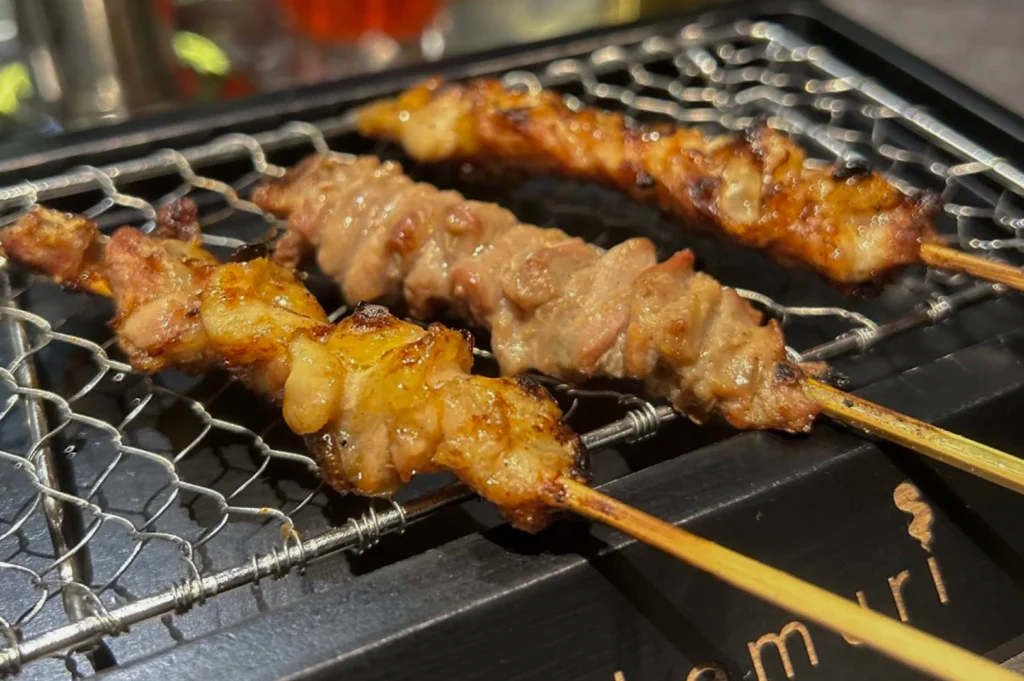
This specific type of charcoal is crucial for authentic yakitori. It produces an incredibly high, stable heat that burns completely clean. There is no harsh, acrid smoke to mask the natural taste of the chicken. Instead, the dripping fats hit the hot coals and vaporize, sending a clean, savory smoke back up to flavor the meat. Watching the chefs adjust the skewers by mere millimeters over the coals reveals just how much skill goes into this seemingly simple cooking method.
The Beverage Program: Enhancing the Yakitori Experience at Kemuri
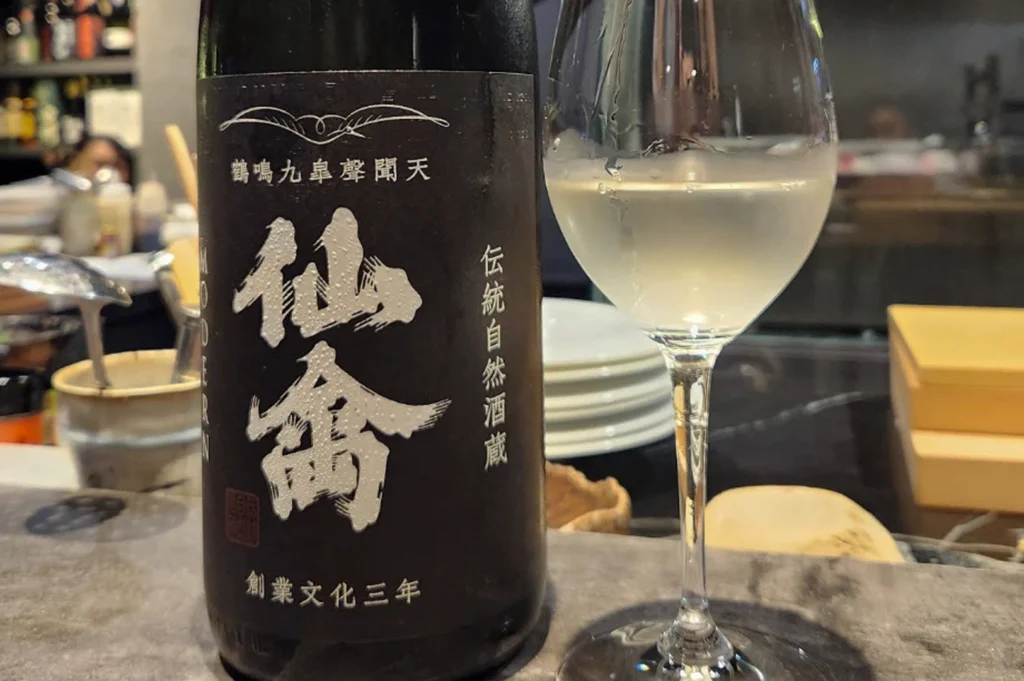
A meal here is incomplete without exploring the beverage menu. Kemuri maintains a strong drinks program featuring over 50 types of sake, alongside premium shochu and Japanese whisky.
Interestingly, the restaurant also supports wine pairings. I found that a light-bodied red wine cut through the richness of the chicken tail and tsukune perfectly. Drinking is treated as an integral part of the yakitori dining experience here, carefully curated to elevate the food rather than just wash it down.
Planning Your Meal: Reservation, Booking, and Pricing at Kemuri
Because of the limited seating and the restaurant’s refined approach, securing a reservation requires planning. I strongly advise making a booking well in advance, especially for weekend dinners. You can usually contact the restaurant directly via their official channels or booking platforms. Note that some exclusive seatings or private events might be restricted to regular members or VIP guests, but standard counter seats are generally accessible with enough notice.
The pricing reflects the premium nature of the ingredients and the high skill level of the chefs. The standard yakitori-leaning omakase starts around $99++. À la carte options are sometimes available, with premium skewers and small plates ranging from $10 to over $40.
This is mid-to-high-end dining in Singapore. You are paying for the intimacy, the sourcing, and the exceptional yakitori technique.
Conclusion: A Note on the Kemuri Yakitori Experience
Kemuri is not the loud side of Japanese grilling; it is the thoughtful one. By combining the primal appeal of charcoal with the refined sequencing of a kappo meal, it offers something distinct in the crowded Singapore dining scene.
If you appreciate culinary restraint, exact temperature control, and a quiet environment centered around yakitori mastery, this restaurant delivers on all fronts. Make a reservation, request a seat at the counter seats, and let the chefs guide you through their interpretation of modern yakitori grilling.
For those exploring yakitori in Singapore, you might also find this guide to the best yakitori spots near Somerset MRT helpful for discovering more exceptional yakitori dining experiences.