
Hunting for the Japanese BBQ in Singapore can feel like a mission with endless choices. But “best” isn’t a single restaurant; it’s an experience that matches your preferences for the night. The right choice depends on the extensive range of meat cuts on offer, the type of grill used, the quality of ventilation, and even the rhythm of the service. This guide is a field-tested checklist to help you move beyond venue lists and make a smarter booking for a stellar yakiniku meal tonight, without the guesswork. For a deeper dive into the fundamentals of Japanese BBQ, you can explore Master the Art of Yakiniku.
Introduction to Japanese Yakiniku and Premium Wagyu Beef
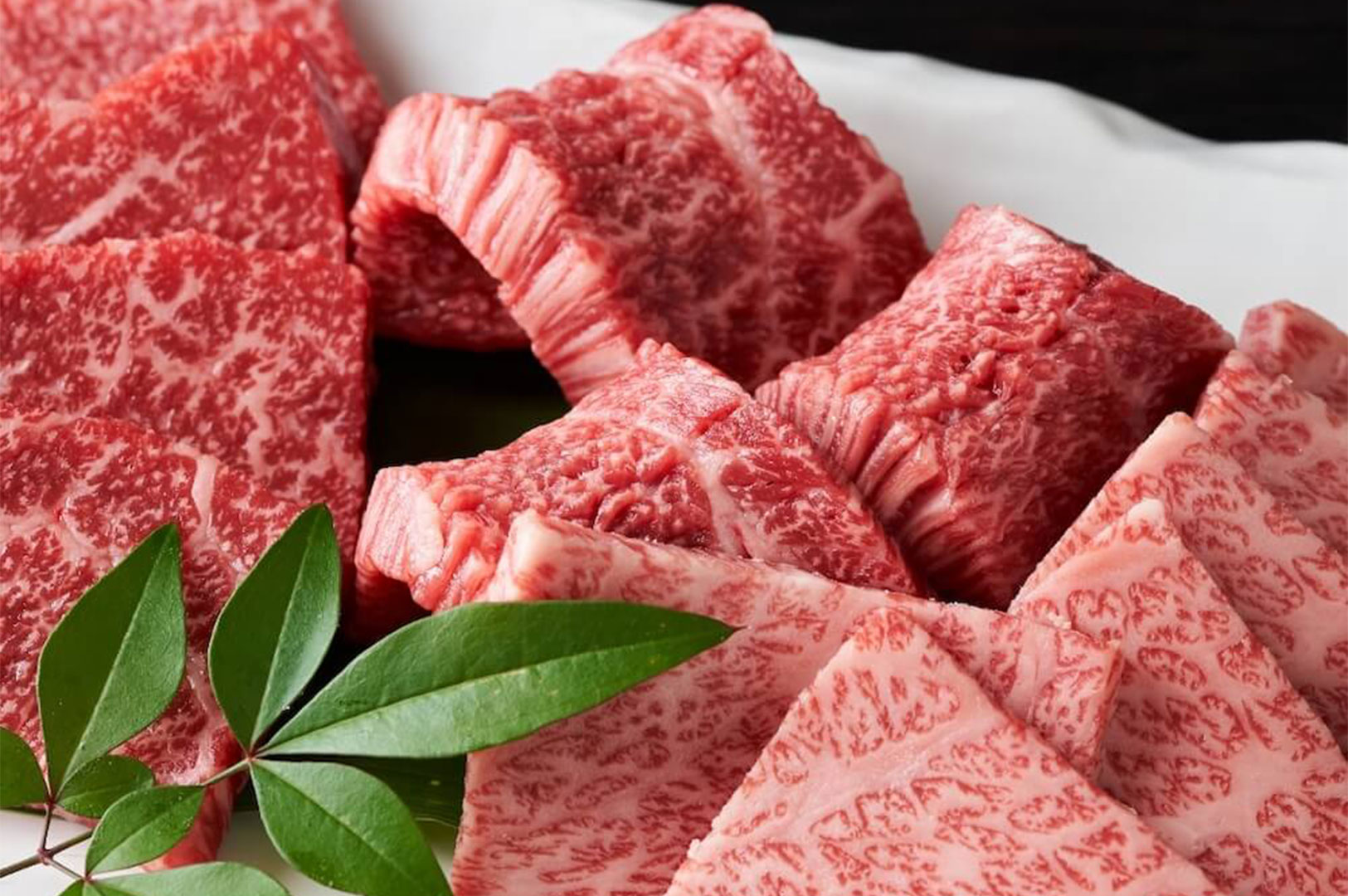
Japanese yakiniku—literally “grilled meat“—represents a contemplative culinary heritage that has found its sanctuary within Singapore’s refined dining landscape. Rooted in centuries-old Japanese tradition, this artisanal practice centers upon the mindful preparation of meticulously sourced, bite-sized portions of premium wagyu beef—most reverently, the marbled perfection of Japanese wagyu—over carefully tended flames that whisper ancient stories of craftsmanship. Singapore’s yakiniku restaurants serve as serene temples to this tradition, offering both intimate moments of quiet indulgence and lavish ceremonial feasts that honor the art of Japanese grilling. Their curated menus present an exquisite symphony of carefully selected cuts, from the contemplative richness of heavily marbled wagyu to the refined subtlety of leaner selections, each piece chosen to awaken different dimensions of the palate’s understanding. Beyond the central ritual of grilled perfection, these sanctuaries offer harmonious accompaniments—the comforting embrace of beef curry rice, the refreshing clarity of cold noodle preparations, and the nourishing warmth of miso soup—elements that complete the authentic yakiniku experience. Whether you arrive as a devoted practitioner or approach with curious reverence for the first time, Singapore’s yakiniku landscape invites you into a profound exploration of Japanese culinary philosophy, where each flame-kissed morsel becomes a gateway to deeper appreciation, nestled within the cosmopolitan heart of the city.
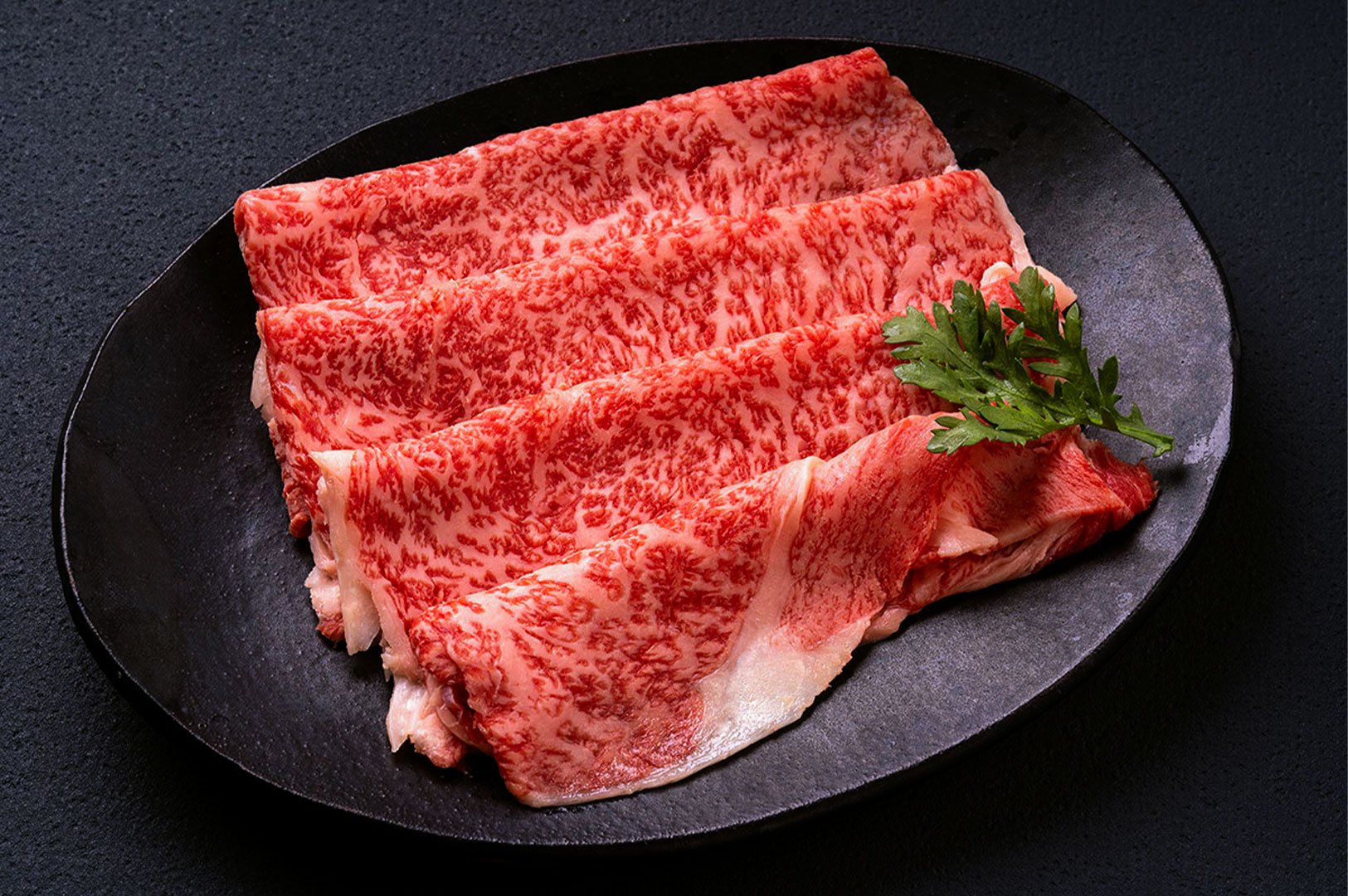
A menu tells you more than just what’s for sale; it reveals a restaurant’s philosophy. To find the best yakiniku in Singapore, look for signs of quality and intention before you even order. A well-curated menu is a strong indicator of a great meal to come.
- Look for Program Depth: A strong menu features more than just short rib and sirloin. The presence of key cuts like beef tongue, ox tongue, pork belly, tongue (gyutan), inside skirt (harami), ribeye cap (kainomi), and at least one offal option (like heart or intestine) shows a commitment to a complete yakiniku experience. You’ll often find a variety of various cuts available, including popular cuts favored by regulars and more exquisite cuts curated for discerning diners. A good yakiniku menu often offers both set and la carte options, allowing diners to customize their experience.
- Notice the Slicing Specificity: Does the menu specify different thicknesses, such as thin-sliced tongue versus thick-cut prime tongue? This detail signals technical intent and an understanding that different cuts require different preparations to shine.
- Assess the Set Menus: A thoughtful yakiniku set does more than just offer value; it tells a story. Look for sets that progress from lean to rich cuts. This curated approach shows the chef is thinking about your palate and pacing the meal for maximum enjoyment, preventing flavor fatigue. Some restaurants offer set menus at reasonable prices, making premium yakiniku experiences more accessible.
Types of Yakiniku Meat: Wagyu Beef, Beef Tongue, and More
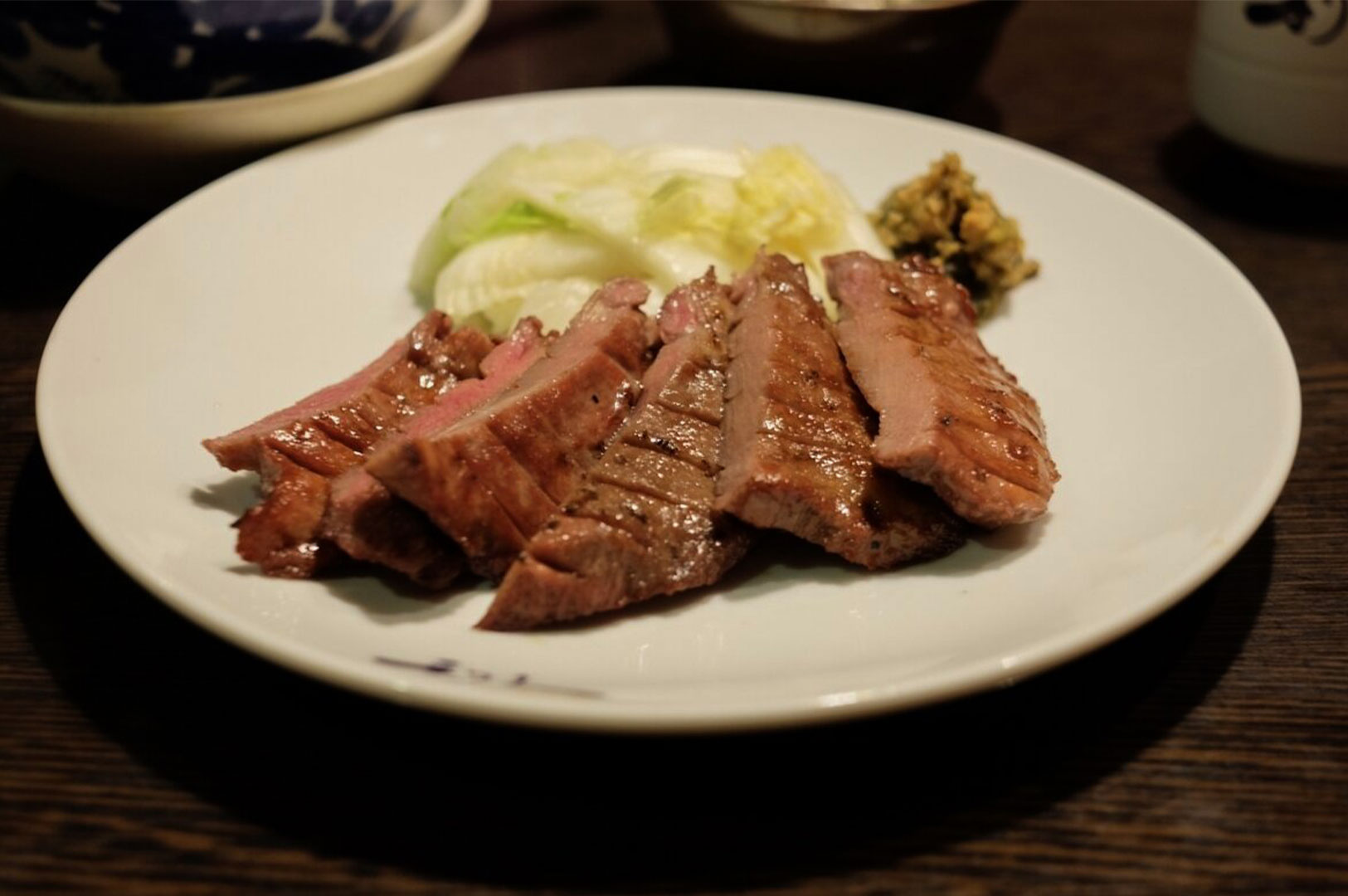
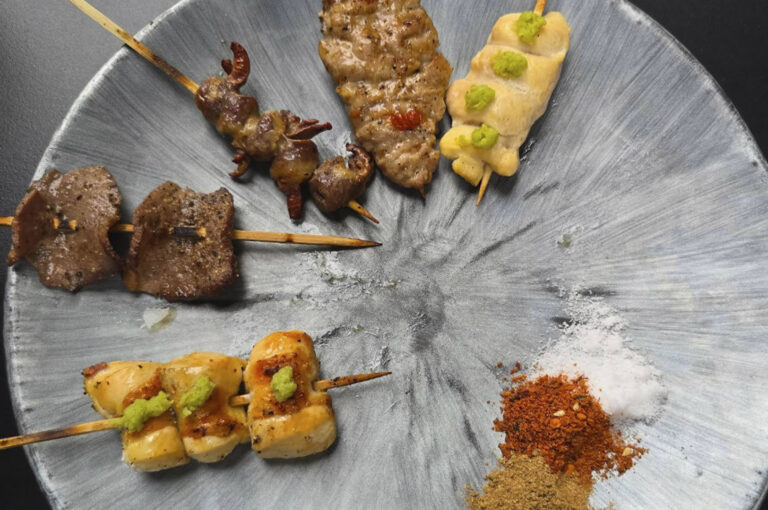
Within the contemplative sanctuary of yakiniku establishments lies a curated symphony of artisanal cuts, each reflecting generations of culinary heritage and craftsmanship. The crown jewel is the revered wagyu beef, whose exquisite marbling creates visual poetry—a testament to patient cultivation yielding transcendent tenderness that dissolves on the palate. This refinement extends to the nuanced beef tongue and ox tongue, with distinctive textures and flavors enhanced by citrus brightness or the earthy depth of fermented miso and garlic miso. Pork belly offers rich succulence, harmoniously paired with tangy accompaniments or the briny complexity of mentaiko sauce. Connoisseurs may explore lamb’s distinctive character or the ocean’s bounty through select seafood like shrimp and scallops, providing a meditative departure from convention.
Ventilation and Grill Systems: Comfort vs. Flavor at Japanese BBQ Restaurants
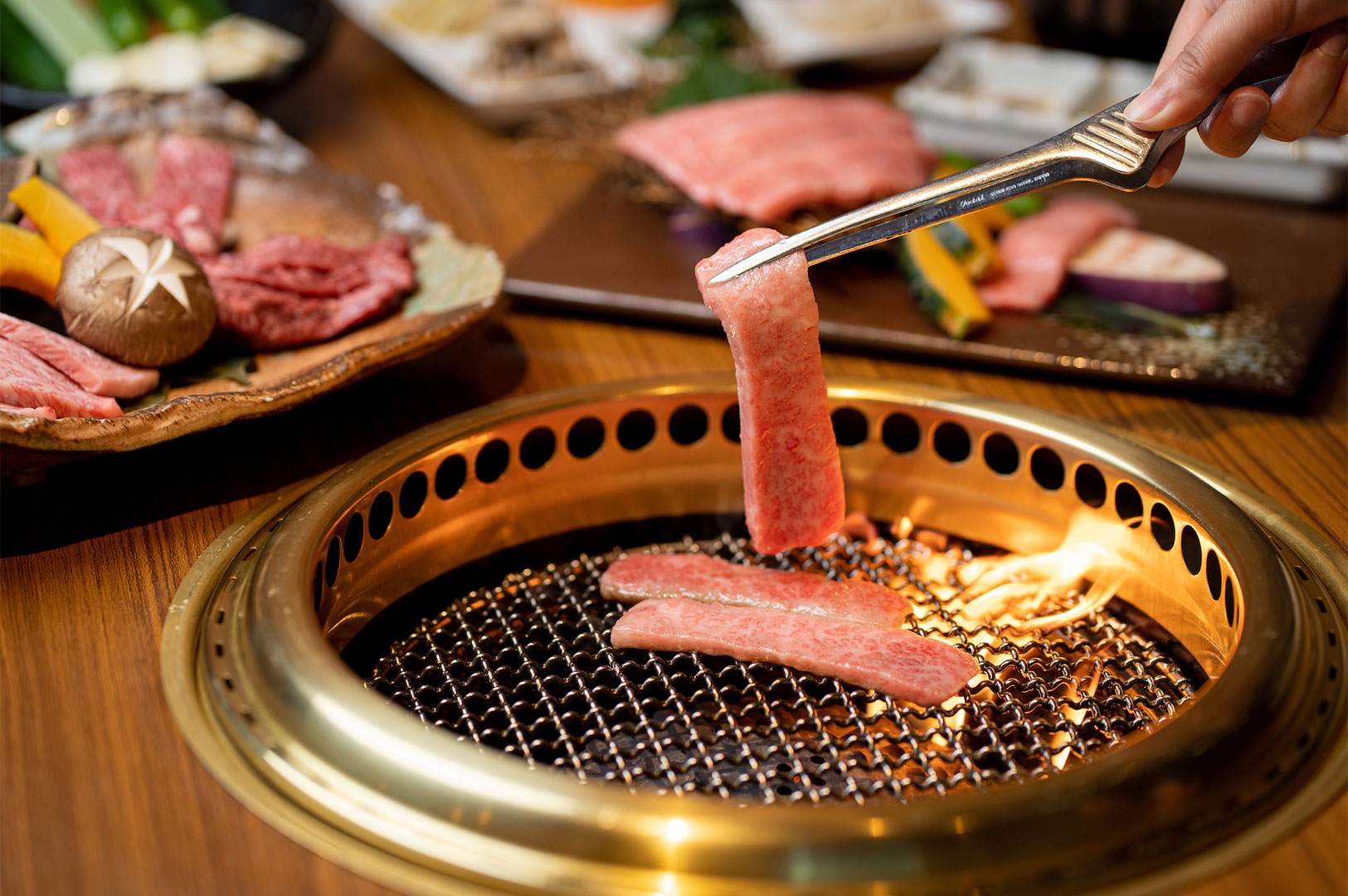
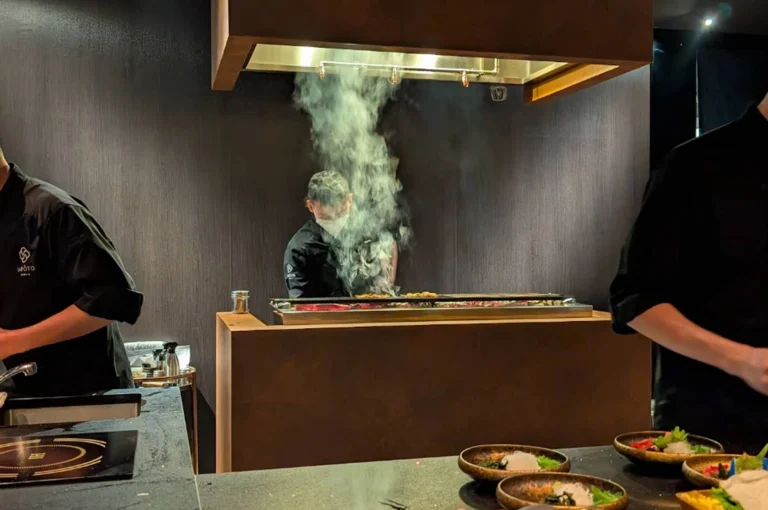
The grill system is the heart of any Japanese BBQ joint. Your choice between charcoal and gas, along with the ventilation quality, will define both the flavour of your meal and your comfort level.
- Smokeless Downdraft Grills:
- What it is: These are modern systems, often gas-powered, with vents built into the table that pull smoke down and away from you.
- Why choose it: This is the best option for comfort, conversation, and leaving without your clothes smelling of smoke. The consistent heat is also great for beginners. Excellent yakiniku ventilation is a hallmark of many premium spots, including well-known restaurants such as Wa En Wagyu Yakiniku at Jewel Changi Airport.
- Binchotan or Charcoal Grills:
- What it is: The traditional method, using high-quality Japanese charcoal (binchotan) that burns cleanly and provides intense, radiant heat.
- Why choose it: Charcoal imparts a subtle, irreplaceable smoky aroma that enhances the flavour of the grilled meat. Binchotan grilling brings out the rich flavour and tender texture of premium cuts, especially Japanese wagyu and Hokkaido beef. The trade-off is more ambient smoke and heat. A top-tier charcoal spot will change the grill mesh frequently to prevent a bitter taste.
- Grill Surface: Mesh vs. Plate:
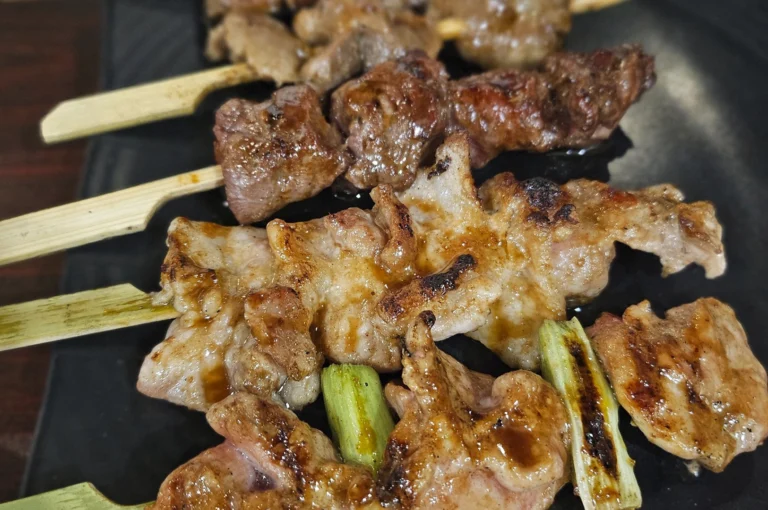
- Mesh Grate: Allows flames to kiss the meat, creating a beautiful char. It’s ideal for fatty cuts where drippings can create flavourful smoke. This method enhances the flavours and creates a more flavourful crust on the meat cuts.
- Solid Plate or Grate: Provides more uniform browning and is excellent for leaner cuts or marinated items that might stick. This surface is ideal for leaner cuts or marinated items, allowing the natural seasoning and flavours to shine. The best restaurants may offer to swap surfaces mid-meal.
The impact of grilling goes beyond heat—serving style and careful seasoning can highlight the unique qualities of each cut, whether from cow, pork, chicken, or lamb.
Japanese wagyu yakiniku restaurants often use specific grill systems to maximize the tenderness and flavour of their exquisite Japanese wagyu and Hokkaido beef cuts.
Service Cues That Separate “Good” from “Best” Yakiniku Restaurants
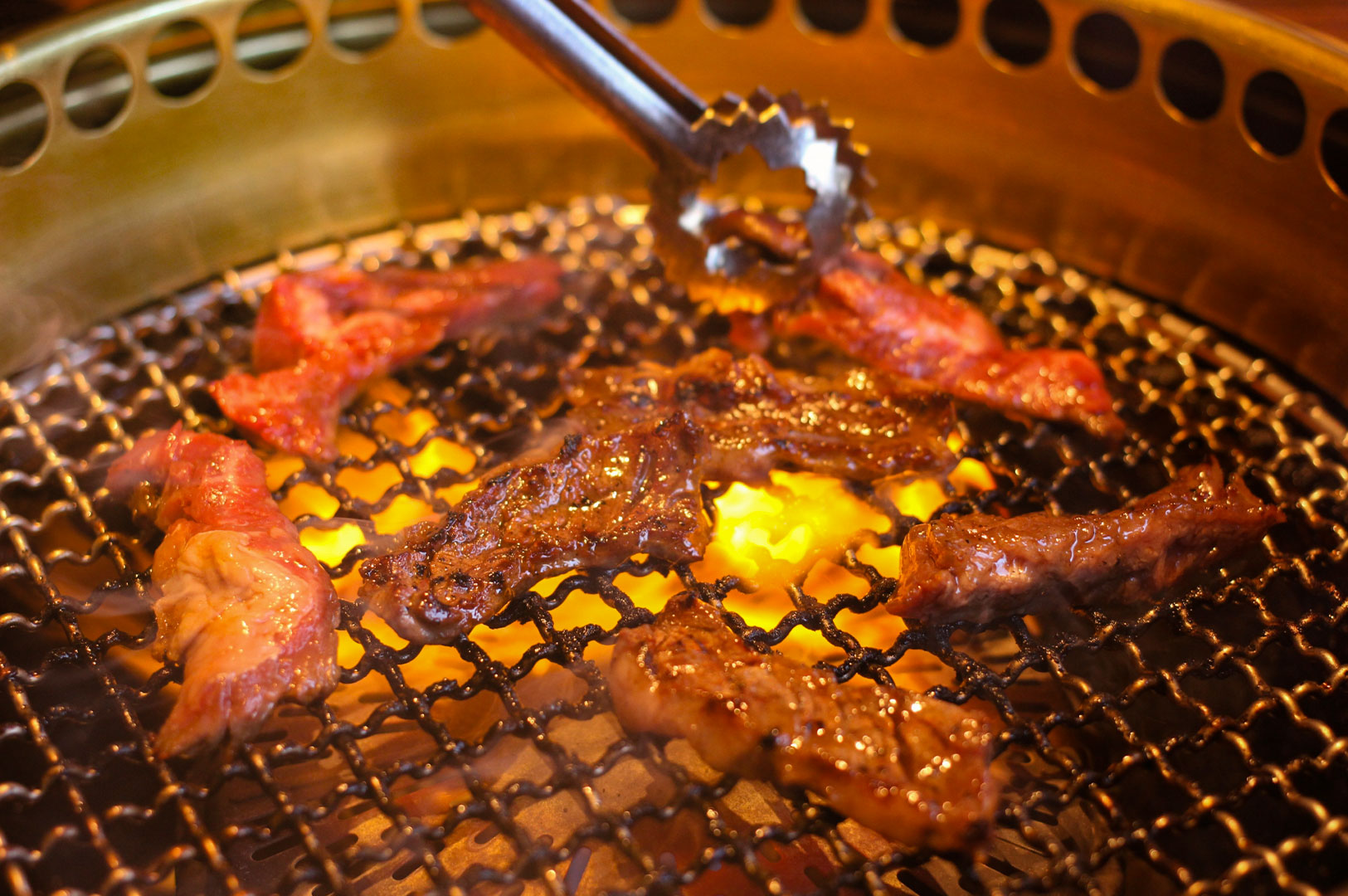
Attentive service transforms a good meal into a great one. At a top-tier Japanese BBQ restaurant, the staff act as coaches, not just order-takers. Look for these signals that you’re in expert hands.
- Proactive Grill Swaps: The staff should offer to change your grill mesh before you have to ask, especially after you’ve cooked marinated meats or a lot of fatty cuts. Attentive serving and timely presentation ensure each dish is served at its best, maintaining a clean surface for a clean taste.
- Helpful Grilling Guidance: Great servers might offer tips like, “This wagyu cut only needs about 20 seconds per side,” or “Keep the intestines to the cooler edge of the grill.” Some restaurants, led by renowned chefs like Chef Tomoo Kimura, offer omakase-style experiences where each cut is expertly served and explained to the diner, showcasing the chef’s expertise and elevating the meal.
- Pacing and Portioning Advice: When you order a highly marbled wagyu cut, a knowledgeable server might suggest ordering a smaller portion to start. The staff can tailor the experience for each diner, ensuring optimal serving sizes and pacing. This demonstrates an understanding of palate fatigue and ensures you don’t get overwhelmed by richness too early in your meal.
Smart Ordering Templates (Venue-Agnostic) for Best Yakiniku and Yakiniku Go
Not sure where to start? Use these balanced, venue-agnostic ordering templates to build a satisfying meal at almost any quality yakiniku restaurant.
- The Balanced Classic:
- Order: Beef tongue, tongue (gyutan), short rib (karubi), inside skirt (harami), sirloin (rosu), plus a side of rice or cold noodles (reimen), and a fresh salad.
- Why it works: This combination provides a perfect tour of textures and flavors, moving from the clean chew of tongue to the rich marbling of short rib. The salad adds a refreshing balance to the richness of the meats.
- The Premium Wagyu Flight (Small-Format):
- Order: Thick-cut tongue (jo-tan), zabuton or ribeye cap (kainomi), a premium A5 sirloin cut, and a side of namul (seasoned vegetables) with oolong tea.
- Why it works: This focuses on a few high-impact, buttery wagyu cuts, using the vegetables and tea to cleanse the palate between each luxurious bite. For a complete experience, finish your meal with a beautifully presented dessert.
- The Offal Explorer:
- Order: Beef tongue (gyutan), heart (hatsu), intestine (horumon), and inside skirt (harami), paired with a highball or chilled tea. Add a hearty bibimbap as a side to complement the variety of meats.
- Why it works: This is a textural adventure, showcasing the diverse and delicious world of offal, balanced by the familiar beefiness of the skirt steak. Bibimbap provides a customizable rice bowl to round out the meal.
- The Sharing Platter:
- Order: A platter featuring a variety of meat cuts such as chicken, beef, pork, and lamb, ideal for group diners looking to sample a wide selection. Pair with sides like salad or rice for a well-rounded feast.
- Why it works: Sharing platters offer variety and value, making them perfect for groups who want to experience multiple flavors and textures together.
Many yakiniku restaurants also offer a selection of desserts to round off the meal, catering to both solo diners and groups seeking a sweet finish to their dining experience.
Book Like a Local: Opening Hours and Smart Booking Tips for Yakiniku Restaurants
Securing the best Japanese BBQ experience in Singapore often comes down to smart booking. A few local tricks can help you get a better seat and a more enjoyable meal.
- Leverage Weeknight Advantages: Restaurants are generally calmer on weekdays. This often means more attentive service, faster grill changes, and a more relaxed pace. Be sure to check the opening hours of popular yakiniku spots, especially those in locations like Pasir Ris or Jewel Changi Airport, to plan your visit accordingly.
- Choose Your Seat Wisely: If you want to learn, ask for a seat at the counter or near the grill station. You’ll get more interaction with the staff and can pick up valuable grilling tips just by observing. Some top-rated restaurants, such as Gyu Kaku, Gyu Bar, Yen Yakiniku, and Wa En Wagyu Yakiniku, are often featured in the Michelin Guide and may require advance booking due to their popularity.
- Have a Day-Of Fallback Plan: If you’re walking in without a reservation or popular set menus are sold out, you can still build a great meal. Yakiniku Go is a convenient option for last-minute plans, with outlets in places like White Sands Mall in Pasir Ris. A simple order of tongue (gyutan) and inside skirt (harami) always delivers a satisfying contrast of clean texture and rich flavor.
Japanese BBQ Culture and the Role of Gyu Bar
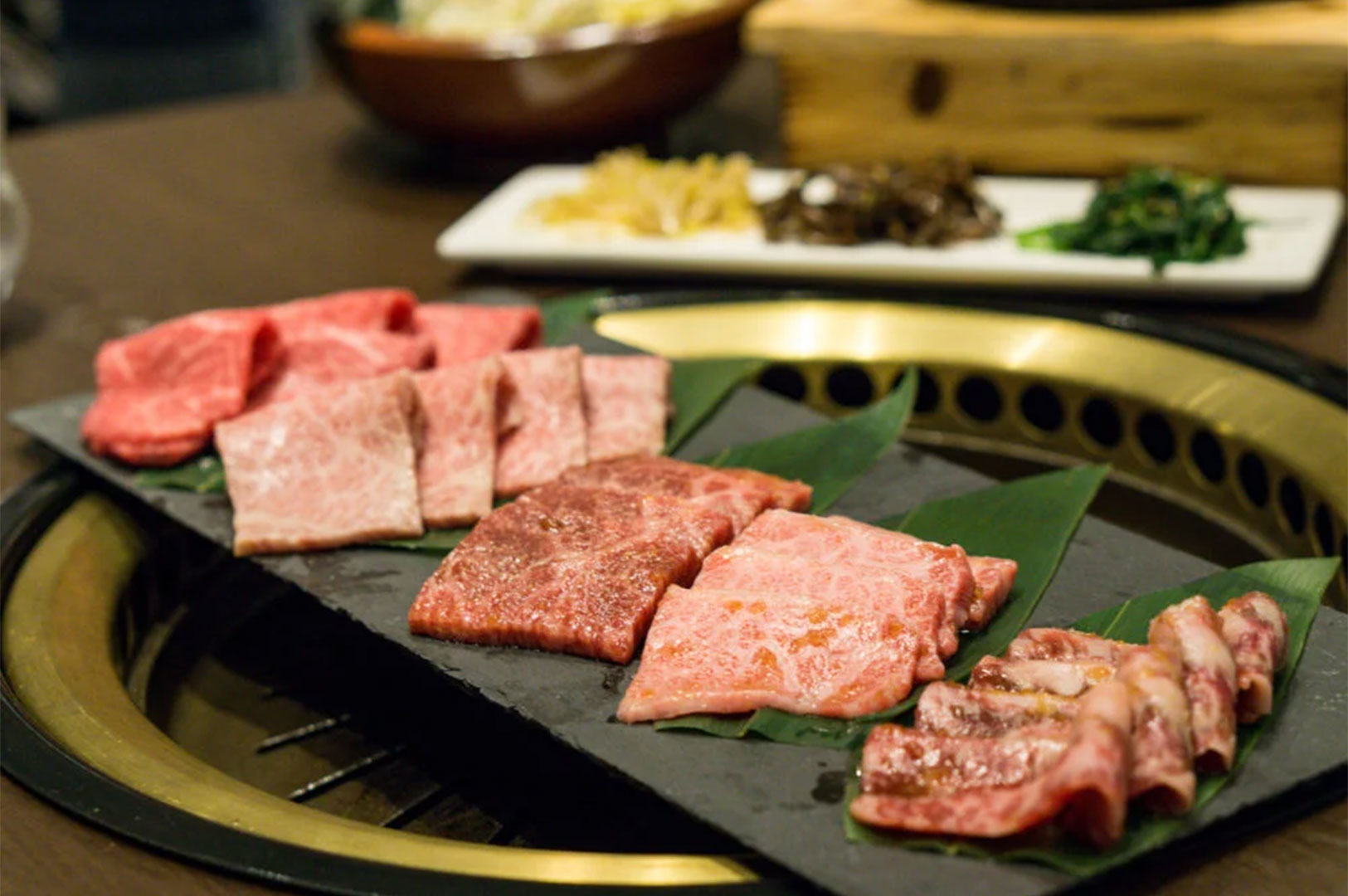
Within the sanctuaried embrace of Japanese BBQ culture lies a contemplative spirit of communion and reverence. Yakiniku establishments serve as sanctuaries for shared ritual—guests gather around artisanal grills, each taking turns in the sacred act of cooking, savoring every carefully tended morsel from the flames. Grilling becomes refined artistry and meditative ceremony, with each participant contributing to this symphony of flavors, finding serenity in the process and consumption. Japanese BBQ transcends sustenance; it orchestrates a contemplative interplay of heritage-rich sauces, the aromatic poetry of sizzling cuts, and the hushed atmosphere of these culinary sanctuaries. Whether gathering kindred spirits, family, or colleagues, yakiniku creates an exclusive yet welcoming space for immersive, sensory-rich communion. This timeless culture invites diners to embrace a contemplative pace, savor each nuanced bite, and honor generations of craftsmanship. Notable establishments like Renga Ya and Gyu Bar exemplify this philosophy, elevating the Japanese BBQ dining experience.
The “Best” 60-Second Checklist for Best Japanese BBQ in Singapore
Before you book or right after you sit down, run through this quick mental checklist. If a restaurant ticks most of these boxes, you’re likely in for a fantastic meal.
- Menu Depth: Does it go beyond the basic cuts? Look for a selection of quality food items, including premium meats and sides.
- Grill Clarity: Do you know if it’s charcoal or a smokeless grill?
- Service Signals: Is the staff engaged and helpful?
- Palate Resets: Are there good sides and drinks to cleanse the palate?
- Sourcing Transparency: Does the menu mention the origin of its wagyu, and specify if Japanese Wagyu is served?
Pairing That Keeps the Meal Buoyant: Sauces and Drinks for Japanese BBQ
The right drinks and sauces are essential for cutting through the richness of grilled meat and keeping your palate fresh.
- Drinks: Stick to clean, refreshing options. A light Japanese lager, a crisp whisky highball, or a pot of unsweetened oolong tea are all excellent choices that won’t overpower the delicate flavors of the beef.
- Sauce Mapping: Use sauces strategically. A simple mix of salt and lemon is perfect for clean cuts like tongue. A classic sweet-savory tare enhances rich cuts like short rib and offal. A dab of yuzu kosho adds a bright, spicy kick to leaner cuts like sirloin. For premium cuts with rich marbling, minimal seasoning is often best, as the meat is already so flavourful that it can be enjoyed on its own.
Quick FAQ on Best Japanese BBQ in Singapore and Yakiniku Restaurants
What makes the “best” Japanese BBQ in Singapore? The “best” experience comes from a combination of high-quality meat, a well-maintained grill system (whether binchotan or smokeless), attentive service, and a menu designed for balanced pacing.
How to avoid palate fatigue? Order in rounds, moving from lean to fatty cuts. Use sides like rice, kimchi, or namul, and drinks like oolong tea or a highball to cleanse your palate between rich bites.
Charcoal vs smokeless: which should I choose? Choose a charcoal grill for the best possible flavor and aroma. Choose a smokeless grill if your priority is comfort, conversation, and not leaving smelling of smoke.
Are yakiniku set menus worth it? A well-designed yakiniku set is absolutely worth it. It offers good value and takes the guesswork out of ordering, providing a balanced progression of cuts.
Do I need to book ahead for the best yakiniku in Singapore? Yes. For popular and premium restaurants, booking ahead is almost always necessary, especially for dinner dining.
Is Japanese BBQ suitable for solo diners? Yes, many Japanese yakiniku restaurants in Singapore cater to the solo diner. They offer personal grills and efficient serving, allowing solo customers to enjoy high-quality meats in a relaxed and casual setting.
Where can I find authentic Japanese sushi in Singapore? For an authentic Japanese sushi experience in Singapore, En Sushi is a reputable option. They are known for their quality ingredients, traditional serving methods, and premium cuts, making them a great choice for sushi connoisseurs.
Conclusion: The Essence of Best Japanese BBQ in Singapore and Wa En Wagyu Yakiniku
Discovering Singapore’s finest Japanese yakiniku sanctuaries is a journey to find harmony between meticulously sourced meats, artisanal grilling, and refined serenity. In this curated landscape where heritage wagyu beef meets thoughtfully prepared seafood and traditional accompaniments, each venue invites mindful appreciation.
Savor the contemplative variety and communal reverence of authentic Japanese grilling traditions. Whether for an intimate evening or a ceremonial feast, Singapore’s yakiniku sanctuaries offer a transcendent, flavor-rich experience. Notably, Wa En Wagyu Yakiniku at Jewel Changi Airport exemplifies this pinnacle of premium Japanese BBQ for discerning diners.
Ready to master the art of Japanese BBQ? Dive into Master the Art of Japanese Yakiniku for expert tips and techniques, or explore The Best Yakitori in Singapore to discover authentic grilling traditions that will elevate your culinary skills and delight your palate.