There was a time when eating alone felt like something to avoid.
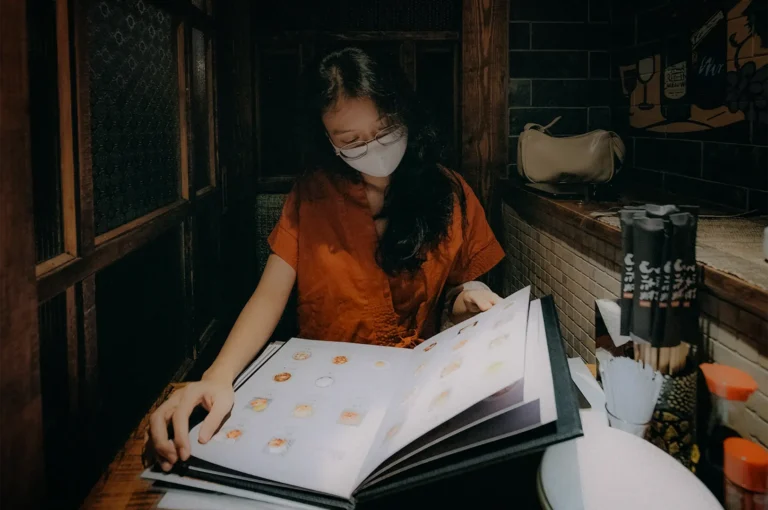
I would bring a book, scroll through my phone, or make myself look busy. Sitting at a table by myself felt strangely exposed, as though everyone in the room had noticed I had arrived without company.
Of course, nobody was paying attention.
That realization came slowly, over many solo lunches, quiet coffees, and the occasional dinner between errands. Somewhere along the way, eating alone stopped feeling awkward and began to feel like something else entirely.
It began to feel like a luxury.
Not because it was expensive.
Because it was rare.
Modern life fills almost every empty space with noise. Messages arrive before breakfast. Meetings pile onto one another. Friends send updates. Family members check in. Even rest often comes with notifications attached.
We are connected almost all the time.
And yet, genuine solitude has become surprisingly difficult to find.
A solo meal creates a small pocket of it.
There are no schedules to coordinate. No debate over where to eat. No need to split your attention between the food in front of you and the conversation across the table. There is only the quiet simplicity of a table, a meal, and a little room to breathe.
Some of my favourite dining memories have happened this way.
Not during birthdays, celebrations, or carefully planned evenings, but on ordinary afternoons when I had nowhere urgent to be. I ordered exactly what I wanted. I stayed as long as I liked. I left when I was ready.
The experience felt quietly indulgent.
Not because I was treating myself to something extravagant, but because I was giving myself something increasingly uncommon: uninterrupted time.
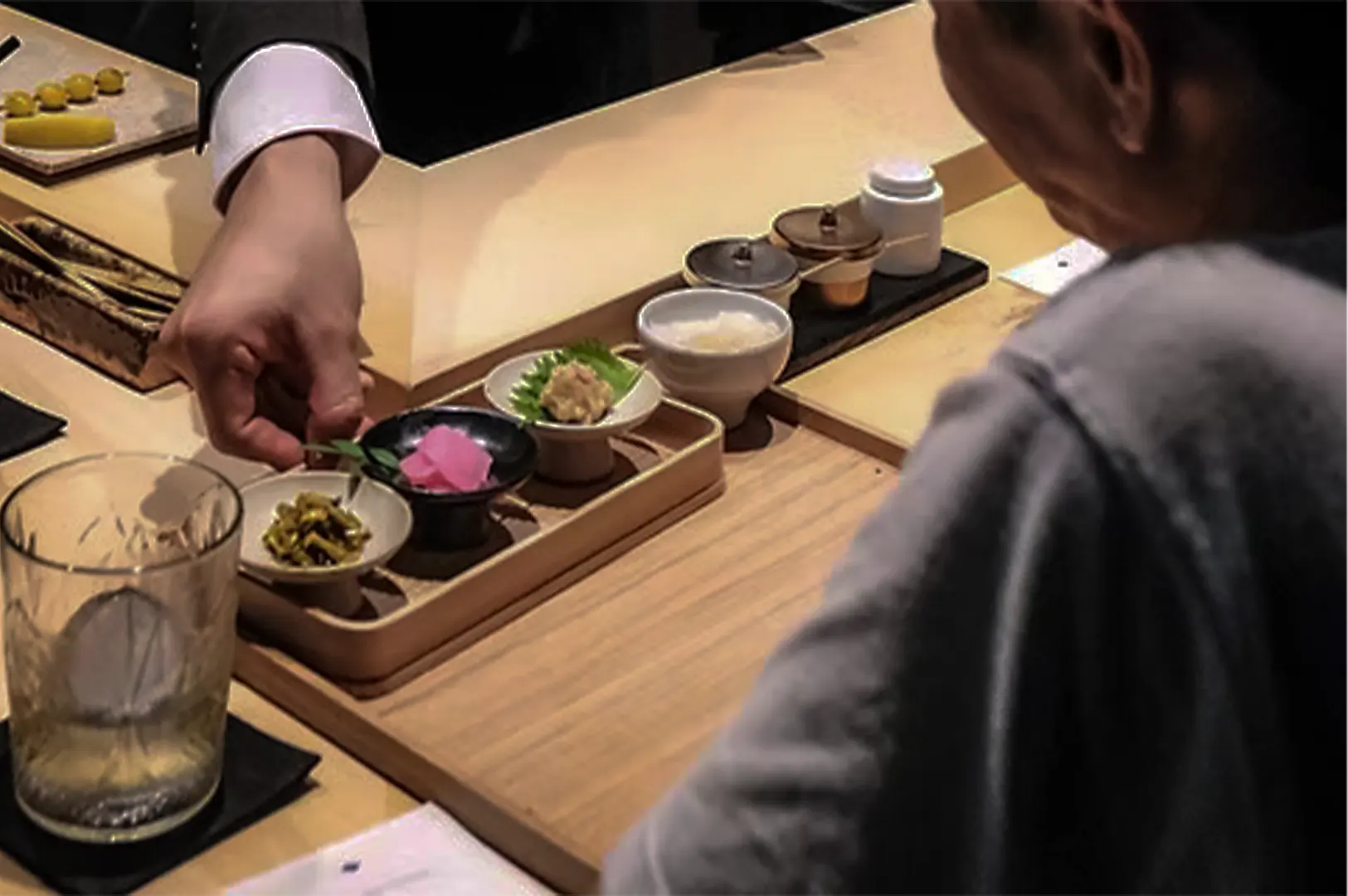
I notice this feeling most strongly in restaurants made for slower meals. Places where the kitchen works in front of you. Where dishes arrive one at a time. Where nobody seems eager to rush you out the door. Some of my most memorable experiences eating best yakitori in Singapore have unfolded exactly this way, seated quietly at the counter, watching skewers turn over charcoal while the evening settles into its own rhythm.
The best solo meals create a subtle shift in perspective.
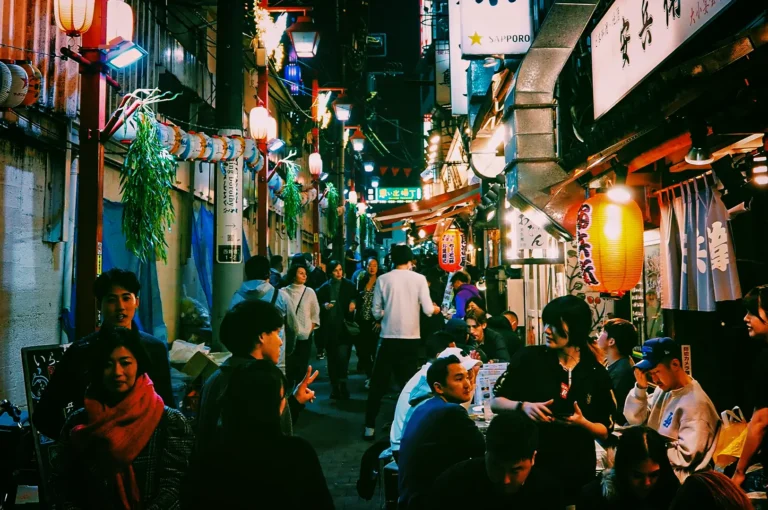
Without conversation filling every silence, small details become more vivid. The rhythm of a busy dining room. The sound of a knife against a chopping board. The aroma drifting from a nearby table. Even the first bite seems sharper, as though your attention has nowhere else to go.
You begin to notice things that would usually slip past you.
More importantly, you begin to notice yourself.
What you have been thinking about. What you have been avoiding. What has been making you happy lately. A solo meal often becomes less about eating and more about gently checking in with your own life.
Perhaps that is why many people eventually grow fond of dining alone.
What once felt awkward becomes restorative.
What once felt lonely becomes peaceful.
There is a quiet confidence in taking a table for one and enjoying it fully. No explanations required. No apologies necessary. Just the simple understanding that your own company is enough for an evening.
In a culture that often celebrates being busy, social, and constantly available, choosing to eat alone can feel almost rebellious.
Or perhaps it feels luxurious for a simpler reason.
For one brief hour, nobody needs anything from you.
The table is yours.
The meal is yours.
And so is the silence.