I did not notice it at first.
Like many people, I used to treat yakitori the way I treated most meals. Order, eat, repeat. A skewer arrives, I take a bite, and before I have properly tasted it, my mind is already moving ahead to the next one.
It happened one evening at a small yakitori counter near Fortune Centre.
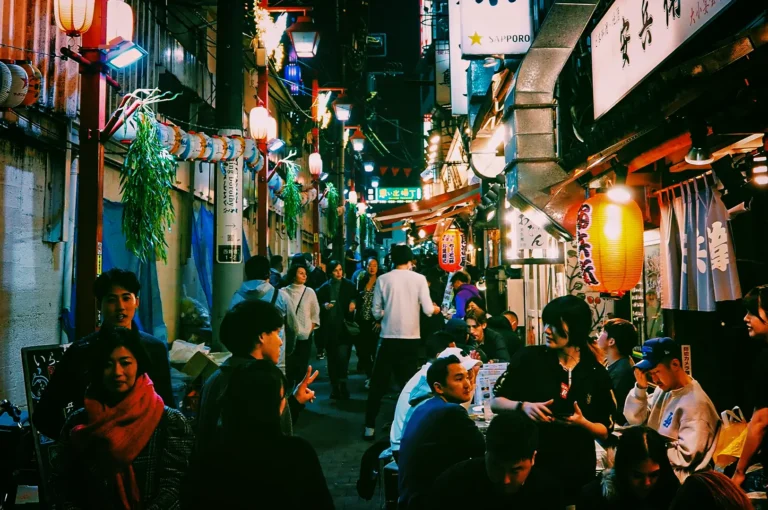
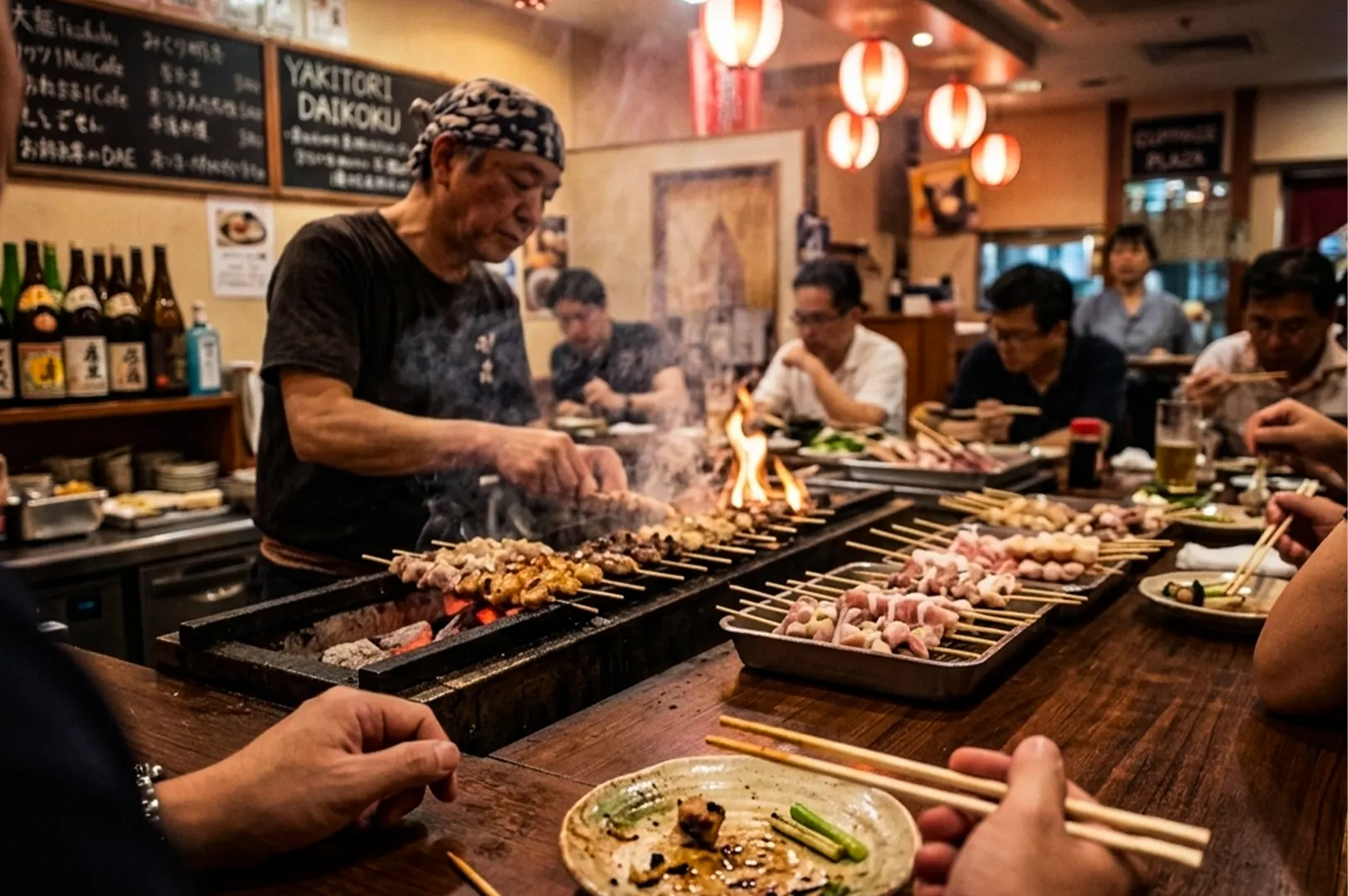
The restaurant was busy, but not loud. Conversations moved softly across the room. A few office workers sat over beer, loosening their ties and slowing into the night. Behind the counter, the chef worked over the grill with quiet confidence, turning skewers over charcoal as though he had done it thousands of times.
He probably had.
I finished a skewer of chicken thigh and looked instinctively toward the grill.
Nothing was coming yet.
For a few minutes, there was only space.
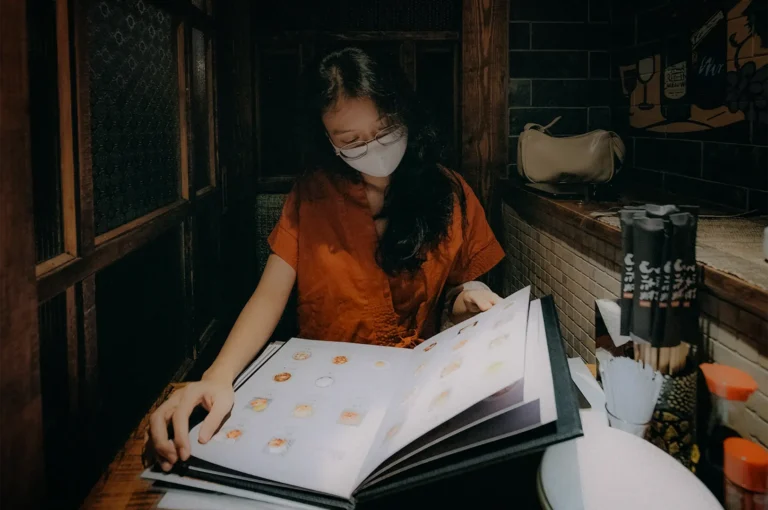
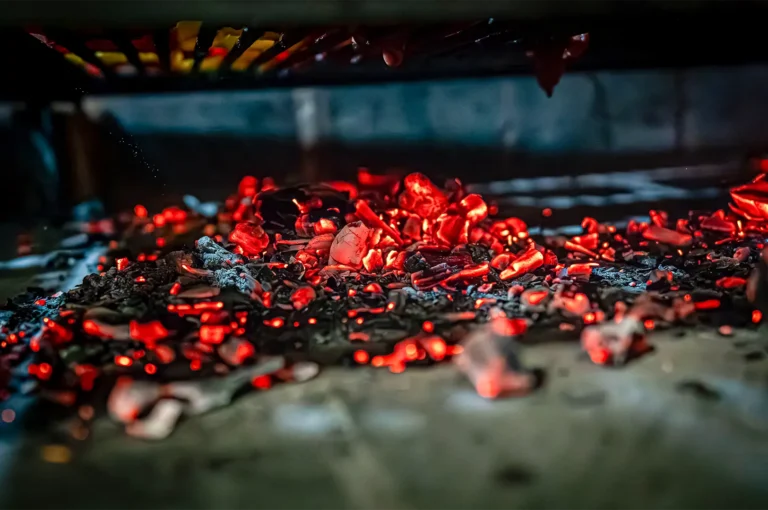
No food in front of me. No menu to study. No phone in my hand. Just the glow of charcoal, the faint smell of smoke, and the gentle rhythm of the restaurant continuing around me.
At first, the pause felt unfamiliar.
Then, slowly, it began to feel comfortable.
The Space Between Courses
Modern life does not leave much room for waiting.
We skip advertisements. We order groceries without entering a shop. Messages arrive instantly. Even the smallest gap in the day becomes something to fill.
Waiting often feels like a problem.
But at that counter, I realized the meal was not being delayed. It was unfolding exactly as it should.
The chef was not rushing because there was no need to rush.
Each skewer had its own timing. Some cuts needed longer over the charcoal. Others needed only a quick turn, a brush of tare, or a moment of rest before being served. The pace of the meal depended on patience.
And for perhaps the first time that day, I was not trying to get somewhere else.
I was simply there.
Watching Instead of Consuming
When there is nothing immediate to eat, you begin to notice things.
I watched the chef turn one skewer slightly, then leave it alone.
I noticed how diners leaned forward when fresh skewers arrived.
I noticed how conversations naturally rose and softened between bites.
I noticed the charcoal itself, glowing brighter in some places and fading in others, as if it had its own quiet breathing pattern.
None of these details were dramatic. Yet together, they formed the experience I had come for.
The food was only one part of the meal.
The waiting helped me see the rest.
Not Every Gap Needs Filling
What stayed with me had very little to do with chicken skewers.
It had more to do with the way we fill every empty space.
A queue becomes a chance to check emails. A train ride becomes a reason to scroll. Even meals are often shared with notifications, videos, or background noise.
Silence feels inefficient.
Stillness feels unproductive.
Waiting feels wasted.
But that evening suggested otherwise.
Sometimes the moments between things are not interruptions. Sometimes they are the experience itself.
The anticipation before the next skewer. The pause in conversation. The quiet glow after a small burst of flame. These moments gave the meal its shape.
Without them, everything would have blurred together.
The Next Skewer Always Arrives
Eventually, the next skewer arrived.
It was simple. Lightly seasoned. Perfectly cooked.
But what I remember most is not only the taste.
I remember the pause before it.
The expectation.
The feeling of having nowhere else to be.
That small stretch of waiting changed the pace of the evening. In a quiet way, it reminded me how often I rush through things that deserve more attention.
The next skewer always arrives.
So does the next task, the next message, the next meeting, the next obligation.
Perhaps the challenge is not learning how to move faster between them.
Perhaps it is learning how to appreciate the space in between.