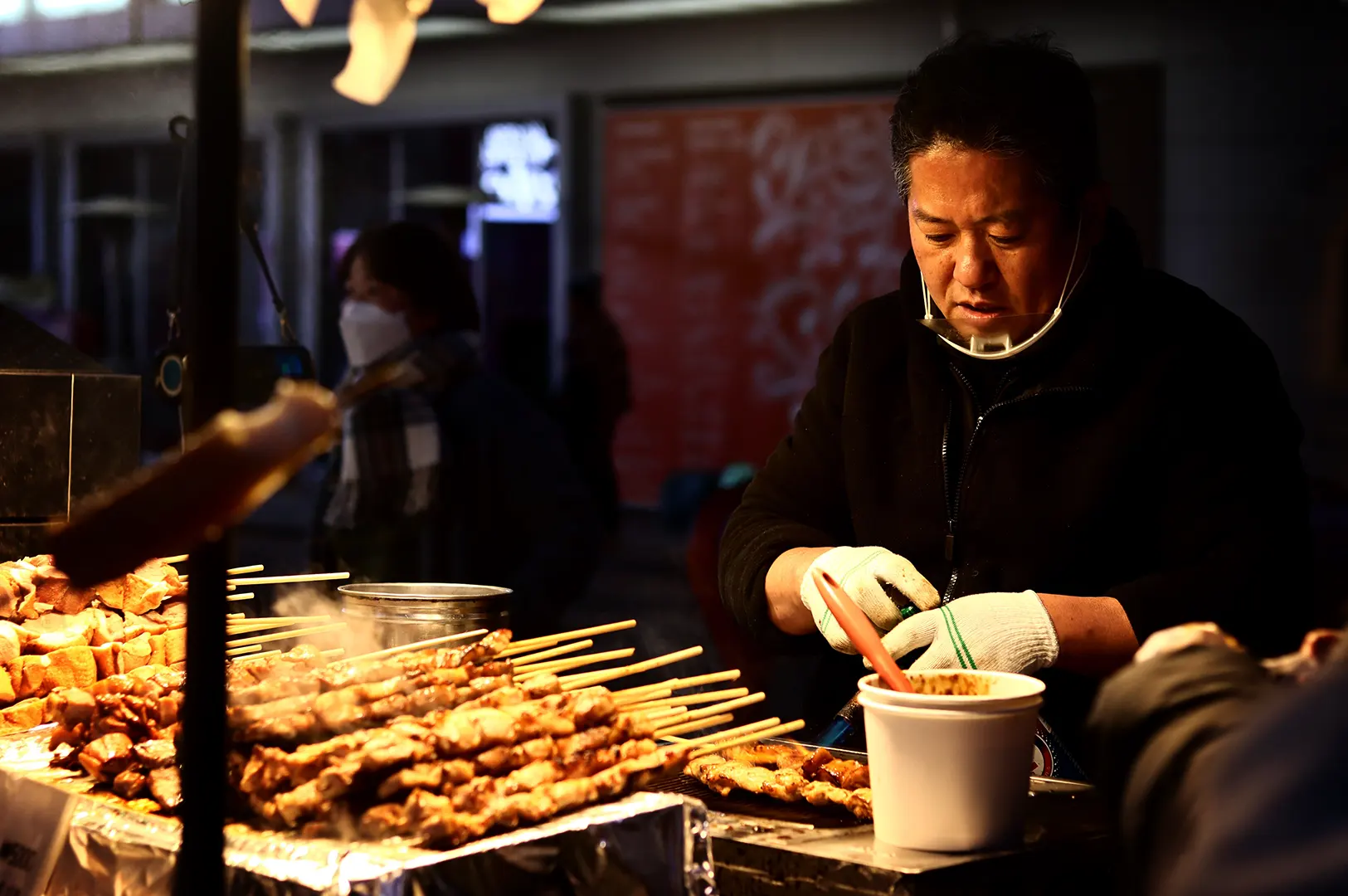
There is a small silence that happens before every good yakitori meal.
The plate lands on the table. The skewers are still warm from the grill, carrying that familiar smell of charcoal, chicken fat, and tare that has just caught enough heat to turn glossy and sweet. You can see a little smoke clinging to the meat. You already know you should wait a second.
But of course, you don’t.
You lift the first skewer, take a bite, and suddenly everything feels sharper.
The skin seems crisper. The meat feels juicier. The smoke feels deeper. Even a simple chicken thigh skewer can taste like it has arrived with its own little ceremony. I used to think this was only because I was hungry. After a long day, almost anything grilled over charcoal will taste good.
But the more I eat yakitori, the more I think the first skewer is different for another reason.
It begins before the food reaches the table.
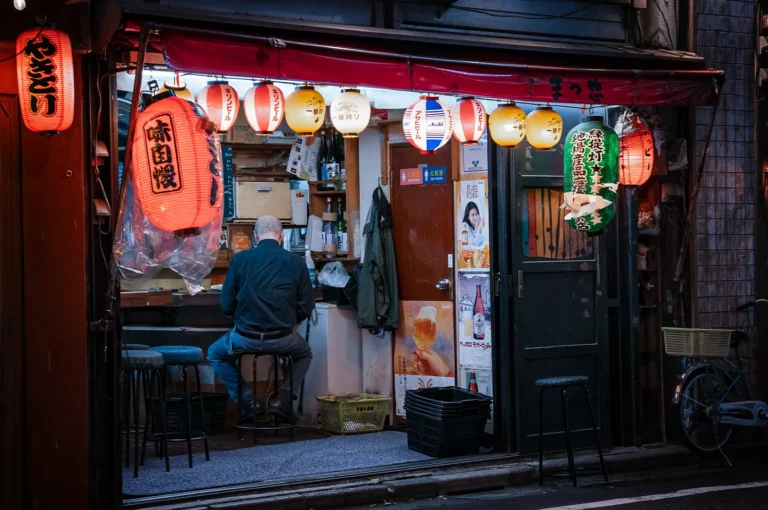
Maybe you have been thinking about dinner since late afternoon. Maybe you walked past the restaurant and caught that first trace of smoke in the air. Maybe you sat near the counter, watching the chef turn each skewer slowly over the embers, the fat dripping, the flames rising for just a second before settling down again.
I remember feeling this clearly while waiting for a plate of Fortune Centre yakitori. The grill was right there, close enough to watch, but far enough to make you wait. That waiting did something. By the time the skewers arrived, I had already imagined the first bite several times.
That is the quiet power of anticipation.
A good meal does not only begin when you start eating. It begins when your senses start preparing. The smell, the heat, the sight of the charcoal, the small sounds from the grill — all of these things build the appetite before the first bite even happens.
So when that first skewer finally arrives, you are not just tasting chicken.
You are tasting the wait.
This is why the first bite often feels so memorable. Nothing has become familiar yet. Your palate is awake. Your attention is fully there. Salt tastes cleaner. Smoke feels more fragrant. Tare feels richer. Even the texture of the meat seems more alive because you are noticing everything at once.
By the last skewer, the experience changes.
The food may still be excellent, but your senses have settled in. The smoke that felt so striking at the start is now part of the background. The sweetness of the tare is expected. The rhythm of eating has become comfortable.
That does not make the final bite less important.
The first skewer is about discovery. The last skewer is about understanding. By then, you know which cut you liked most. You remember which skewer had the best char, which one surprised you, which one you would order again without thinking.
That is what makes yakitori special. It is not one big dish placed in front of you all at once. It comes slowly, skewer by skewer, giving you many small beginnings. Each plate resets the appetite a little. Each bite carries its own chance to surprise you.
Perhaps that is why certain first skewers stay in the memory for years.
Not because they were perfect.
But because they arrived at the exact moment when hunger, smoke, patience, and expectation met.
And for one bite, everything tasted brighter.