
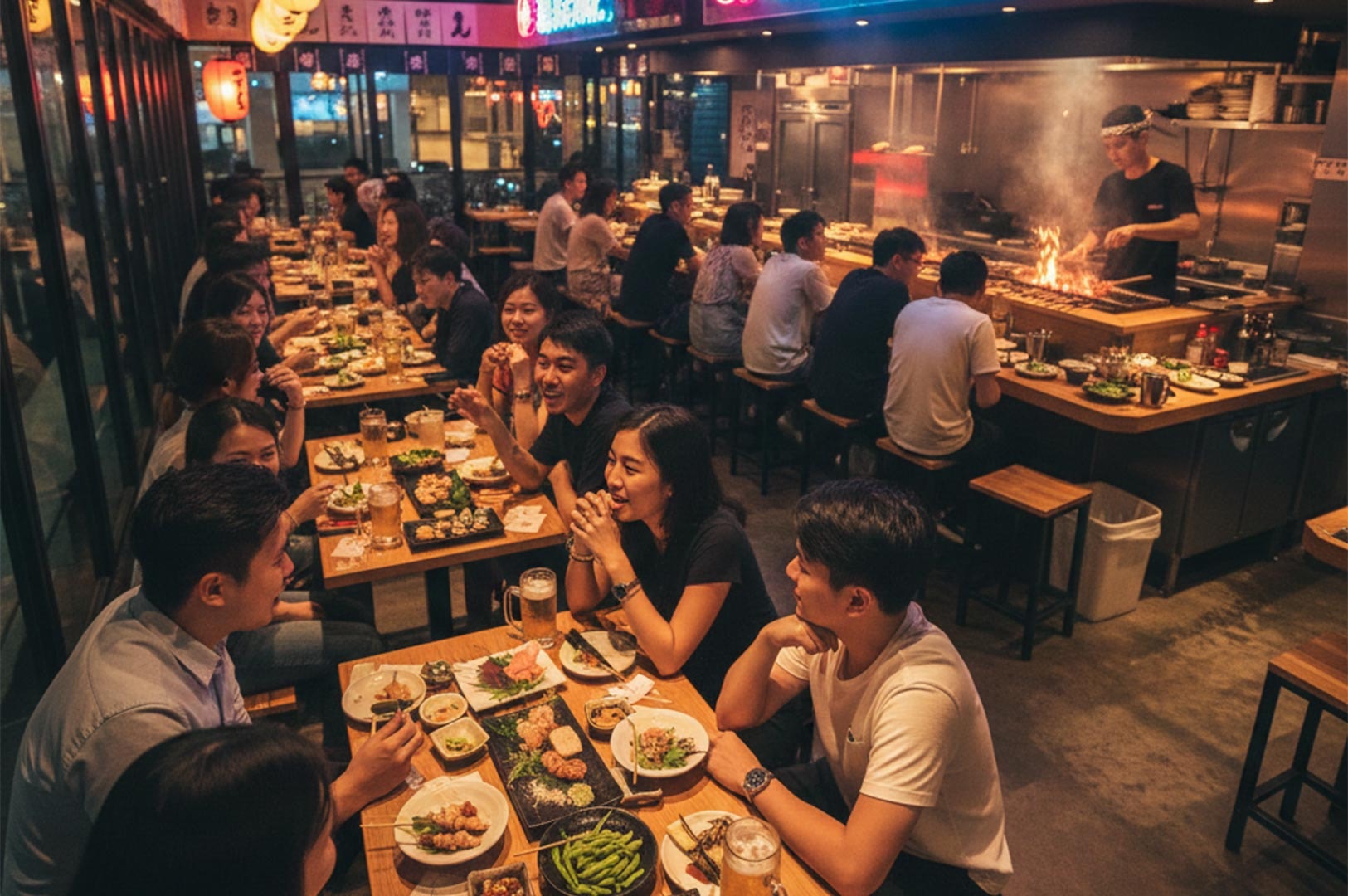
An izakaya is the perfect middle ground between a restaurant and a pub. It’s a uniquely Japanese bar where the food is just as important as the drinks, served in a relaxed, social atmosphere with modern decor that reflects the vibrant izakaya culture of Japan.
Izakaya bars are places where guests can dine and drink in a lively, immersive setting, combining authentic Japanese cuisine, drinks, and ambiance inspired by the rising sun. From grilled meat and fresh sashimi to delicate foie gras and seasonal specials, the extensive menu offers a bold and fearless twist on traditional dishes.
This guide will walk you through everything you need to know to confidently enjoy any izakaya bar in Singapore, from deciphering the menu to mastering the ordering flow, whether you’re visiting a hidden gem like Izakaya Hikari or the celebrated Shunjuu Izakaya. Inside Singapore’s izakaya scene, these spots offer a rich tapestry of authentic flavors and vibrant atmospheres that capture the essence of Japanese dining culture.
What Exactly Is an Izakaya Bar Singapore?
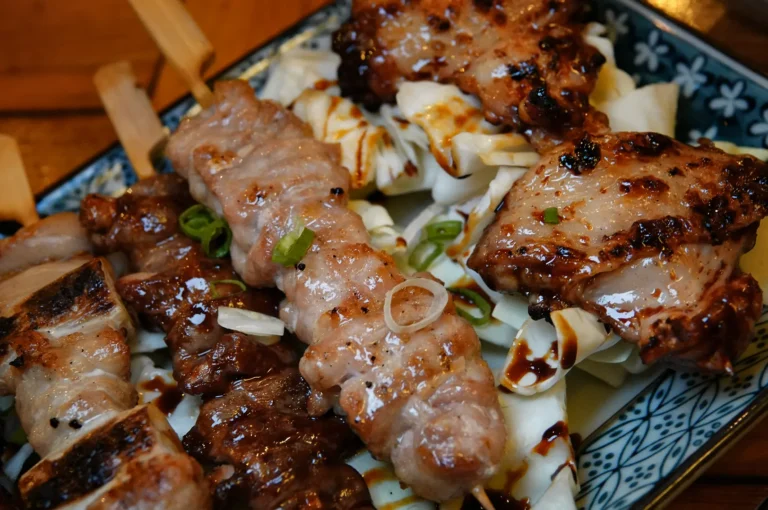
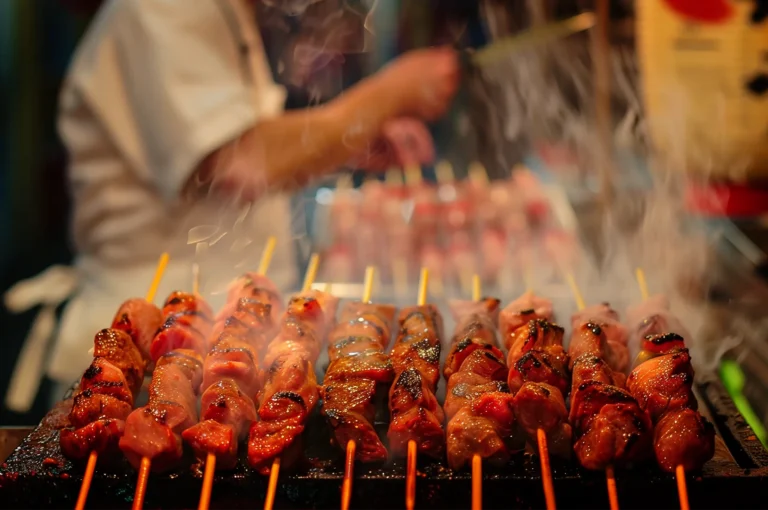
The word “izakaya” (居酒屋) combines “i” (to stay) and “sakaya” (sake shop), literally meaning a sake shop where you can stay and drink. Think of it as Japan’s answer to a gastropub, a public izakaya where friends and colleagues gather after work to unwind over drinks and a steady stream of shareable izakaya bites, bar bites, and small plates. These dishes range from chicken skewers and yakitori to tempura and miso soup, all served with friendly service in an atmosphere of effortless sophistication.
Izakayas are a staple of Japan’s food and drink culture, reflecting authentic Japanese ambiance and traditions while embracing western fashion and modern Japanese flavours. Fun fact: the modern girls of 1920s Tokyo, known as moga, challenged societal expectations and gender roles, influencing the evolution of izakaya culture to include a more inclusive and lively dining experience.
The flow is drinks-first, with bodacious beverages skillfully crafted by expert mixologists, including sake, shochu, craft cocktails, and beer, available throughout the extensive selection. The vibrant drinking culture at izakayas is central to the experience, with drinking complementing the overall dining atmosphere. This leisurely pace is what sets a Japanese bar izakaya apart from a standard Singaporean pub, where food is often an afterthought, or a full-service restaurant, where the meal follows a structured, course-based progression. The focus is on conversation, connection, and savoring the experience.
Etiquette and Ordering Flow at a Modern Japanese Izakaya
Navigating an izakaya is simple once you understand its rhythm. It’s less formal than fine dining but has its own set of customs that make the experience smoother.
Your first step upon being seated is to order a round of drinks. A cold beer, a refreshing highball, or a small flask of sake are all excellent starting points. It’s common to order a few small, quick bites (otsumami) at the same time to enjoy while you look over the rest of the menu.
- Ordering Rhythm: Don’t order everything at once. The idea is to order a few plates at a time, share them, and then order more as the evening progresses. This staggered approach keeps the food hot and the table from getting too crowded.
- Sharing is Standard: Dishes are meant to be shared among the table. Use the small individual plates (torizara) provided for your portion.
- Counter vs. Table: Counter seating offers a fantastic view of the chefs at work and is perfect for solo diners or couples. At a table, keep your voices at a conversational level to respect the intimate atmosphere. When you’re finished with skewers, place the used sticks neatly into the provided container.
- Payment and Last Orders: In Singapore, your bill will include a Goods and Services Tax (GST) and usually a 10% service charge. Splitting bills is generally acceptable, but it’s polite to ask. Be mindful of the “last order” time, typically called 30-45 minutes before closing, for both food and drinks. It’s important to check the izakaya’s opening hours and dinner service times, as the full menu is usually available only during dinner service, and last orders depend on these timings.
Drinks Primer for Beginners: Craft Cocktails and More
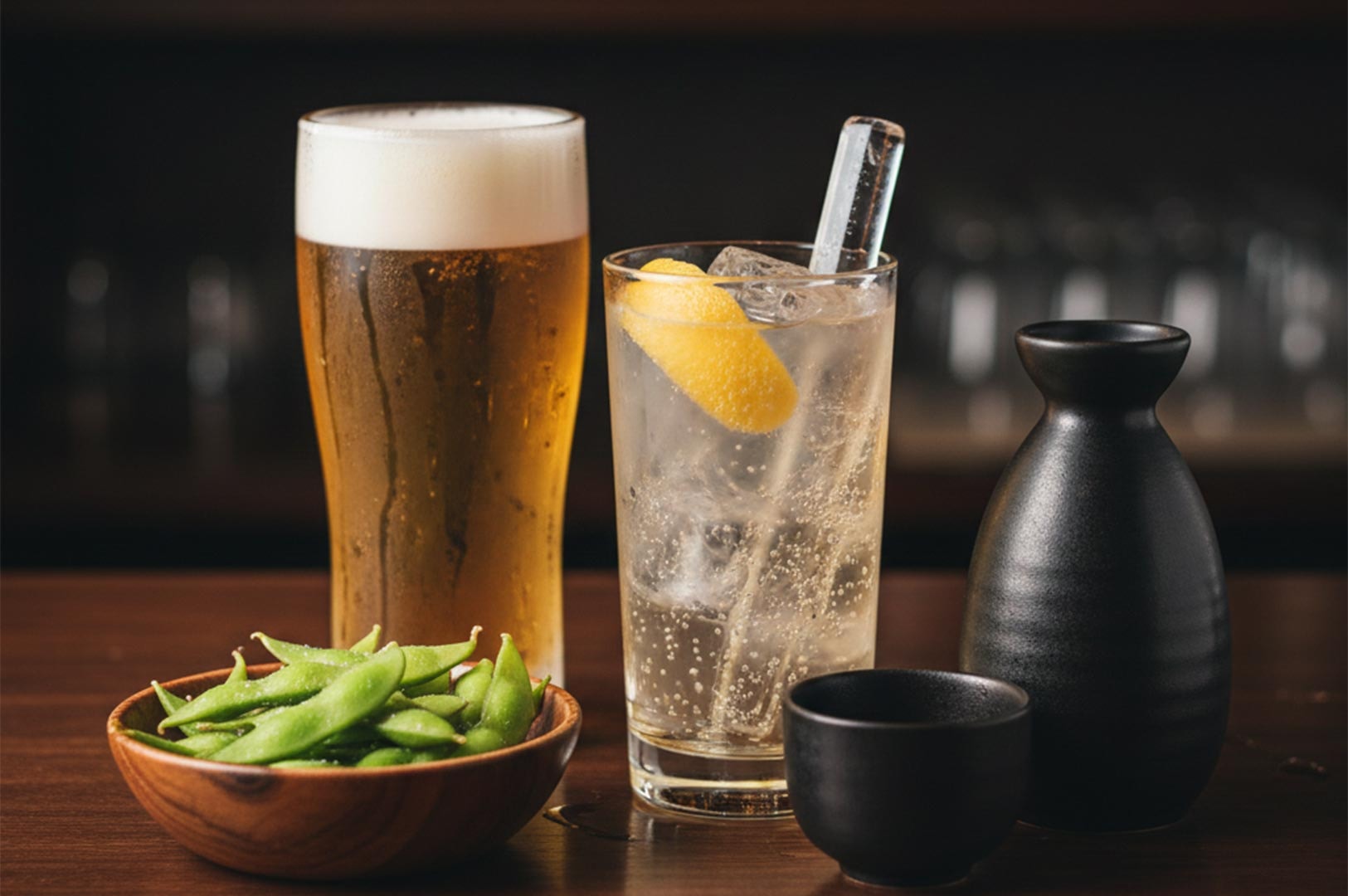
The drinks menu can seem daunting, but it’s built around a few core categories. Many izakaya bars in Singapore are known for their bodacious beverages skillfully crafted by expert mixologists, ensuring a premium and memorable drinking experience. Choosing a drink is your first and most important decision at any izakaya bar in Singapore.
- Beer and Highballs: A crisp, cold Japanese lager (like Asahi or Sapporo) is the classic starter. Whisky highballs (whisky and soda water) are incredibly refreshing and pair well with almost anything, especially fried food.
- Nihonshu (Sake): This is Japanese rice wine. For beginners, start with a Junmai or Ginjo style, which are often clean and easy to drink. Sake can be served hot, cold, or at room temperature. Cold sake is generally more aromatic and crisp, while hot sake is comforting and warming.
- Shochu: A distilled spirit that can be made from barley, sweet potatoes, rice, or buckwheat. It has a higher alcohol content than sake and is often served on the rocks or mixed with water, soda, or tea (a chuhai).
- Umeshu and Fruit Liqueurs: If you prefer something sweeter, umeshu (plum liqueur) is a delicious choice, often served on the rocks or with soda. Many izakayas also offer other fruit-based liqueurs like yuzu-shu.
A helpful tip is to stay hydrated. Always ask for a glass of water, which is usually served free of charge.
The Food Playbook Beyond Yakitori: Izakaya Bites and Bar Bites
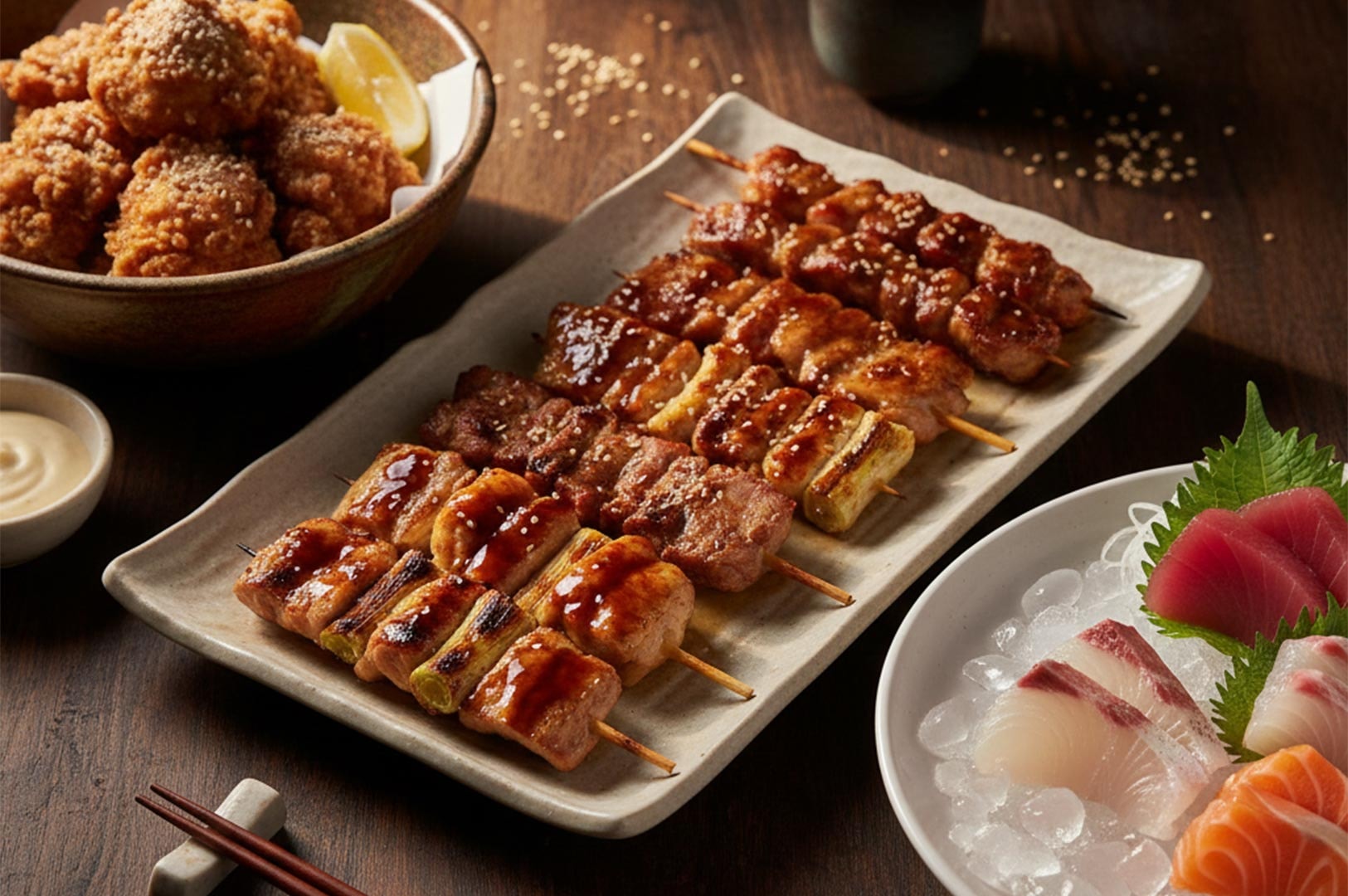
While grilled skewers are a staple, to experience authentic izakaya menu is vast and varied. A great meal involves building a balanced table with a mix of textures and flavors.
Look for these common food categories:
- Agemono (Fried items): This includes classics like karaage (Japanese fried chicken), tempura, and kushikatsu (deep-fried skewers of meat and vegetables).
- Yakimono (Grilled items): Beyond chicken skewers, this covers grilled fish, vegetables, and other meats, including expertly prepared grilled meat cuts and foie gras with a bold and fearless twist.
- Oden: A comforting one-pot dish where ingredients like daikon radish, boiled eggs, and fishcakes are simmered in a light, savory dashi broth.
- Sashimi and Raw Items: Many izakayas serve small plates of fresh sashimi and a variety of sushi, all prepared with fresh seafood. The quality and selection of sushi—such as nigiri, sashimi, and sushi rolls—are often a highlight, offering a clean, refreshing counterpoint to richer, cooked dishes.
- Seasonal Specials: Always check the specials board. This is where chefs showcase the freshest seasonal ingredients, from grilled sanma fish in autumn to bamboo shoots in spring.
Some must try dishes include the chef’s signature sushi rolls, creative tempura combinations, and unique izakaya-style small plates that highlight the freshness and quality of the ingredients. These specialties set the menu apart and are highly recommended for first-time visitors.
To build a balanced meal, try ordering one or two items from different categories: something fried and crispy, something grilled and smoky, something soupy or raw, and maybe a vegetable dish. A rice or noodle dish, like ochazuke (rice with tea or dashi) or yaki udon, is a great way to finish the meal. Many izakayas also feature modern Japanese flavours, blending traditional ingredients with creative twists for a memorable dining experience, including some of the yakitori best selections that showcase expertly grilled chicken skewers bursting with flavor.
Popular Izakaya Bars in Singapore Featuring Fresh Seafood and Modern Japanese Flavours
Singapore’s izakaya landscape unfolds as a carefully curated sanctuary where time-honored Japanese traditions meet contemporary refinement, offering contemplatively crafted experiences from artfully prepared grilled specialties and luxurious foie gras to soul-warming noodle preparations. Whether you seek the meditative energy of an established chain or prefer the intimate serenity of a thoughtfully appointed space, there exists a Japanese establishment to honor every contemplative moment and refined craving.
Among the city’s most revered destinations stands Shunjuu Izakaya, a distinguished chain renowned for its meticulously curated selection of Japanese culinary heritage. Here, one may savor steaming miso soup preparations, pristine sashimi, and an array of expertly grilled skewers, all presented within an atmosphere of understated elegance that serves equally well for reflective evening libations and celebratory gatherings. Their seasonal offerings deserve particular attention, showcasing Japanese cuisine’s finest traditions through a lens of contemporary craftsmanship.
For those drawn to hidden gem sanctuaries, Izakaya Hikari emerges as an essential pilgrimage. This contemporary Japanese establishment retreats from the mundane, creating an intimate atmosphere where guests may contemplate carefully crafted small plates and warming hot dishes prepared with authentic boldness and unwavering dedication. Their artisanal beverages are composed with meditative precision, rendering each sip as memorable as each thoughtfully prepared bite.
Shukuu Izakaya distinguishes itself through an impressive curation of sake and shochu, harmoniously paired with pristine sashimi and masterfully prepared grilled selections. As the contemplative sister restaurant to a celebrated omakase destination, Shukuu Izakaya brings refined sophistication to the izakaya tradition, making it an essential choice for those who appreciate quality and thoughtful variety.
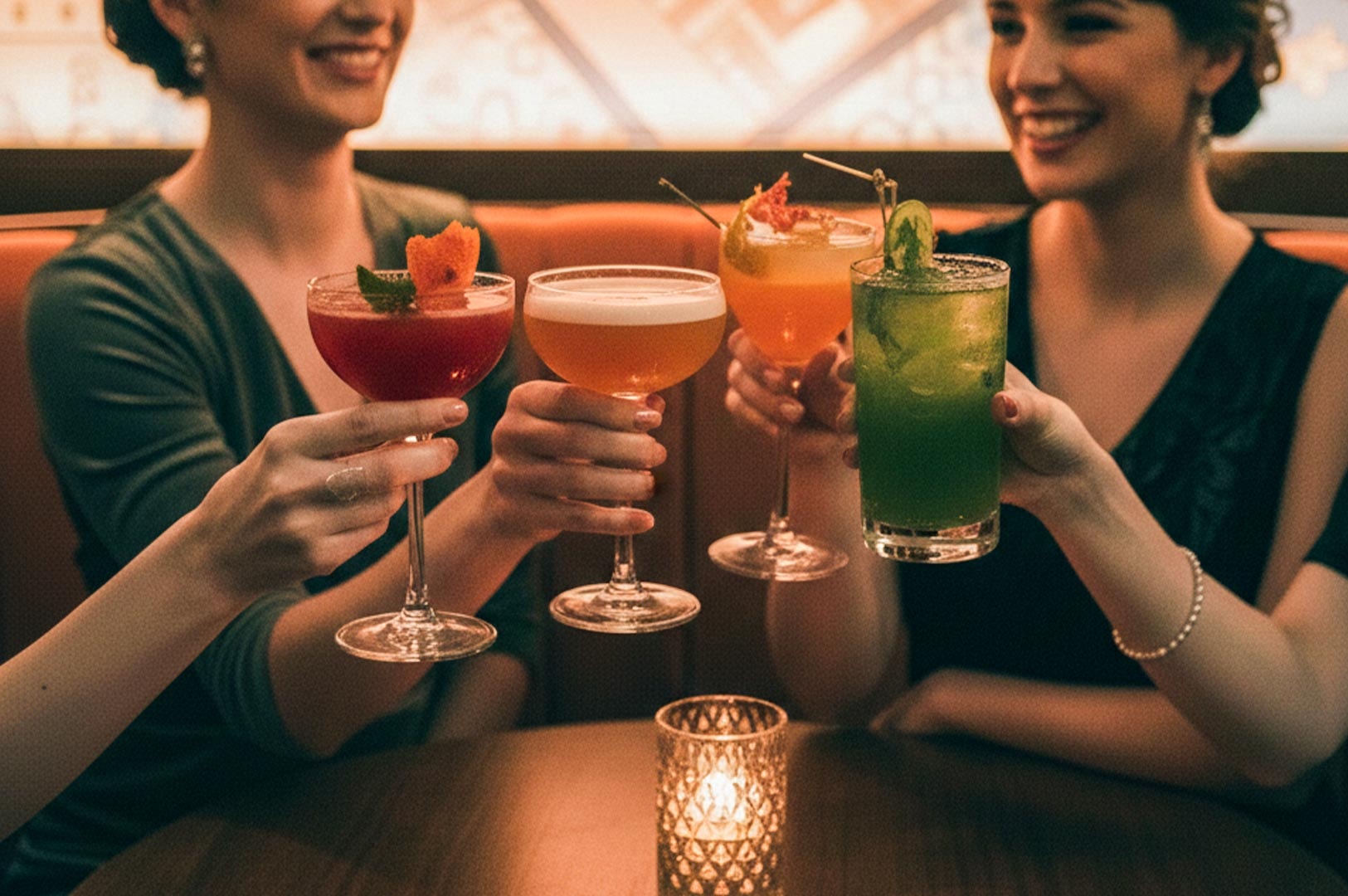
For a sophisticated interpretation of tradition, Moga reimagines the izakaya through the cultural lens of Japan’s modern girls—those who embraced western fashion while challenging societal boundaries in the 1920s. Moga invites contemplative enjoyment of Japanese cuisine through authentic boldness and unwavering dedication, from perfectly grilled chicken skewers to inventive culinary expressions. Their Wednesday nights radiate particularly refined girl’s girl energy and effortless sophistication, especially during Moga’s ladies night where craft cocktails and festive dining elevate the experience.
For those seeking an adult only venue sanctuary with sophisticated energy, Neon Pigeon provides the perfect setting. Celebrated for its contemporary Japanese preparations and fearless twist on classical dishes, this establishment serves ideally for private events or contemplative evenings among kindred spirits. The artisanal craft cocktails and extensive curation of small plates transform each visit into a meaningful celebration.
With such a wealth of izakaya sanctuaries across Singapore, there remains always a new destination to discover—whether one seeks attentive hospitality, cultural wisdom from knowledgeable staff, or simply an exceptional culinary experience. From the celebratory atmosphere of Shunjuu Izakaya to the hidden refinement of Izakaya Hikari, the city’s izakaya establishments promise a contemplative journey through the finest expressions of contemporary Japanese cuisine. Gather your companions, explore the thoughtfully curated offerings, and allow the wisdom of tradition to guide you toward your next cherished Japanese sanctuary.
Budgeting and Typical Spend in Singapore: Lunch Set and More
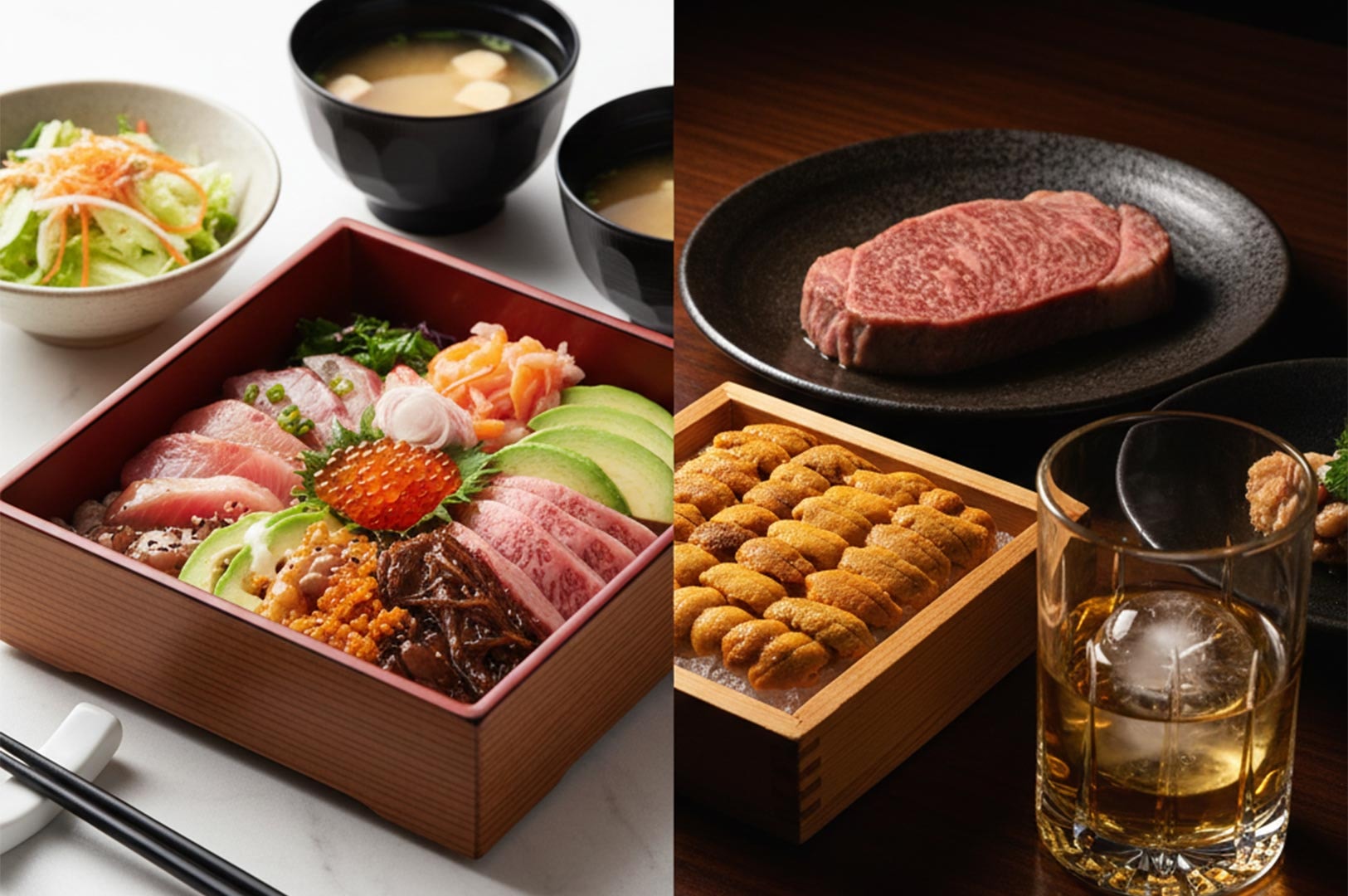
The cost of an evening at an izakaya bar in Singapore can vary widely based on your choices. Here’s a general guide to help you budget.
- Light Night ($40–$60 per person): This typically covers a couple of drinks (beer or highballs) and three to four shared small plates.
- Moderate Night ($70–$100 per person): Expect a few more drinks, perhaps moving into sake, and a wider variety of shared plates, including some grilled items and sashimi.
- Hearty Night ($120+ per person): This budget allows for premium sake or Japanese whisky, high-end dishes like uni or wagyu beef, and multiple rounds of food.
What drives the cost? Premium drinks, imported seasonal seafood, and premium meat cuts will increase the bill significantly. For better value, look for happy hour deals, lunch sets, or stick to classic, non-premium dishes.
Matching Vibes to Occasions at a Japanese Izakaya
Not all izakayas are the same. The atmosphere can range from loud and boisterous to quiet and intimate.
- After-Work Wind-Down: Look for a casual spot with a good happy hour, often found in bustling business districts. These tend to have a lively, energetic buzz.
- Lively Group Night: Larger izakayas with big tables or private rooms are ideal for groups. The vibe is often louder and more celebratory.
- Date Night: A smaller izakaya with counter seating creates an intimate setting. You can chat with the chef and enjoy a more focused, personal experience.
Pay attention to clues like music volume, lighting, and seating arrangements when choosing a place. Some specialize in creating a quiet haven, while others thrive on high energy.
Reservations, Walk-ins, and Peak Hours at Modern Japanese Izakayas
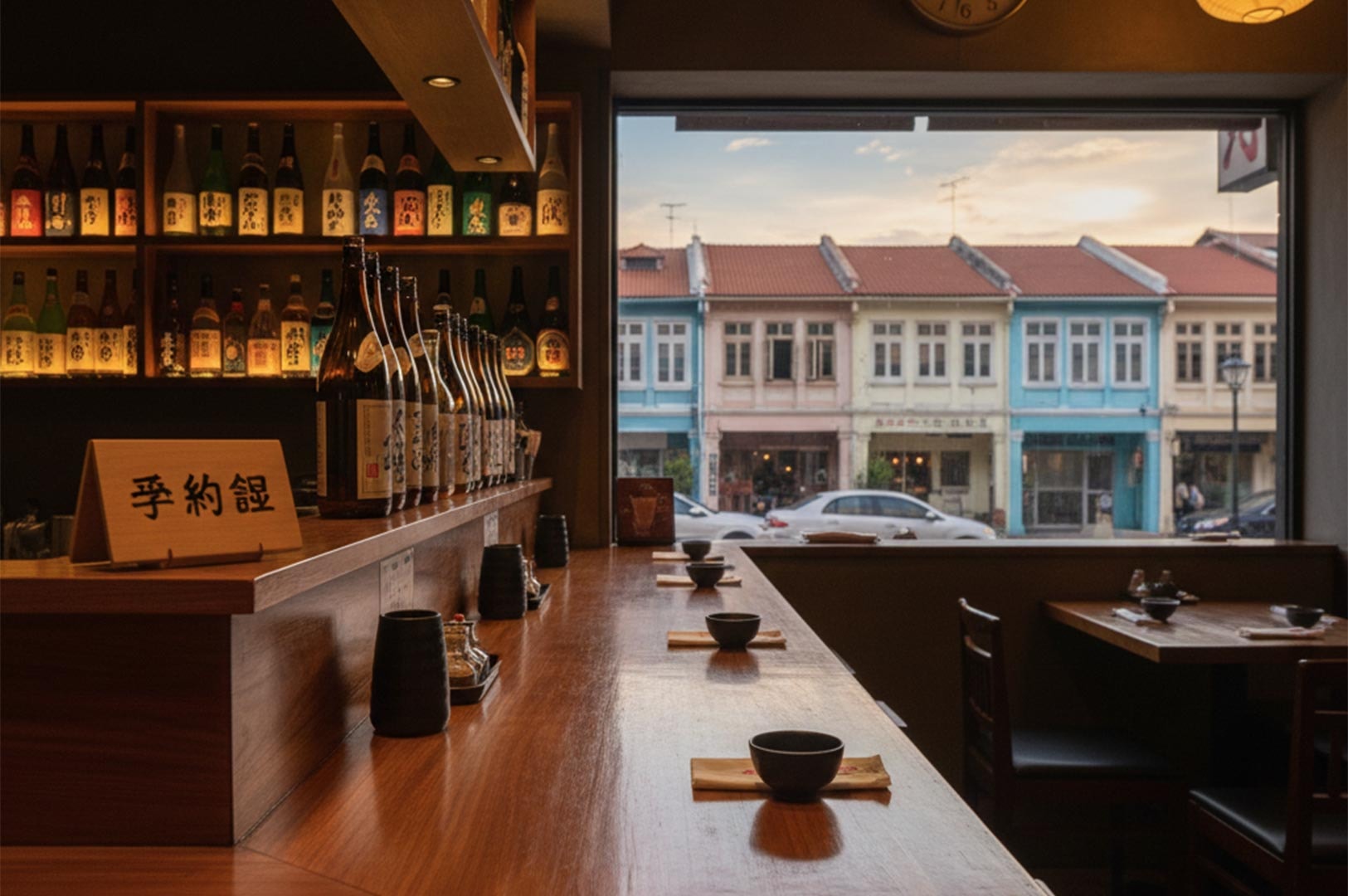
Planning your visit can save you from a long wait, especially during peak dining times in Singapore.
Peak hours are typically from 7 PM to 9 PM on weeknights and throughout the evening on Fridays and Saturdays. The “pay-day week” at the end of the month also sees a spike in diners.
- Reservations: For groups of three or more, or if you’re planning a weekend visit, making a reservation is highly recommended.
- Walk-ins: Solo diners and pairs have the best chance of snagging counter seats as walk-ins, especially if you arrive early (around 6 PM) or later in the evening (after 9 PM).
- Accessibility: Many of the best izakaya in Singapore are clustered in central neighborhoods like Tanjong Pagar, Robertson Quay, Orchard, and Fortune Centre, a popular dining area known for its unique Japanese izakaya experiences, often just a short walk from an MRT station. Consider rain-friendly access, as many are located in shophouses with limited shelter. For venue ideas, see our guide to the best izakaya in Singapore.
Glossary of Common Izakaya Terms
- Otsumami: Small snacks or appetizers to have with your first drink.
- Yakimono: Grilled dishes.
- Agemono: Deep-fried dishes.
- Kushikatsu: Deep-fried skewers of meat and vegetables.
- Oden: A hot pot of various ingredients stewed in a dashi broth.
- Sumibi: Charcoal-grilled.
- Tare / Shio: Common seasonings for skewers. Tare is a sweet soy-based glaze; shio is salt.
- Ochazuke: A simple dish of hot tea or dashi poured over cooked rice.
- Omakase (bar-style): “I’ll leave it up to you,” where the chef prepares a tasting menu of their choice.
Enjoy the Izakaya Experience in Singapore
Visiting an izakaya bar in Singapore is more than just grabbing a bite—it’s stepping into a vibrant slice of Japanese culture where modern Japanese flavours blend beautifully with tradition in a warm, lively atmosphere. Whether you’re craving perfectly grilled meat, fresh sashimi, or bodacious beverages skillfully crafted by talented mixologists, every visit promises something special.
From the well-loved Shunjuu Izakaya to the cozy charm of Izakaya Hikari, Singapore’s izakayas offer something for everyone—whether it’s an intimate dinner, a fun night out with friends, or a festive celebration. With their extensive menus, friendly service, and authentic vibes, these Japanese bars bring the spirit of Japan’s izakaya culture right to your neighborhood.
So next time you’re in the mood for some tasty izakaya bites, creative craft cocktails, or just a relaxed evening filled with good food and great company, head to one of Singapore’s top izakayas and enjoy the bold and fearless flavors of modern Japanese izakaya dining. Here’s to discovering your new favorite spot inside Singapore’s izakaya scene, where the warmth of the rising sun meets the heart of the city!