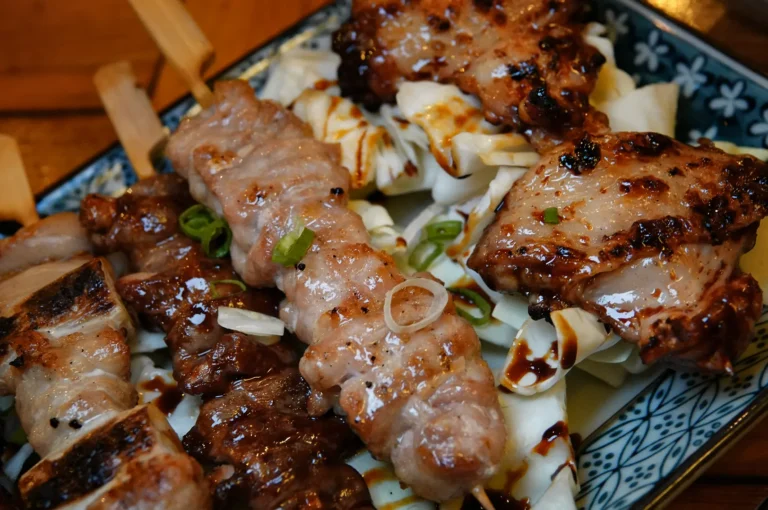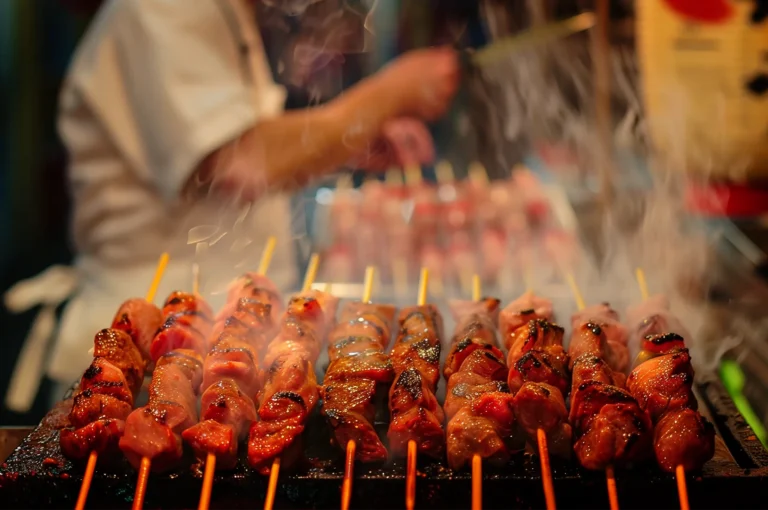

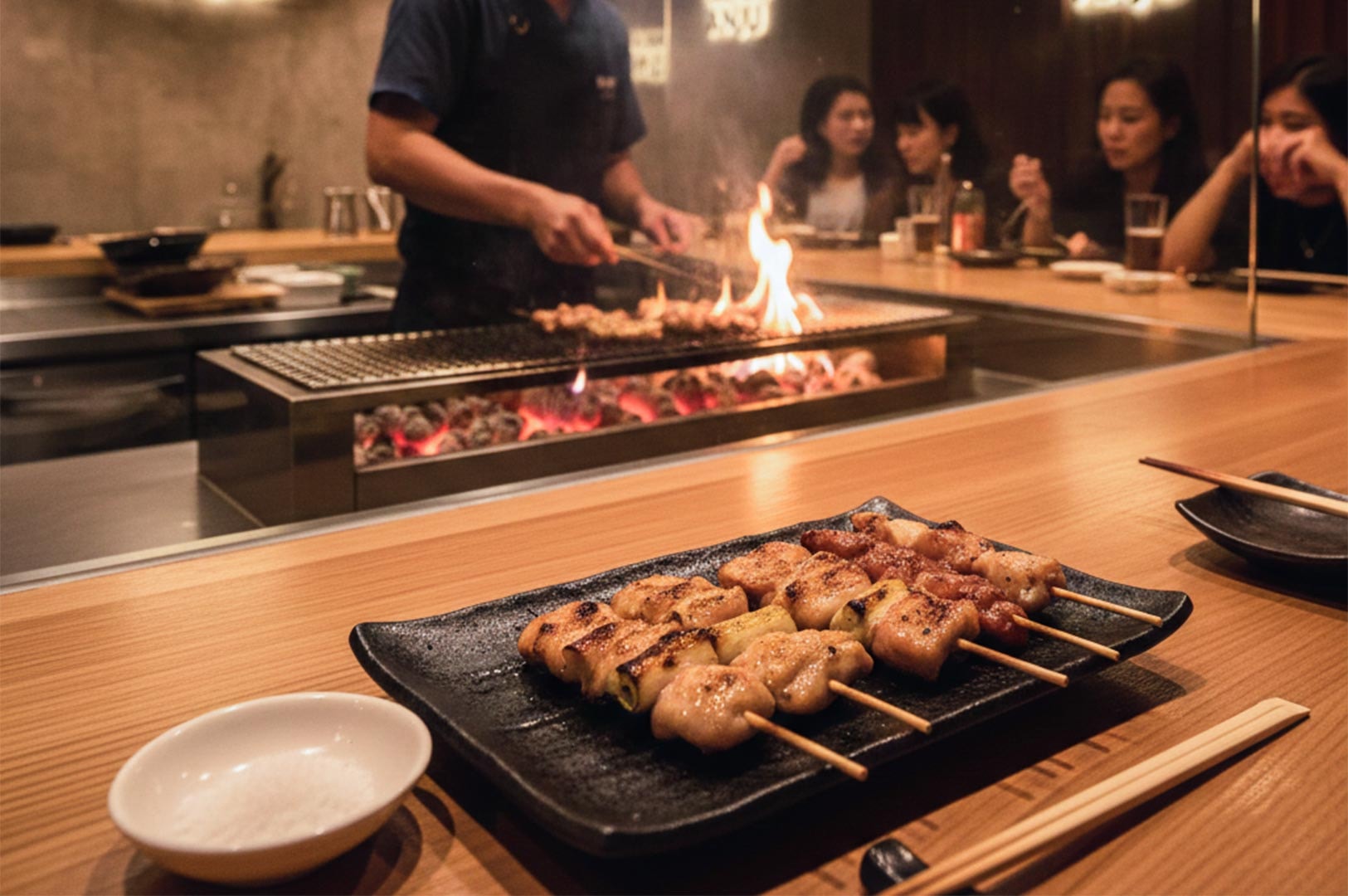
There’s a distinct pleasure in sharing chicken yakitori. This centuries-old Japanese craft elevates every part of the chicken—honouring delicacy, texture, and the beauty of simplicity.
Yakitori is a staple in Japanese restaurants, yakitori restaurants, and specialty restaurants across Japan, and is also commonly found at food stands during festivals and street events. As one of the most popular dishes in Japanese food culture, yakitori features prominently on yakitori menus, offering a wide variety of skewers and flavors. The use of different chicken parts showcases the diversity of Japanese chicken dishes and highlights the rich culinary tradition within Japanese food.
Whether you’re discovering yakitori chicken for the first time or aiming to order more confidently, this guide highlights what matters: the choice of cut, thoughtful seasoning with soy sauce, eating strategy, food safety, pairing, and value. For those ready to take their yakitori journey further, our Binchotan Mastery guide offers an immersive dive into the smoky secrets and subtle nuances that transform simple grilled chicken into a masterpiece of Japanese culinary art.
What Makes “Chicken Yakitori” Grilled Chicken Skewers Distinct?
Chicken yakitori Japanese is more than skewered meat—it celebrates precise cutting, mindful seasoning, and the pleasure of eating in good company. As a classic grilled bird tradition, yakitori involves grilling various parts of the chicken over charcoal, enhancing flavor and showcasing authentic Japanese techniques.
Unlike generic skewers or heavily sauced dishes, each piece is sized for optimal juiciness and texture, resulting in juicy skewers that are moist, tender, and full of flavor. Plates arrive steadily, encouraging balance between sips and bites, conversation and focus. This sharing style and order flow are why yakitori resonates so deeply in Singapore’s vibrant dining scene.
The Chicken Thighs Cuts, Explained (Texture, Flavor, Best Seasoning) for Grilled Chicken Skewers
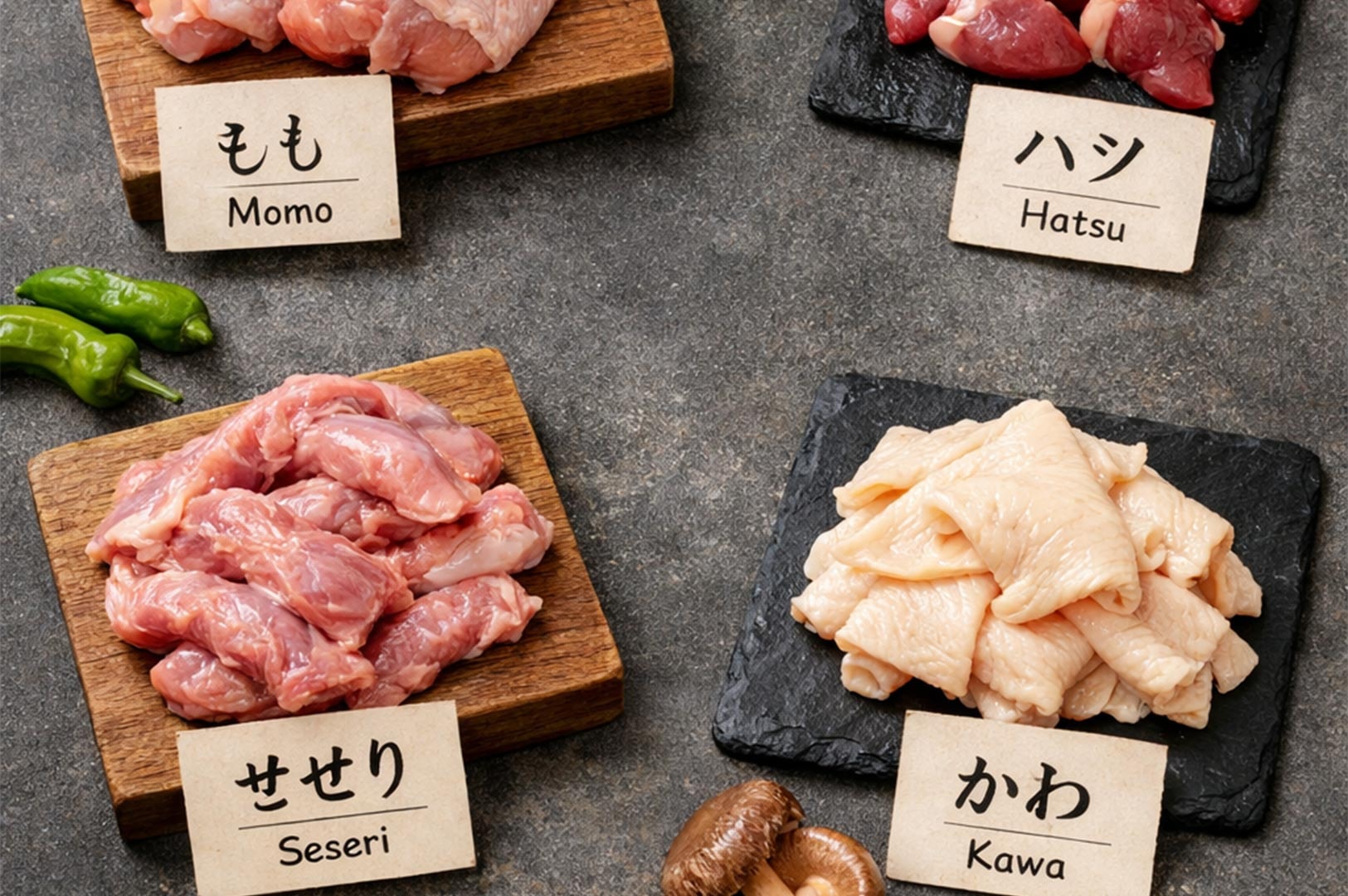
True yakitori respects the whole bird. Each cut brings its own textural story, and knowing these makes for a more rewarding meal. Boneless skinless chicken thighs and skinless chicken thighs are commonly used for their texture and flavor, making them ideal for skewering and grilling. Yakitori celebrates the versatility of chicken meat, utilizing various chicken parts to create a range of flavors and experiences.
- Momo (Thigh): Juicy, tender, forgiving. Rich flavour best enjoyed glazed (tare) for caramel notes or simply salted (shio) to highlight purity.
- Negima Yakitori (Thigh & Green Onions): Chicken thigh alternated with leek or green onions. The charred vegetables deliver sweetness and bite, contrasting the thigh’s richness.
- Tsukune (Chicken Meatball): Savoury-sweet mince, often blended with cartilage for texture and egg or yam for tenderness. Tare brings a glossy finish that clings.
- Tebasaki (Wing): Balanced between crisp skin and juicy meat. Chicken wings are usually salted to enhance the chicken skin’s natural appeal, but some chefs brush a whisper of tare at the end.
- Seseri (Neck): Chewy, springy, and deeply savoury—a cut for texture lovers. Works well with either shio or tare.
- Hatsu (Heart): Firm, minerally, never metallic. Quick grill; a touch of salt or deep tare both suit.
- Kawa (Chicken Skin): Crisp and rich when properly rendered, lightly salted to avoid heaviness—delightful with a refreshing beverage. Chicken skin is a popular option, often served as a specialty skewer.
- Nankotsu (Cartilage): Snappy, subtle crunch that complements richer bites. Salt is typical. Often enjoyed in the same round as tsukune.
Chicken tenderloin is another cut often used for its tenderness and mild flavor.
Flow is key: start with comforting momo or negima yakitori, explore texture through seseri or kawa, and transition to bold, juicy tsukune. For the adventurous, hatsu and nankotsu punctuate a longer meal with surprise. When preparing yakitori at home, always handle raw chicken with care to ensure food safety. Try different cuts in your own yakitori recipe to discover your favorite combinations. For more cut guides for Japanese BBQ, see our Japanese BBQ Cut Guide.
Tare vs Shio — Choosing the Right Path for Each Cut of Japanese Chicken Skewers with Homemade Sauce
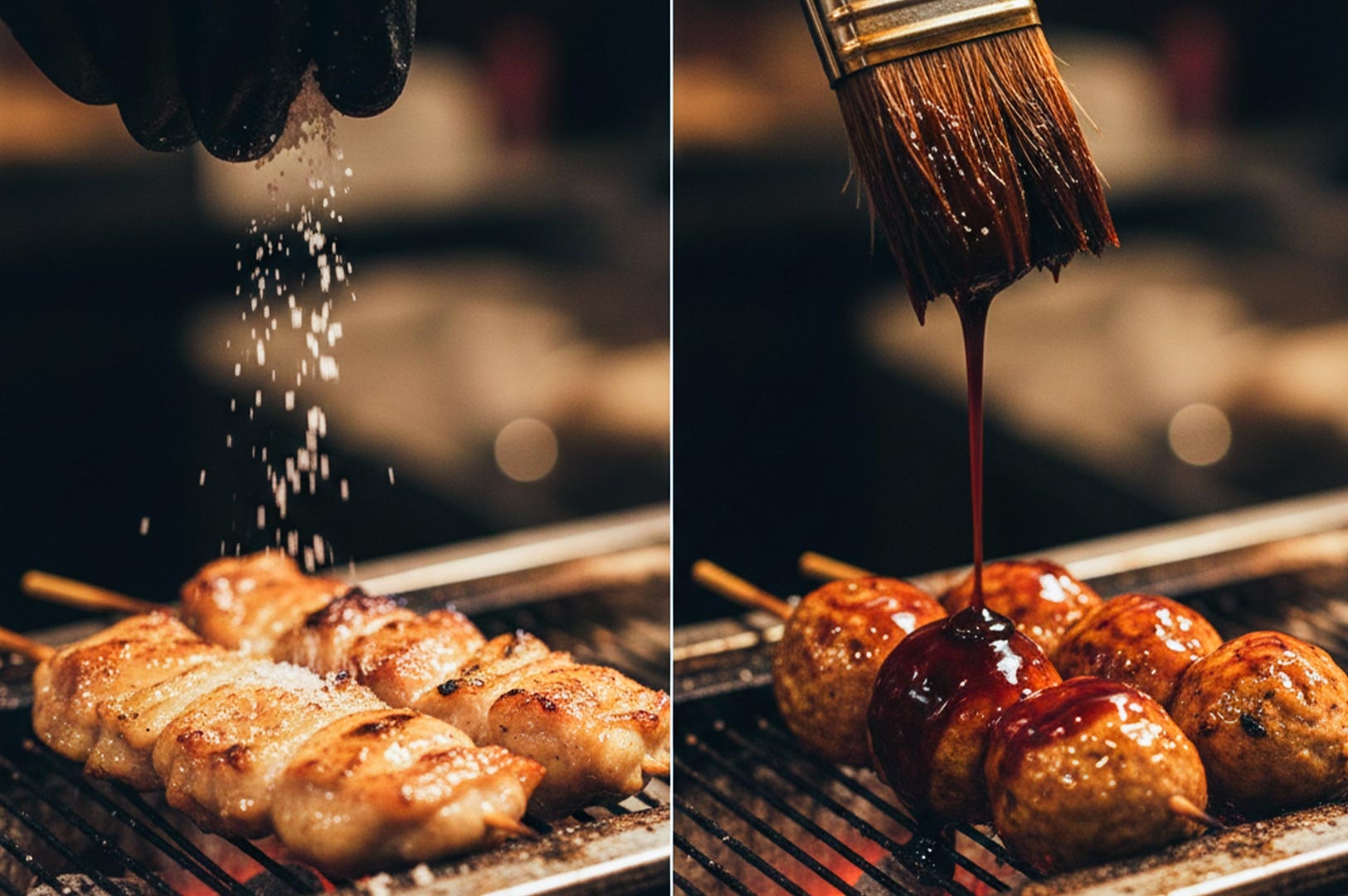
Great yakitori is an exercise in contrast. The two essential seasonings are:
- Shio (Salt): Pure, mineral, direct. This path celebrates natural chicken flavour—perfect for leaner or texture-forward cuts.
- Tare (Glaze): A nuanced, umami-dense homemade sauce brushed near the end of cooking. Typical sauce ingredients include soy sauce, mirin, sake, and brown sugar, simmered until the sauce reduces and becomes a thicker sauce. This concentrates flavor and gives the glaze its signature gloss. Teriyaki sauce is a similar sweet and savory glaze used in Japanese cuisine. For extra flavor, more sauce can be brushed on the yakitori skewers during grilling. It’s common to set aside reserved sauce before basting, so you can use it for a final brush or serve as extra sauce. Additional sauce can also be served on the side or brushed on after the chicken is fully cooked to enhance taste and presentation.
Alternate: try shio with kawa or tebasaki, tare with tsukune or momo. Notice how a light glaze elevates fattier bites, while salt keeps others clean and focused.
Ordering Strategy Like a Regular to Eat Yakitori at Yakitori Restaurants with Chicken Skewers
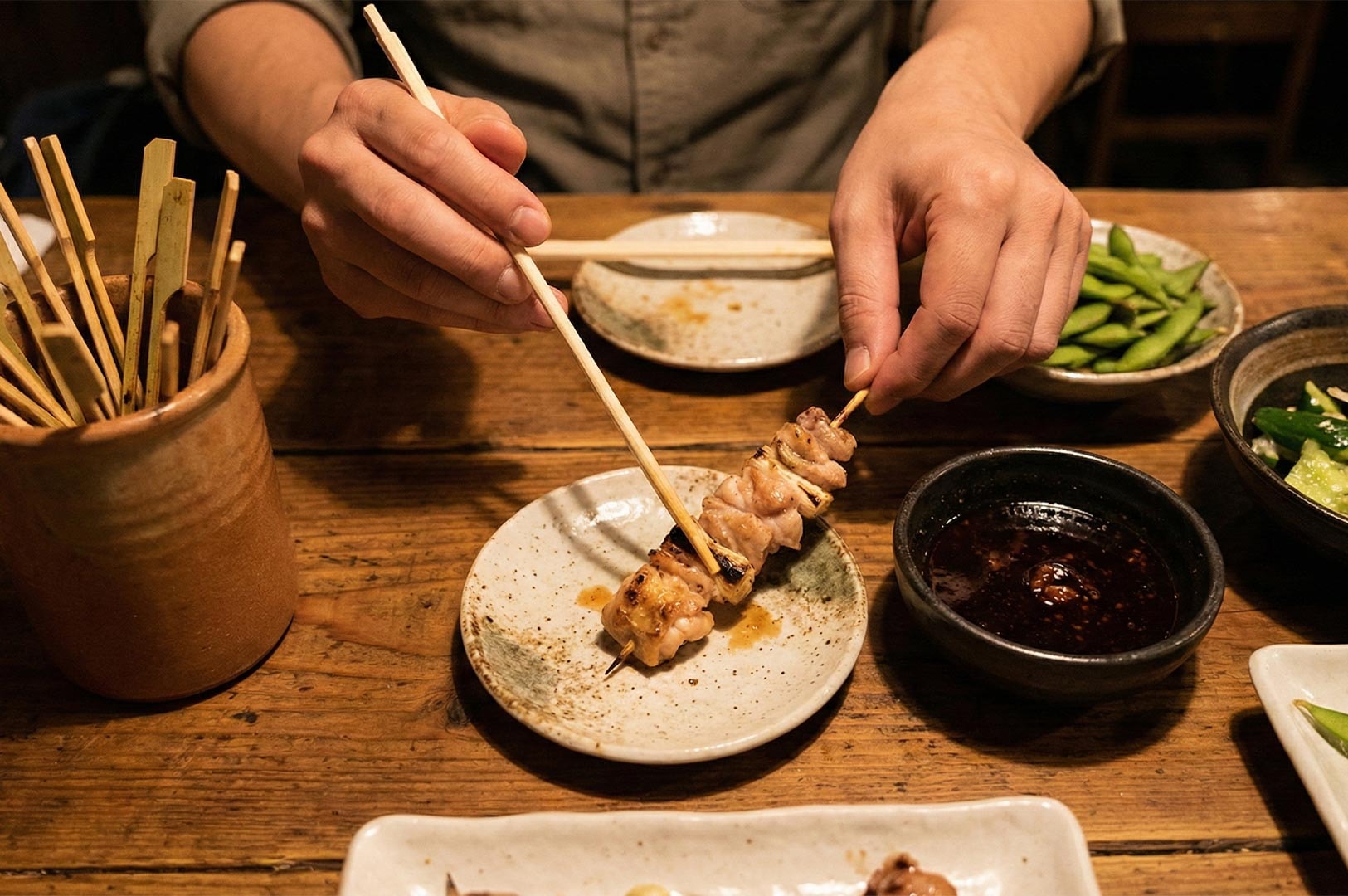
Most yakitori restaurants recommend ordering in small rounds to enjoy all the skewers at their best, allowing you to savor each type freshly grilled. A small bowl of sauce may be provided for dipping or finishing, enhancing flavor and presentation. All skewers are typically shared among the group, following Japanese dining customs.
In Singapore, the most enjoyable yakitori experience comes from a thoughtful, relaxed approach:
- First Order: Mix familiar (momo, negima yakitori) with a wildcard (nankotsu, hatsu). Include both shio and tare for contrast.
- Pacing: Order in waves, two or three skewers at a time per person. This keeps food hot and appetite in tune with conversation.
- Etiquette: Use provided canisters for skewers, share from the communal plate using the back of your chopsticks, and enjoy the tactile rhythm of counter or table seating.
- Dining Norms: Note last order times (especially late evenings), and confirm if prices include GST and service charge. Splitting bills is common—ask graciously.
Nutrition and Smart Choices for Japanese Food Featuring Chicken Yakitori
Yakitori is about pleasure, not excess. Some cuts, like kawa and tebasaki, are higher in saturated fat, which may be a consideration for those monitoring intake. Lean cuts (hatsu, seseri, breast) balance rich ones (momo, kawa, tebasaki). If sodium-conscious, choose shio on alternate rounds. Small plate pacing helps prevent over-ordering; for two people, 6–8 skewers plus a side are often enough for a satisfying meal.
Special Equipment for Grilled Chicken and Skewered Chicken with Japanese Chicken Skewers
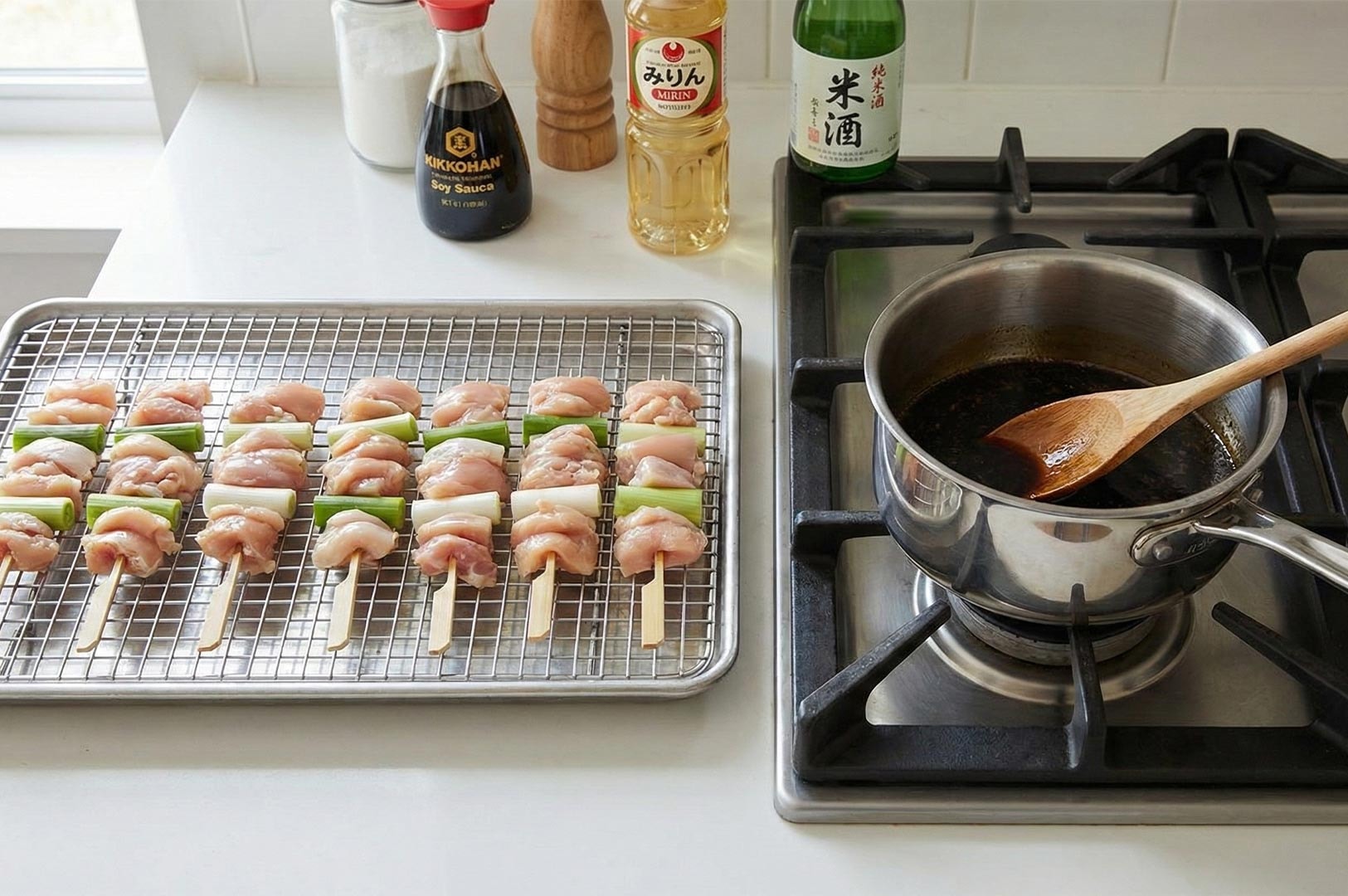
Cultivating authentic yakitori at home requires a curated collection of time-honored implements. At the heart lies the charcoal grill—ideally graced with binchotan charcoal—which bestows the smoky whisper and contemplative char that transforms humble chicken into sublime poetry. If charcoal is unavailable, a gas grill or oven broiler can yield transcendent results. Bamboo skewers, about fifteen centimeters long, sturdy enough to cradle bite-sized pieces of chicken and green onions, serve as elegant threads uniting your ingredients. For oven or broiler preparation, a wire rack above a baking sheet allows even heat and lets excess drip away, preserving the succulent soul of your yakitori. The signature glaze requires only a small, devoted saucepan—a vessel for simmering soy sauce, mirin, sake, and sugar into a lustrous testament to culinary heritage. With these implements—the charcoal grill, bamboo skewers, wire rack, baking sheet, and saucepan—you possess the essential elements to create grilled skewers that honor the mastery found within revered yakitori sanctuaries.
Storage and Reheating of Grilled Chicken Skewers
Yakitori finds its truest expression fresh from the grill, yet these skewers reward thoughtful preservation. Once cooled to room temperature, store in an airtight container in the refrigerator for three to four days. For longer storage, freeze for up to three months—thaw overnight in the fridge before reheating. To restore, arrange skewers on a wire rack over a baking sheet and warm in a preheated oven at 180°C (350°F) for 7–8 minutes until heated through. Alternatively, reheat on a grill or skillet over medium high heat with a light mist of cooking spray, turning carefully to prevent burning while distributing heat evenly. These methods preserve the juiciness and lingering smokiness that make each bite inviting.
Variations and Regional Differences in Japanese Chicken Skewers and Grilled Chicken Yakitori
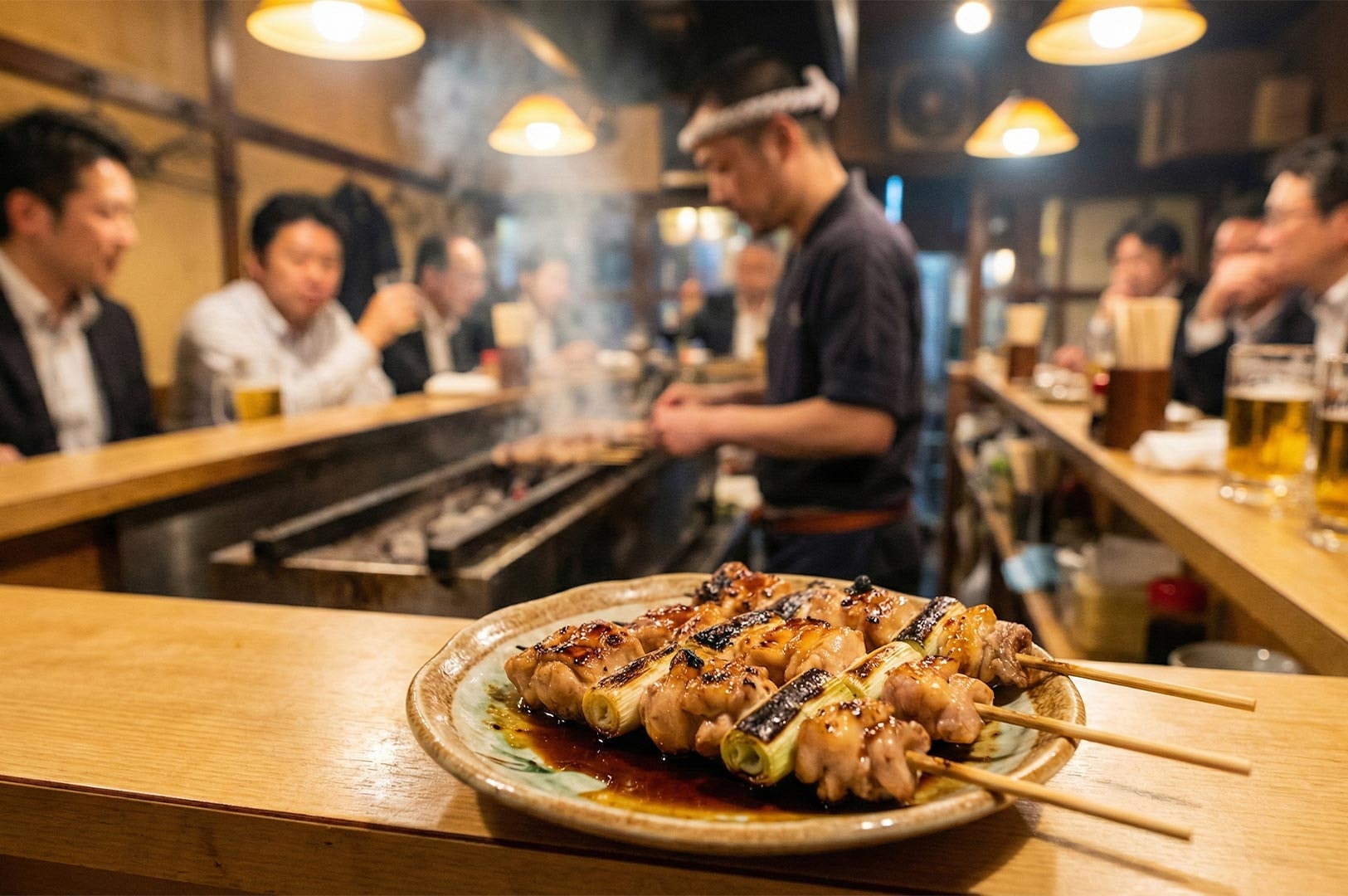
Yakitori is a contemplative art form with countless regional interpretations across Japan’s culinary landscape. Tokyo’s refined establishments feature negima yakitori—succulent chicken thigh paired with green onions—while Hokkaido introduces pork belly for a distinctive expression. Discerning palates may seek selections featuring tender chicken breast, rich chicken livers, or delicate chicken cartilage. Seasoning reflects regional heritage: sesame seeds or a sprinkle of Japanese seven spice add aromatic complexity. Accompaniments like shishito peppers and shiitake mushrooms create a harmonious tableau of color and flavor. Whether savoring time-honored chicken preparations or exploring innovative compositions, yakitori offers a sanctuary of equally exquisite discoveries for every sensibility.
The Importance of Fresh Ingredients for Japanese Chicken and Chicken Yakitori
Transcendent yakitori begins with careful selection, where each element serves a greater harmony. Seek the sublime tenderness of skinless boneless chicken thighs—these cuts transform simple sustenance into culinary poetry. Fresh green onions, aromatic and vibrant, provide a contemplative lift that speaks to centuries of tradition. The soul of this craft lies in a meticulously composed yakitori sauce, where high-quality soy sauce mingles with fresh garlic and ginger in an artisanal symphony bringing depth and balance to each morsel. Honor the fundamental tools of this ancient practice: sturdy bamboo skewers and a pristine grill ensure pure, untainted flavors emerge uncompromised. Whether dining in an authentic yakitori sanctuary or crafting tradition at home, devotion to fresh, mindfully selected ingredients elevates humble chicken into a profound expression of Japanese culinary heritage. With each bite, experience the quiet luxury when craftsmanship meets genuine attention to detail.
Home-Friendly Adaptations Without Charcoal for Grilled Chicken Skewers and Skewered Chicken
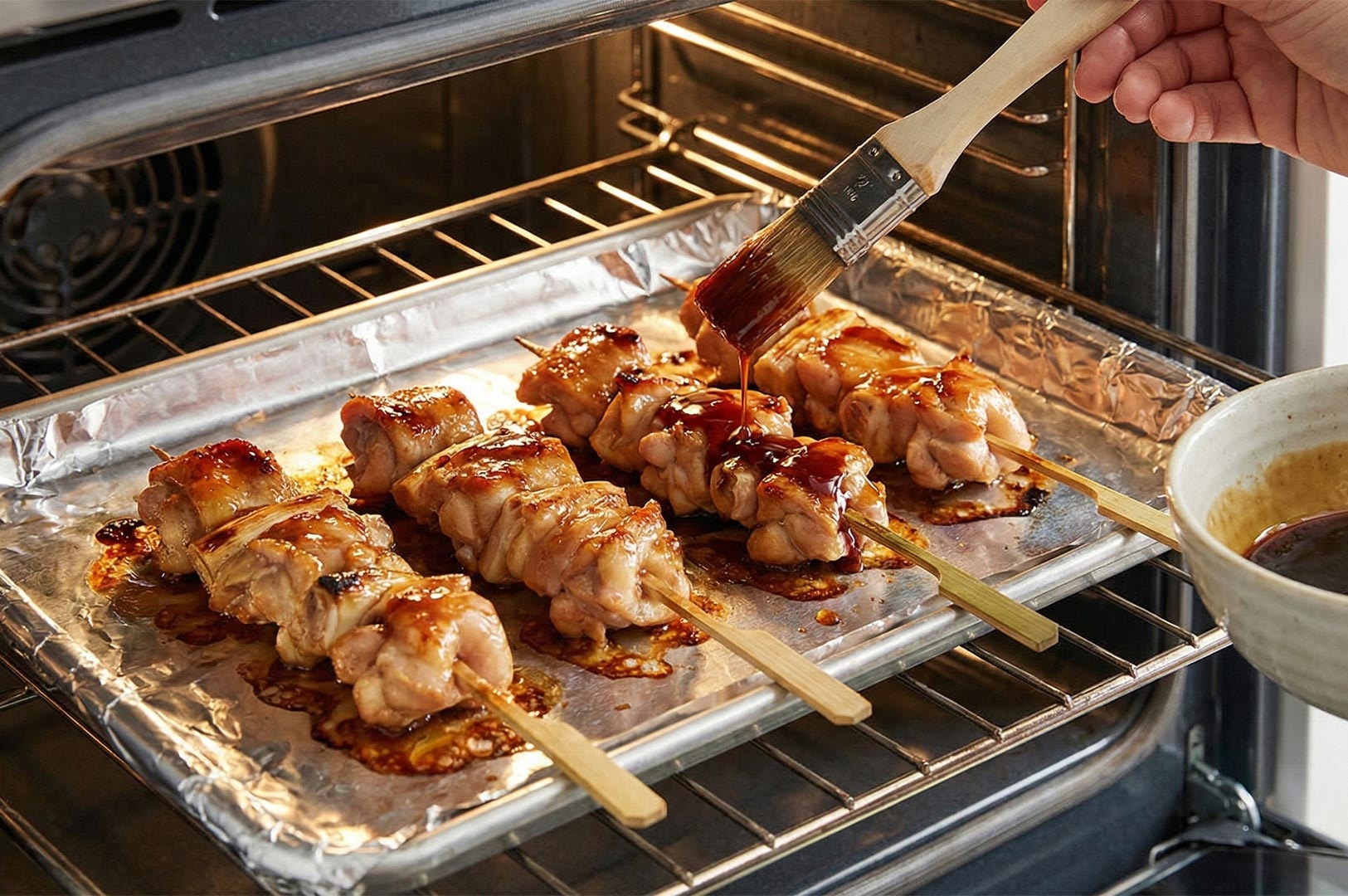
Yakitori can be enjoyed at home without specialty grills or charcoal. These methods work perfectly for making grilled chicken skewers or skewered chicken, allowing recreation of this popular Japanese dish:
- Safe Skewering: Use even, bite-sized chicken pieces; soak bamboo sticks to prevent burning.
- Finishing Sauce: Brush on tare homemade sauce during final moments—never as a marinade. This keeps the glaze bright and avoids overpowering the chicken.
- Cooking Methods: Use a hot oven on a wire rack or a heavy skillet on the stovetop. Turn skewers for even caramelization and set with a final brush of sauce. Both methods capture the flavor and texture of traditional yakitori.
- Food Safety: Chicken should always reach 74°C (165°F) internally. Let skewers rest briefly before serving for optimal juiciness.
Serve immediately for best flavor and texture.
Pairing Guide for Chicken Yakitori with Japanese Food
Balancing flavor and refreshment completes the experience:
- Drinks: Crisp Japanese lager and clean highballs complement fattier cuts, while dry sake brings out umami in tare-glazed skewers.
- Sides: Pickles (tsukemono) and citrusy salads cut through richness; plain rice soothes and rounds out the meal.
To learn more about charcoal nuances and aroma, see our binchotan mastery guide.
Mastering Chicken Yakitori at Home and Beyond
Chicken yakitori is a timeless Japanese culinary treasure that brings together grilling art, flavor harmony, and sharing joy. Whether you choose marinated chicken or simply seasoned cuts like skinless boneless chicken thighs, mastering this grilled chicken dish at home lets you enjoy juicy skewers bursting with authentic taste. Using quality ingredients such as chicken thigh fillets and preparing the homemade sauce in a small saucepan over medium heat ensures your yakitori captures the essence of yakitori restaurants and specialty restaurants alike.
With proper technique and attention to detail, your chicken yakitori can be equally delicious and satisfying as those served at a yakitori house. Don’t forget to store leftovers properly and reheat gently to preserve nutrition calories and flavor. We invite you to review the recipe and share your experience, as your required recipe ratings help others discover this delightful Japanese chicken dish.
Embrace tradition, experiment with variations, and savor every bite of your grilled chicken skewers—your journey into Japanese cuisine starts here!