
By Michelle Tan
気づきの時間 arrived unexpectedly for me at a yakitori counter.
Like many people, I had a habit of reaching for my phone between bites. A quick glance at messages. A scroll through social media. Nothing unusual. Then one evening, somewhere between a skewer of negima and a sip of tea, I simply stopped.
And that was when I started noticing everything else.
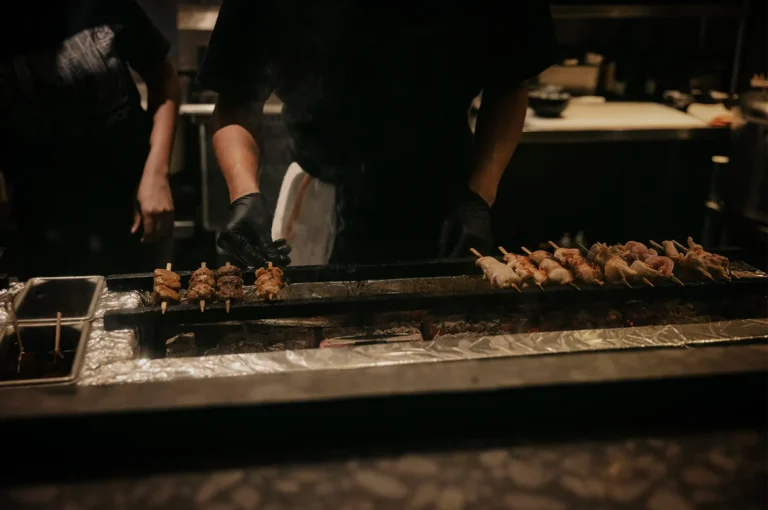
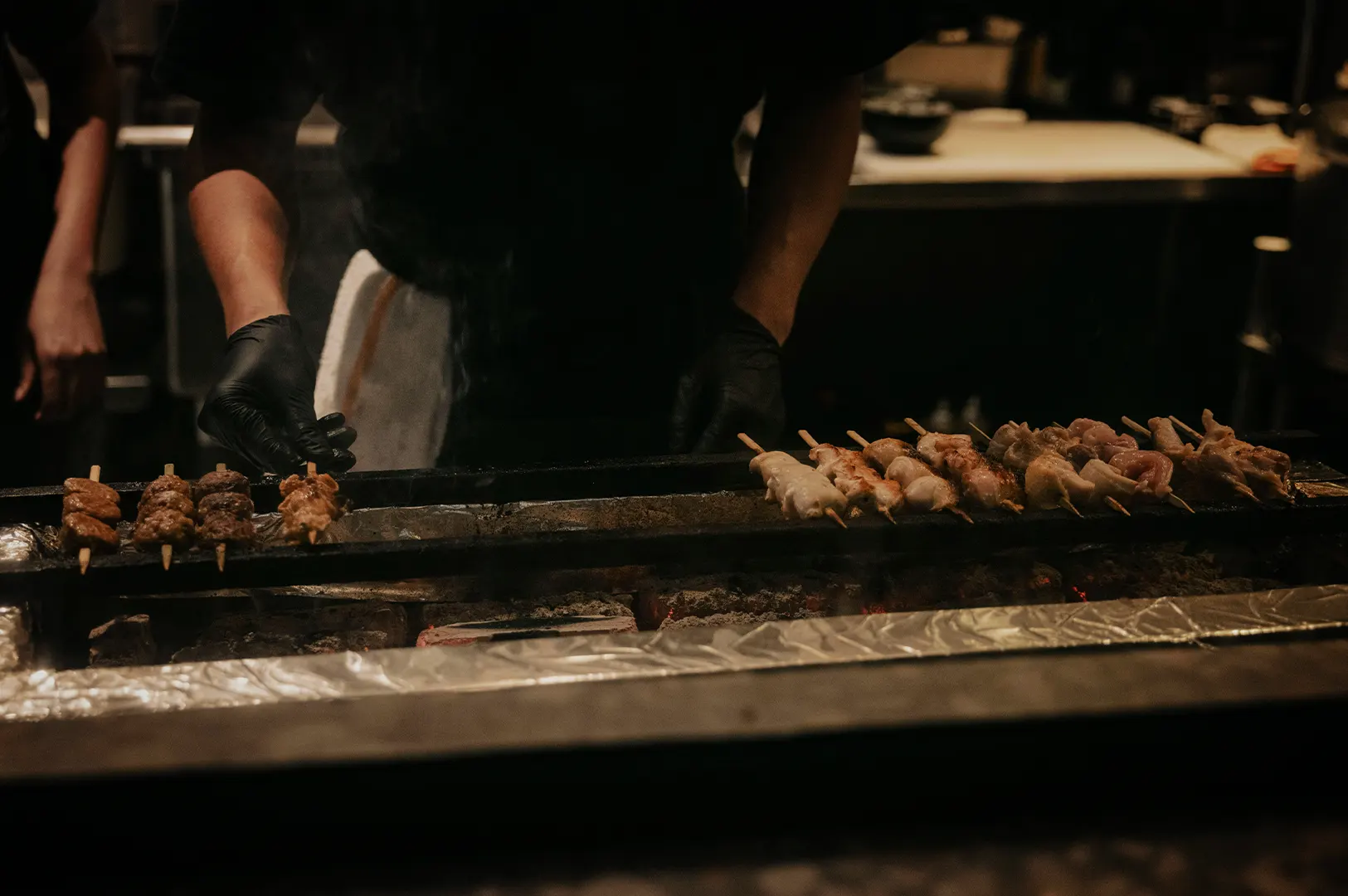
The chef wasn’t just grilling. He was constantly adjusting. A skewer moved slightly closer to the charcoal. Another was rotated seconds before the surface darkened too much. What looked effortless from a distance suddenly revealed itself as a series of tiny decisions.
I found myself watching longer than usual. The pace of the meal felt different. Slower, perhaps, but also more complete.
Later, I realised I was experiencing something that many serious yakitori restaurants quietly encourage. The meal isn’t only about eating. It’s about paying attention. In fact, our article on understanding omotenashi through yakitori technique in Singapore explores how hospitality often appears through timing, precision, and anticipation rather than words.
Once I understood that, the counter changed for me.
I noticed drinks being refilled before glasses became empty. I noticed how the richer skewers arrived later in the meal. I noticed how some chefs seemed to read the pace of their guests without needing conversation.
None of it felt dramatic.
That is probably the point.
The most memorable moments at a yakitori counter are rarely the loudest ones. They happen quietly, in the background, while smoke drifts upwards and charcoal glows beneath the grill.
And sometimes, all it takes to see them is putting your phone away for a little while.
Because the real entertainment has been sitting right in front of you all along.