
Yakitori delivery in Singapore has matured considerably over the past decade. When I first started looking for yakitori to order at home, the options were limited to a handful of izakaya-style restaurants. Today, the landscape is very different. Between chain outlets, specialised caterers, and frozen options available through grocery platforms, yakitori delivery in Singapore has become a reliable way to enjoy delicious charcoal-grilled skewers at home, in the office, or during small gatherings.
In my experience, delivery yakitori works best when approached with the right expectations. Some skewers travel better than others, and a little planning can make the meal feel intentional rather than incidental. The goal is not to recreate the full yakitori-ya experience, but to enjoy good skewers in a different setting with a commitment to quality and flavour.
This guide reflects what I’ve learned about ordering yakitori for delivery in Singapore, what travels well, what loses quality, and how to serve it in a way that still feels satisfying and hits the sweet spot of taste and texture.
Recommended Yakitori Singapore Delivery and Catering Services in Singapore: Your Ultimate Skewer Safari
1. TORI-Q style yakitori boxes: everyday, fuss-free delivery
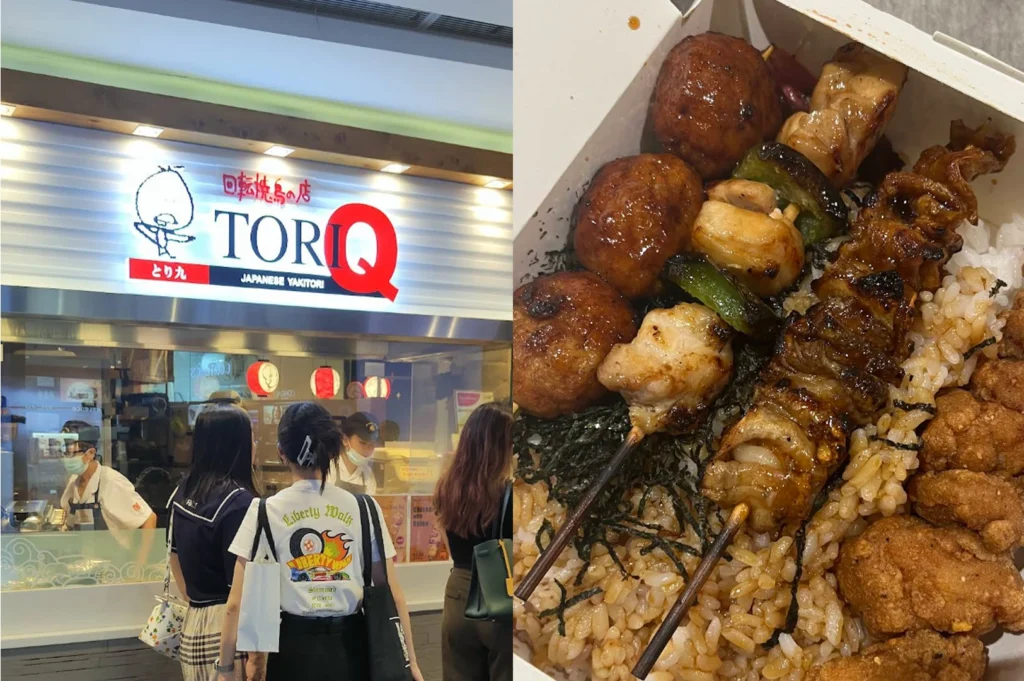
TORI-Q represents Singapore’s homegrown yakitori chain model: established since 2000, with over 20 outlets across high-traffic areas like Takashimaya S.C. The approach prioritises consistency through central kitchen inspection, auto-grilling machines, and daily handmade prep, ensuring each skewer is cooked to near perfection.
What travels well from TORI-Q-style chains:
- Chicken thigh skewers – the chain’s staple, reliably juicy and loved by customers
- Classic negima (chicken and spring onion) – compact, holds together well for delivery
- Tsukune balls – dense enough to retain warmth through 30–45 minute transit
- Heavily sauced items – the original tare sauce applied post-grill keeps meat moist and flavorful, with a sweet teriyaki glaze that customers enjoy
Party tray options, like 25-piece grilled yakitori sets, offer great value for family dinners or office gatherings, typically requiring a 2–3 day advance order.
Self-collection is available at most outlets, with courier delivery through platform apps. Packaging usually involves bento-style or party trays with skewers lined side by side, often cling-wrapped or lidded, accompanied by pickles, cherry tomatoes, and rice for fuller meals. The flavor profile features sweet, crowd-pleasing tare with consistent charring, making these skewers ideal for casual meals rather than purist charcoal enthusiasts seeking smoky depth.
2. NANBANTEI and traditional yakitori-ya delivery
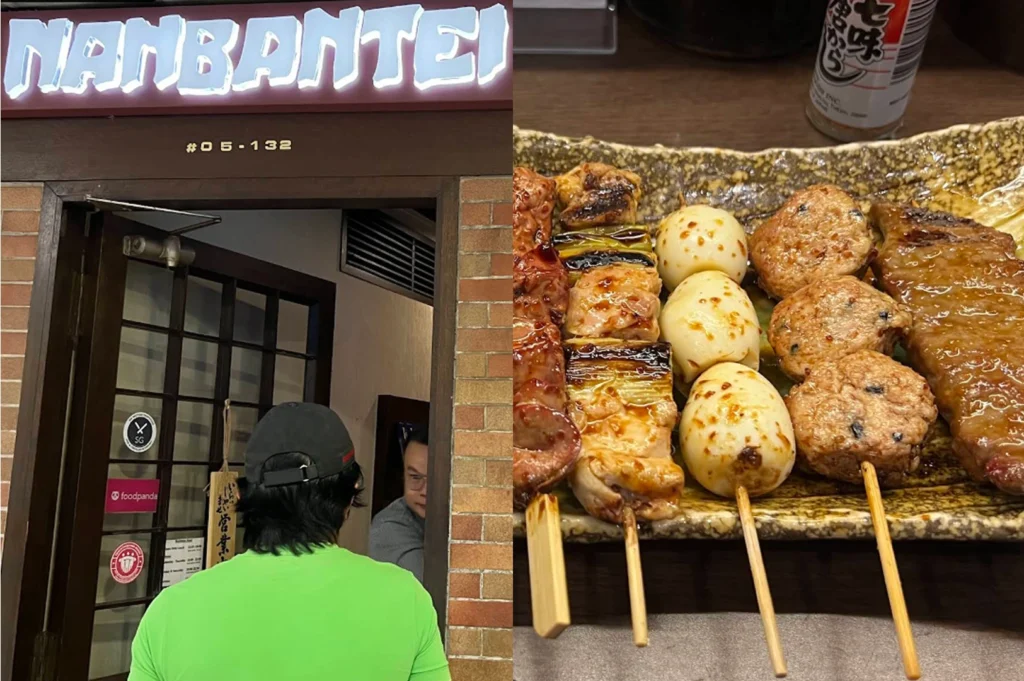
Nanbantei of Tokyo stands among Singapore’s earlier dedicated yakitori-ya, with 42 years in operation and a loyal customer base that now also orders via delivery platforms like Oddle Eats and WhatsApp for busy nights and festive periods.
Assorted platters and variety:
- Yaki Moriawase (8 sticks), Vege Yaki Moriawase (10 sticks), and premium options like Negima, Asparagus Maki, and Wagyu Yaki
- Variety helps groups with different preferences, vegetarians, meat-focused diners, and those seeking premium cuts can all find something
Yakitori platters typically cost around SGD 20+, placing them in the mid-range category, more expensive than cheaper chains but below omakase-style pricing. Premium items like wagyu alternatives, while available, may not be ideal for everyday delivery due to their price and tenderness loss during transit.
Delicate items and lean cuts cool quickly and can suffer in quality, with stock issues sometimes affecting popular items like grilled beef rib eye. Ordering early during peak times and public holidays is advisable to avoid long waits and stock shortages.
3. Unaga-style yakitori catering: Delivering quality charcoal-grilled skewers for parties and events
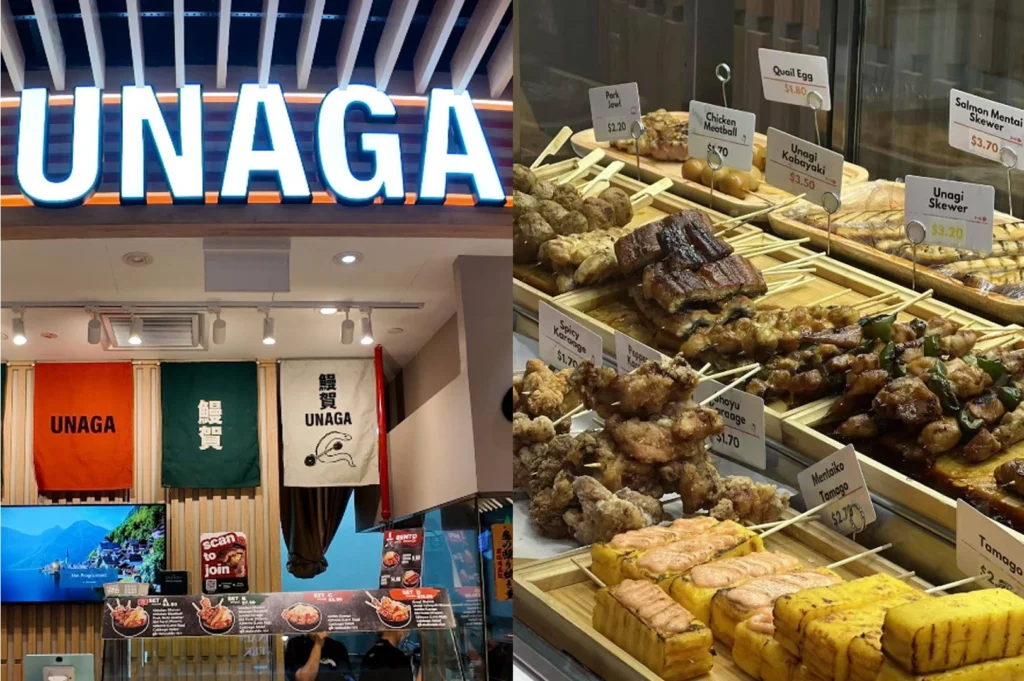
Unaga-like providers position themselves as specialized yakitori caterers, using charcoal grills and premium chicken cuts for groups, events, and corporate meetings. The model differs from single-order delivery in scale and preparation approach.
What makes catering-grade yakitori work for delivery:
- Skewers grilled in larger batches for efficiency
- Served in foil or aluminium trays with careful packaging to preserve the charcoal aroma and texture
- Held at safe, warm temperatures for short periods before drop-off
Typical pricing for yakitori catering in Singapore starts at around SGD 12 per skewer set or bundle, with minimum orders generally suitable for groups of 10 to 30 people. Budget options, such as those from Overjoy, offer chicken yakitori at SGD 1.80 per item for bulk orders.
Packaging typically includes compartmentalized catering boxes or vented foil trays to prevent condensation, with sauces packed separately when possible to preserve texture. These trays stack efficiently for transport but may cool faster without insulation.
Yakitori Singapore Delivery: What I Expect When Ordering
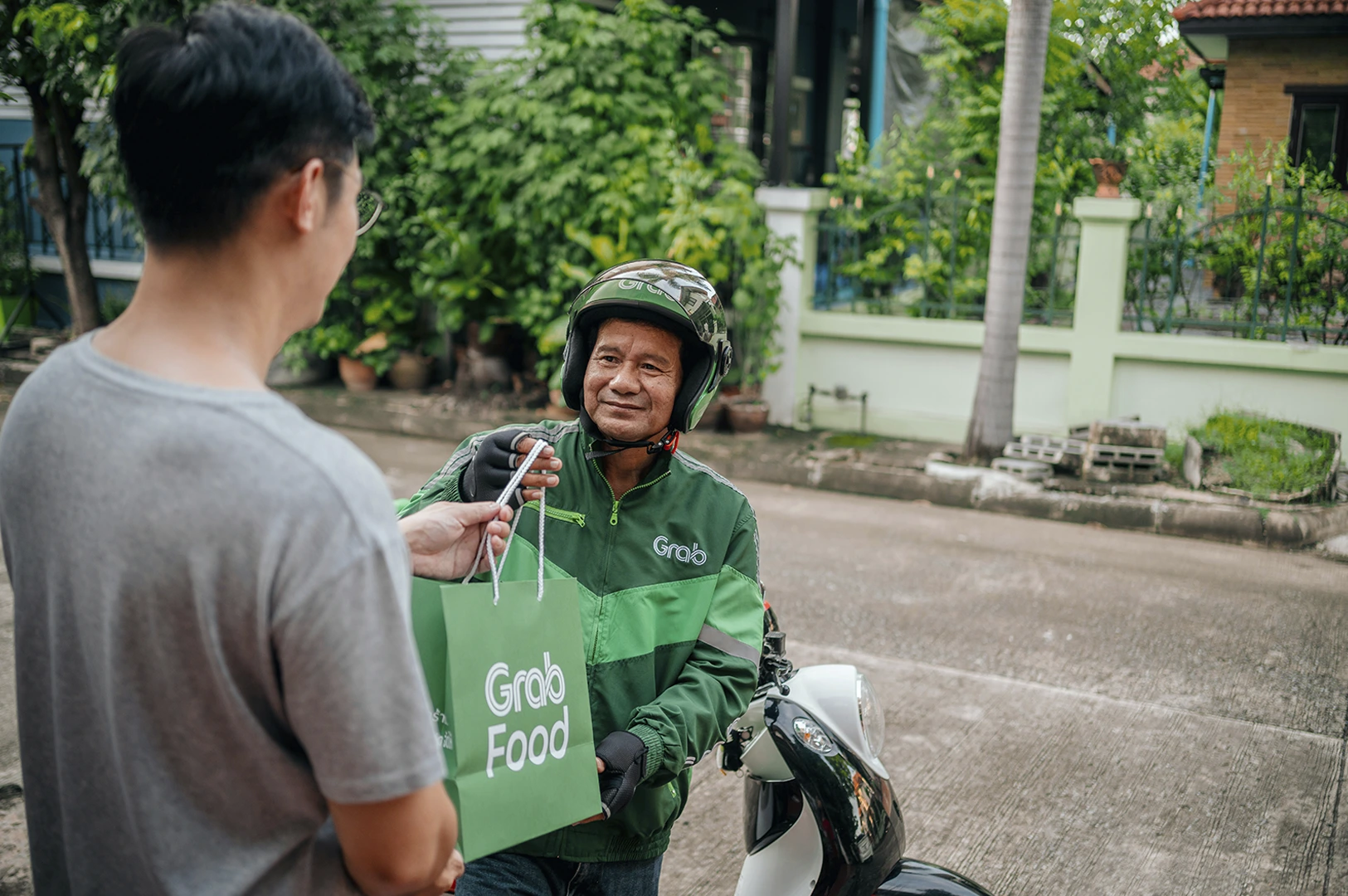
Singapore’s delivery ecosystem makes ordering Japanese food remarkably easy. Platforms like GrabFood, Foodpanda, Deliveroo, and in-house systems such as Oddle Eats have normalised restaurant delivery across the island. Yakitori adapts surprisingly well to delivery because skewers are naturally portioned and easy to package. That said, not all yakitori performs equally during transit.
From my experience, chicken thigh skewers are the safest choice. They retain moisture and flavour even after a 20–30 minute ride. Tsukune and vegetables like shiitake mushrooms or cherry tomatoes also travel well. Leaner cuts tend to struggle more. They can dry out quickly once they leave the grill, especially if they are seasoned lightly with salt rather than sauce. Sweet glazes such as tare or teriyaki help retain moisture, although too much sauce can soften the grilled surface.
Supermarket and Frozen Yakitori Sticks: Delivery via Grocers with Cherry Tomatoes and Onsen Egg Pairings
Frozen yakitori options have become increasingly available across local supermarkets, Japanese specialty grocers, and online grocery platforms, offering a convenient alternative for yakitori lovers. Products like “Yakitori Chicken Sticks (10pcs)” are typically pre-grilled or par-cooked and coated with a yakitori-style glaze, often similar to teriyaki, designed for easy reheating at home using an oven, air fryer, or pan.
These frozen options provide several advantages, including a long freezer life for spontaneous meals, cost-effectiveness compared to restaurant delivery, and the flexibility to cook only the quantity needed, reducing food waste. To enjoy a delicious home meal, these skewers can be paired with cherry tomatoes and sautéed vegetables for color and freshness, served over rice with an onsen egg for an izakaya-style don, or complemented with salmon sashimi or grilled salmon for variety.
How to Reheat and Serve Yakitori at Home for Perfection
Even the best yakitori loses some heat and char during transit. Smart reheating can significantly improve the at-home experience, bringing back crispness and warmth.
Reheating methods:
| Method | Temperature | Time | Best For |
|---|---|---|---|
| Oven/toaster oven | 200°C | 5–7 minutes | Reviving char on mixed skewers |
| Air fryer | 180–200°C | 3–5 minutes | Re-crisping skin and edges |
| Hot pan or grill | Medium-high | 2–3 minutes per side | Quick searing for individual sticks |
Avoiding dryness:
- Cover lightly with foil initially to trap moisture
- Add a small brush of tare or water before reheating
- Limit time to just enough to warm through; overcooking ruins texture
Ordering Strategies: Making Yakitori Delivery Feel Intentional and Delicious
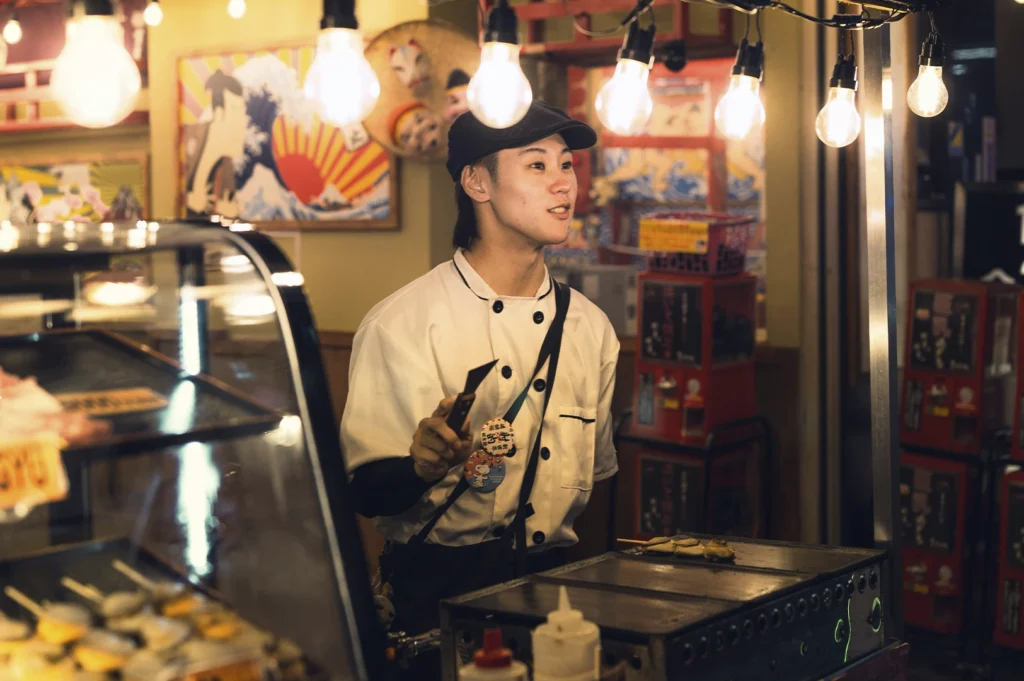
Yakitori can feel like a random add-on when ordering Japanese delivery. With some planning, it becomes the main event rather than an afterthought.
Flavour variety:
- Mix tare and shio (salt) skewers in the same order for contrast
- Note these preferences in delivery app instructions when adding to your cart
- Some platforms allow customisation; others require phone ordering for specifics
Timing considerations:
- Factor in peak-hour delays (5–8 PM typically busiest)
- Consider preordering for specific time slots where available
- Plan a short reheat window before serving everyone together
- Selecting venues with an address near you—like TORI-Q’s 20+ outlets—can cut delivery times under 25 minutes
Creating a complete meal:
- Pair delivery yakitori with a simple homemade element: miso soup, salad with cherry tomatoes, or rice cooked at home with an onsen egg
- This transforms delivery into a more intentional meal rather than a transaction
- Items loved by regulars like negima and tsukune form a reliable foundation to build around
Where Yakitori Delivery Shines and Where It Doesn’t in Singapore
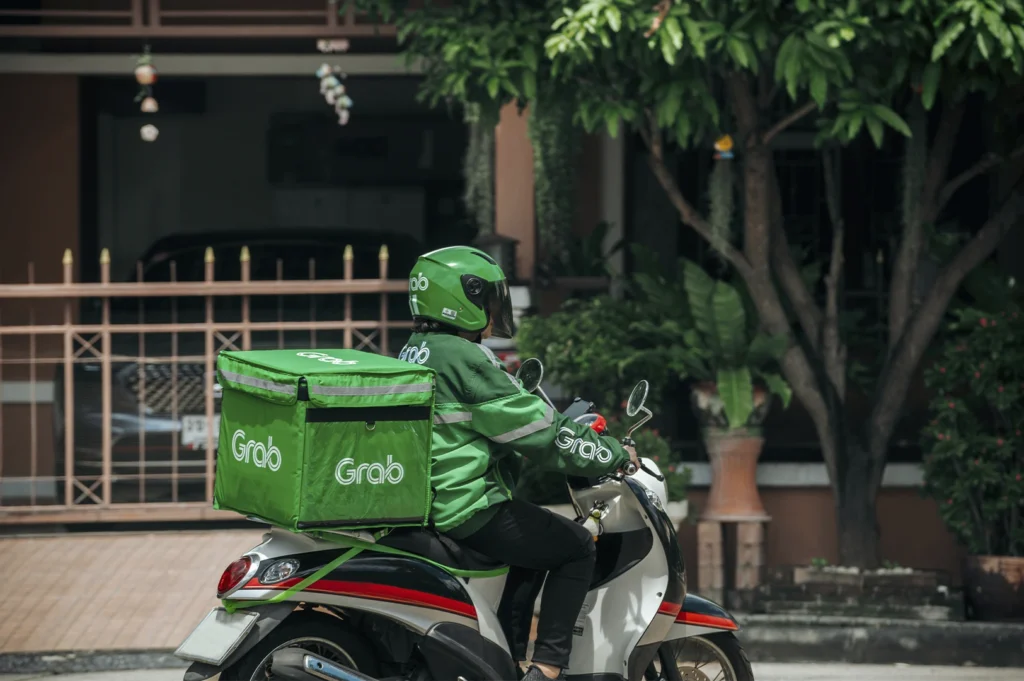
Delivery has made yakitori far more accessible in Singapore. For casual dinners, family meals, or office gatherings, it offers convenience and variety without requiring a night out. It works especially well for group settings, last-minute cravings, or weeknight meals where comfort and practicality matter more than ceremony.
At the same time, some aspects of yakitori remain best experienced in person. The aroma of charcoal, the rhythm of skewers turning over the grill, and the immediacy of eating straight from the fire are difficult to replicate through delivery. Still, with thoughtful ordering, smart reheating, and realistic expectations, yakitori delivery can be genuinely satisfying.
It may never fully match the live grill experience, but it does not need to. In Singapore’s evolving Japanese food scene, both have their place: delivery for everyday comfort, and the occasional yakitori-ya visit for the full craft and atmosphere. The choice simply depends on the occasion.
For those interested in exploring more about the finest yakitori experiences available in Singapore beyond delivery, there are excellent resources that delve into top-rated yakitori spots and their unique offerings.