
When I search for telok ayek yakitori, I often notice something curious. What looks like a spelling variation usually leads me to the same stretch of road, the same after-work rhythm, and the same quiet appreciation for charcoal-grilled skewers.
Telok Ayer, named after the Malay phrase for “water bay,” was originally a coastal road along the former shoreline of Telok Ayer Bay. To me, it speaks of the area’s deep connection with the sea, long before land reclamation reshaped the city. The projects from 1887 through the early 1900s transformed Telok Ayer Bay into the dense business district it is today, creating a rare overlap of heritage and modern work life.
Telok Ayer Street and the First Arrivals
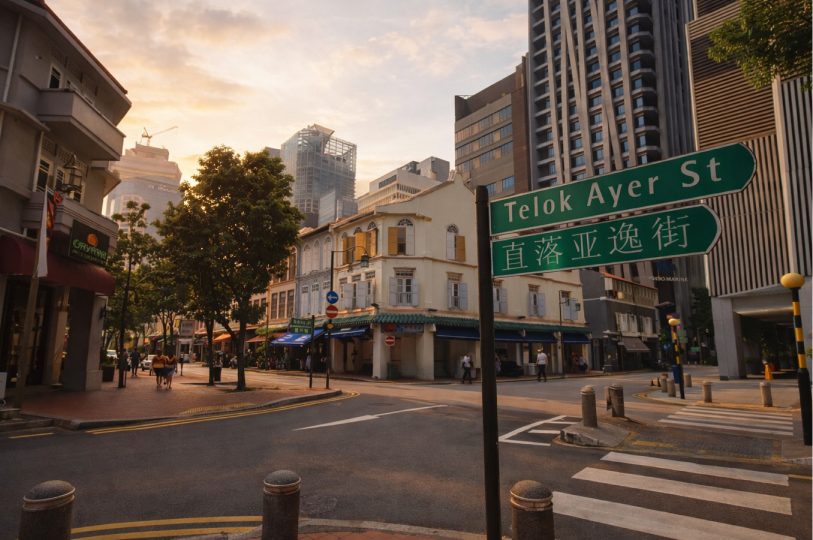
I’ve learned that Telok Ayer Street served as the primary landing site for Chinese immigrants from China in the early 1800s. In 1822, Stamford Raffles designated the area as a Chinese district, formalising its role as a centre for community organisation, religion, and trade. The Hokkien, Hakka, and Cantonese communities settled here, alongside South Indian Muslim Chulias.
Walking the street, I see religious buildings that still trace those early movements. The Thian Hock Keng Temple, one of Singapore’s oldest Hokkien temples, was built in honour of Ma Zu Po, the Goddess of the Sea, to whom many came to worship after safe passage across the sea. The conservation efforts ensure that the original character of the district, once a coastal road and landing site, is preserved amidst the modern cityscape.
Night Flames: The Two Yakitori Counters That Ignite Telok Ayer
1. Yakitori Gosso on Telok Ayer Street
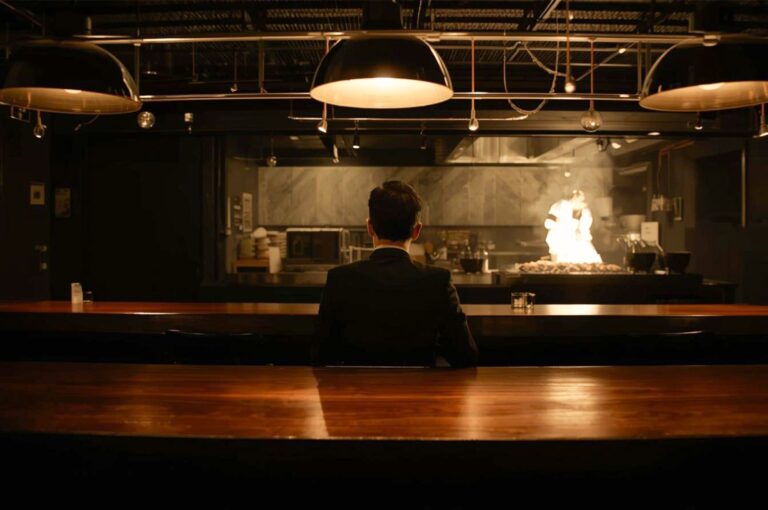
I’ve tried many spots, but Yakitori Gosso stands out for its consistency. Located at 91 Telok Ayer Street, this restaurant opens daily from 5:30pm to 11:00pm. The space is compact, with counter and table seating close enough to the grill that you can notice small changes in heat and timing.
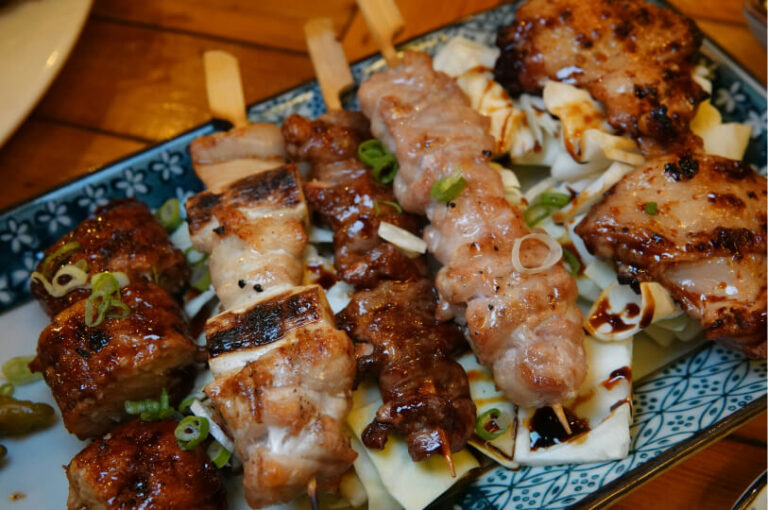
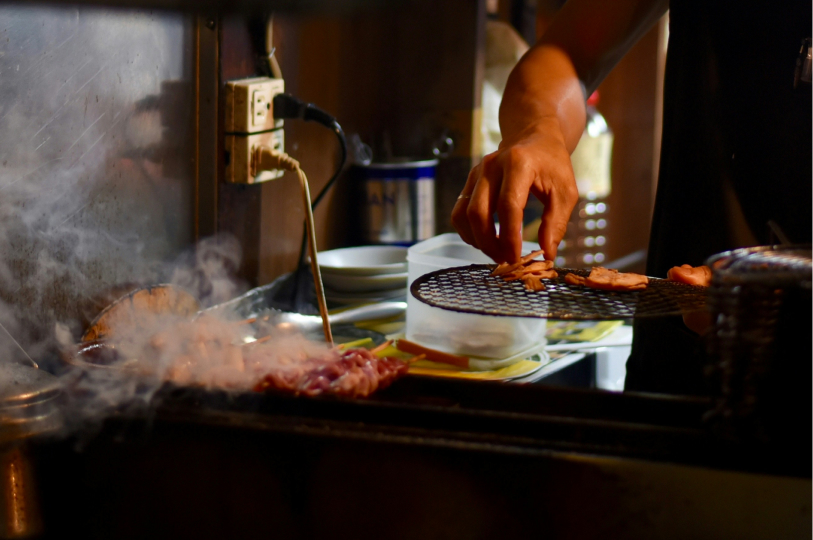
What keeps drawing me back is the steady rhythm of skewers arriving directly from the charcoal grill, plated simply. Chicken is treated with restraint, vegetables appear when appropriate, and seasoning is applied with confidence rather than excess. Pork options sit alongside chicken, offering variety without overwhelming the menu.
For many searching telok ayek yakitori, Yakitori Gosso becomes the default. Not because it tries to impress, but because it closes the day properly.
2.Tori San 雞湯桑 Near Thian Hock Keng Temple
A short walk away, I’ve also enjoyed Tori San 雞湯桑, which offers a slightly different take on yakitori in Telok Ayer. Located at 116 Telok Ayer Street, it operates from 11:30am to 2:30pm and 5:30pm to 10:00pm daily.
While skewers remain central, the space leans toward a more relaxed izakaya atmosphere. Tables accommodate small groups easily, and conversation flows more freely. Yakitori is often paired with comforting side dishes, and the overall energy feels warmer and less restrained.
I find Tori San suits casual dinners and unplanned meet-ups, especially on evenings when the boundary between work and rest needs to soften gradually. For diners searching under telok ayek yakitori, Tori San often becomes the choice when familiarity matters more than focus.
Why Telok Ayer Works for Yakitori
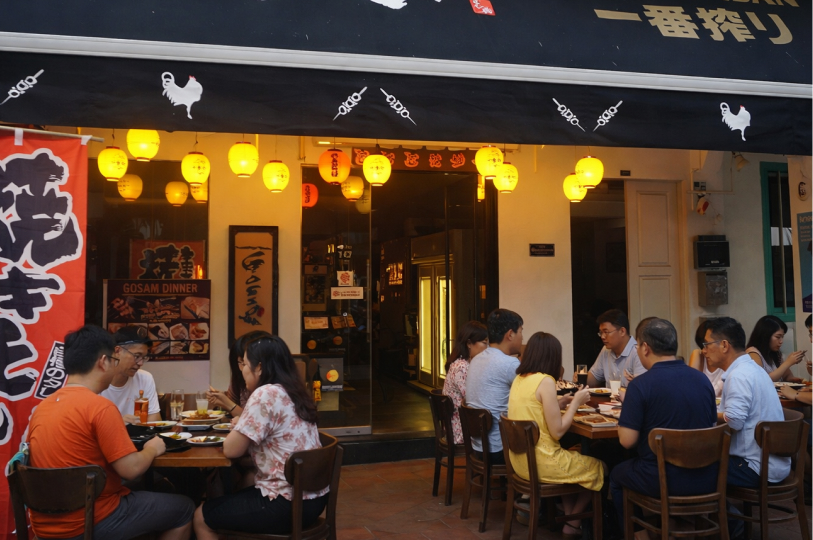
To me, Telok Ayer’s appeal lies in scale and location. It sits firmly within Singapore’s CBD, yet avoids the noise and spectacle of larger dining clusters. Yakitori does not compete well with distraction. It asks diners to sit, watch, and eat with intention.
The street supports this naturally. Office workers arrive without fanfare, take familiar seats, and let the grill take over where the workday ends. Yakitori culture here grew steadily from the early 2000s, shaped by regulars rather than trends.
Many times, I find myself thinking about the meal long after I leave, not because it surprised me, but because it did exactly what it promised.
Choosing Between the Two
Yakitori Gosso and Tori San don’t compete directly. They serve different moods within the same neighbourhood. One leans toward quiet precision. The other toward comfort and ease. Both understand Telok Ayer’s role in the CBD. Neither tries to be a destination restaurant. Both function as places of return.
On Friday evenings, both spots are especially active, with diners arriving after work to mark the end of the week. Pork skewers sit comfortably alongside chicken, drinks are poured without ceremony, and tables turn without pressure.
From Amoy Street Food Centre to Evening Tables
During the day, Telok Ayer moves quickly. I often stop by Amoy Street Food Centre, nearby, where affordable lunches draw steady crowds for local dishes like fish soup, beef noodles, and rice plates. Office workers, myself included on busy days, enjoy quick meals here before returning to work.
But evenings shift the tone. Tables fill more slowly. Drinks replace takeaway cups. Telok Ayer Street becomes a place to sit rather than pass through. Yakitori belongs to this second rhythm.
A Short Street With a Clear Identity
Telok Ayer may not be long, and its yakitori options may be few, but that concentration is its strength. The street does not overwhelm diners with choice. It offers clarity. The name still refers to its origins as a coastal bay, even though the sea has long receded. What remains is a street that understands pause.
If you plan to visit and book a meal here, I recommend making reservations at Yakitori Gosso and Tori San, especially on Fridays when availability is limited. The nearby Capri by Fraser hotel offers convenient accommodation for those wanting to explore Telok Ayer’s rich mix of heritage temples, shophouses, and modern eateries.
If you’re curious to explore more of Singapore’s finest yakitori offerings beyond Telok Ayer, be sure to check out our comprehensive guide to the best yakitori in Singapore.