
Finding the perfect charcoal-grilled chicken skewer in Singapore can feel like a relentless pursuit. I often find myself navigating the bustling streets of Somerset, searching for a delicious dinner that offers both precision and comfort. Two names frequently dominate the conversation among local food enthusiasts: Kai Yakitori and Fukuda Yakitori.
Both establishments command respect. Both utilize high-quality charcoal to create an exceptional meal. Yet, they cater to entirely different dining philosophies. One embraces a modern, accessible approach, while the other remains a bastion of purist tradition. If you are hungry and looking to discover your next favorite yakitori destination, understanding the nuances between these two counters is essential. Let us explore which restaurant aligns better with your palate and dining preferences.
The Core Philosophy: Modern Luxury at kai yakitori vs. Traditional Purity at Fukuda
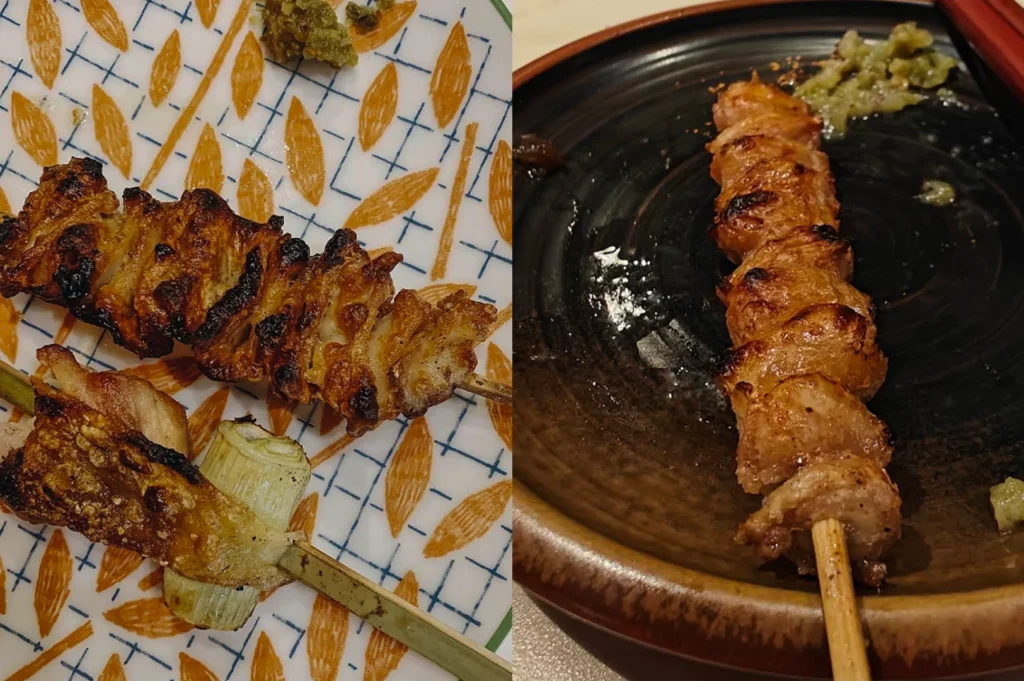
When you step into a dedicated yakitori counter, the chef’s philosophy dictates every aspect of your meal. At Kai Yakitori, the approach leans toward modern omakase. The culinary team aims to deliver a refined, slightly contemporary experience that feels curated and highly polished. This place balances traditional grilling technique with approachability, making it an excellent choice for diners who want a guided, luxurious experience without feeling intimidated by rigid etiquette.
Fukuda Yakitori operates on a different frequency. This counter is built for purists. The chef strictly controls the order, timing, and technique of every skewer that hits the plate. There is less emphasis on entertainment and a much heavier focus on respecting the craft, the raw ingredients, and the fire. Fukuda demands a diner who understands and appreciates the subtle differences between salt applications and exact rendering temperatures.
Location and Accessibility: Navigating to 150 Orchard and Orchard Plaza Singapore
The physical location of a restaurant often sets the tone before you even take your first bite. Kai yakitori benefits from a highly visible and accessible spot near 150 Orchard Road (specifically around Orchard Gateway and 313 Somerset area, postal code Singapore 238841). It integrates seamlessly into a casual evening of shopping or post-office unwinding. You do not need a map to find it; the sleek exterior invites you right in.
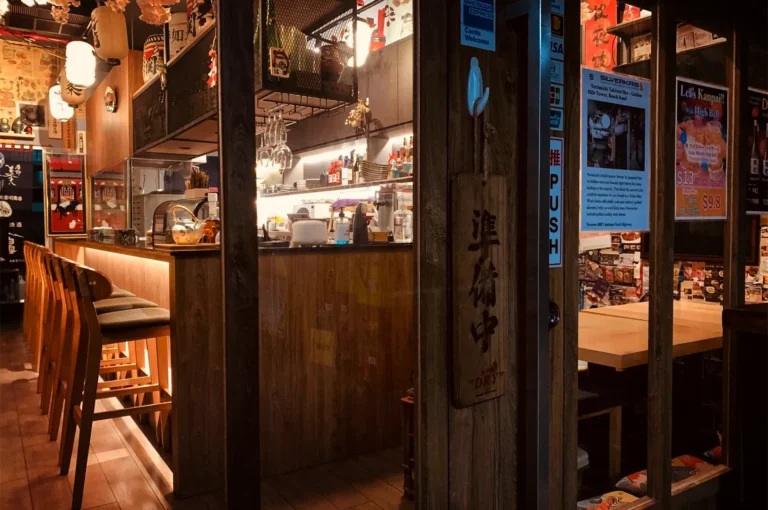
In contrast, Fukuda Yakitori feels like a well-kept secret. It is tucked away inside Orchard Plaza Singapore, an older, less polished building known for housing hidden Japanese culinary gems. Navigating the quiet corridors of Orchard Plaza adds a sense of destination dining. It feels like a place you need to know about to find. If you want an easy, visible meeting spot to share with friends, kai yakitori wins. If you prefer the thrill of a hidden Tokyo-style alleyway find, Fukuda delivers that atmosphere perfectly.
The Menu Breakdown: Experiencing the Omakase Kushi
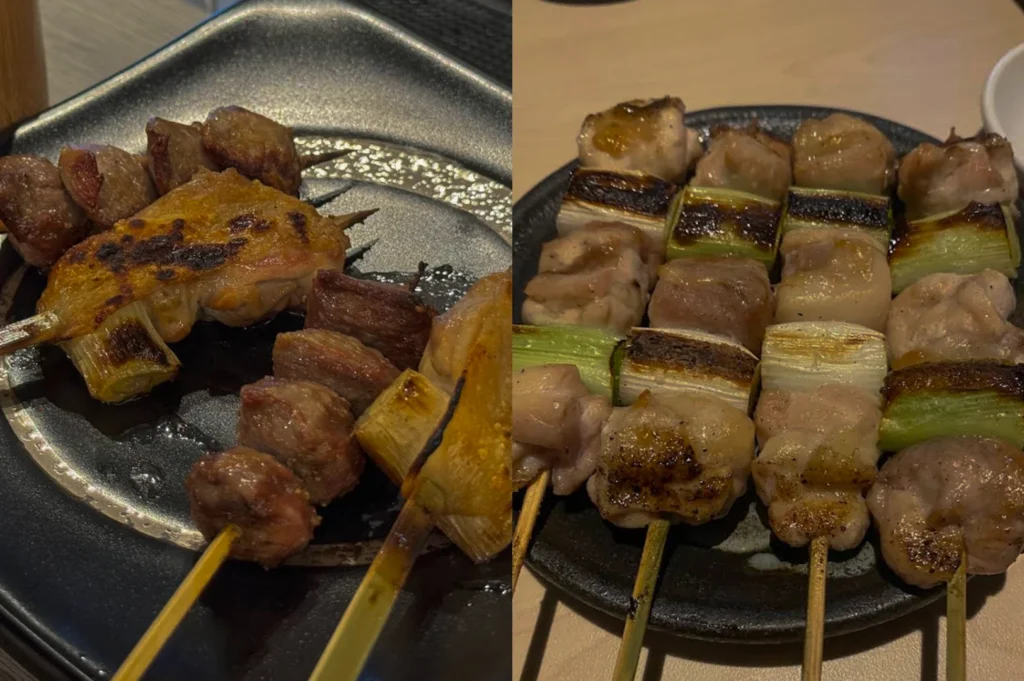
Both counters excel in their tasting menus, but their structures vary significantly. The omakase kushi (skewer omakase) at Kai Yakitori offers a broad, welcoming variety. You will find a mix of premium chicken cuts, but the menu also weaves in high-quality pork and seasonal vegetables. This variety creates a balanced progression that prevents palate fatigue. The flavors lean toward being slightly softer and more forgiving, often utilizing sweet and savory tare (sauce) glazes that appeal to a wide audience.
Fukuda Yakitori offers a much more focused and intense omakase kushi. The menu here is almost exclusively dedicated to chicken, diving deep into offal cuts like liver, heart, and gizzard. The chef relies heavily on salt (shio) to highlight the pure, clean flavor of the meat, leaving very little margin for error. Every skewer I tasted here showcased an aggressive, precise application of heat. If you wanted a broader variety of proteins, you might find yourself wishing for a bit more diversity. However, if you want to understand the true depth of chicken cooked over binchotan, Fukuda is unparalleled.
Before the grilling begins, both venues typically start you off with a delicate appetiser. Kai Yakitori might offer something bright and contemporary, perhaps featuring a splash of yuzu, while Fukuda tends to serve a minimalist, traditional starter that prepares your palate for the rich smoke to come.
Signature Skewers: The Ultimate Minced Chicken Test
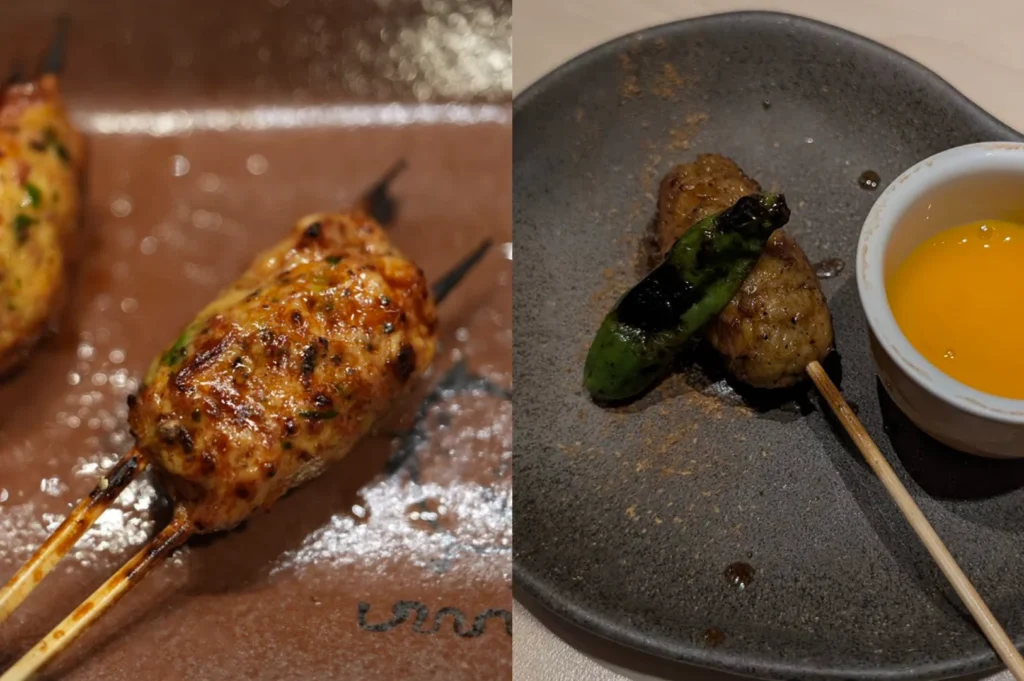
You can tell a lot about a yakitori chef by how they handle their tsukune. The minced chicken skewer serves as the benchmark for any serious grill counter.
At Kai Yakitori, the minced chicken is a masterclass in approachable luxury. It arrives wonderfully soft and juicy, expertly formed around the bamboo sticks. They serve it with a rich, vibrant raw egg yolk for dipping. When you break the egg and coat the hot, tare-glazed meat, the result is undeniably delicious. It is a comforting, rich bite that leaves you wanting another round.
Fukuda takes a slightly firmer, more texturally complex approach to their minced chicken. The chef incorporates finely chopped cartilage into the mix, providing a distinct, satisfying crunch with every bite. It is less about the sweet glaze and more about the savory depth of the chicken itself. Both are exceptional, but they highlight the overarching difference between the two restaurants: kai yakitori aims for smooth, rich comfort, while Fukuda aims for textural and traditional authenticity.
Closing the Meal: Comfort in a Small Rice Bowl and Warm Soup
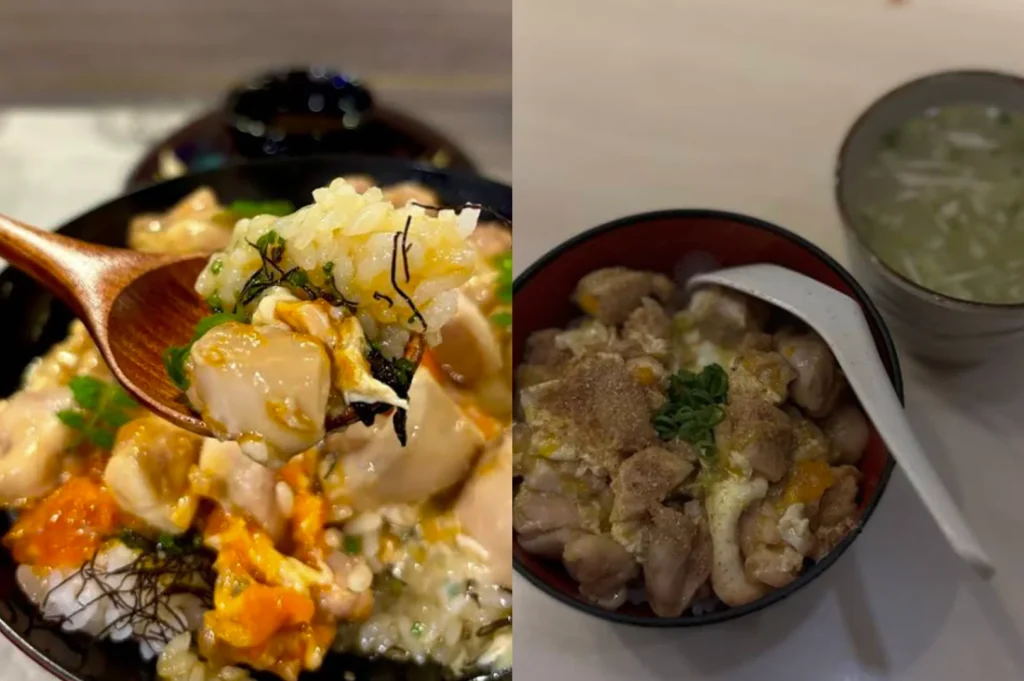
Pacing is everything in a multi-course dinner. After working through a dozen meticulously grilled sticks, the transition to carbohydrates is a welcome relief.
At Kai Yakitori, the meal often transitions smoothly into a beautifully presented small rice bowl, topped with premium ingredients that echo the luxury of the earlier courses. You might find a delicate, clear soup served alongside it to cleanse the palate. I left feeling completely satisfied, the portion sizing calculated perfectly to leave you full but not overwhelmed.
Fukuda’s finishing courses are deeply traditional. Their small rice bowl is often a masterclass in simplicity, perhaps a rich, slow-simmered chicken broth poured over rice (ochazuke), accompanied by a robust, deeply savory soup made from the bones of the very chickens you just ate. It is a rustic, soulful end to an intense dining experience. I never wished for anything more complex; the simplicity was exactly what the meal required.
Atmosphere and Audience: Who Are These Counters Built For?
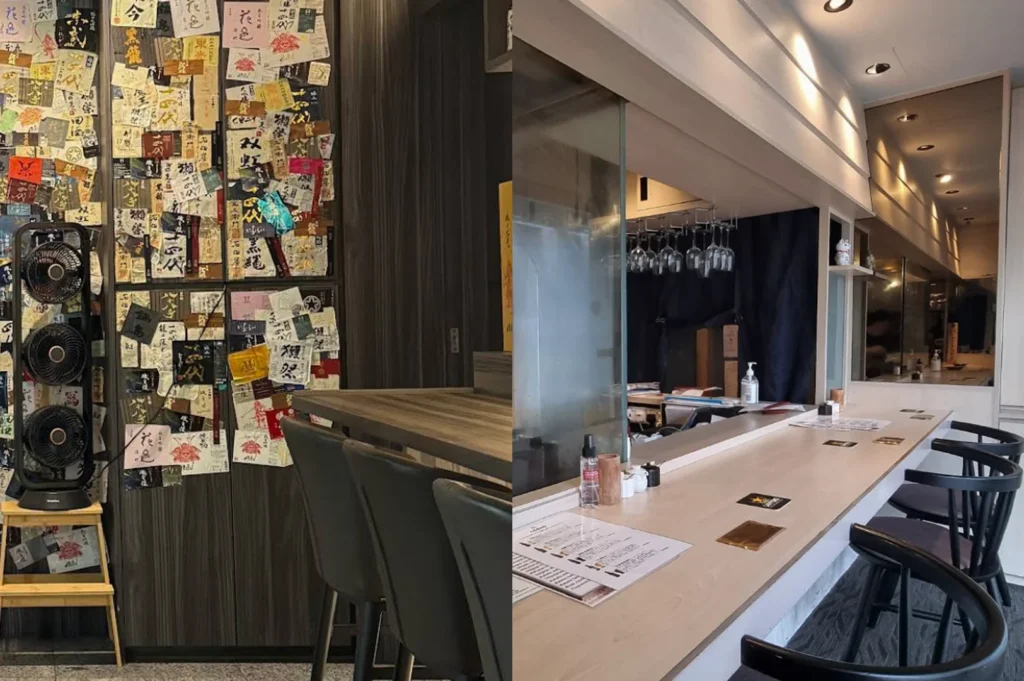
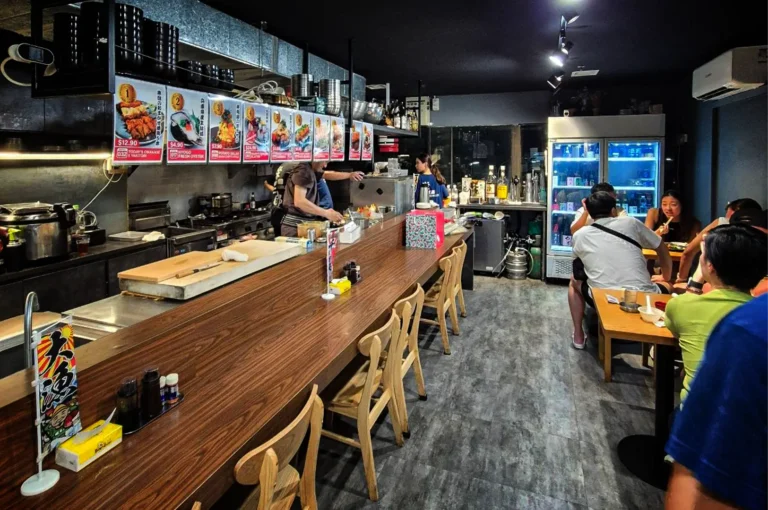
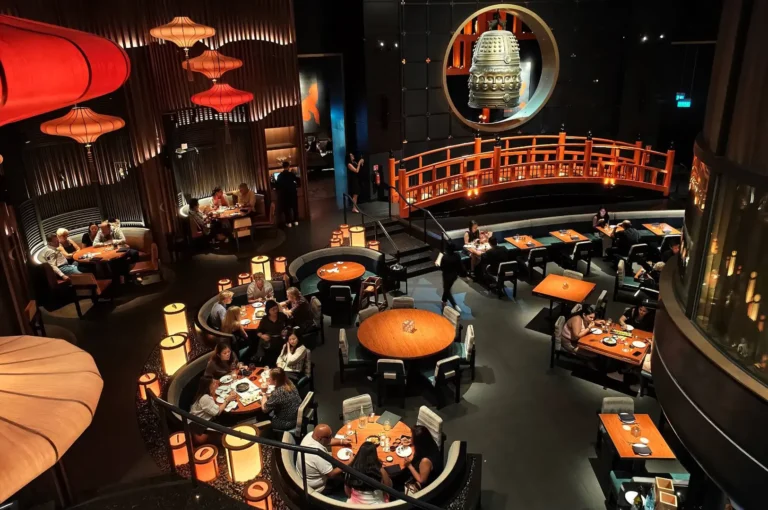
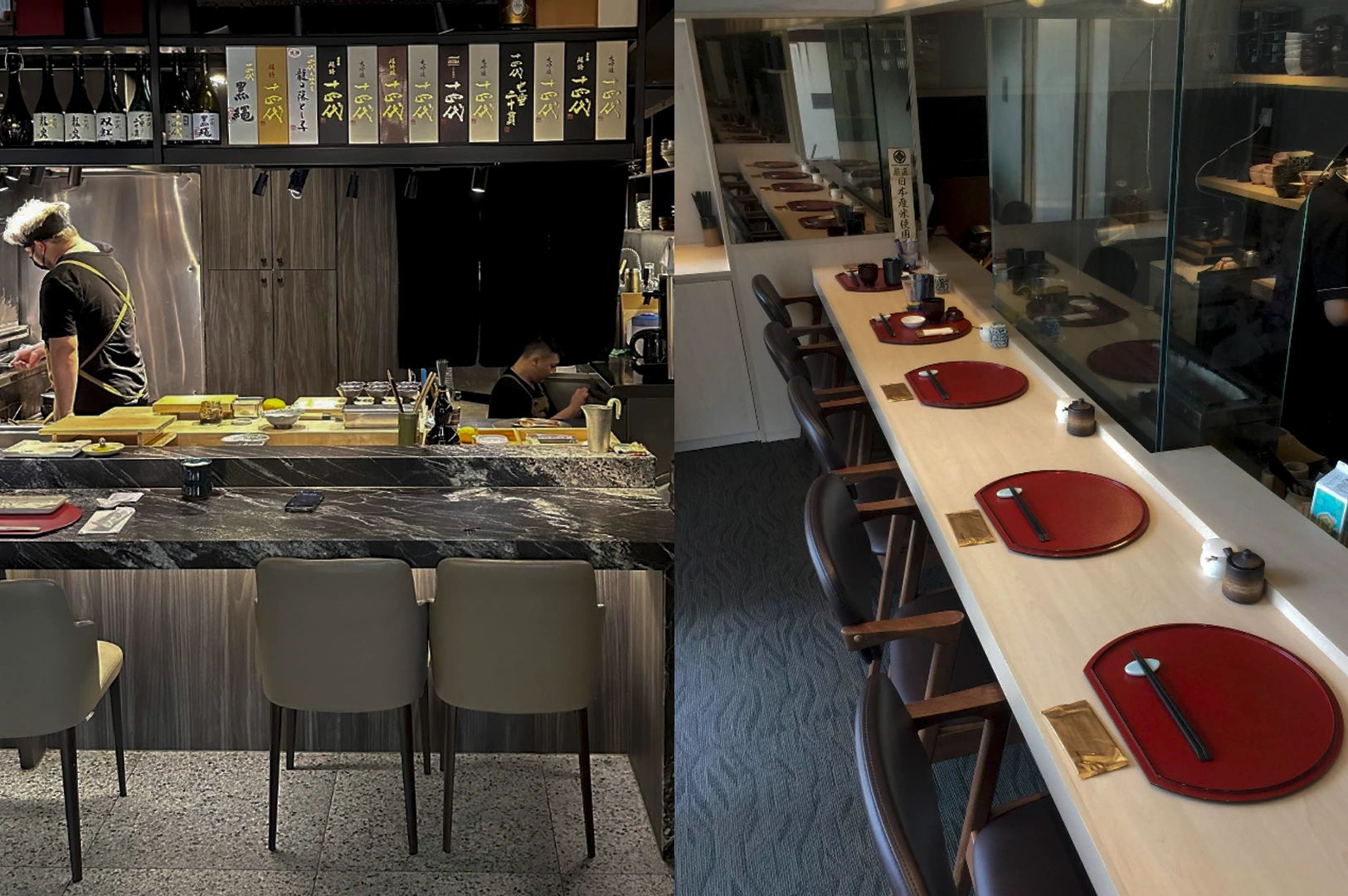
The vibe inside these two establishments dictates who will enjoy them most. Kai Yakitori features a polished, modern interior. The seating is comfortable, the lighting is warm, and the staff encourages quiet conversation. It is a fantastic venue for a date night, a small group celebration, or a dinner with colleagues. You can freely comment on the food and share a bottle of sake without feeling like you are disrupting the peace.
Fukuda operates on a different wavelength. The counter is very small, intimate, and noticeably quiet. The chef is the absolute focus of the place. This environment caters to solo diners, serious food enthusiasts, and industry professionals who come to study the craft. It is not the place for a loud celebration. You come here to pay attention to the food.
Pricing and Securing a Reservation
When comparing value, both restaurants sit firmly in the mid-to-premium range, typically starting around $80 to $120 per person before drinks.
Securing a reservation, however, highlights their differences in accessibility. kai yakitori has slightly more seating and higher turnover, making it easier to book a table for a spontaneous dinner later in the week. Fukuda’s highly limited seating and dedicated niche following mean you must plan well in advance. Getting a seat at Fukuda requires patience and a bit of luck, which only adds to its mystique.
The Ultimate Showdown: Kai Yakitori vs. Fukuda Yakitori
Choosing between Kai Yakitori and Fukuda Yakitori ultimately comes down to what you value most in a dining experience. If you want a polished, comfortable evening with a varied menu, accessible flavors, and a modern atmosphere, kai yakitori is the clear winner. It delivers a delicious, highly curated meal that will please almost anyone you bring along.
If you are a purist seeking a traditional, uncompromising look at Japanese grilling techniques, Fukuda is your destination. Hidden away in Orchard Plaza Singapore, it offers an intense, educational, and deeply rewarding meal for those who respect the old-school ways of the grill.
Whichever you choose, Somerset remains one of the best neighborhoods in Singapore to explore the art of food cooked over fire, as detailed further in our article,What Yakitori Counters Begin to Show You at Somerset Singapore.