
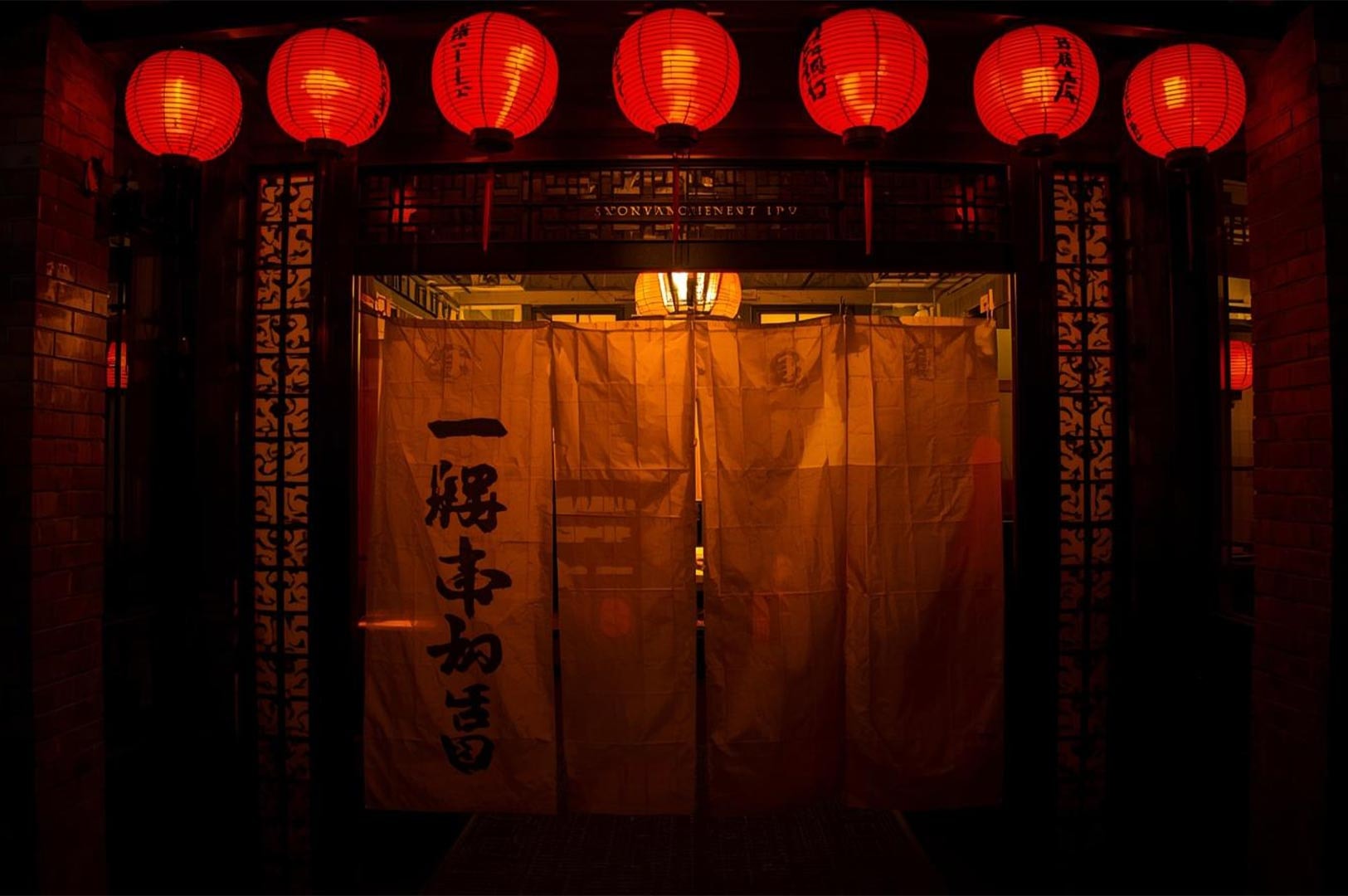
The soul of a Japanese izakaya is found not just in its lively atmosphere, but in the thoughtful progression of small plates shared among friends. Stepping into these authentic pubs, you are greeted by the warm glow reminiscent of the rising sun, setting the stage for a culturally immersive dining experience. This guide is your invitation to discover the best izakayas singapore, highlighting top choices for those seeking an authentic taste of Japan. Izakaya food is designed to complement drinks and conversation, unfolding gradually over an evening.
While we celebrate the traditions of japanese izakaya and traditional izakaya cuisine, we also embrace the modern izakaya experience—featuring innovative cocktails and vibrant settings. Alongside classics, many izakayas serve authentic yakitori, showcasing expertly grilled chicken skewers Inside Singapore’s Izakaya Scene.
What Is “Izakaya Food”?
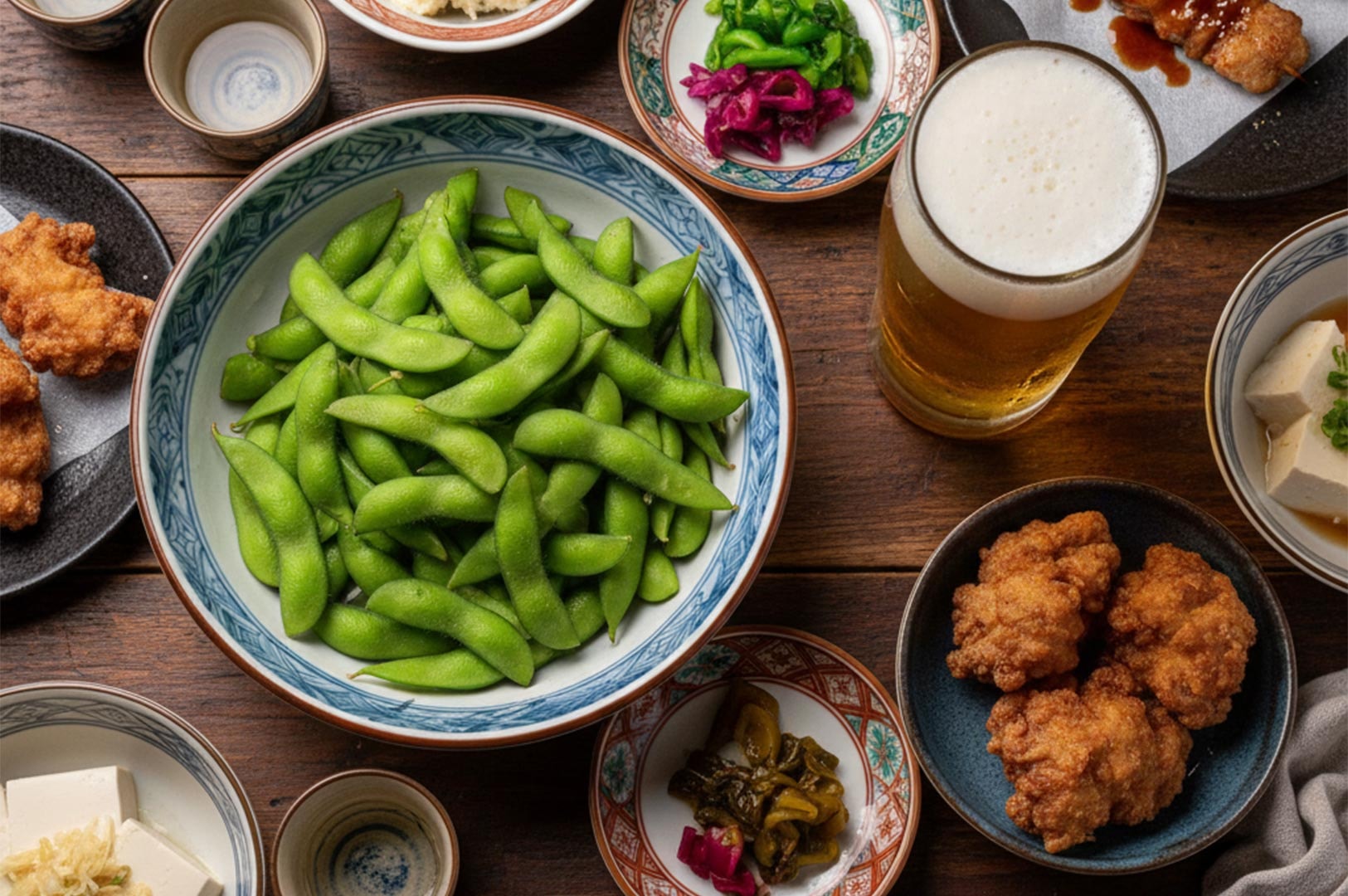
Izakaya food consists of small, shareable dishes called otsumami. These aren’t Western appetizers but a steady stream of plates enjoyed alongside drinks. Izakaya settings range from lively public izakaya with traditional dishes and vibrant atmosphere, to friendly traditional izakaya, offering casual meals and welcoming spaces within authentic japanese restaurants. For a cozy vibe, a small izakaya is ideal. The experience follows a drinks-first pace, with food ordered in waves, ending with a comforting finisher (shime).
This rhythm distinguishes izakaya dining from other styles. Unlike tapas bars, izakaya meals are paced—more structured than a pub but more relaxed than formal dining—creating a unique space for connection and unhurried enjoyment.
What to Expect at a Japanese Izakaya with Good Food and Bar Bites
Entering this sanctuary of refined hospitality, you find a contemplative atmosphere focused on meaningful companionship through artisanal cuisine and mindful appreciation. The carefully curated extensive menu showcases meticulously crafted small plates honoring traditional yakitori heritage alongside contemporary culinary artistry. Libations are central, featuring premium japanese sake, artisanal shochu, and select brews including craft beer to elevate every moment. Whether a connoisseur or curious newcomer, you’ll experience gracious hospitality, serene ambiance, and opportunities to deepen appreciation with each visit. This sanctuary celebrates savoring—each dish, each libation, each moment—transforming sustenance into an authentic izakaya experience of quiet luxury.
Core Categories Like Grilled Chicken Skewers You’ll See on the Menu at Great World
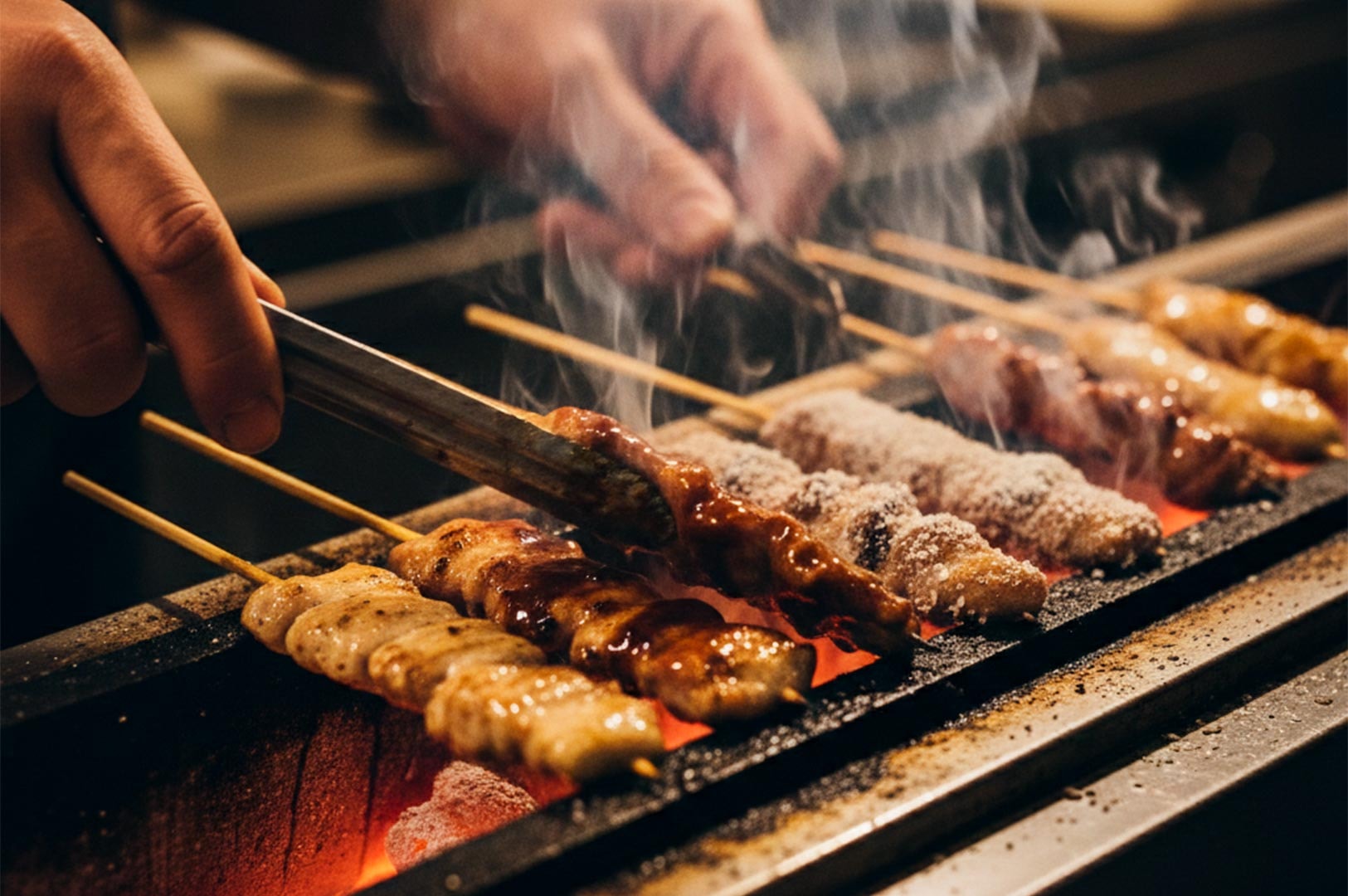
An izakaya menu is a celebration of different cooking techniques, with a strong emphasis on serving traditional izakaya cuisine. Understanding these core categories is the first step to navigating the delicious possibilities of traditional izakaya cuisine. Notable examples of authentic izakayas in singapore include Shunjuu Izakaya, Shukuu Izakaya, and izakaya hikari. Key locations for izakayas in singapore are Cuppage Plaza, Orchard Plaza, Fortune Centre (with izakaya hikari on the third floor), great world, and Robertson Quay.
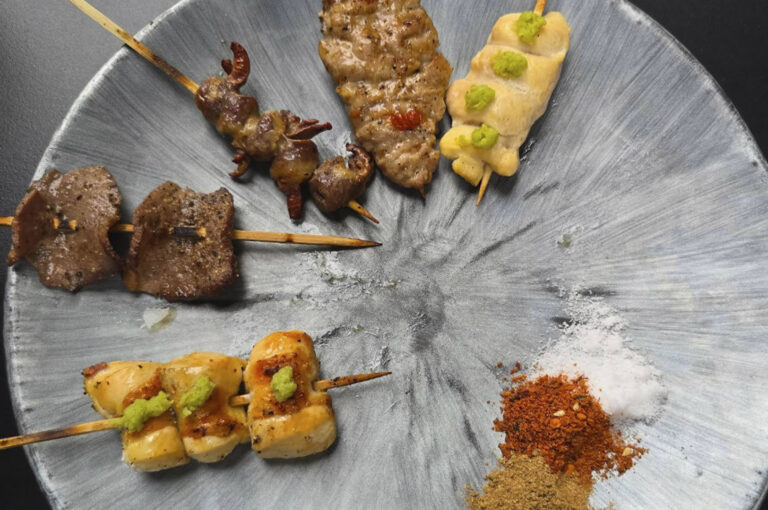
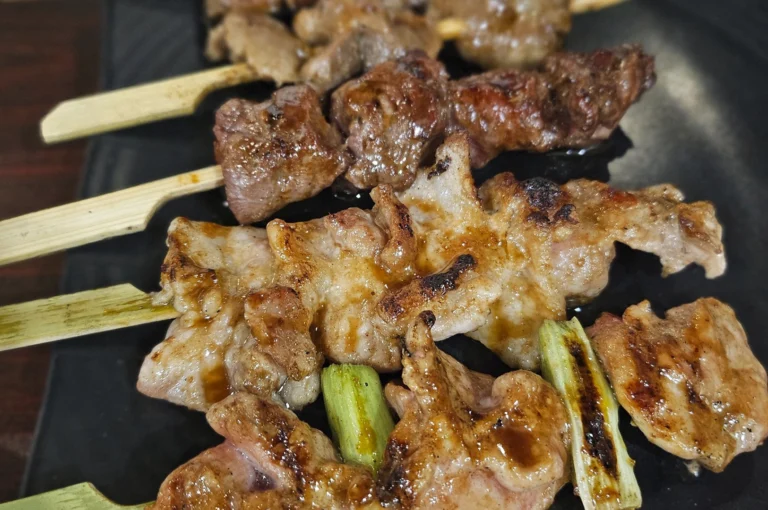
- Kushiyaki and Yakimono (Skewers and Grilled Dishes): Kushiyaki refers to all manner of skewered and grilled food, with yakitori (classic yakitori and grilled chicken skewers) being the most famous subset. The charcoal grill is essential in creating the authentic smoky flavors that define these dishes. Examples of skewered items include chicken hearts, chicken meatballs, chicken thigh, and golden mushroom. Grilled food is a central part of the menu, and some establishments offer yakitori omakase—a curated tasting experience of premium skewers. You will often be asked to choose between tare (a sweet and savory soy-based glaze) and shio (salt).
- How to Choose: Shio is excellent for highlighting the pure flavor of high-quality ingredients like chicken thigh or seasonal vegetables. Tare works beautifully with richer cuts like pork belly or chicken liver, as its caramelization adds depth.
- Agemono (Fried Comfort): Fried food is a key category in izakaya dining. These are the deeply satisfying fried dishes that pair so well with a crisp beer or highball. Look for karaage (fried chicken), crispy croquettes (korokke), delicate tempura-style bites, and agedashi tofu as a classic fried dish.
- Oden (Simmered Warmth): A classic winter comfort food, oden consists of various ingredients simmered gently in a light, flavorful dashi broth. Common items include daikon radish, boiled eggs, tofu, and fish cakes. These hot dishes are wonderfully restorative, especially on a rainy Singapore evening.
- Raw and Chilled Dishes: To balance the richer cooked items, you’ll find an array of fresh and cooling plates featuring fresh seafood. Highlights include fresh sashimi, refreshing Japanese-style salads with wafu dressing, chilled tofu (hiyayakko), and various pickles (tsukemono).
- Rice and Noodle Finishers (Shime): To conclude the meal, a small carbohydrate dish brings a sense of satisfying completion. Popular choices include grilled rice balls (yaki onigiri), rice in dashi or tea (ochazuke), fried noodles (yaki soba or yaki udon), sushi rolls, salmon mentaiko donburi, and bento sets. Miso soup is a common accompaniment to these dishes.
- Blackboard Specials: Always pay attention to the daily specials board. This is where the chef’s creativity and respect for seasonality shine, featuring the freshest market finds, from prized fish to unique vegetables. Specialty and premium dishes may include buta kakuni, crab gratin, wagyu steak, and foie gras.
How to Build a Balanced Table
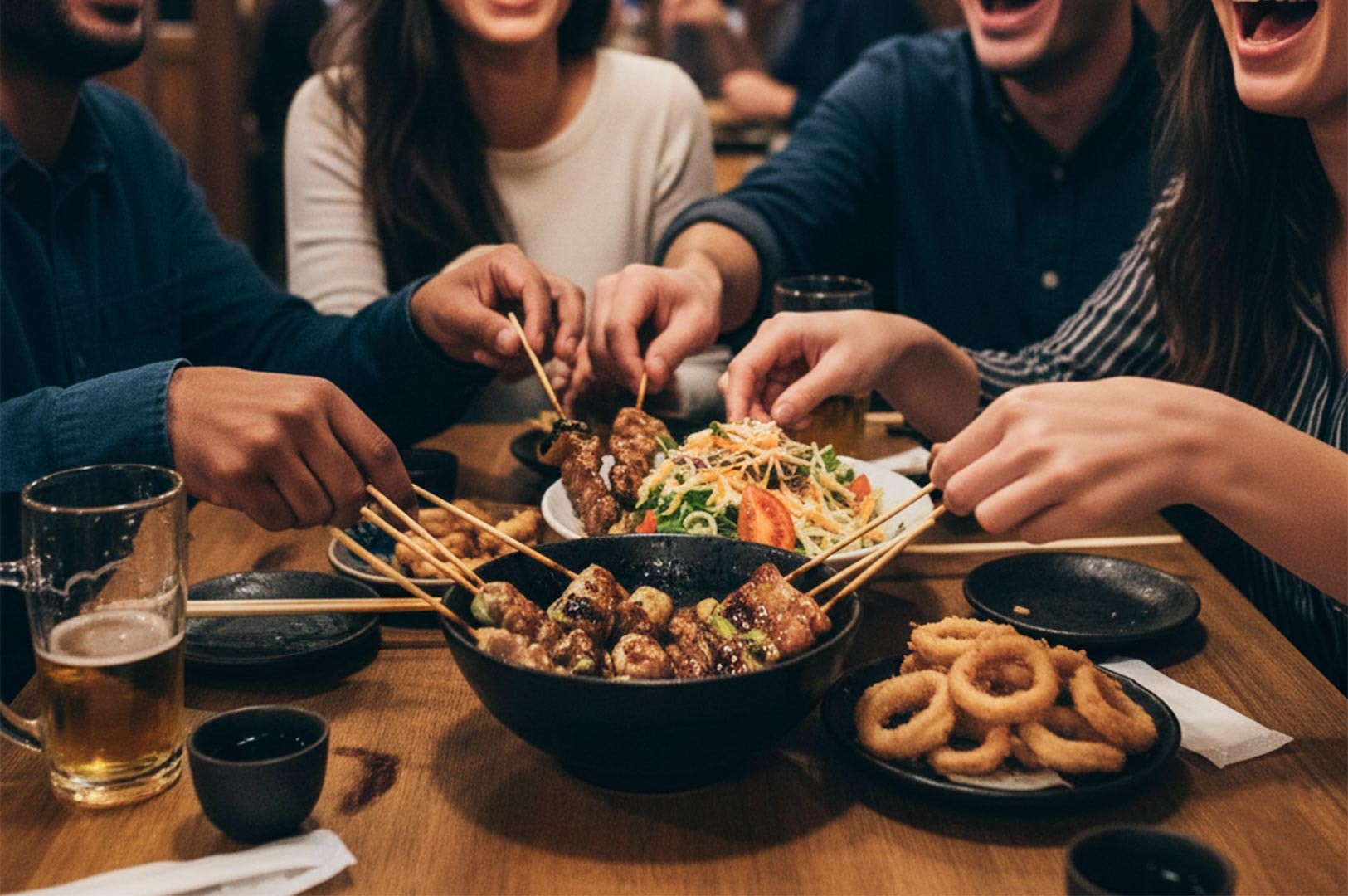
Crafting a memorable meal is about creating a harmony of tastes and textures. The goal is to move through different flavor profiles, cleansing the palate as you go.
- Start Light: Begin with a crisp drink and a few quick, salty otsumami like edamame or pickles. This awakens the palate while you decide on the next round.
- Mix and Match: Order a few items from different categories to create contrast. Pair a rich, fried dish like fried chicken with a clean, grilled fish. Follow a savory skewer flight with a refreshing salad.
- Portioning Guidance: When planning your meal, be sure to include some must try dishes that showcase the best of the menu alongside your favorites for a well-rounded experience.
- Solo Diner: Order 3-4 dishes sequentially: a couple of skewers, a small fried item, and perhaps a chilled tofu dish.
- For Two: Aim for 5-6 shared plates. You can explore more variety, perhaps a sashimi plate, a grilled item, a vegetable dish, and something fried.
- Group of Four: This is ideal for broad exploration. Order 8-10 dishes, ensuring you have items from most categories to create a full tapestry of flavors.
- Plan the Finisher: As the evening winds down, order a comforting shime dish like ochazuke or a shared bowl of noodles to ensure everyone leaves satisfied.
Pairing Guide: Japanese Sake, Craft Beer, and Drinks That Make the Food Shine
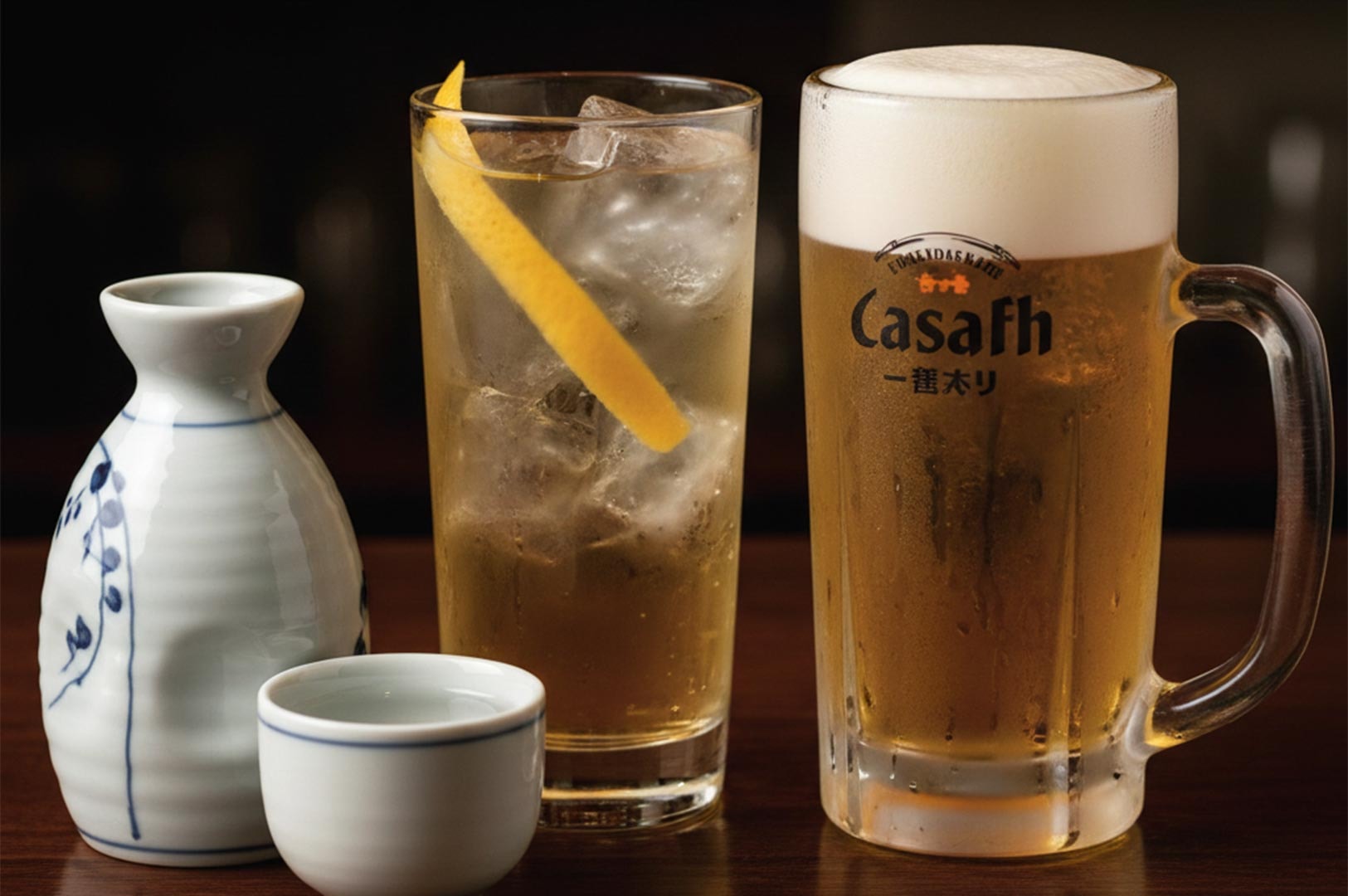
In an izakaya or japanese bar that offers a wide range of beverages, drinks are not an accessory; they are integral to the meal. The right pairing can elevate a simple dish into something extraordinary.
- Sake: Japanese sake is a key element of the izakaya experience. For beginners, start with a clean Junmai or aromatic Ginjo style, often served chilled to preserve their delicate notes. These are versatile and pair well with a wide range of foods, from sashimi to grilled chicken. Don’t hesitate to ask for a recommendation.
- Shochu: This distilled spirit is a fantastic food partner. Barley (mugi) shochu is often light and crisp, while sweet potato (imo) shochu can be earthy and robust. Served on the rocks or mixed with soda water (chuhai), it has a clean profile that cuts through richness.
- Highballs and Beer: A classic Japanese beer or a whisky highball is the ultimate companion for agemono (fried foods). For enthusiasts, many Japanese bars also offer craft beer as a specialty option. The sharp carbonation and clean finish cleanse the palate, making each bite of crispy karaage as good as the first.
- Umeshu and Fruit Liqueurs: For those who prefer a touch of sweetness, umeshu (plum liqueur) on the rocks is a wonderful match for richer grilled meats, with its fruit-forward acidity balancing the savoriness.
- Soft Drinks: Non-alcoholic options like soft drinks are also available, making the izakaya experience enjoyable for everyone.
Remember to drink water throughout your meal to stay hydrated and keep your palate fresh. Beyond the highlights in this guide, many more Izakaya bars in Singapore await discovery—each offering unique takes on traditional izakaya cuisine, creative drink selections, and inviting atmospheres.
Nomihōdai and Tabehōdai: All-You-Can-Drink and Eat Experiences
For those who seek to embrace the contemplative ritual of izakaya culture, discerning establishments present nomihōdai and tabehōdai—curated offerings that transcend mere consumption. These artisanal experiences invite you to savor a meticulously orchestrated succession of small plates and libations, where carefully selected sake, beer, and shochu flow alongside a curated procession of traditional dishes, all within the sacred boundaries of time and price. This refined approach allows for the gentle exploration of nuanced flavors and the quiet appreciation of culinary heritage—a sanctuary where each moment unfolds with deliberate grace among kindred spirits. Whether marking life’s precious milestones or simply surrendering to the art of mindful indulgence, nomihōdai and tabehōdai represent an essential pilgrimage for those drawn to the serene, communal poetry of authentic dining tradition.
Ordering Like a Regular
Embracing the izakaya rhythm is key to a great experience. It’s a dance of conversation, sips, and bites.
- Pacing: Order in waves. There is no rush. Enjoy your first drink, finish a plate or two, and then decide what to have next. This allows you to tailor the meal to your appetite and mood.
- Explore and Repeat: It’s perfectly acceptable to order another round of a dish you loved. A good strategy is to mix familiar favorites with one or two items from the specials board to keep things interesting.
- Etiquette: Place used skewers neatly in the provided canister. When sharing from a communal plate, use the clean, wider end of your chopsticks to transfer food to your personal small plate (torizara).
- Singapore Norms: Be mindful of “last order” times, usually 30-45 minutes before closing. Always check the opening hours of the izakaya before visiting, as they may vary by day or for special occasions. Your bill will include GST and typically a 10% service charge. Splitting the bill is common, but it’s always a good practice to check with the staff.
Smoking and Seating: Navigating the Atmosphere at Japanese Izakayas
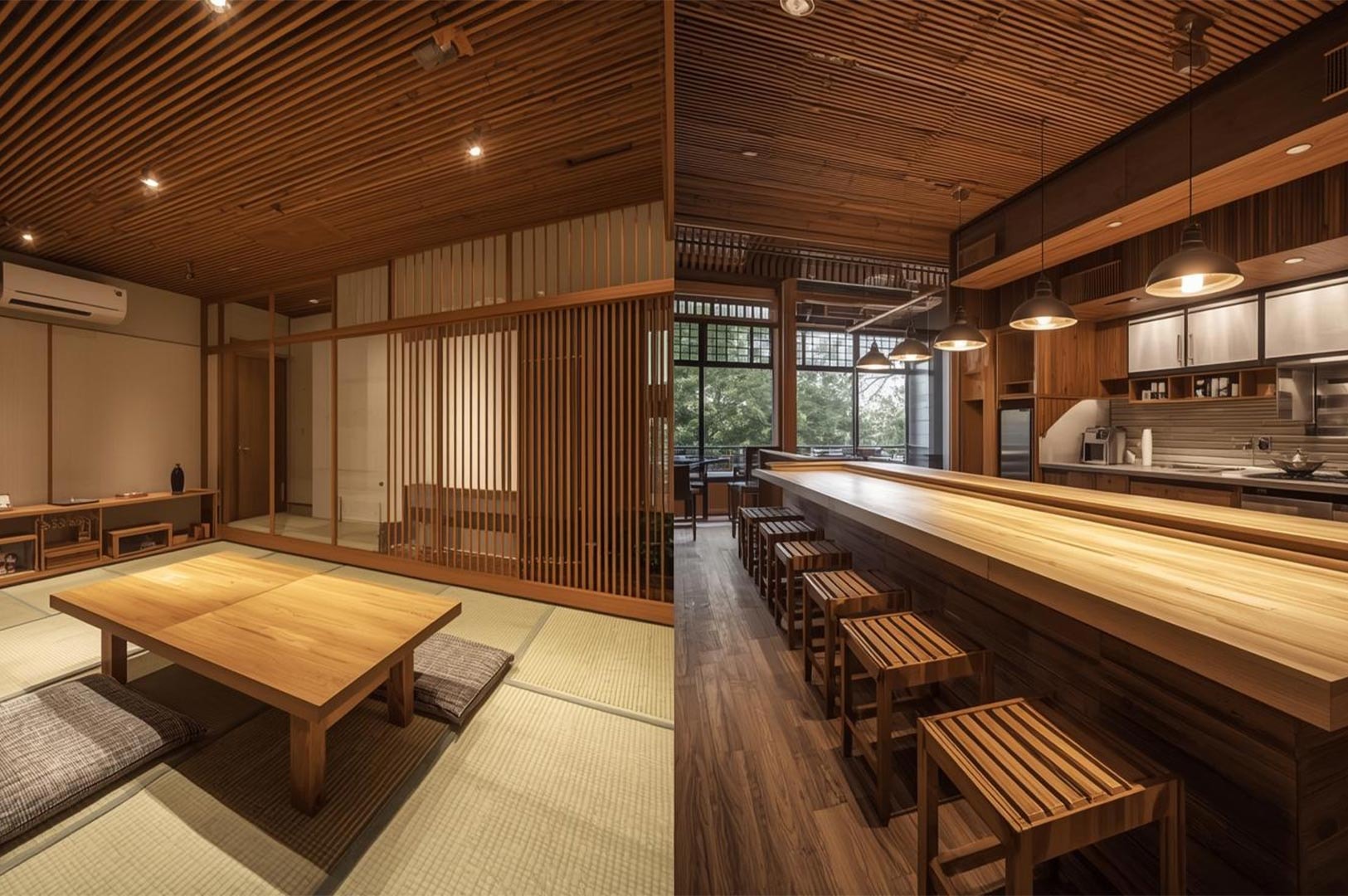
When contemplating your sanctuary within an izakaya’s embrace, one must first attune to the venue’s atmospheric curation and spatial philosophy. Certain establishments offer thoughtfully designated areas where the contemplative ritual of smoking unfolds, while others maintain pristine sanctuaries of pure air—each approach meticulously crafted to cultivate serenity for every discerning guest. The seating itself becomes an artisanal expression: traditional tatami whispers of heritage beneath low-set tables that invite intimate communion with centuries-old customs, while contemporary arrangements foster the gentle art of shared contemplation through communal spaces. Most izakayas honor the sacred rhythm of time—typically embracing a two-hour time limit—inviting you to savor each carefully curated moment with mindful presence, allowing flavors and conversation to unfold naturally without the intrusion of haste. Through understanding these refined subtleties, you transform your izakaya sojourn into a contemplative masterpiece, contributing to the collective sanctuary of cultural appreciation that envelops all who enter this hallowed space.
Budgeting and Value Tips in Singapore for Good Food and Drinks
The cost of an evening at one of the izakayas in singapore can be flexible, depending on your choices. Many authentic izakayas are popular among japanese expats who frequent these venues for a taste of home, as well as locals who appreciate traditional japanese cuisine.
- Light Meal ($40–$60 per person): A couple of drinks (beer/highball) and a few classic shared plates like edamame, fried chicken, and some chicken skewers.
- Standard Meal ($70–$100 per person): A more varied experience with several rounds of food, including fresh sashimi or grilled fish, and perhaps a flask of sake.
- Hearty Meal ($120+ per person): This allows for premium sake, seasonal specials, and high-end ingredients like wagyu steak or foie gras.
To manage costs, look for happy hour deals, stick to foundational dishes, and build your meal around shared plates. The joy of izakaya food comes from variety, not necessarily from ordering the most expensive items.
Matching Izakaya Food to the Occasion at Great World and Other Locations
The type of food and atmosphere you seek can vary with the occasion.
- After-Work Wind-Down: A casual meal spot with quick, satisfying bites like kushiyaki and karaage is perfect. The energy is often high and the service is brisk.
- Lively Group Night: Look for establishments that offer larger dishes or platters suitable for sharing, like an assorted sashimi plate or a comforting oden pot.
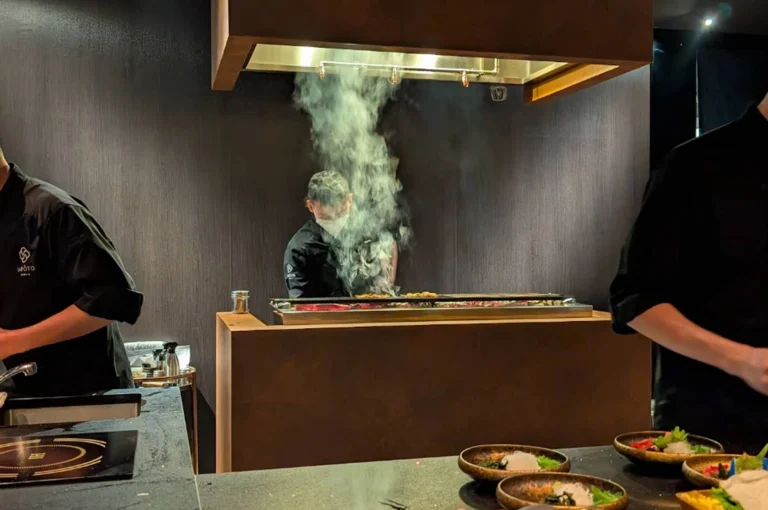
- Date Night: Counter seats provide an intimate experience, where you can watch the chefs work their craft. It’s an ideal setting for ordering more refined dishes and seasonal specials.
Given Singapore’s tropical climate, consider accessibility, especially during a downpour. Many of the finest spots are a short, sheltered walk from an MRT station.
Glossary of Common Terms for Izakayas Singapore
- Otsumami: Small snacks or appetizers to enjoy with drinks.
- Yakimono: Broiled or grilled dishes.
- Agemono: Deep-fried dishes.
- Oden: A winter hot pot of ingredients simmered in dashi.
- Tare / Shio: A sweet soy glaze / salt seasoning for skewers.
- Sumibi: Charcoal-grilled, prized for its smoky aroma.
- Ippin Ryori: A general term for single-item dishes.
- Ochazuke: A comforting dish of rice with hot tea or dashi poured over it.
- Ichigo-ichie: A cultural concept of treasuring a unique, unrepeatable moment.
- Omakase (bar-style): “I leave it up to you”—a tasting menu curated by the chef.
Closing Thoughts on the Izakaya Experience in Singapore
Whether you are a seasoned enthusiast or a curious newcomer, exploring the vibrant world of izakayas in Singapore offers a unique window into Japanese culture, cuisine, and conviviality. From the smoky allure of the charcoal grill to the delicate balance of traditional and modern flavors, these establishments invite you to slow down, share stories over exquisite small plates, and savor every sip of carefully selected sake or craft beer.
Embracing the rhythm of an izakaya meal is more than just dining—it’s a celebration of connection, tradition, and the simple joy of good food enjoyed among friends. So gather your companions, venture into one of Singapore’s many authentic izakayas, and let the warm glow of the rising sun guide you through an unforgettable culinary journey as you explore the vibrant izakaya scene in Singapore.