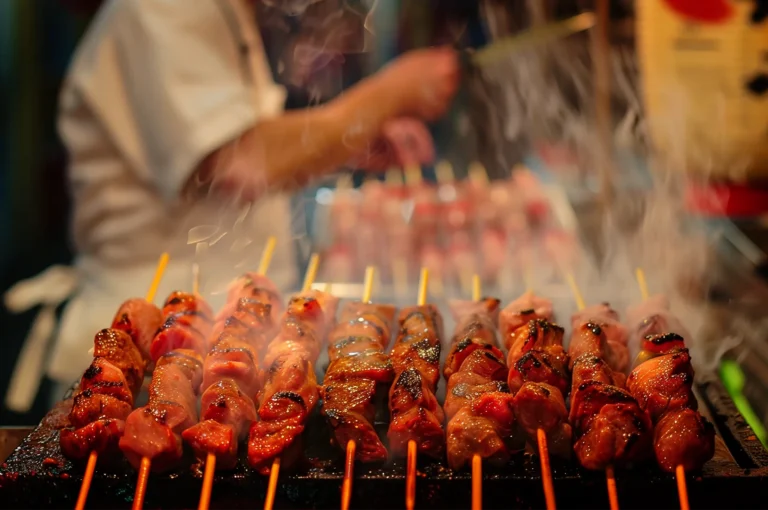
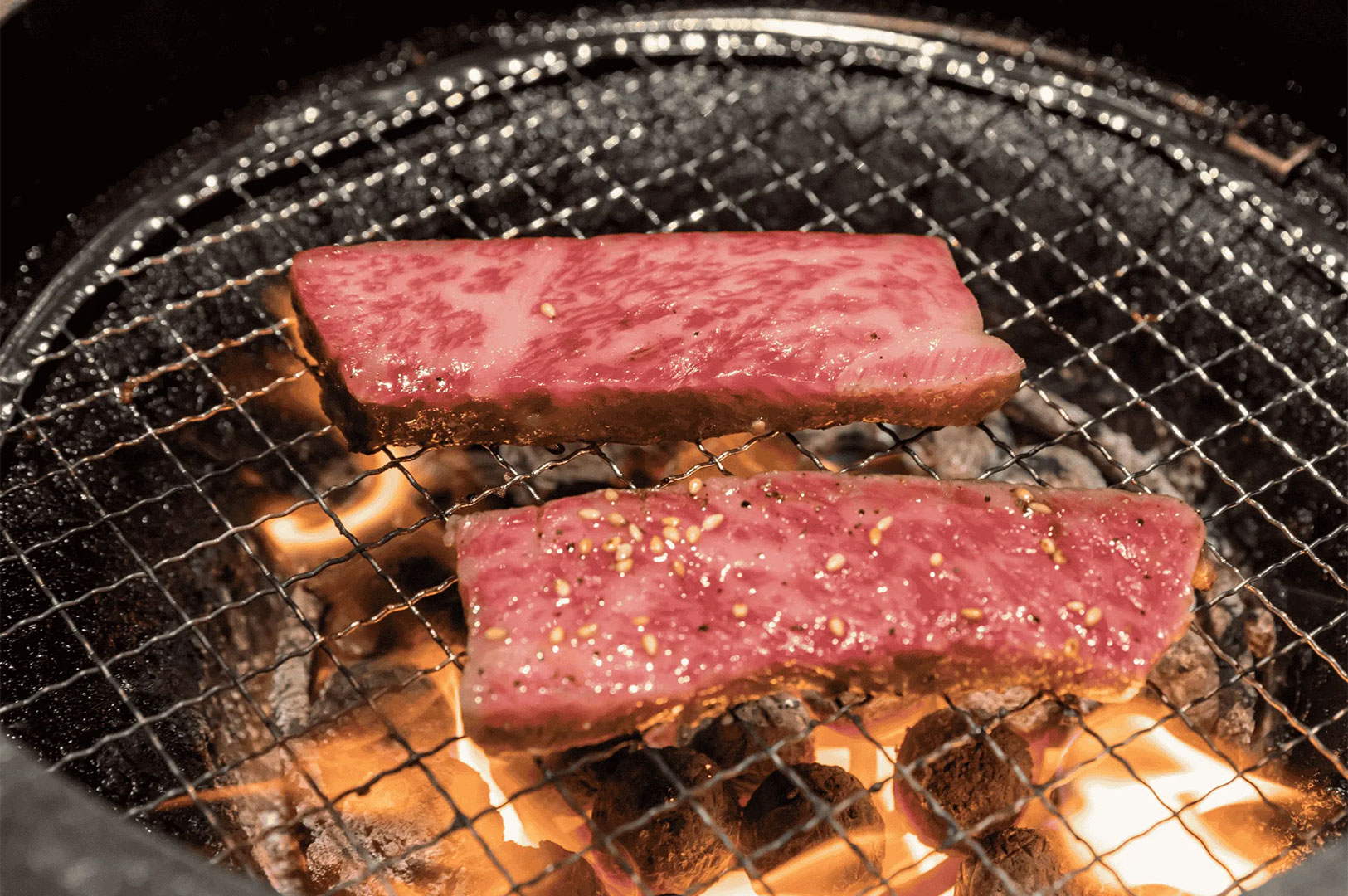
A great Japanese yakiniku meal is an interactive, rewarding experience. Yakiniku originated in Japan but is heavily influenced by Korean barbecue traditions, reflecting a blend of both cultures in its flavors and techniques. For beginners, managing a hot grill, delicate cuts, and multiple sauces can feel overwhelming. This field guide offers quick fixes at the table—focusing on seconds-per-side timing, grill mesh management, and palate clarity—that transform a frustrating meal into a perfect one. It highlights the Japanese roots of yakiniku and its evolution from Korean barbecue methods. For fundamentals and deeper technique, see Master the Art of Japanese Yakiniku.
Introduction to Japanese BBQ and Yakiniku Restaurants
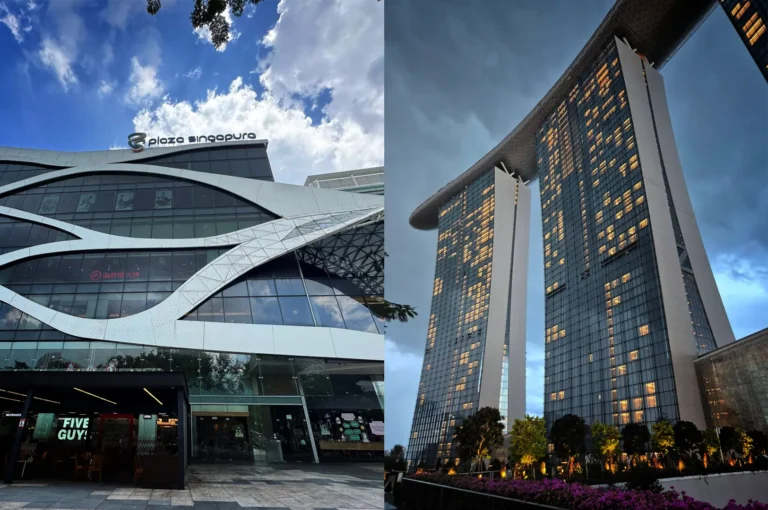
Yakiniku embodies a meditative approach to grilling—carefully curated selections of marbled wagyu beef, silken pork belly, and tender poultry transformed through the gentle alchemy of flame at your table. Each morsel is crafted to personal preference, then anointed with thoughtfully prepared accompaniments: the earthy depth of sesame oil, the umami complexity of miso-based elixirs, and the bright acidity of kimchi. Artisanal sides such as fermented cabbage and fresh salad provide aromatic counterpoint, creating a symphony of flavors with each mindful bite. Whether seeking refuge in distinguished yakiniku restaurants like Yakiniku Go or exploring curated offerings within Jewel Changi Airport and Suntec City, Singapore offers sanctuaries where yakiniku’s heritage flourishes. Each restaurant presents its own interpretation of flame-kissed grilled meat and time-honored Japanese grilling traditions, honoring ancient craftsmanship and refined palates.
Choosing the Best Meat Cuts: Wagyu Beef and More for Japanese BBQ
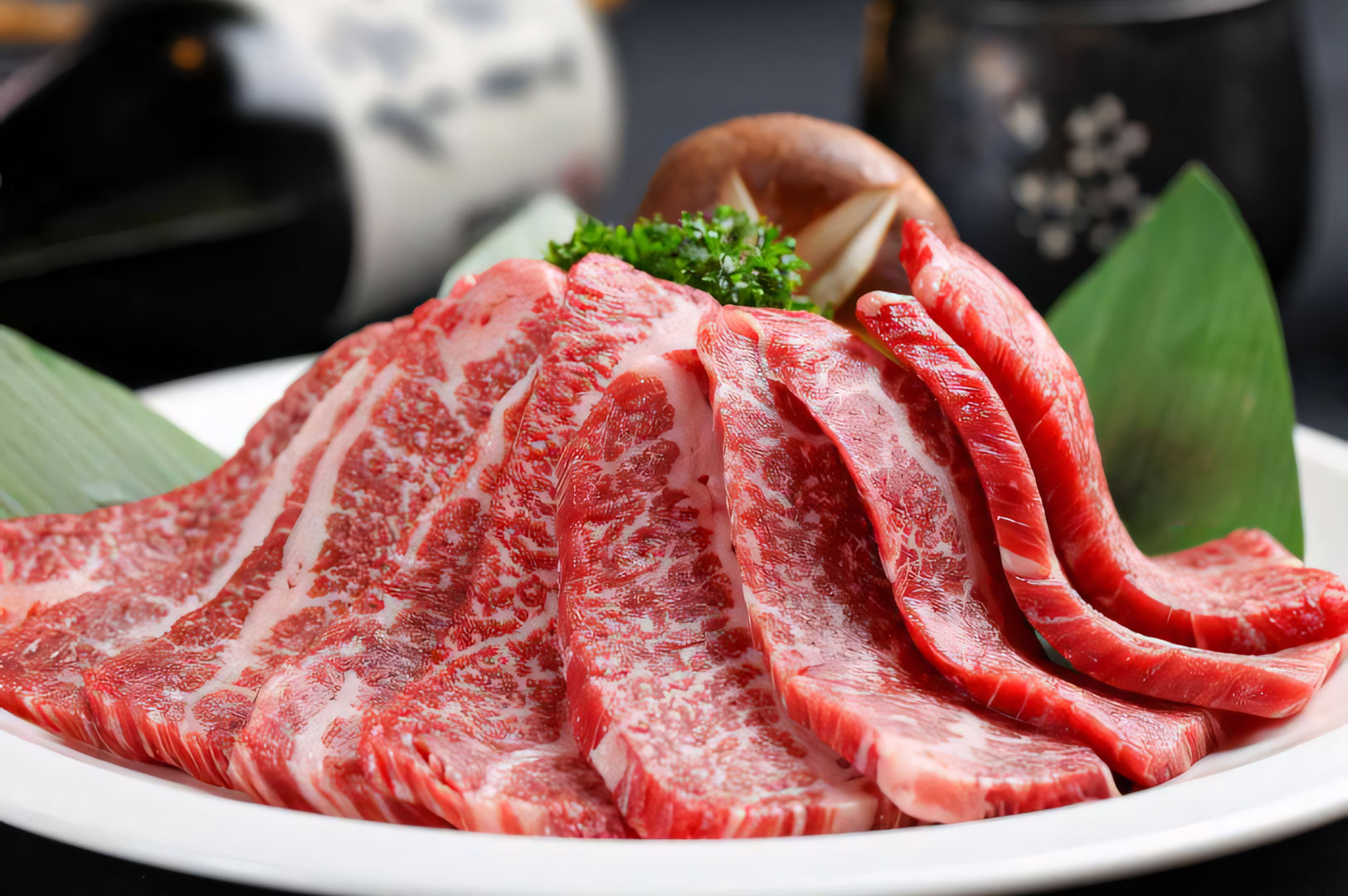
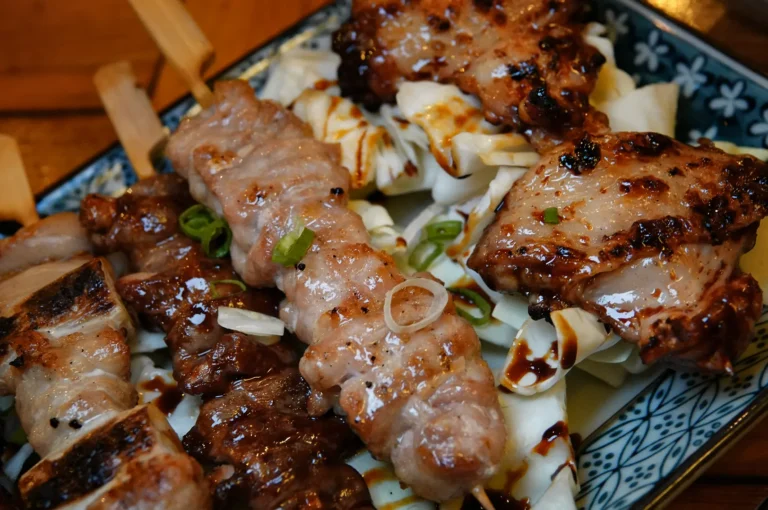
Curating the finest selections is key to a transcendent yakiniku journey, where each cut reflects centuries of Japanese culinary refinement. A wide variety of beef cuts is available for yakiniku, including popular options such as Karubi, Oyster Blade, and Ox Tongue, each offering unique flavors and textures for grilling enthusiasts. Wagyu beef is the pinnacle of marbled perfection—its intricate veining promises buttery surrender with every bite, showcasing artisanal breeding and heritage. Beef tongue offers a unique texture, unfolding like a meditative verse when grilled gently. Pork belly balances flesh and fat, crisping into golden serenity under careful flame. Chicken, often overlooked, absorbs marinades gracefully, retaining succulence over the heat. Lamb and seafood add a wide array of flavors and textures for adventurous diners. The artistry extends to each cut: ribeye, sirloin, loin, and tail provide distinct paths to tenderness and depth of flavor. For accessible refinement, places like Yakiniku OK in Pasir Ris offer curated marinated treasures, while Yakiniku Like in Suntec City presents a symphony of various cuts, from wagyu beef to rich pork belly. Master the Art of Japanese Yakiniku experience and elevate your yakiniku journey to new heights.
Essential Ingredients and Buffet Menu for Japanese Yakiniku
An artisanal yakiniku experience unfolds as a symphony for the senses, where meticulously curated selections of premium grilled meats, pristine seafood, and garden-fresh vegetables create moments of profound culinary appreciation. Heritage wagyu beef and carefully rendered pork belly anchor these offerings, while tender chicken, oceanic prawns, delicate squid, and earth-grown mushrooms await transformation over glowing embers. Accompanying these treasures, the bright acidity of fermented kimchi, the warming embrace of traditional miso soup, and crisp salads provide harmonious balance—each element thoughtfully chosen to enhance the meditative rhythm of shared dining. Buffet menus offer extraordinary abundance—Yakiniku Oh at Cuppage Plaza showcases Japanese A4 wagyu alongside premium meats, seafood, and seasonal vegetables. Establishments like Shaburi & Kintan blend yakiniku with hotpot traditions, inviting diners to savor both flame-kissed and gently simmered preparations. With such diversity, every gathering becomes an opportunity to discover new layers of flavor and texture, establishing yakiniku as a cherished refuge for intimate groups and curious diners alike.
Planning Your Visit to Yakiniku Restaurants: Home or Restaurant Opening Hours
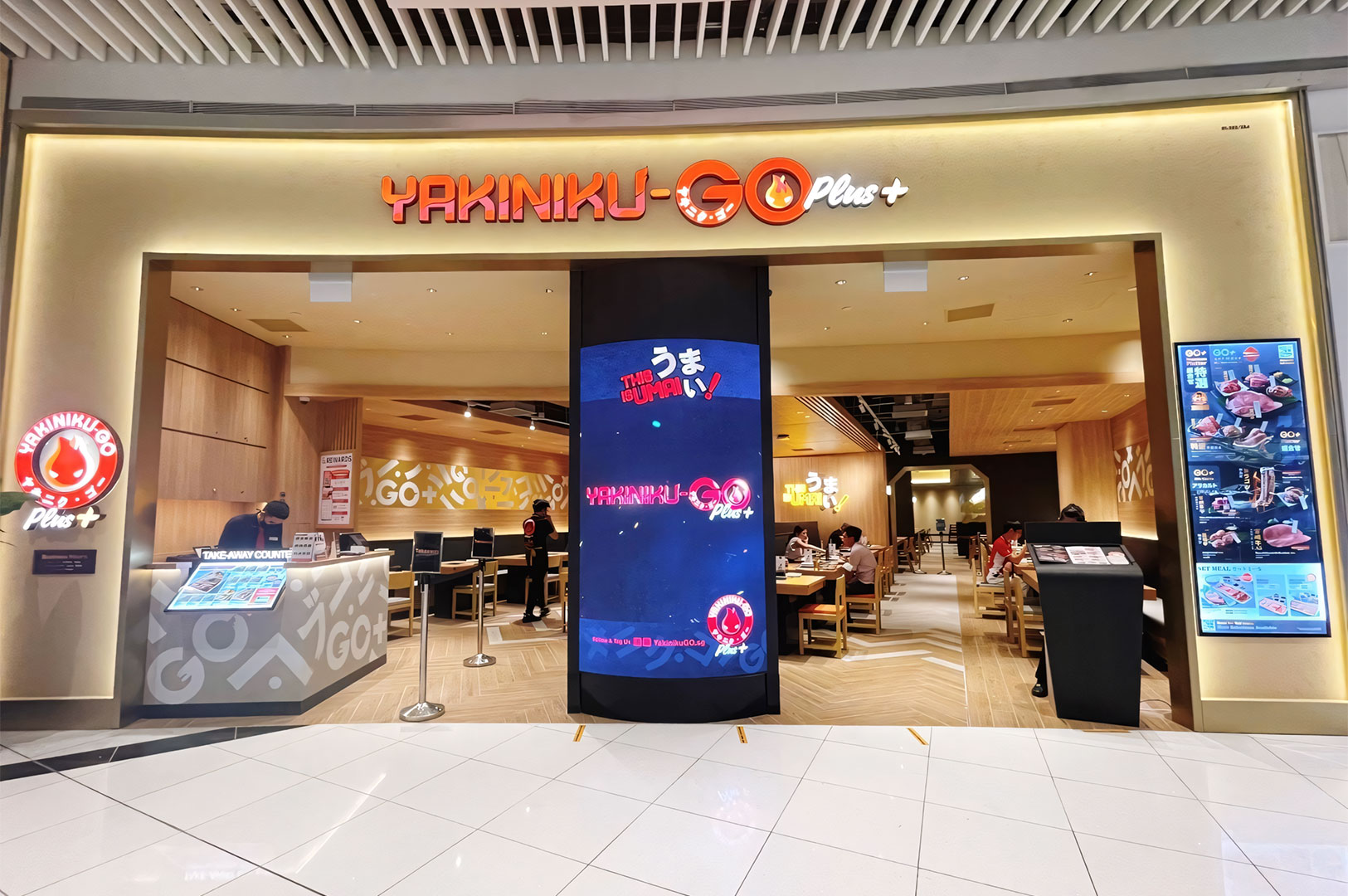
Whether cultivating yakiniku at home or visiting Singapore’s curated establishments, thoughtful preparation transforms the ordinary into the sublime. For home artisans, electric grills offer a refined, smoke-free canvas—simply procure cherished cuts and selected accompaniments from trusted purveyors for a transcendent feast. To immerse in dedicated yakiniku venues, places like Yakiniku Go and Wa-En Yakiniku provide havens where each cut reflects generations of culinary heritage. Before your journey, consider opening hours and explore curated offerings online to ensure a serene visit. Many venues, including Yakiniku OK in Pasir Ris, offer thoughtfully composed lunch and dinner experiences, while Yakiniku Like in Suntec City celebrates excellence with monthly promotions like 50% off A5 Miyazaki Wagyu with set meals. Whether gathering companions for shared indulgence or savoring mindful nourishment, Singapore’s yakiniku landscape offers sanctuaries suited to every rhythm and appreciation. For more grilling moments and expert tips to elevate your yakiniku experience, be sure to visit bestyakitori.com.sg.
Yakiniku Etiquette: Unwritten Rules for a Seamless Japanese BBQ Experience
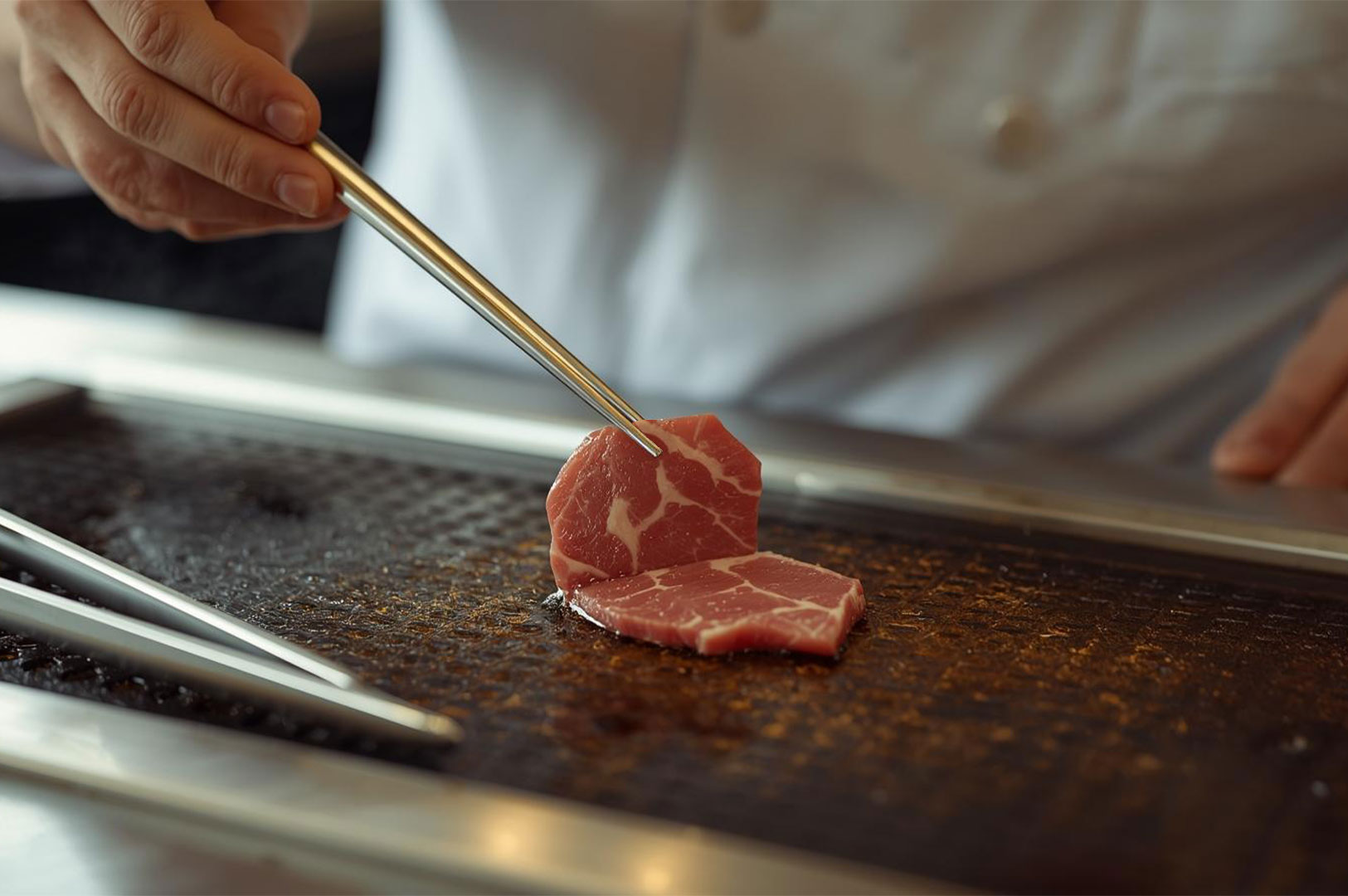
Crossing the threshold of a yakiniku sanctuary in Singapore is more than dining—it’s an invitation into Japanese culinary artistry, where each marbled wagyu slice and tender pork belly reflects centuries of craftsmanship and communal reverence. To embrace this meditative experience, attune to yakiniku’s subtle rhythms.
Honor the chef’s artistry with quiet respect. Whether at Wa-En Wagyu Yakiniku in Jewel Changi Airport, led by a skilled Japanese head chef, or enjoying halal options at Yakiniku OK in Pasir Ris, appreciate the heritage in each carefully selected morsel—from tender chicken and succulent lamb to precious wagyu.
Begin grilling with delicate cuts like beef tongue or lean sirloin, then progress mindfully to richer selections such as short rib or pork belly. This sequence lets each protein’s authentic flavor emerge, creating a harmonious symphony. Many yakiniku restaurants use electric grills, offering a serene, smoke-free setting where diners become both conductor and audience.
Use chopsticks gently, wait for all diners to be served before eating, and enhance each bite with carefully chosen accompaniments—soy sauce, sesame oil, or garlic—adding depth to the flavor. Wa-En’s artisanal wagyu sauce and Yakiniku Go’s extensive condiments complement every cut perfectly.
Sampling the full menu shows respect for the chef’s craft and the restaurant’s vision. Whether enjoying the abundant buffet menu at Shaburi & Kintan or the curated dishes at Yakiniku Go, pair your grilled treasures with miso soup, fresh vegetables, and steamed rice for a complete meditation on Japanese food heritage.
Maintain awareness of fellow diners and attentive staff. Keep the space orderly, speak softly to preserve the contemplative atmosphere, and express gratitude for the service. These gestures ensure everyone can fully enjoy the tranquil harmony of the meal.
By embracing these ceremonies with genuine contemplation, you deepen your yakiniku journey and honor the spirit of Japanese culinary tradition—where every gathering celebrates togetherness, exquisite flavor, and mutual respect. Gather your companions, light the flames with reverence, and let the aromatic poetry of grilled meat and warm fellowship create lasting memories.
Quick-Start Setup in 60 Seconds to Eat Yakiniku
Before the first slice hits the grill, prepare your ingredients and grill for success. A minute of preparation prevents common problems:
- Identify the hottest grill part, usually the center—test by placing a small fat piece to see where it sizzles fastest.
- Map your grill mentally: lean cuts in the hot center for quick sear; fatty cuts and offal on cooler edges to render slowly.
- Keep raw meat tongs dry and separate from eating chopsticks. Position sauces and condiments away from the immediate grill area.
- If the grill mesh isn’t clean, ask for a fresh one before starting.
Once the food is cooked, it is typically eaten immediately to enjoy its optimal taste and texture.
Timing: Seconds-Per-Side Cheat Codes for Japanese BBQ
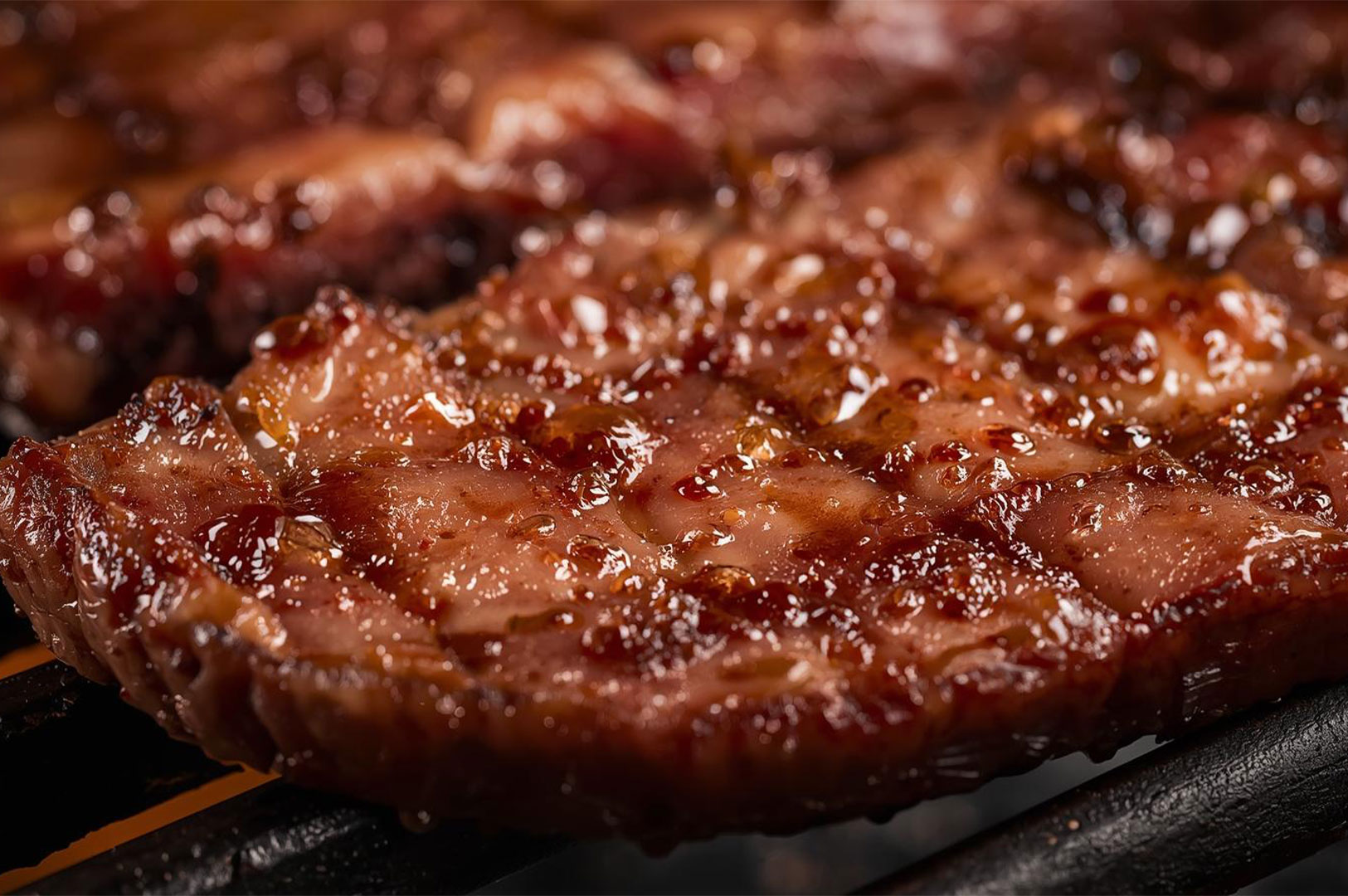
Overcooking is the most common mistake in Japanese yakiniku. Most thin cuts need seconds, not minutes. Use these timings as a baseline and adjust for your grill’s heat. Look for juices on the meat surface—ready to flip or remove.
- Tongue (thin-sliced): 20–40 seconds per side; remove when surface browns and edges curl.
- Inside Skirt (Harami): 30–45 seconds per side; light caramelization outside, juicy inside.
- Short Rib (Karubi, thin): 30–45 seconds per side; pull when fat “weeps” and edges crisp.
- Ribeye Cap (Kainomi) or Zabuton: 15–25 seconds per side; quick grill, then rest.
- Heart (Hatsu): 20–35 seconds per side; tender pink center with snap.
- Intestine (Horumon): Cook on cooler grill part slowly; crisp then lacquer with sauce.
Eat meat immediately after cooking, often dipped in sauce to enjoy full flavor and juices.
Mesh Management at Yakiniku Restaurants: Keep Browning High
Your grill mesh is a tool, not just a surface. A clean mesh provides great sear and flavor; a dirty one creates bitterness and prevents browning.
- When to Swap: When meat stews instead of searing or smoke smells bitter, change mesh.
- Maximize Use: Rotate mesh if oil pools; use clean sections for a few more plates before swapping.
- Be Proactive: Don’t wait until messy; request fresh mesh after every two to three fatty or marinated plates.
Flare Control and Fat Management in Japanese Yakiniku
Flames from the grill scorch meat and create sooty flavor. Managing fat controls flare-ups and preserves natural flavor.
- Flare-Up Now: Move meat to coolest edge for 10–20 seconds; don’t splash water (causes ash and steam).
- Reduce Drip Points: Trim or fold large fatty edges to minimize fat dripping onto coals.
- Stagger Pieces: Avoid crowding with fatty cuts; cook in small batches to let fat burn off between pieces.
Sauce Timing for Japanese BBQ: Avoid Bitterness and Sugar Burn
Sauce adds flavor but poor timing ruins dishes. Sugars in sauces like tare burn quickly on hot grills.
- Salt First, Glaze Late: Minimal seasoning for premium cuts; season lean cuts with salt before or after grilling.
- Tare: Apply in final 10–15 seconds or dip meat after grilling.
- Bright Sauces: Lemon, ponzu, and condiments like yuzu kosho should be used after grilling.
Proper sauce timing enhances flavor.
Sequencing and Portioning to Prevent Palate Fatigue When You Eat Yakiniku
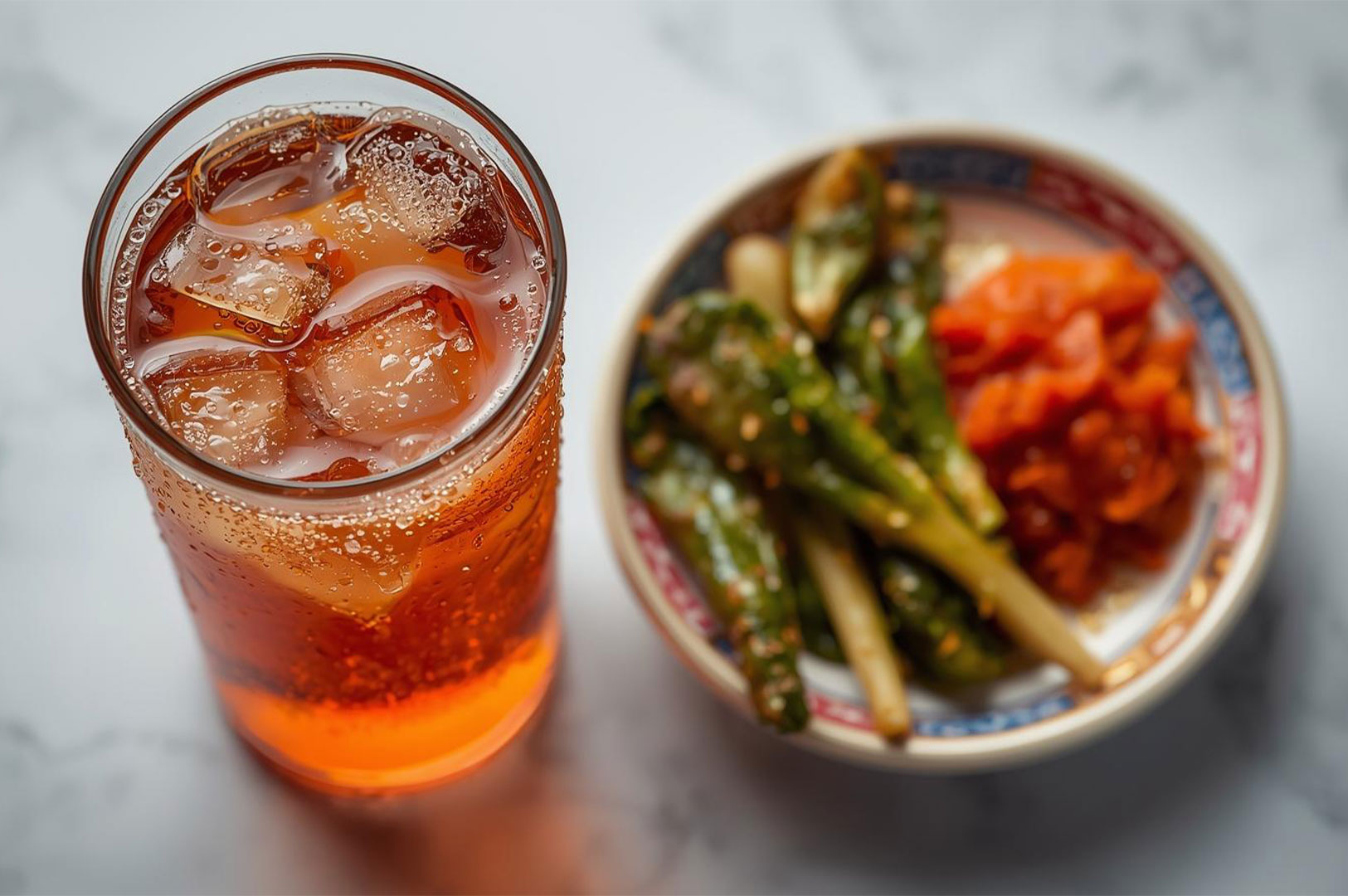
Yakiniku is a marathon, not a sprint. To avoid palate fatigue:
- Sequence: Move from lean to classic to rich cuts (e.g., tongue → sirloin → skirt steak → short rib → premium wagyu).
- Portioning: For marbled cuts like A5 wagyu, order smaller portions (2–3 small bites per person).
- The Tare Test: If everyone reaches for tare on every piece, pause and reset.
Palate Resets That Actually Work at Yakiniku Restaurants
Palate resets refresh taste buds for long meals:
- Chilled Oolong Tea: Tannins cut through fat.
- Namul: Seasoned vegetable platters offer neutral, savory breaks.
- Tangy Kimchi: Acidic kick slices richness.
- Rice: Plain white rice buffers flavors.
- Grilled Cabbage: Lightly grilled squares refresh between rich meats.
- Cold Noodles (Reimen): Temperature and texture refresh the palate.
Common Beginner Mistakes and One-Line Fixes for Japanese Yakiniku
- Overcooking thin slices: Cut grilling time in half; pull when fat starts to weep.
- Bitter tare flavors: Glaze only last 10–15 seconds or dip after grilling.
- Meat sticking and not browning: Dirty mesh; request immediate swap.
- Clothes absorbing smoke: Move fatty cuts to grill edge; reduce batch size.
- Dry, tough tongue: Use high heat, cook fast, finish with salt and lemon off grill.
- Rubbery intestine (horumon): Cook low and slow; lacquer with sauce last.
- Everything tastes sweet: Stop using tare; swap sweet kimchi for tangy namul; sip oolong tea.
Two Live Playbooks You Can Call at the Table for Japanese Yakiniku
Narrate these plans to keep everyone on track:
- “Steady Pace” Flow (group of four):
- Start: Tongue with salt and lemon, fresh off grill.
- Next: Inside skirt with light tare dip.
- Reset: Kimchi or namul.
- Peak: Short rib, glazed late; specialty cuts like lamb or tail add variety.
- Reset: Small bowl of rice per person.
- Finale: Ribeye cap seasoned with salt; change grill mesh once; finish with dessert.
- “Compact Date Night” Flow (two people):
- Opener: Tongue and lean sirloin, cooked side-by-side.
- Reset: Shared namul platter.
- Main: Small ribeye cap plate; consider lamb or tail.
- Finish: Shared cold noodles; end with dessert.
30-Second Pre-Meal Briefing for Yakiniku Go and Other Yakiniku Restaurants
Before starting, follow these four rules for a flawless meal, advised by a Japanese head chef:
- Sear lean cuts fast and glaze fatty cuts late.
- Request new mesh before old one gets sticky.
- Use sides to reset palates after rich cuts.
- Keep portions small for marbled wagyu beef.
FAQ
How do I know when to flip the meat? Flip when surface is browned and small fat beads appear; seconds for thin slices.
What’s the fix for bitter, burnt flavors? Burnt sauce; glaze only at end, lower heat for fatty cuts, change grill mesh.
Best reset when everything tastes sweet? Sip unsweetened oolong tea or dip meat in ponzu; eat lean cut with salt.
How to keep tongue (gyutan) juicy? High heat, cook fast (20–40 seconds per side), finish with salt and lemon off grill.
What if grill flames spike? Move meat to cooler edge; reduce fatty pieces per batch next time.
Are there yakiniku restaurants with a buffet menu? Yes, many in Singapore offer buffet menus with wide arrays of meats and sides, including Yakiniku Like, Gyu-Kaku, and Rocku Yakiniku.
Are there Michelin Guide-recommended yakiniku restaurants? Yes, Wa-En Wagyu Yakiniku is recommended and known for premium wagyu and beef-centric cocktails.
Are there special deals on Mon-Fri? Many yakiniku restaurants offer weekday deals or lunch specials with discounted set meals or buffets.
Where is Yakiniku OK! located? At White Sands Mall in Pasir Ris, convenient for eastern Singapore.
Embracing the Yakiniku Experience: A Warm Farewell
Yakiniku is more than just a meal—it’s a heartfelt celebration of Japanese artisanal grilling that brings people together around the warmth of the flame. Each tender slice of wagyu beef, each savory piece of pork belly, every fresh bite of chicken and ocean-fresh seafood is crafted with care to create a comforting symphony of flavors that soothe the soul. In Singapore’s vibrant culinary scene, places like Yakiniku Go offer cozy sanctuaries where friends and family can gather to share laughter, stories, and unforgettable moments over a sizzling grill. Or, bring this intimate experience home, turning your own space into a haven of mindful grilling with thoughtfully chosen ingredients. So, light the fire with love, savor every nuanced bite, and let yourself be fully present in this beautiful journey of taste and togetherness as you embark on your own yakiniku adventure, gathering your loved ones, firing up the grill, and creating memories that will linger long after the last bite while also scanning our curated picks for the Best Yakitori in Singapore.