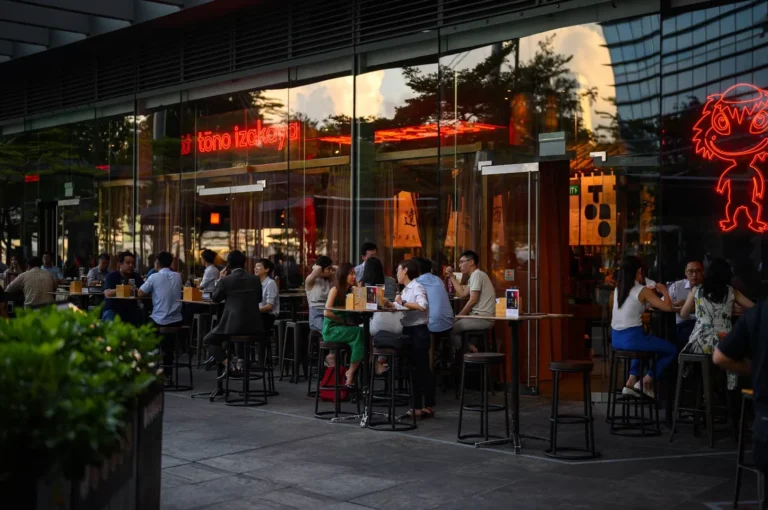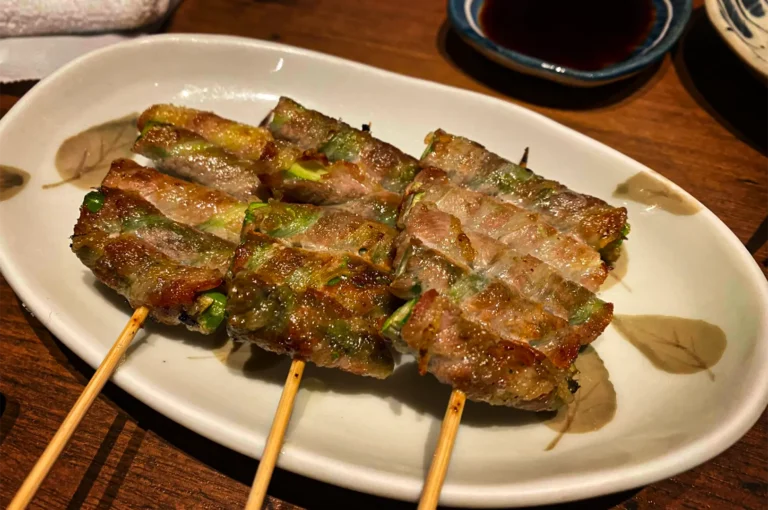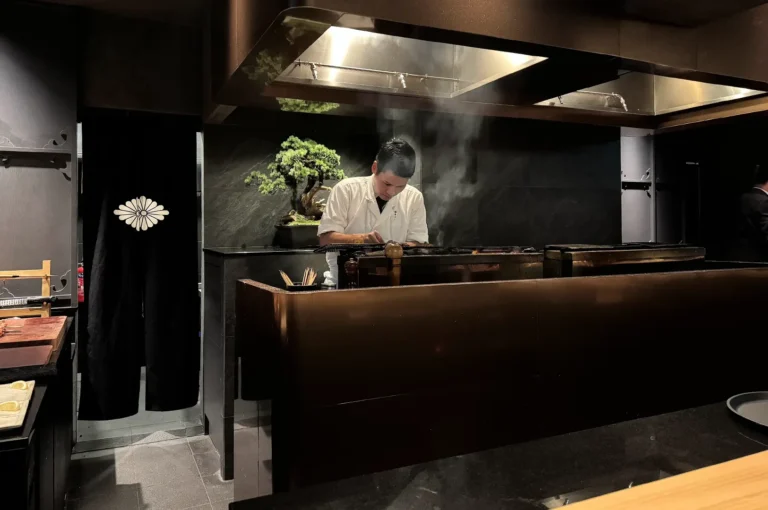

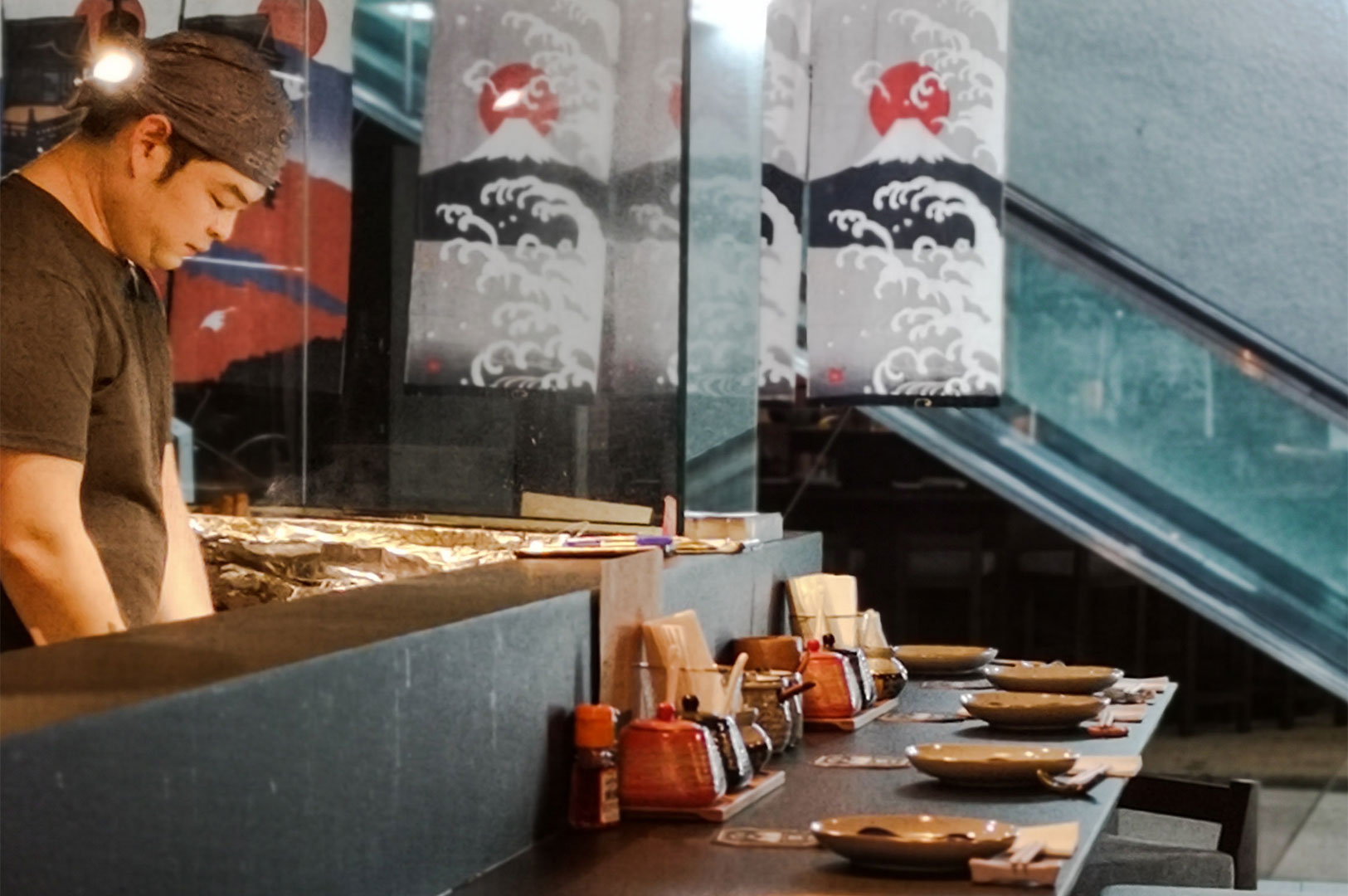
To sit at a yakitori counter at Kai Yakitori is to witness a quiet, focused performance in the heart of Orchard Plaza at 150 Orchard Road. The establishment offers an amazing dining experience, with the chef’s skill and execution making each dish truly memorable. The chef’s honest approach to food and service is evident in every detail, from the use of fresh, high-quality ingredients to the careful preparation of each chicken skewer. Inspired by Japan and traditional Japanese techniques, the omakase menu showcases the chef’s craftsmanship through a curated selection of specialties. Diners enjoy a unique view from the chef’s counter, taking in the ambiance and artistry as each course is prepared.
In a recent post, the restaurant announced its current location within Orchard Plaza, keeping diners updated on any changes or new developments.
There are many reasons why Kai Yakitori stands out among yakitori restaurants in Singapore: the authenticity, the quality, the chef’s dedication, and the exclusive setting. Dining here is a special experience, not something you do every day, and it’s this combination of factors that makes Kai Yakitori one of the most revered destinations for yakitori in Singapore. The establishment’s crew works seamlessly to ensure customers feel welcomed and that every dish is served with perfection.
The Soul of the Grill at Kai Yakitori in Orchard Plaza: Binchotan, Heat Zones, and Control
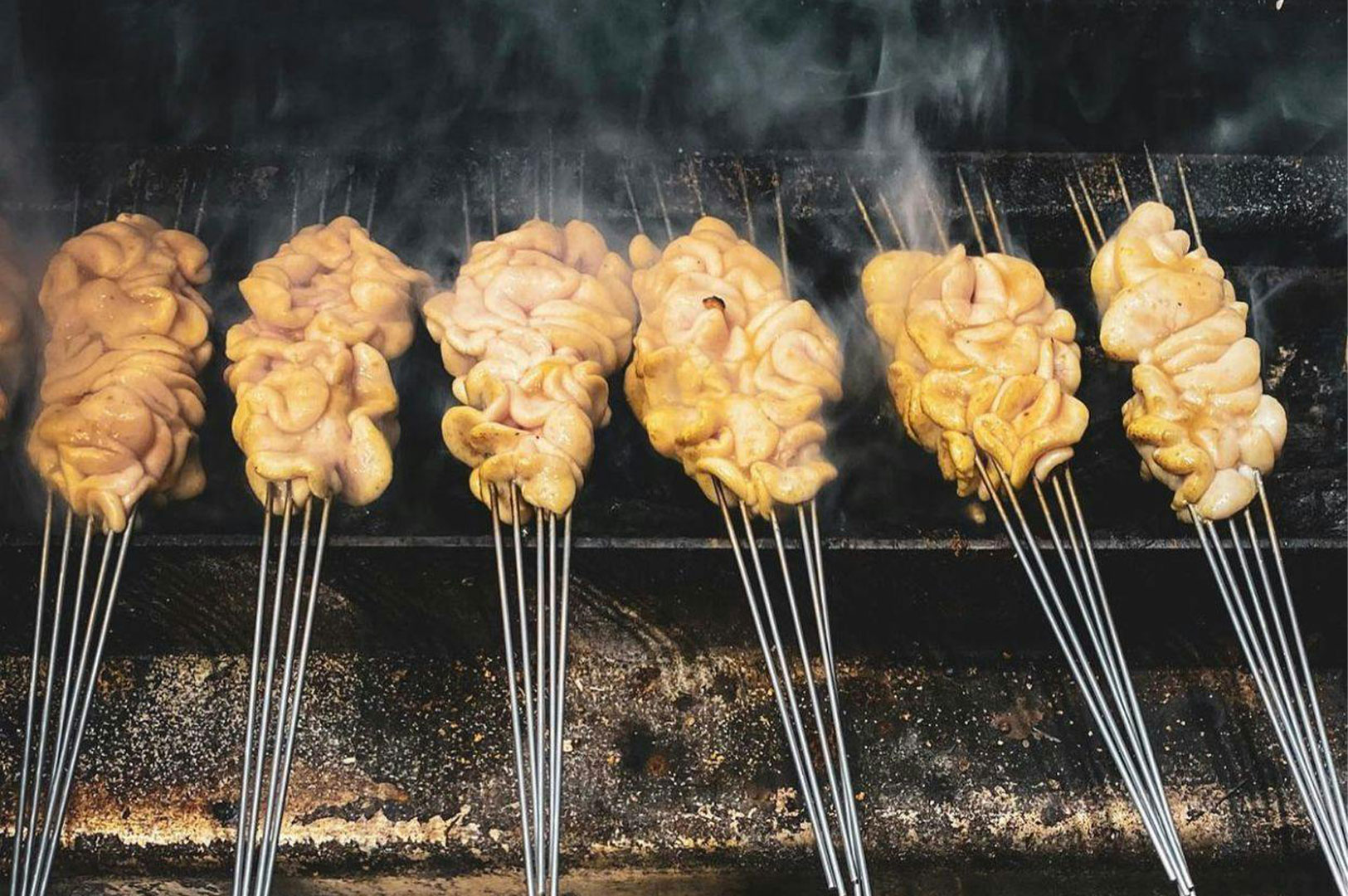
The distinct flavor of exceptional yakitori starts with the heat source: binchotan. This ultra-dense white charcoal, forged from Japanese oak, is the quiet heart of the grill. Unlike standard charcoal, it burns nearly smoke-free at a consistent, high temperature. This clean heat ensures the chicken’s natural flavors are roasted and celebrated, not masked by smoke.
A master griller doesn’t see one flat surface of heat. They see a landscape of temperatures, managed by how high the grill grate sits and where the coals are arranged. They use intense, direct heat to sear and create a crisp exterior, then move sticks to a cooler zone to cook through gently. In yakitori, each stick refers to a traditional skewer of chicken or vegetables, and the quality and handling of the stick are essential to both preparation and presentation. The final kiss of flame is a deliberate act, used to render a last bit of fat or add a touch of char. The chef may also adjust how they season the chicken based on the season, using the freshest ingredients and enhancing flavors to match the time of year.
Kai Yakitori’s Seasoning Dilemma: Shio vs. Tare for Chicken Skewers
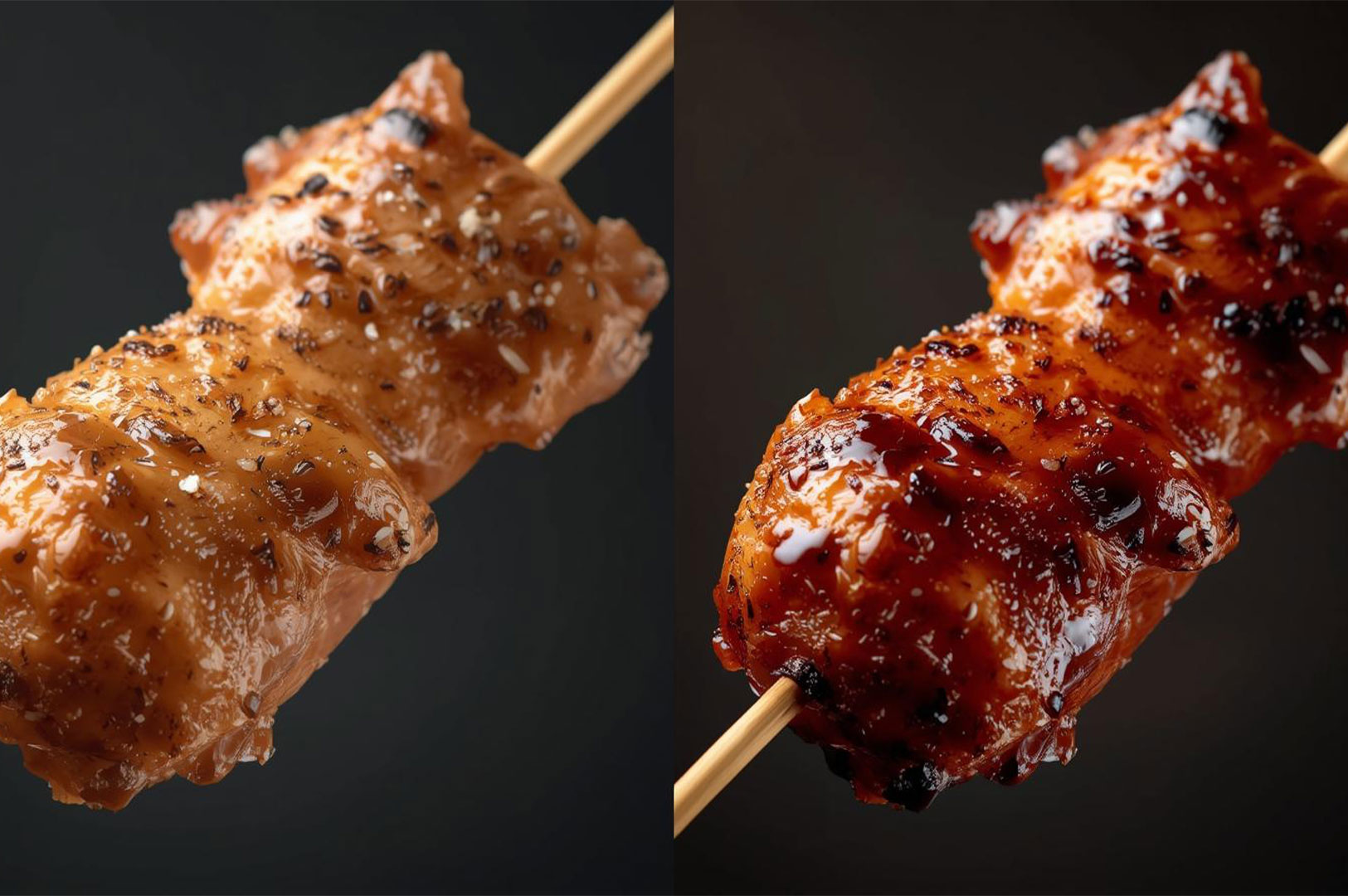
Every skewer presents a choice: shio (salt) or tare (glaze). Diners can expect a range of seasoning options that may change with the menus, offering new flavor experiences each visit. Some specialty cuts or seasoning options may require advance notice or special preparation, as their unique preparation requires extra time or attention. This isn’t about which is better, but which best serves the cut.
Shio is the purist’s choice. A sprinkle of high-quality salt is used to draw out moisture, concentrate flavor, and highlight the inherent taste of the chicken. It’s ideal for delicate cuts like breast (sasami), heart (hatsu), or gizzard (sunagimo), where the texture and subtle minerality are the stars.
Tare is a complex, savory-sweet grilling sauce that adds depth and richness. A great tare is a living thing, often passed down and replenished for years. It’s a reduction of soy sauce, mirin, sake, and sugar, with chicken drippings adding more character over time. The chef will dip and grill skewers multiple times, building a lacquer-like glaze that’s glossy and flavorful but never thick or syrupy. Tare is perfect for richer cuts like thigh (momo) or liver (reba), as it balances the fat and caramelizes beautifully.
From Your Seat: Spotting Balanced Seasoning
- Shio: The salt is evenly distributed, not caked on. The meat looks juicy, not dry.
- Tare: The glaze is a thin, shiny coat, not a thick, gloopy sauce. It has caramelized spots, not burnt ones.
Menus may feature seasonal or chef-selected seasoning approaches, so you can expect new combinations and techniques throughout the year.
Sacred Chicken Skewers Cuts Decoded at Kai Yakitori for First-Timers
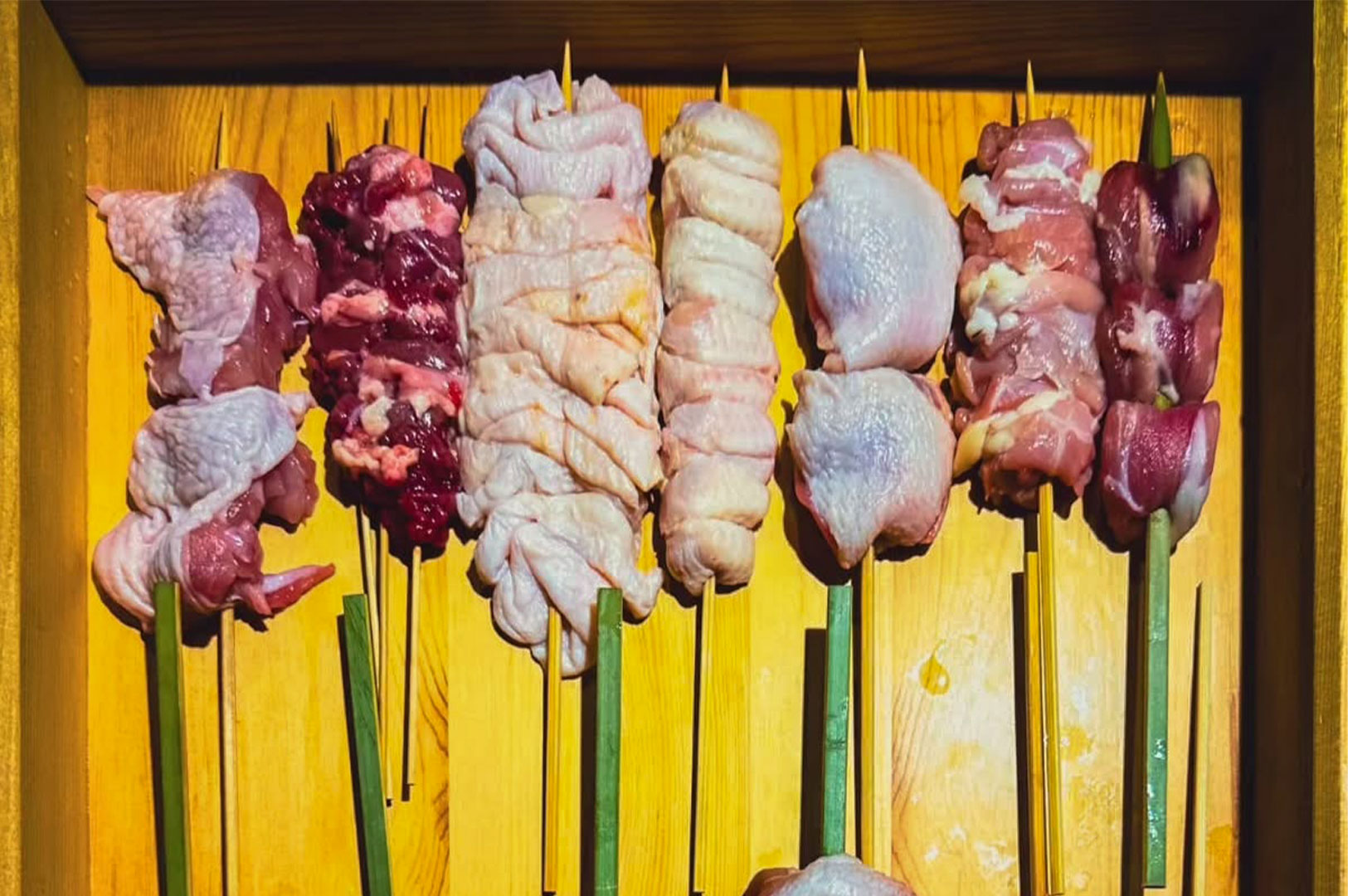
Understanding the primary yakitori cuts is your first step toward ordering with confidence. Each has a unique texture and flavor profile that a skilled chef knows how to maximize. There is a wide variety of chicken skewers available, with each cut offering a distinct taste and experience, allowing you to enjoy the full range of yakitori options.
Momo (Thigh)
As the workhorse muscle, the thigh contains a perfect balance of lean meat and flavorful fat. The generous size of the thigh cut also contributes to its juiciness, ensuring a satisfying portion with every serving. A typical serve of momo (thigh) offers a generous, satisfying portion, making it a standout choice for those seeking both flavor and substance. This makes it incredibly juicy and forgiving on the grill. The fat renders beautifully, basting the meat as it cooks. It’s the ideal canvas for tare, as the rich sauce complements the chicken’s robust flavor.
Kawa (Chicken Skin)
Chicken skin is a prized ingredient in yakitori, celebrated for its unique texture and flavor. Yakitori chicken skin is not the soft, fatty layer you find on a roast chicken. It is a revelation. Skewered meticulously, often in folds, chicken skin is grilled slowly until the fat is fully rendered out. The goal is a glassy, cracker-like crispness that shatters when you bite it. It’s a testament to the chef’s patience and heat control.
Hatsu (Heart)
Don’t be intimidated. Chicken heart is a lean muscle with a satisfying, springy texture and a clean, slightly mineral taste. When cooked perfectly—just firm with a tender center—it’s a wonderful introduction to offal. It’s almost always seasoned with shio to let its unique character shine.
Building a Tasting Progression of Chicken Skewers at Kai Yakitori in Orchard Plaza
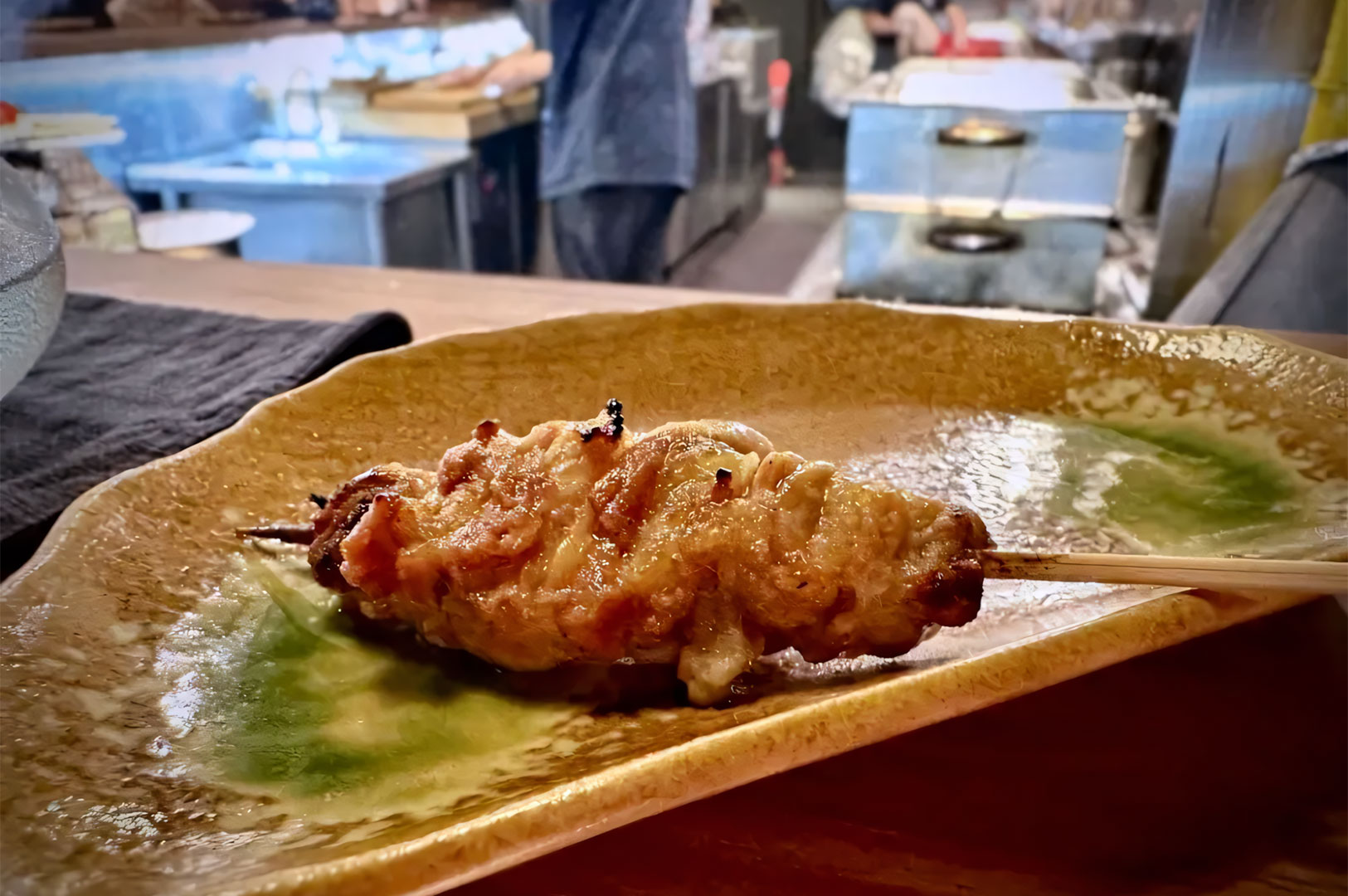
A great yakitori meal has an arc. Think of it as a small tasting menu you build yourself. Begin your experience with appetisers—small, fresh dishes that open the palate and set the tone for the meal—before moving on to skewers. The key is to progress from lighter, cleaner flavors to richer, more robust ones. This prevents palate fatigue and allows you to appreciate the nuance of each skewer. To round out the yakitori experience, rice dishes such as oyako-don (chicken and egg rice bowl) or chicken rice are popular choices, emphasizing rice as an essential part of a satisfying Japanese meal.
- Clean & Bright (Shio-Led): Start with delicate, salt-seasoned items.
- Sasami (Breast Tenderloin) with wasabi
- Hatsu (Heart)
- Sunagimo (Gizzard)
- Tebasaki (Wing)
- Rich & Glossy (Tare-Led): Move into savory, glazed chicken skewers.
- Momo (Thigh)
- Negima (Thigh and Scallion)
- Tsukune (Meatball)
- Reba (Liver)
- Offal-Curious (Texture-Forward): Explore the unique and delicious world of organ meats.
- Hatsu (Heart) – Shio
- Sunagimo (Gizzard) – Shio
- Reba (Liver) – Tare
- Bonjiri (Tail) – Shio
Reading Craft from the Chef’s Counter at Kai Yakitori in Orchard Plaza
The best seat in the house is the chef’s counter, where you can observe the tiny details that signal mastery.
- Turning Cadence: Watch how often the chef turns the skewers. Constant fiddling is a bad sign. A confident chef knows exactly when to turn to achieve an even cook.
- Rest Time: Does the chef let skewers rest for a moment off the heat? This allows juices to redistribute, ensuring a tender bite.
- Glaze Setting: When applying tare, the chef should allow each layer to set and caramelize before applying the next.
- Flare Control: A master uses a fan (uchiwa) to coax heat from the binchotan, not to battle huge flames.
- Serving Precision: Notice how the chef serves each skewer at the perfect moment, ensuring optimal temperature and presentation for the best dining experience.
If you have a question, wait for a quiet moment, such as when the chef is seasoning or arranging skewers. A simple, “Chef, what cut do you recommend next?” shows respect and interest.
Etiquette That Keeps the Grill Calm at Kai Yakitori
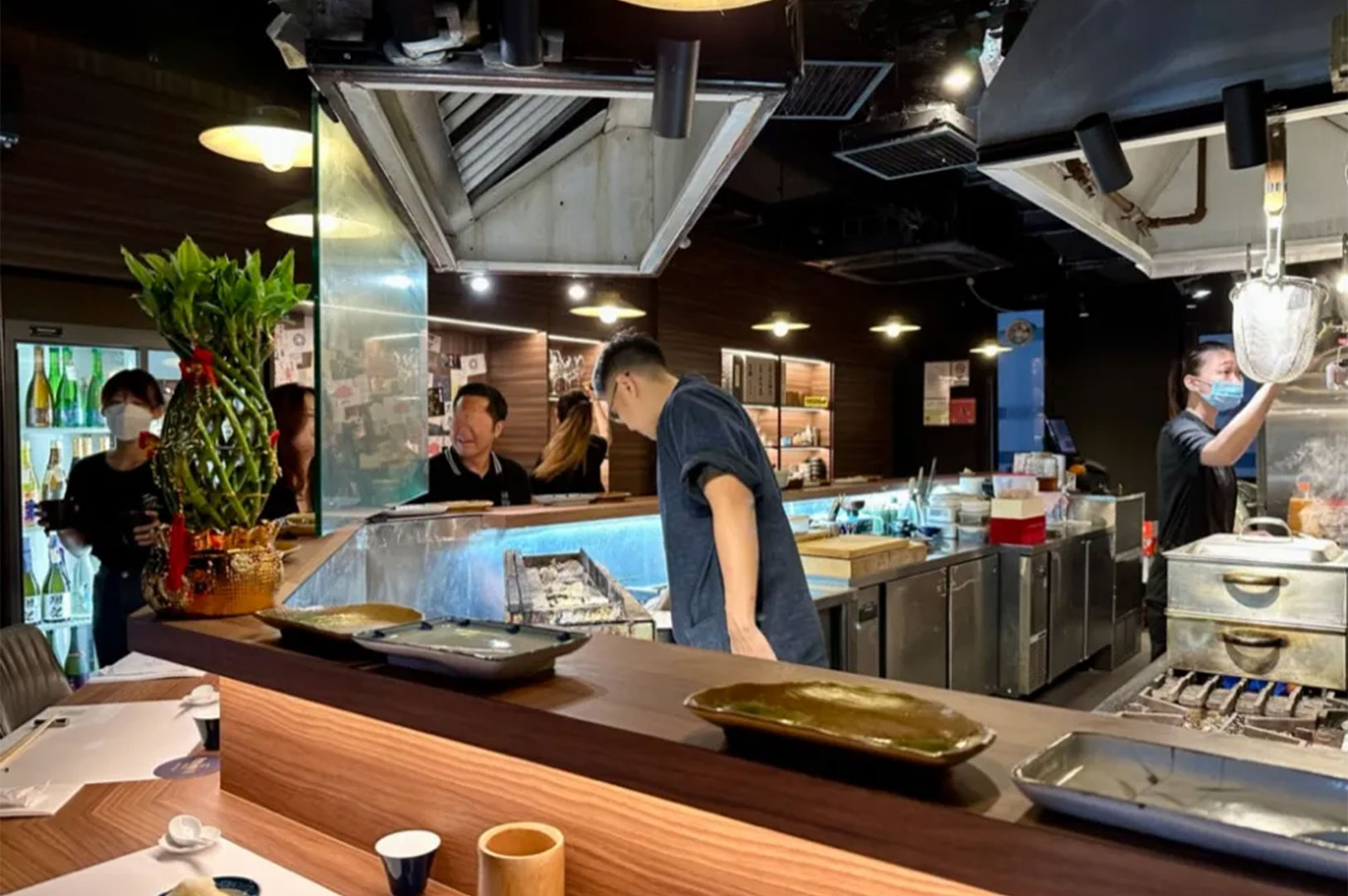
A yakitori-ya is a place of craft and community. Following a few simple points of yakitori etiquette ensures a smooth experience for everyone.
- Pacing: Order a few skewers at a time. This allows the chef to pace your meal and ensures each skewer arrives at its peak temperature and texture.
- Photos: Be quick and discreet. Avoid using a bright flash that can distract the chef and other diners.
- Fragrance: Avoid wearing strong perfume or cologne. The aroma of the grill is part of the experience.
- Substitutions: Respect the menu. Asking to substitute an ingredient in a skewer can disrupt the kitchen’s flow. For respectful requests, phrasing is key. For example, if you have an allergy, you might politely say: “Excuse me, chef. I have an allergy to scallions. Is it possible to have the momo skewer without them?” Choose your words carefully when making special requests, as the right words can convey respect and appreciation for the chef’s craft.
Yakitori Cuts: A Comparison Guide Featuring Kai Yakitori’s Chicken Skewers
| Cut | Ideal Seasoning | Texture Cue | Doneness Signal | Common Mistake | Pairing Note |
|---|---|---|---|---|---|
| Momo (Thigh) | Tare | Juicy, tender | Golden-brown, slight char | Dry from overcooking | Pairs well with a light beer or junmai sake. |
| Kawa (Chicken Skin) | Shio or Tare | Glassy, crisp | Deeply golden, rendered | Chewy, under-rendered fat | An ice-cold highball cuts through the richness. |
| Hatsu (Heart) | Shio | Springy, firm | Plump, browned exterior | Rubbery and tough | A dry, crisp sake highlights its minerality. |
| Tsukune (Meatball) | Tare | Soft, succulent | Glazed, browned surface | Dense and dry inside | Often served with a raw egg yolk for dipping. |
| Bonjiri (Tail) | Shio | Very fatty, melts | Crisp skin, juicy pop | Greasy, un-rendered fat | Needs a refreshing drink like a shochu sour. |
| Reba (Liver) | Tare | Creamy, smooth | Pink center, glazed exterior | Grainy and metallic | A richer, fuller-bodied sake can stand up to it. |
First-Flight Playbooks for Kai Yakitori’s Chicken Skewers in Orchard Plaza
Not sure where to begin? Use these simple frameworks for a perfectly paced meal.
- The 30-Minute Quick Counter Stop:
- Start with a cold beer or highball.
- Order momo (tare) and negima (tare).
- Follow with hatsu (shio).
- Finish with tsukune (tare).
- The 60- to 75-Minute Relaxed Dinner:
- Begin with a light appetizer like pickled vegetables.
- Order a shio-led flight: sasami, hatsu, kawa.
- Pause with a seasonal grilled vegetable skewer.
- Move to a tare-led flight: momo, reba, tsukune.
- Throughout the meal, enjoy drinking sake or beer to complement the yakitori.
- The chef ensures each dish is ready and served at the perfect moment, so you can eat everything at its best.
- For the ending, choose a specialty dish like oyako don, noodles, or ramen to end your meal on a comforting note.
- These dishes provide a satisfying end, ensuring you leave fully satisfied after eating.
- The Offal Sampler for the Curious:
- Start with the most approachable: hatsu (heart) with shio.
- Move to texture: sunagimo (gizzard) with shio for its crunch.
- Experience richness: reba (liver) with tare for its creamy texture.
- Finish with the ultimate indulgence: bonjiri (tail) with shio for its fatty pop.
Why Kai Yakitori Ranks Among the Best Yakitori Restaurants in Singapore
Kai Yakitori has earned its reputation through authentic Japanese grilling, premium ingredient selection, and an intimate dining experience at Orchard Plaza, a hidden culinary gem in Singapore.
Highlights include:
- Use of traditional binchotan charcoal and bamboo skewers for a clean, smoky char that enhances natural chicken flavors with a nice char.
- Premium chicken pieces, including rare parts like chicken gizzard and soft bone, offering a diverse menu that goes beyond typical cuts.
- Balanced seasoning philosophy with shio or tare, tailored to each cut, often marinated lightly with garlic, lemon, and a touch of chicken stock to bring out savory depth.
- Exclusive omakase-style service with limited seating for a personalized experience, akin to renowned Japanese restaurants such as Shunjuu Izakaya and Shirokane Tori Tama.
- Many dishes accompanied by a small bowl of soup or salad, adding freshness and a boost of vitamin C.
- Chef’s marinade and cooking techniques, including medium high heat grilling and careful pan finishing, ensure fully cooked, tasty skewers with controlled saturated fat and minimal trans fat.
This commitment to quality and authenticity places Kai Yakitori among the best yakitori restaurants in Singapore, alongside other culinary gems found at locations like Cuppage Plaza, Robertson Walk, Bali Lane, Golden Mile Tower, and Changi Road.
Ideal for lovers of expertly grilled chicken skewers and Japanese cuisine, Kai Yakitori offers a main course experience that rivals even those featuring pork belly, beef, and seafood. Leftovers reheat well, whether in an air fryer or pan, making the flavors last beyond the meal.
FAQs on Kai Yakitori and Chicken Skewers in Orchard Plaza
What’s the difference between shio and tare?
Shio is salt seasoning that highlights the meat’s natural flavor. Tare is a savory-sweet soy glaze, best for richer cuts when the house recipe balances soy, sweetness, and char.
How do I know if binchotan is used properly?
The coals should glow reddish-orange with little smoke. Whether near Orchard Plaza or coming from Amara Hotel, the air should smell clean and smoky, not acrid.
What’s a good starter flight for offal?
Start with heart for springy texture, then gizzard for crunch. Try liver with tare last, and use a small onion side to refresh your palate.
Can I request pacing changes politely?
Yes. Order 2 to 3 skewers per person at a time, then pause before the next round. It keeps the meal relaxed, like a slow sa tae bak session.
Is lunch or dinner better?
Dinner is usually better. The grill is hotter, the chef is in rhythm, and more cuts are available, even if you only want a half portion.
What are signs of overcooking or too much sauce?
Overcooked skewers taste dry or tough. Over-sauced skewers look thick and gloopy, with tare masking the meat instead of lightly coating it.
Find Your Perfect Counter at Kai Yakitori in Orchard Plaza
Kai Yakitori in Orchard Plaza is more than just a place to eat—it’s a celebration of authentic Japanese yakitori craftsmanship. From the masterful grilling over binchotan charcoal to the carefully curated omakase menu featuring tender chicken skewers, crispy chicken skin, and the beloved oyako don, every detail is designed to deliver an unforgettable dining experience in Singapore. Whether you’re a seasoned yakitori enthusiast or new to the world of Japanese grilled chicken, Kai Yakitori offers a unique journey through flavors, textures, and tradition.
This guide is about understanding the how and why behind great yakitori. Once you can spot the craft, the next step is finding a place to experience it. For a curated list of venues that excel in this tradition, The Best Yakitori in Singapore: Where to Savor Grilled Perfection is the ideal companion to your new technical knowledge. Don’t miss the top yakitori spots in Singapore—these experiences should not be missed for a complete yakitori journey.