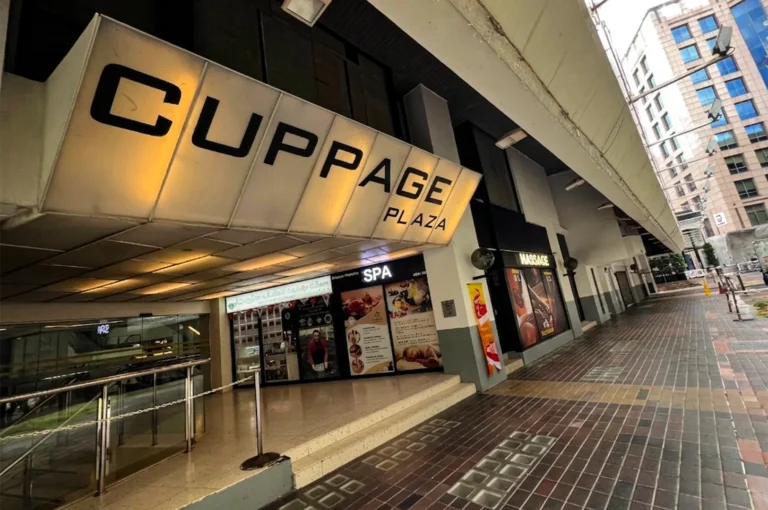

Discover the vibrant world of yakitori in Singapore, where traditional Japanese grilled chicken skewers meet local culinary passion. From hidden gems to renowned spots like Skewers Yakitori Izakaya and Shirokane Tori Tama, the city offers diverse flavors and experiences. Cuppage Plaza is a hotspot for authentic yakitori, hosting several acclaimed restaurants showcasing precise grilling. Whether a seasoned fan or new to this tradition, Singapore’s yakitori scene promises memorable tastes and atmospheres.
Overview Table of Best Yakitori Restaurants in Singapore
| Restaurant Name | Category | Location(s) | Price Range | Specialty Dishes |
|---|---|---|---|---|
| Nanbantei | Budget Champions | Far East Plaza, Chinatown Point | Budget (Under S$50) | Meatballs (beef, chicken, pork), chicken buttocks, shishamo |
| Shunjuu Izakaya | Budget Champions | Cuppage Plaza | Budget (Under S$50) | Chicken thigh skewers, beef, pork, seafood, vegetarian options |
| Yorimichi | Budget Champions | Golden Mile Tower | Budget (Under S$50) | Classic cuts (momo, kawa, seseri), seasonal exclusives |
| Torikami | Premium Experiences | Tanjong Pagar | Premium (S$80-200++) | Rare cuts like heart aorta, tail, tsukune |
| Kai Yakitori | Premium Experiences | Orchard Plaza | Premium (S$80-200++) | Momo, kawa, tsukune, seasonal specials |
| Fukuda Yakitori | Premium Experiences | Orchard Plaza | Premium (S$80-200++) | Progressive yakitori cuts, refined textures |
Yakitori in Singapore: Best Yakitori Restaurants – Quick Answers
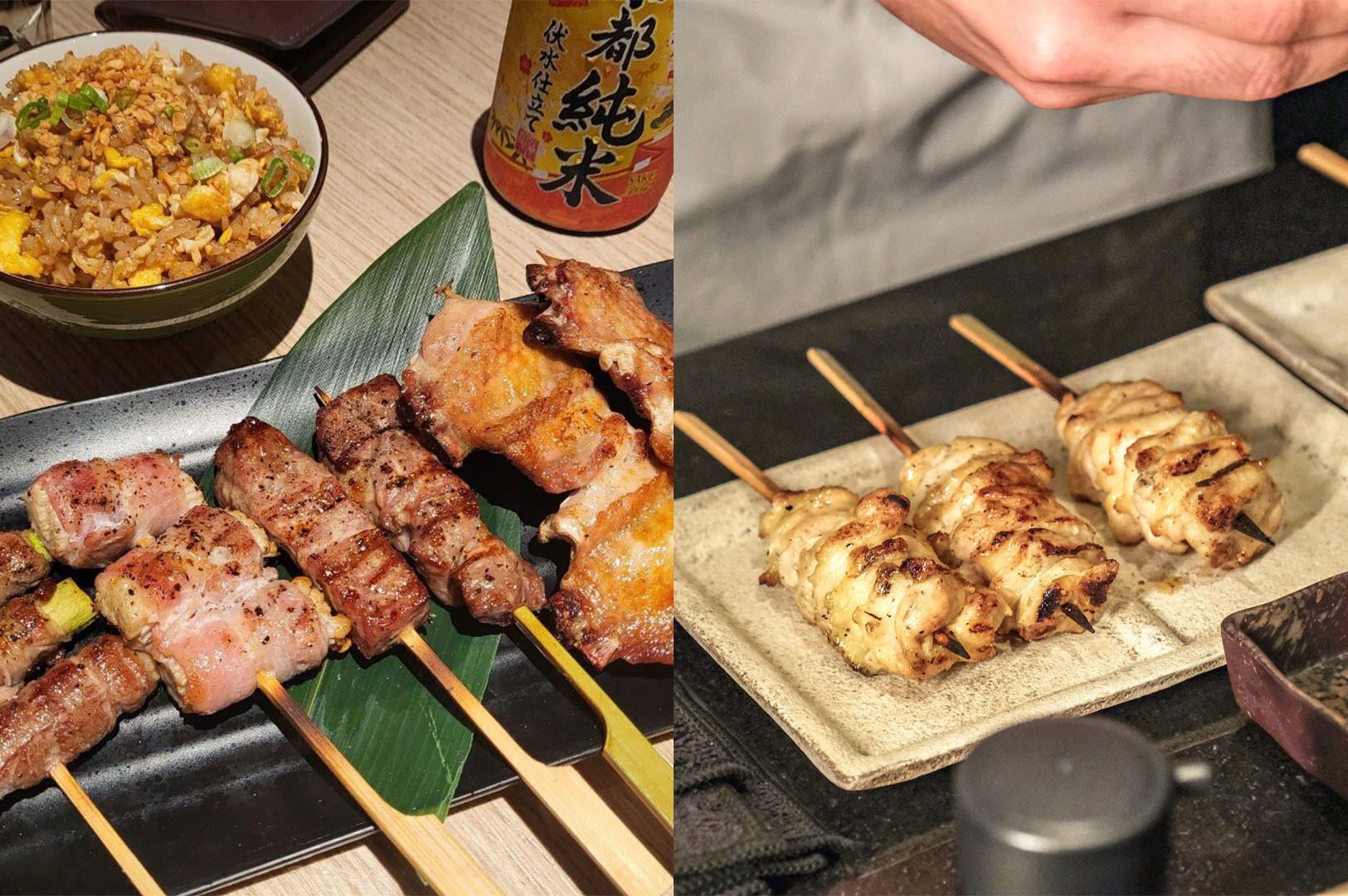
Singapore’s yakitori scene offers remarkable variety, from traditional wood-furnished establishments to modern haute cuisine interpretations. Here’s your essential quick reference to the best places to enjoy grilled chicken skewers and other yakitori dishes. Note: Some venues offer special menus or limited-time items available only on certain days—check ahead for the day’s exclusives.
Budget Champions (Under S$50)
Nanbantei
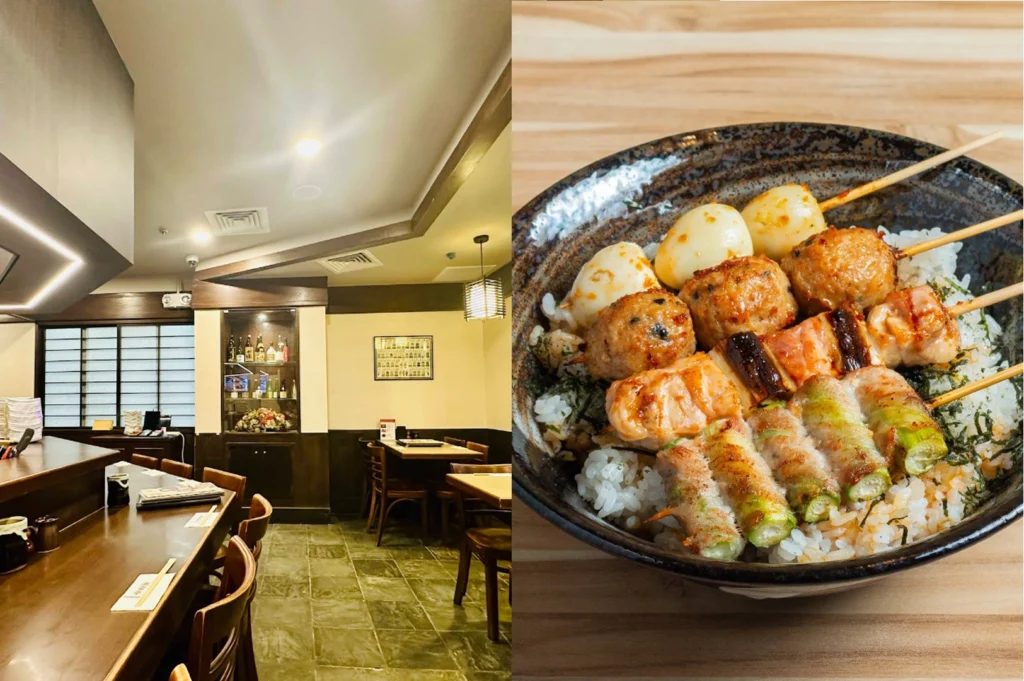
Singapore’s oldest yakitori restaurant, established in 1983, offers traditional counter seating with wood furnishings and authentic Tokyo-style grilling techniques. Nanbantei is known for its wide variety of yakitori, including unique specialties like meatballs made from beef, chicken, and pork, as well as adventurous cuts like chicken buttocks and shishamo. The restaurant uses high-quality chicken from reputable suppliers to ensure freshness and flavor. Grilling is done over binchotan charcoal, imparting a distinct smoky aroma characteristic of authentic Japanese yakitori. With locations in Far East Plaza and Chinatown Point, Nanbantei remains a beloved spot for locals and tourists seeking genuine yakitori in Singapore.
- Locations: Far East Plaza and Chinatown Point
- Grilling Method: Traditional binchotan charcoal
- Specialties: Meatballs combining beef, chicken, and pork; chicken buttocks; shishamo (pregnant fish)
- Quality Focus: High-quality chicken from reputable suppliers
- Atmosphere: Traditional counter seating with wood furnishings
Shunjuu Izakaya
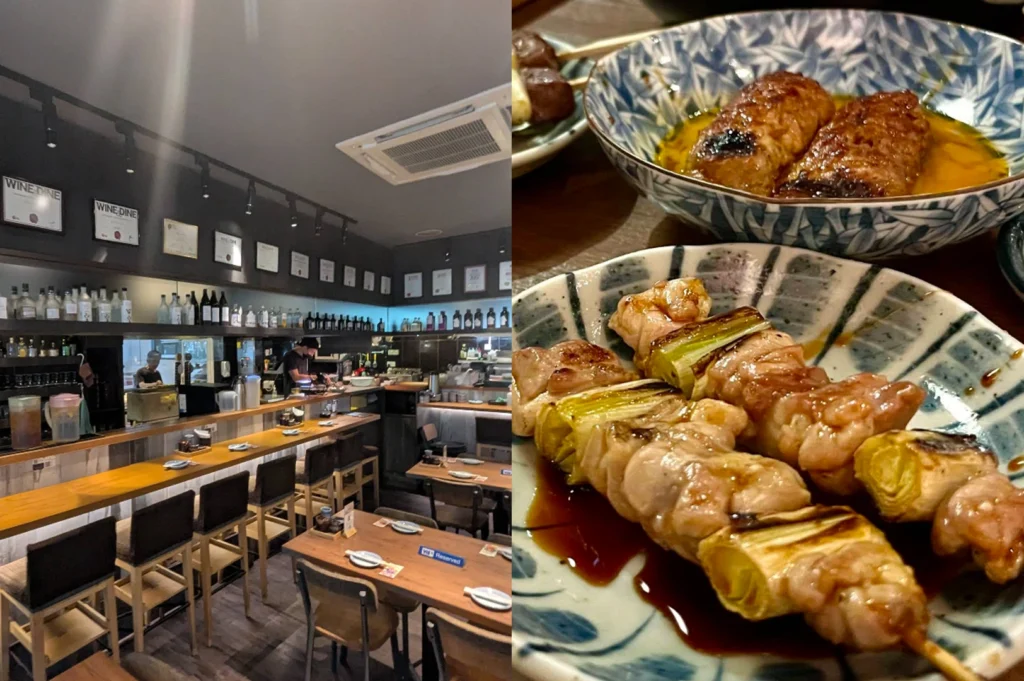
A classic Japanese skewers yakitori izakaya known for its 20-year-old sauce and rare cuts like kanmuri (rooster comb). Serious about yakitori culture while remaining approachable in price, making it a reliable choice for authentic skewers under S$50. This place is loved by many customers for its cozy bar atmosphere and expertly grilled chicken thigh.
- Location: Conveniently in the heart of Cuppage Plaza
- Ingredients: Fresh, locally sourced chicken
- Grilling Technique: Traditional binchotan charcoal grilling, imparting a distinct smoky flavor
- Menu Variety: Includes chicken, beef, pork, seafood, and vegetarian skewers
- Seasoning: Balanced use of tare sauce and shio salt to highlight natural flavors
Skewers Yakitori Izakaya has built a loyal following among both locals and expatriates who appreciate its commitment to high-quality yakitori in Singapore. Whether you’re seeking a casual night out or a flavorful introduction to Japanese skewers, Skewers Yakitori Izakaya offers an inviting ambiance paired with expertly crafted yakitori dishes that showcase the essence of this beloved culinary tradition.
Yorimichi
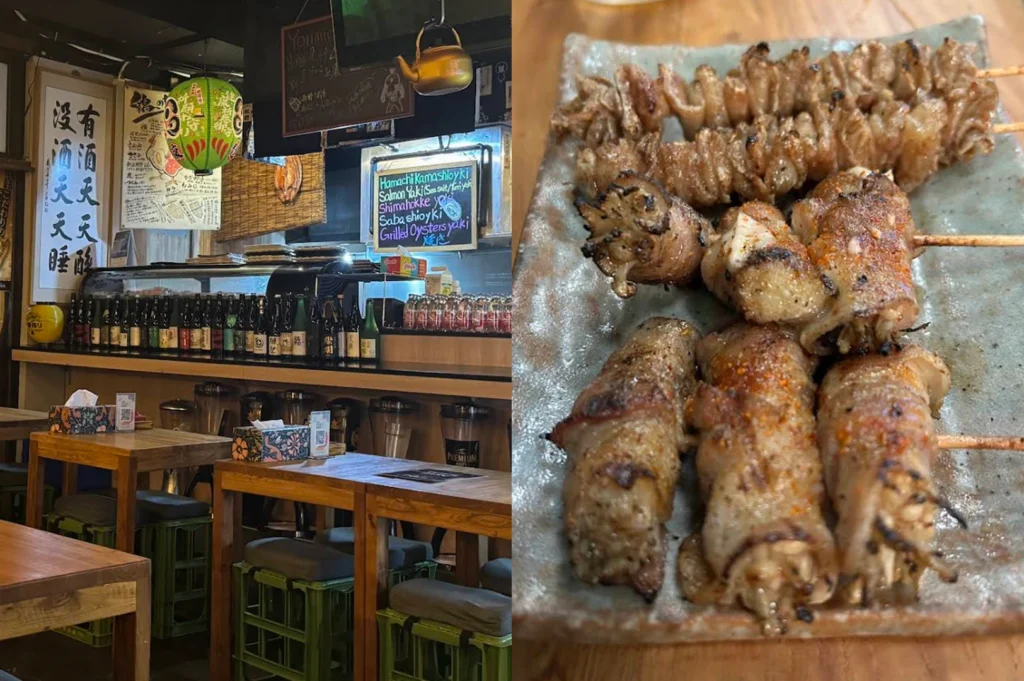
A tucked-away yakitori bar inspired by Tokyo’s Golden-Gai, where diners build rapport with chefs over repeat visits. This intimate spot specializes in authentic Japanese grilled chicken skewers over premium binchotan charcoal, infusing each skewer with delicate smoky flavor. Known for exceptional quality and attention to detail, it offers classic cuts like momo (thigh), kawa (skin), and rare parts like seseri (neck). Chefs prioritize freshness, sourcing chicken from reputable suppliers. Regulars enjoy personalized service and seasonal exclusives, making it a must-visit for authentic yakitori in Singapore.
- Inspiration: Tokyo’s Golden-Gai speakeasy vibe
- Specialty: Authentic yakitori grilled over binchotan charcoal
- Menu Highlights: Classic cuts like momo (thigh), kawa (skin), seseri (neck), and seasonal exclusives
- Quality Focus: Fresh chicken sourced from reputable suppliers
- Atmosphere: Intimate and personalized with a focus on building rapport with chefs
- Location: Tucked-away, rewarding insider knowledge for discovery
Premium Experiences (S$80-200++)
Torikami
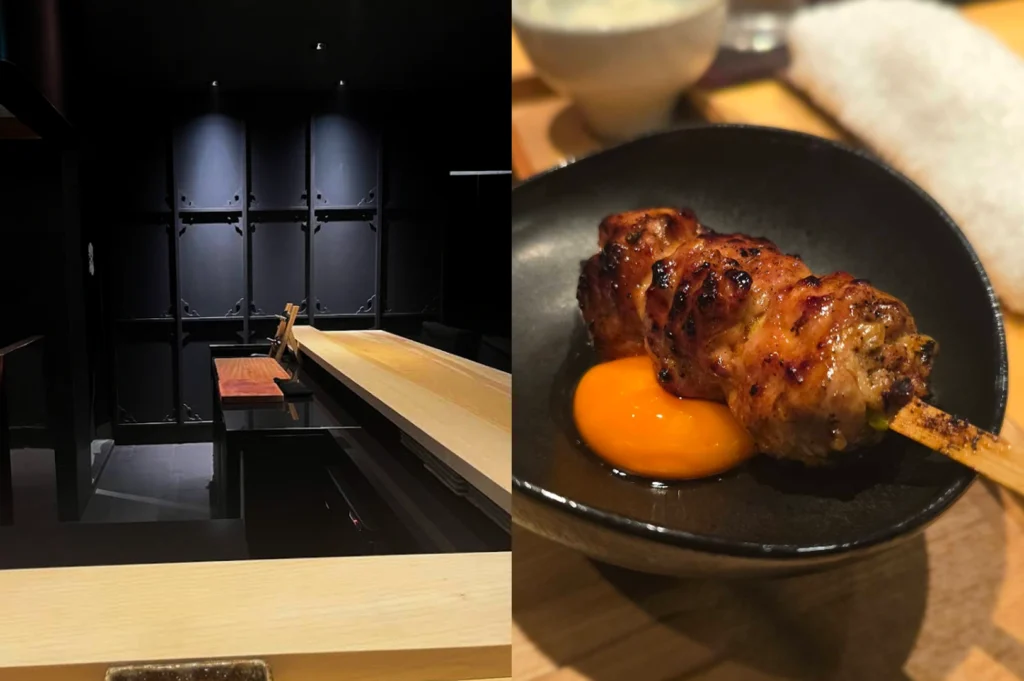
11-skewer Michelin-level yakitori omakase using authentic Kishu binchotan charcoal, featuring rare cuts like heart aorta and tail. Each skewer is served directly from grill to plate, highlighting the finest quality chicken in Singapore. Located in Tanjong Pagar, Torikami blends traditional grilling with a modern, intimate setting for an elevated yakitori experience.
- Location: Tanjong Pagar, Singapore
- Grilling Method: Authentic Kishu binchotan charcoal
- Menu: 11-skewer Michelin-level yakitori omakase featuring rare cuts such as heart aorta and tail
- Quality: Chicken sourced from reputable farms ensuring freshness and superior flavor
- Dining Experience: Modern, intimate setting with direct grill-to-plate service
- Focus: Sustainability and seasonality with rotating menus showcasing best cuts and innovative preparations
- Beverage Pairing: Expertly paired Japanese sake and shochu selections
Torikami sources its chicken from reputable farms to ensure freshness and superior flavor. Emphasizing sustainability and seasonality, the menu rotates to showcase the best cuts and innovative preparations. Skilled chefs grill over Kishu binchotan charcoal, adding a delicate smoky aroma that enhances the chicken’s natural umami. Guests can enjoy expertly paired Japanese sake and shochu, making Torikami ideal for an elevated yakitori omakase experience in Singapore.
Kai Yakitori
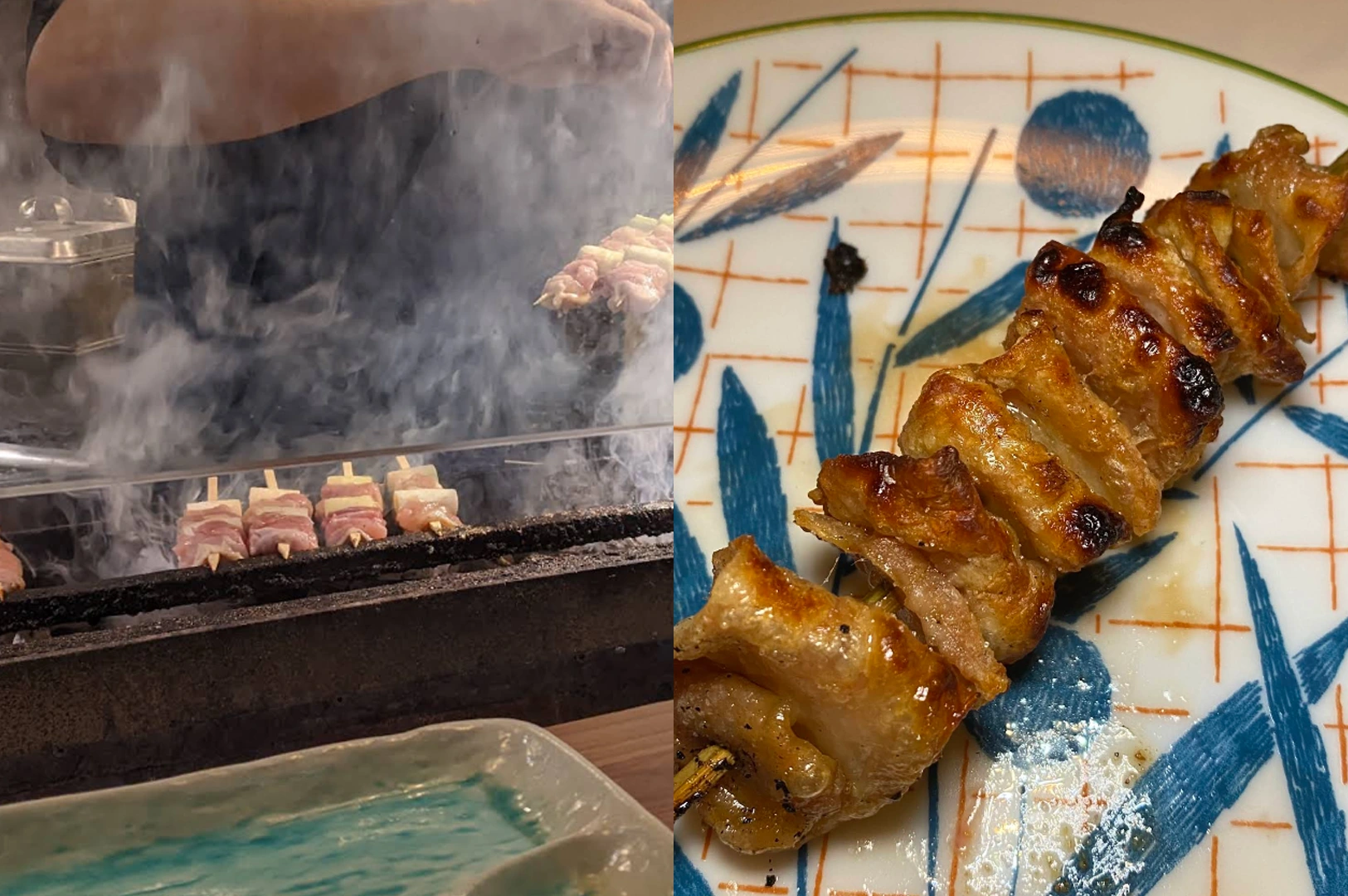
Kai Yakitori is a popular yakitori counter near Orchard Plaza in Singapore, celebrated for its disciplined use of traditional Japanese binchotan charcoal and precise grilling techniques. The restaurant offers a diverse menu featuring classic and lesser-known chicken cuts, each seasoned with tare or shio to enhance natural flavors. Emphasizing fresh, high-quality chicken from trusted local suppliers, Kai Yakitori provides an intimate dining experience that blends modern minimalism with traditional Japanese aesthetics. Its carefully controlled grilling imparts a subtle smoky aroma, complemented by expertly paired sake and shochu selections, making it a favored spot for both yakitori enthusiasts and newcomers.
Key Information:
- Location: Near Orchard Plaza, Singapore
- Grilling Method: Traditional Japanese binchotan charcoal
- Menu Highlights: Momo (chicken thigh), kawa (skin), tsukune (meatballs), seasonal specials
- Atmosphere: Intimate, modern minimalist with traditional Japanese aesthetics
- Beverage Pairings: Sake and shochu selections
For those seeking authentic yakitori in Singapore, Kai Yakitori stands out as a top destination that balances traditional grilling techniques with contemporary flair, making it a must-visit for yakitori enthusiasts and newcomers alike.
Fukuda Yakitori
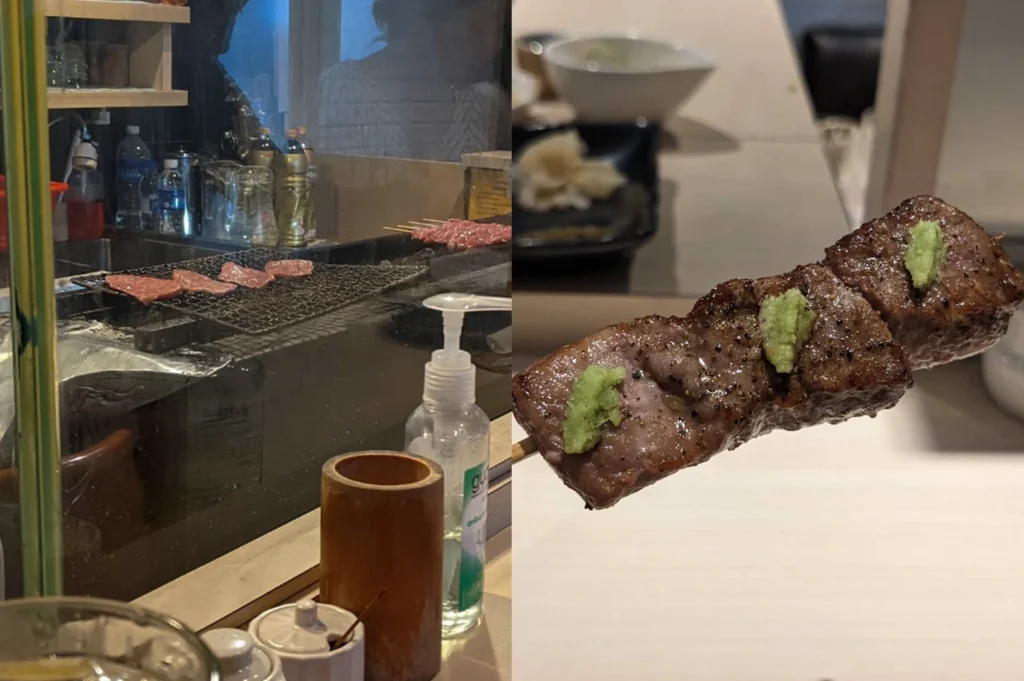
An intimate, chef-led counter that leans into traditional Edomae-style yakitori. The experience is paced deliberately, moving through a thoughtful progression of cuts, from familiar to more nuanced selections. With tight control over fire, seasoning, and timing, Fukuda focuses on extracting depth and texture from each skewer, creating a quiet, refined counter experience grounded in craft.
- Location: Orchard Plaza, Singapore
- Grilling Method: Traditional binchotan charcoal with precise fire control
- Menu Highlights: Progressive selection of yakitori cuts from common to rare, emphasizing depth and texture
- Atmosphere: Quiet, refined, intimate chef-led counter setting
- Beverage Pairings: Carefully selected sake and Japanese beverages complementing the yakitori flavors
Neighborhood Hotspots
- Orchard Plaza: Kai Yakitori and Fukada offer accessible business dining with options ranging from classic chicken thigh skewers to inventive dishes with vegetables and rice, serving lunch and dinner to diverse customers. Kai Yakitori’s outlet at Orchard Plaza is especially popular for after-work gatherings, showcasing expert yakitori grilling and a variety of skewers.
- Tanjong Pagar: Premium concentration with Torisei’s kappo-style yakitori omakase menus that emphasize harmony between fire, seasoning, and the natural flavors of chicken. Their yakitori omakase experience is renowned for quality and precise grilling techniques.
- Robertson Quay: Traditional atmosphere with former Shirokane Tori-Tama legacy, known for pairing yakitori with sake and educating diners on the art of seasoning, creating a warmth that guests appreciate. Their yakitori grilling methods ensure every skewer is cooked to perfection.
- Joo Chiat: Emerging local gems with authentic techniques and a warm atmosphere that invites both casual eating and special dinner occasions. The quality of chicken and the skillful yakitori grilling here make it a must-visit for skewers enthusiasts.
Grilled Chicken: Understanding Authentic Yakitori – The Foundation of Fire and Flavor
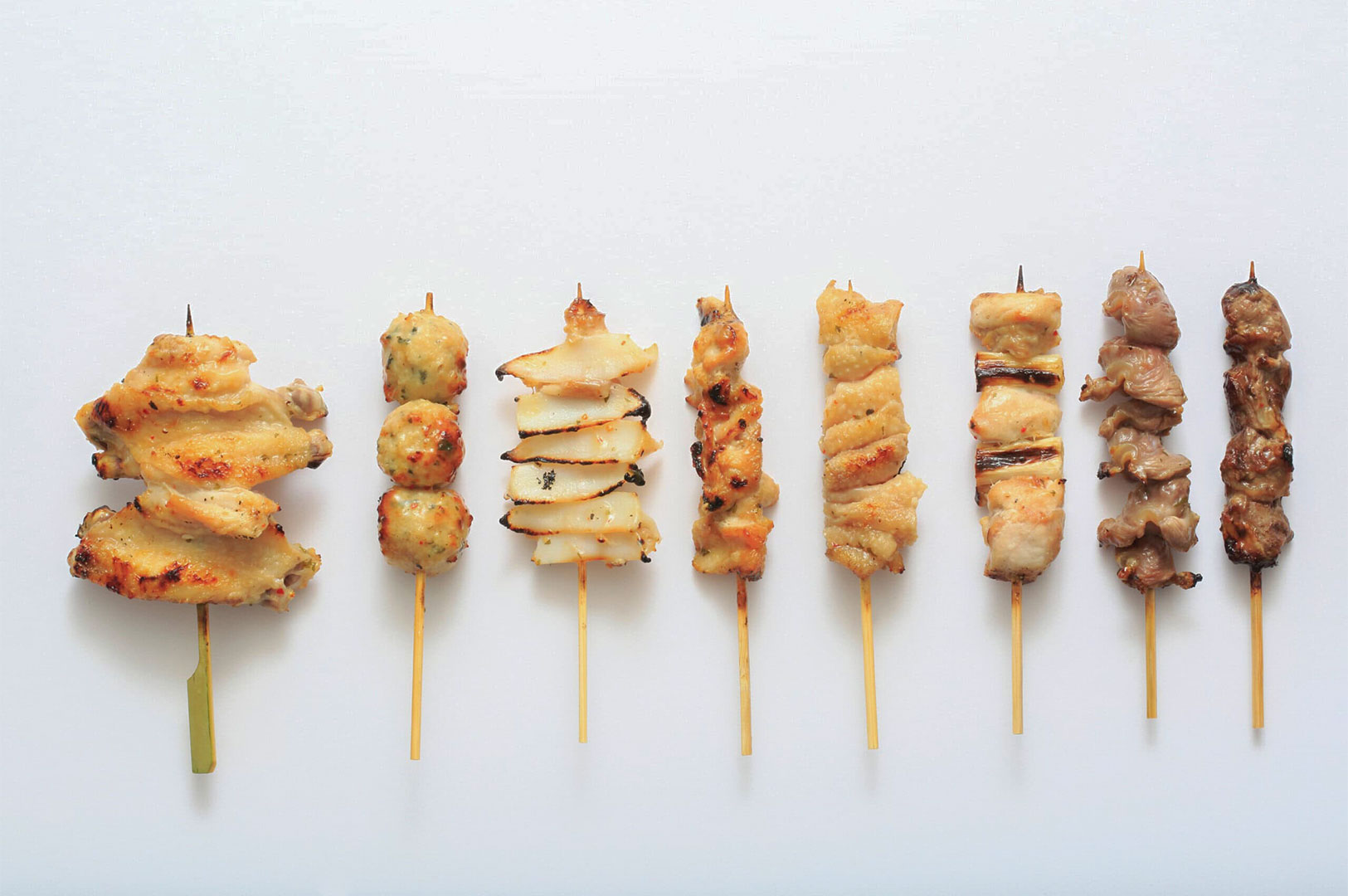
True yakitori begins with understanding its place within the broader kushiyaki tradition—the Japanese art of skewer grilling that elevates simple ingredients through precise technique and premium ingredients. At its heart, yakitori represents more than grilled chicken; it embodies a philosophy where fire, timing, and craftsmanship converge to highlight the natural flavors of each cut.
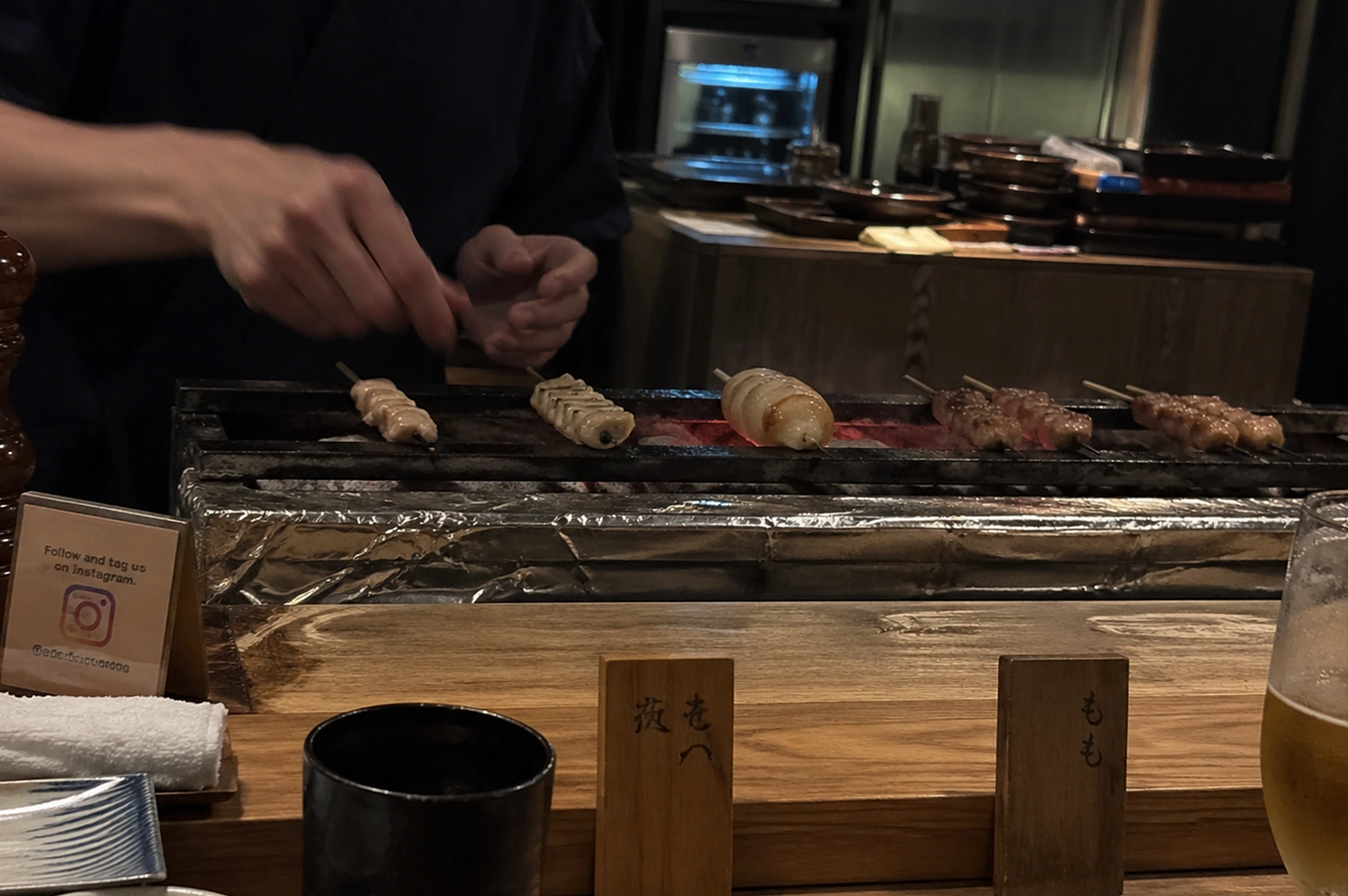
The sacred art of binchotan charcoal forms the foundation of authentic yakitori grilling. This white Japanese oak charcoal, primarily sourced from Kishu and Wakayama regions in Japan, burns at precisely controlled temperatures while imparting subtle smokiness without overwhelming the delicate chicken flavors. Grilling over binchotan imparts a distinctive flavor and aroma to the chicken, enhancing its taste in a way that cannot be achieved with other fuels. Unlike gas grilling, binchotan creates infrared heat that penetrates evenly, allowing chefs to achieve the coveted combination of crispy exteriors and juicy interiors.
Since Nanbantei opened Singapore’s first dedicated yakitori restaurant in 1983, this tradition has grown from niche to a refined dining experience rivaling Tokyo’s finest. The hypnotic dance of flames over binchotan charcoal transforms simple chicken skewers into an art form captivating Singapore’s dining scene. Explore Singapore’s vibrant yakitori landscape, from budget-friendly gems under S$3 per stick to Michelin-level yakitori omakase menus costing S$198++. Numerous outlets across the island make it easy to find and enjoy this culinary tradition. Many yakitori restaurants recommend booking in advance via their official website, especially on weekends. Food lovers and guys seeking casual yet flavorful dining often head to places near East Plaza, known for its vibrant food scene. This journey through sacred cuts, grilling techniques, and hidden dining rooms will deepen your appreciation of this ancient craft—offering culinary experiences no food lover should miss.
Conclusion: Ignite Your Yakitori Passion
Singapore’s yakitori scene offers a rich tapestry of experiences, from affordable neighborhood joints to luxurious omakase counters like Shin Terroir. Whether you crave the smoky perfection of grilled chicken over binchotan charcoal or the refined artistry of premium yakitori omakase, the city delivers authentic flavors and unforgettable dining moments.
Ready to embark on your own yakitori adventure? Discover the finest yakitori in Singapore and savor every expertly grilled skewer by exploring the yakitori spots highlighted in this guide. For more, explore our comprehensive district-based yakitori recommendations, featuring popular areas like Telok Ayer with its two iconic yakitori counters.